

Reefer FCL Sailing Schedule for Machinery China to Europe
Shipping temperature-sensitive machinery from China to Europe demands precision and careful planning. Understanding the Reefer FCL sailing schedule for machinery from China to Europe is therefore crucial for maintaining product integrity and ensuring operational readiness. This comprehensive guide provides essential insights into optimizing your cold chain logistics and guaranteeing timely, secure delivery. For comprehensive solutions in international freight, explore Top China Forwarder.

What is Reefer FCL and Why is it Essential for Machinery?
Reefer FCL, or Refrigerated Full Container Load, involves shipping goods in temperature-controlled containers. This specialized method is vital for machinery requiring specific environmental conditions, such as delicate electronics, medical devices, or industrial refrigeration units. Indeed, it effectively prevents damage from humidity, extreme heat, or freezing temperatures throughout the entire transit period.
Moreover, maintaining a stable climate is paramount for sensitive components within complex machinery. Fluctuations in temperature can lead to corrosion, reduced efficiency, or even complete failure of sophisticated equipment. Therefore, selecting the right reefer solution significantly impacts the machinery’s long-term lifespan and optimal performance upon its arrival in Europe.
Navigating the Reefer FCL Sailing Schedule from China to Europe
Effectively navigating the Reefer FCL sailing schedule for machinery from China to Europe requires meticulous planning and up-to-date information. Key factors to consider include vessel availability, precise port cut-off times, and the overall transit durations. These schedules are inherently dynamic, constantly influenced by global demand, specific carrier routes, and significant seasonal variations.
Furthermore, direct routes typically offer faster transit times, yet they might be less frequent or have higher costs. Conversely, transshipment options often provide greater flexibility in sailing dates and potentially lower freight rates, but they inevitably extend the overall delivery times. Businesses must carefully balance speed with cost-effectiveness and schedule reliability to meet their specific supply chain requirements. For reliable sea freight solutions, a trusted partner is invaluable.
| Port of Loading (China) | Port of Discharge (Europe) | Typical Transit Time (Days) | Key Carrier |
|---|---|---|---|
| Shanghai | Rotterdam | 30-35 | COSCO, Maersk |
| Ningbo | Hamburg | 32-38 | MSC, Hapag-Lloyd |
| Shenzhen | Felixstowe | 28-33 | CMA CGM, Evergreen |
| Qingdao | Valencia | 35-40 | ONE, Yang Ming |
Key Ports and Transit Times
Major Chinese ports such as Shanghai, Ningbo, Shenzhen, and Qingdao serve as primary departure points for goods bound for Europe. Correspondingly, key European destination ports frequently include Rotterdam, Hamburg, Felixstowe, and Valencia. Typical transit times for these routes generally range from 28 to 40 days, heavily depending on the specific carrier, chosen route, and any transshipment points.
However, these estimates strictly cover sea transit and do not include crucial stages like pre-carriage, customs clearance processes, or final inland delivery. Therefore, a comprehensive door-to-door logistics plan is absolutely essential for accurate timeline projections. Always consider the entire journey to avoid unexpected delays.
Understanding Costs and Freight Rates for Reefer FCL Shipments
Reefer container shipping costs China Europe are influenced by a complex interplay of numerous factors. These include the specific container size required, the precise temperature settings, current fuel surcharges, and various port charges at both ends. Moreover, prevailing market demand and available carrier capacity also play significant roles in determining fluctuating freight rates.
Indeed, these rates can fluctuate considerably throughout the year due to global economic conditions and seasonal peaks. Peak seasons, such as the periods leading up to major holidays or during the bustling Q3/Q4, often see significantly higher prices. Consequently, booking your shipment well in advance can often help secure more favorable terms and mitigate unexpected cost increases.
Note: Freight rates are subject to change based on fuel costs, carrier capacity, and seasonal demand. Contact us for a current quote tailored to your specific shipment.
Regulatory Compliance and Customs Clearance for Refrigerated Cargo
Shipping machinery with specific temperature requirements inherently involves stringent regulatory compliance at multiple stages. Importers must diligently adhere to both Chinese export regulations and the diverse European import standards. This often necessitates detailed declarations about the machinery’s precise nature, its intended use, and its critical temperature requirements.
Moreover, accurate and complete documentation is absolutely paramount for smooth customs clearance for refrigerated cargo. This includes, but is not limited to, commercial invoices, comprehensive packing lists, bills of lading, and sometimes specific certificates of origin or quality certifications. Delays can unfortunately occur if paperwork is incomplete, inaccurate, or fails to meet the specific requirements of the destination country. Leveraging expert customs brokerage services can significantly mitigate these risks.
Optimizing Your Cold Chain: Best Practices for Reefer Machinery Transport
Optimizing the cold chain for machinery transport begins well before loading, specifically with the proper pre-cooling of the reefer container. This critical step ensures the unit reaches and maintains the desired temperature stability before any cargo is introduced. Furthermore, robust and appropriate packaging of the machinery itself also helps to maintain internal temperatures and effectively prevents physical shock during transit.
Indeed, continuous monitoring of both temperature and humidity levels inside the container is crucial throughout the entire journey. Many modern reefer units now provide real-time data and alerts, allowing for immediate adjustments if any deviations occur. This proactive approach significantly safeguards your valuable assets and ensures their optimal condition upon arrival.
How Does Reefer FCL Compare to Other Shipping Options?
When transporting valuable machinery from China to Europe, businesses are presented with several viable shipping options. Reefer FCL, in particular, offers distinct and indispensable advantages, especially for goods that are sensitive to temperature changes. However, understanding the alternatives helps in making truly informed and strategic logistical decisions.
Consider, therefore, the critical trade-offs between speed, overall cost, and the specific requirements of your cargo. Each shipping method possesses its own unique use cases, operational capabilities, and inherent limitations. For extremely urgent or high-value, smaller components of machinery, air freight presents a much faster, albeit significantly costlier, alternative to sea shipping.
| Shipping Method | Cost Range (40HQ China-Europe) | Transit Time | Best For | Limitations |
|---|---|---|---|---|
| Reefer FCL (Sea) | $3,000-4,200 | 28-40 days | Large, temperature-sensitive machinery | Slower transit, port congestion risks |
| Standard FCL (Sea) | $2,800-3,800 | 28-40 days | Large, non-temperature-sensitive machinery | No temperature control |
| Air Freight | $15,000-25,000 | 5-7 days | Urgent, high-value, smaller machinery | Very high cost, volume/weight restrictions |
| Rail Freight | $8,000-12,000 | 18-25 days | Non-temperature-sensitive, faster than sea | Limited reefer capacity, higher cost than sea |

Which Option Should You Choose?
Budget priority: If cost-efficiency is your primary concern and time is a less critical factor, Reefer FCL (Sea) is generally the most economical choice for transporting large machinery. For non-temperature-sensitive items, standard FCL offers even lower costs.
Speed priority: For urgent shipments where machinery is absolutely critical for ongoing production or immediate deployment, air freight is unmatched in its speed, despite its significantly higher cost. Rail freight, conversely, offers a viable middle ground between sea and air for non-reefer cargo, providing quicker transit than ocean shipping but with limited reefer capacity.
Cargo type considerations: For any machinery demanding precise temperature or humidity control, Reefer FCL is unequivocally indispensable. However, for general cargo that is not temperature-sensitive, standard FCL or LCL options will typically suffice and offer more flexibility.
Volume thresholds: For shipments exceeding approximately 15 CBM, FCL (whether reefer or standard) is almost always more cost-effective per cubic meter than Less than Container Load (LCL). Smaller volumes might consider LCL, provided temperature control is not a requirement.
Real-World Case Studies: Successful Reefer FCL Shipments to Europe
Examining actual shipments provides invaluable practical insights into the complexities and ultimate successes of reefer FCL logistics. These real-world examples highlight precisely how meticulous planning and expert execution ensure that valuable machinery arrives in perfect, operational condition.
Based on current market rates and typical scenarios, these detailed case studies effectively illustrate common challenges encountered and the most effective solutions employed for shipping from China to Europe.
Case Study 1: High-Tech Medical Imaging Equipment
| Route: | Shenzhen, China -> Hamburg, Germany |
|---|---|
| Cargo: | Medical MRI Scanner, 30 CBM, 8,500 kg |
| Container: | 40HQ Reefer |
| Shipping Details: | |
| – Carrier/Service: | MSC |
| – Port of Loading: | Shenzhen |
| – Port of Discharge: | Hamburg |
| – Route Type: | Direct |
| Cost Breakdown (Based on Q3 2024 market rates): | |
| – Ocean Freight: | $3,850 |
| – Origin Charges (THC, documentation): | $480 |
| – Destination Charges: | $320 |
| – Customs & Duties (estimated): | $1,200 |
| – Total Landed Cost: | $5,850 |
| Timeline: | |
| – Booking to Loading: | 7 days |
| – Sea Transit: | 32 days |
| – Customs Clearance: | 3 days |
| – Total Door-to-Door: | 45 days |
| Key Insight: | Continuous temperature monitoring and pre-cooling were critical for this sensitive equipment. |
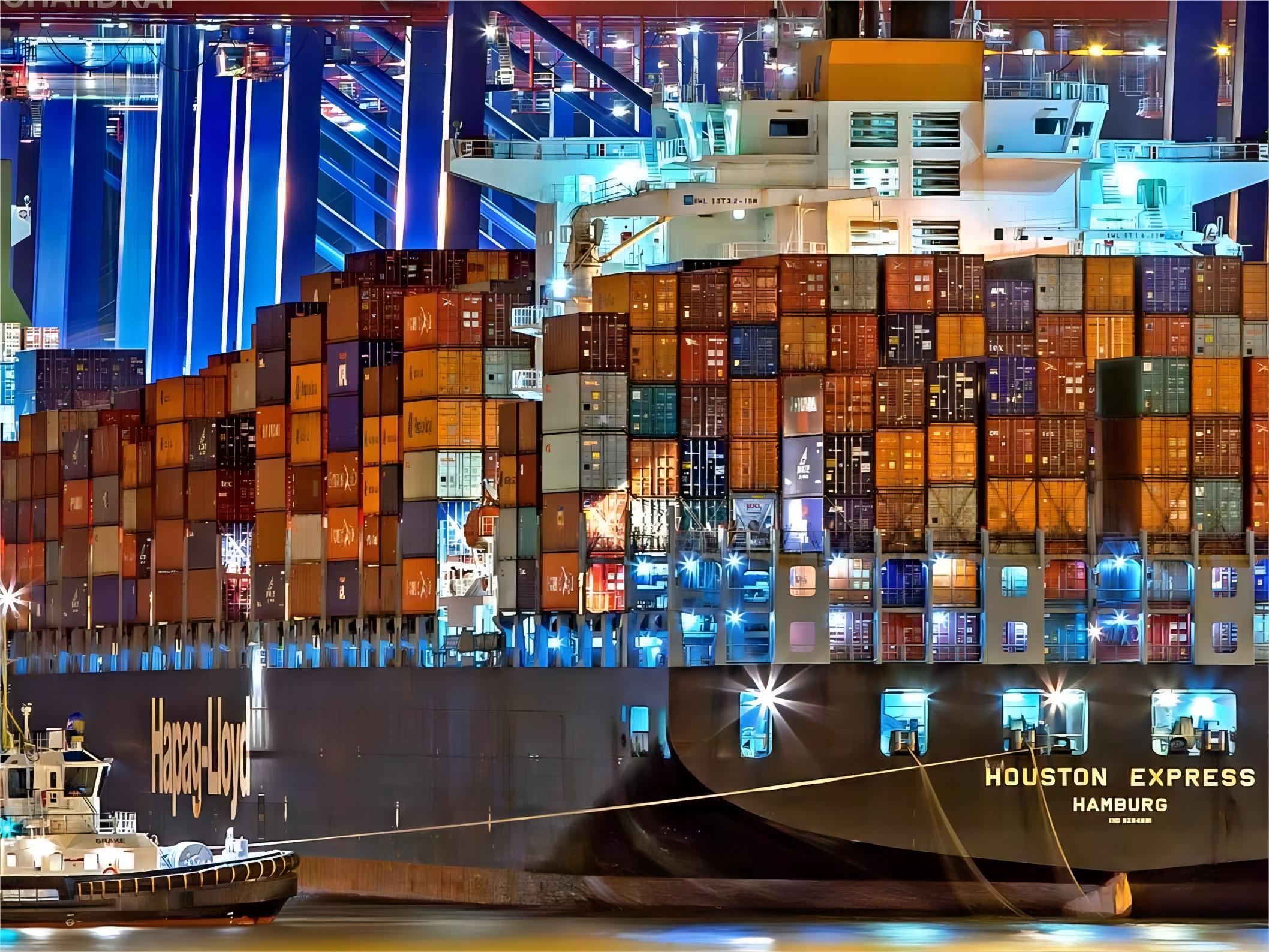
Case Study 2: Industrial Refrigeration Units
| Route: | Ningbo, China -> Rotterdam, Netherlands |
|---|---|
| Cargo: | Commercial Cold Storage Units, 25 CBM, 10,200 kg |
| Container: | 40GP Reefer |
| Shipping Details: | |
| – Carrier/Service: | COSCO |
| – Port of Loading: | Ningbo |
| – Port of Discharge: | Rotterdam |
| – Route Type: | Transshipment via Singapore |
| Cost Breakdown (Typical rates as of early 2025): | |
| – Ocean Freight: | $3,100 |
| – Origin Charges (THC, documentation): | $450 |
| – Destination Charges: | $300 |
| – Customs & Duties (estimated): | $1,050 |
| – Total Landed Cost: | $4,900 |
| Timeline: | |
| – Booking to Loading: | 9 days |
| – Sea Transit: | 38 days |
| – Customs Clearance: | 4 days |
| – Total Door-to-Door: | 55 days |
| Key Insight: | Transshipment added flexibility but extended transit. Careful planning avoided port congestion delays. |
Comprehensive Logistics Solutions: Beyond the Sailing Schedule
While the Reefer FCL sailing schedule for machinery from China to Europe is undoubtedly central, a holistic approach to logistics maximizes overall efficiency and minimizes risks. This comprehensive strategy includes critical elements such as thorough pre-shipment inspections, robust and protective packaging, and efficient inland transportation at both the origin and destination points.
Indeed, partnering with a reliable freight forwarder can significantly simplify the complexities of managing such specialized shipments. From coordinating factory pick-up to overseeing final delivery, ensuring seamless, end-to-end coordination is absolutely vital for complex reefer machinery shipments. Explore our door-to-door services for complete peace of mind.
Securing Your Reefer FCL Machinery Shipments to Europe
Mastering the <a href=”https://topchinaforwarder.com”>Reefer FCL sailing schedule for machinery from China to Europe</a> is fundamental for successful international trade. It requires understanding vessel schedules, managing costs, navigating customs, and implementing best practices for cold chain integrity.
Ultimately, partnering with an experienced freight forwarder can simplify these complexities. They provide the expertise and resources needed to ensure your temperature-sensitive machinery reaches its European destination efficiently and without compromise.
Ready to streamline your logistics?
Ready to streamline your reefer FCL shipments for machinery from China to Europe? Our expert team is prepared to provide tailored solutions and transparent sailing schedules. Contact us today for a personalized quote and ensure your valuable cargo arrives safely and on time.
Request Quote