

Reefer FCL Freight Rate for Textiles: China to Seattle Guide
Navigating the complexities of international shipping, especially when dealing with temperature-sensitive goods like textiles, requires precise planning and execution. Understanding the reefer FCL freight rate for textiles from China to Seattle is crucial for maintaining product integrity and managing supply chain costs effectively. This comprehensive guide will illuminate the factors influencing these rates, transit times, and best practices to ensure your delicate cargo arrives in optimal condition.
What is Reefer FCL Freight and Why is it Essential for Textiles?
Reefer FCL (Full Container Load) freight refers to shipping temperature-controlled goods in dedicated refrigerated containers. These specialized containers maintain a consistent internal environment, which is vital for preserving the quality of sensitive cargo.
For textiles, particularly high-value fabrics, natural fibers like silk or wool, and certain finished garments, stable temperature and humidity levels are paramount. Fluctuations can lead to mold, mildew, discoloration, or degradation of material integrity. Therefore, choosing reefer FCL safeguards your investment.
Moreover, Full Container Load means your goods occupy the entire container, providing enhanced security and minimizing handling. This method is generally more cost-effective for larger volumes, offering a dedicated and controlled environment from origin to destination.
Key Factors Influencing Reefer FCL Freight Rates from China to Seattle
Several dynamic elements collectively determine the sea freight cost for reefer FCL shipments from China to Seattle. Understanding these factors allows businesses to anticipate expenses and plan budgets more accurately. Market conditions, for instance, play a significant role in rate fluctuations.
Firstly, the specific origin port in China and the destination port in Seattle directly impact the base rate and drayage costs. Major ports like Shanghai, Ningbo, or Shenzhen offering more direct routes to Seattle generally provide more competitive pricing. Vessel capacity and demand on the trans-Pacific trade lane also influence rates.
Secondly, the type and size of the reefer container (e.g., 20ft or 40ft/40HQ) are critical pricing components. Larger containers, while having a higher base rate, often offer a lower per-unit cost for high-volume textile shipments. The required temperature range and specific settings for your textiles also factor into the cost, as specialized handling or power consumption might be necessary.
Additionally, fuel surcharges, peak season surcharges (typically August to October), and general rate increases (GRIs) can significantly elevate the final reefer FCL freight rate for textiles from China to Seattle. These surcharges are common in international shipping and reflect operational costs or market demand. Furthermore, exchange rates and geopolitical events can introduce unexpected volatility into shipping costs.
How Does Reefer FCL Compare to Other Shipping Options?
When planning to ship textiles from China to Seattle, evaluating various freight options is essential. Reefer FCL provides specific benefits, but alternative methods might suit different needs concerning speed, cost, and cargo volume. Understanding these trade-offs is crucial for making informed logistical decisions.
For example, while air freight offers rapid transit, its cost can be prohibitive for large volumes of textiles. Conversely, standard dry container FCL might be cheaper, but it lacks the temperature control necessary for sensitive fabrics. Therefore, the choice depends on your specific textile type and supply chain priorities.
| Shipping Method | Cost Range (40HQ Equivalent) | Transit Time (China to Seattle) | Best For | Limitations |
|---|---|---|---|---|
| Reefer FCL Sea Freight | $2,800 – $4,500 | 14-18 days | Large volume, temperature-sensitive textiles, cost-efficiency | Slower than air, higher cost than dry FCL |
| Dry FCL Sea Freight | $2,500 – $3,800 | 14-18 days | Large volume, non-temperature-sensitive textiles | No temperature control, risk of humidity damage to certain textiles |
| Air Freight (General Cargo) | $15,000 – $25,000 | 3-7 days | Urgent, high-value, small volume textile samples | Very high cost, limited volume capacity |
| Express Service | $3,000 – $8,000 (for small packages) | 2-5 days | Small, critical textile samples or documents | Extremely high cost per kg, not suitable for bulk cargo |
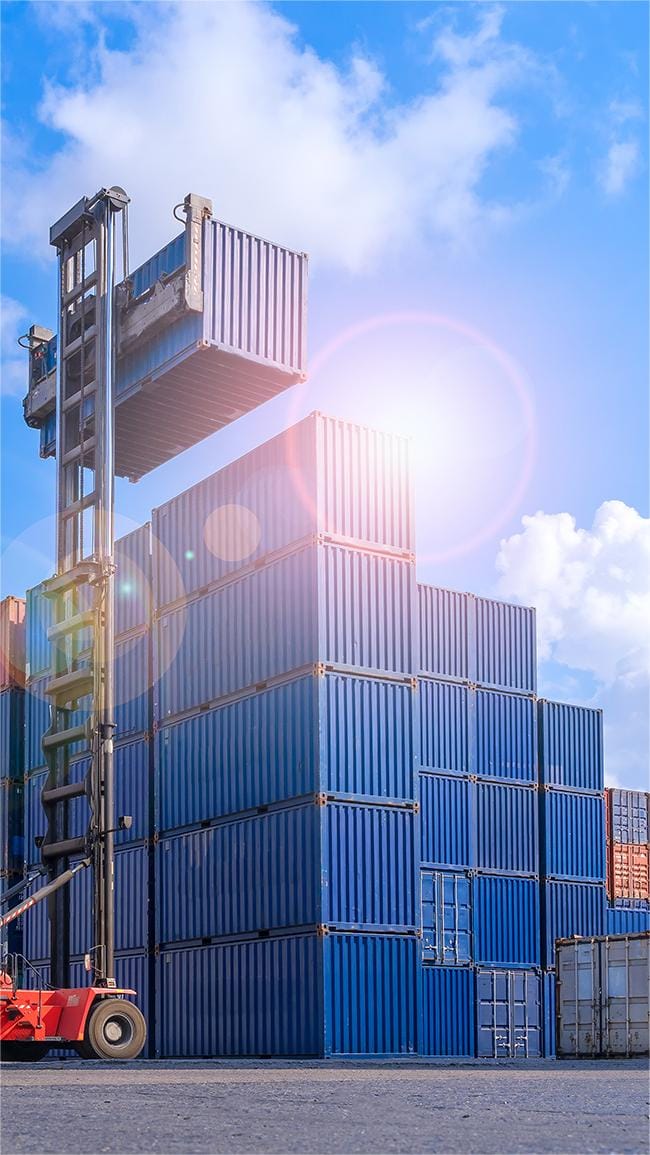
Understanding the Reefer FCL Shipping Process: China to Seattle
The process of shipping reefer FCL textiles from China to Seattle involves several coordinated steps. Initially, securing a booking with a reliable freight forwarder is paramount. This ensures container availability and proper scheduling, especially during peak seasons when demand for reefer containers can be high.
Following booking, the empty reefer container is delivered to your supplier’s facility for loading. Proper stuffing and securing of the textile cargo inside the container are critical to prevent shifting and damage during transit. The reefer unit’s temperature and humidity settings are then precisely configured according to your specifications, typically verified by the carrier.
After loading, the container is transported to the port of loading in China, where it undergoes customs clearance for export. Once cleared, it is loaded onto a vessel bound for Seattle. Throughout the ocean voyage, the reefer unit continuously monitors and maintains the set environmental conditions, protecting your delicate textile shipment.
Upon arrival at the Port of Seattle, the container is discharged, and import customs procedures commence. Finally, after clearance, the container is delivered to your designated warehouse or distribution center. This entire sequence demands meticulous attention to detail to ensure the integrity of your temperature-sensitive textiles.
Typical Transit Times and Routes for Reefer FCL to Seattle
Transit times for reefer FCL shipments from China to Seattle typically range from 14 to 18 days for direct services. This duration covers the port-to-port journey, excluding origin drayage, customs clearance, and final delivery. Factors like vessel speed, weather conditions, and port congestion can influence these timelines.
Most direct routes originate from major Chinese ports such as Shanghai, Ningbo, Qingdao, and Shenzhen. These vessels traverse the Pacific Ocean, usually without transshipment, directly to Seattle. Opting for direct routes minimizes handling and reduces the risk of temperature deviations for your textile cargo.
However, some services might involve transshipment through other Asian ports, which could add several days to the overall transit time. While potentially offering a lower base rate, transshipment introduces additional handling points and extends the delivery schedule. Therefore, evaluating the trade-off between cost and directness is crucial for time-sensitive textile shipments.
Real-World Reefer FCL Shipments: Case Studies
Exploring actual shipment scenarios provides practical insights into managing reefer FCL freight rates for textiles from China to Seattle. These examples highlight typical costs, transit times, and potential challenges encountered in real-world logistics. Understanding these cases can help you better prepare for your own imports.
These case studies reflect typical rates as of early 2025, though actual costs can vary based on market conditions, specific carrier contracts, and additional services requested. Always obtain a current quote for precise planning.
Case Study 1: High-End Silk Fabrics
| Detail | Value |
|---|---|
| Route | Shanghai, China -> Seattle, USA |
| Cargo | High-end silk fabrics, 60 CBM, 8,000 kg |
| Container | 1 x 40HQ Reefer |
| Shipping Details | |
| – Carrier/Service | Major carrier (e.g., COSCO) |
| – Port of Loading | Shanghai |
| – Port of Discharge | Seattle |
| – Route Type | Direct |
| Cost Breakdown (Estimated) | |
| – Ocean Freight | $3,500 |
| – Origin Charges (THC, documentation) | $350 |
| – Destination Charges (DDC, Chassis) | $400 |
| – Customs & Duties (estimated) | $1,200 |
| – Total Landed Cost (excl. drayage) | $5,450 |
| Timeline | |
| – Booking to Loading | 5 days |
| – Sea Transit | 16 days |
| – Customs Clearance | 2 days |
| – Total Port-to-Door | 23 days |
| Key Insight | Maintaining precise temperature (+18C) was critical for preventing moisture damage to delicate silk. Pre-cooling the container was essential. |
Case Study 2: Organic Cotton Apparel
| Detail | Value |
|---|---|
| Route | Ningbo, China -> Seattle, USA |
| Cargo | Organic cotton T-shirts & hoodies, 65 CBM, 9,500 kg |
| Container | 1 x 40HQ Reefer |
| Shipping Details | |
| – Carrier/Service | Major carrier (e.g., OOCL) |
| – Port of Loading | Ningbo |
| – Port of Discharge | Seattle |
| – Route Type | Direct |
| Cost Breakdown (Estimated) | |
| – Ocean Freight | $3,200 |
| – Origin Charges (THC, documentation) | $320 |
| – Destination Charges (DDC, Chassis) | $380 |
| – Customs & Duties (estimated) | $1,050 |
| – Total Landed Cost (excl. drayage) | $4,950 |
| Timeline | |
| – Booking to Loading | 4 days |
| – Sea Transit | 17 days |
| – Customs Clearance | 3 days |
| – Total Port-to-Door | 24 days |
| Key Insight | Shipped during Q4 peak season, rates were 15% higher than off-peak. Early booking secured space and minimized delays. |
Case Study 3: Synthetic Performance Fabrics
| Detail | Value |
|---|---|
| Route | Qingdao, China -> Seattle, USA |
| Cargo | Synthetic activewear fabrics, 58 CBM, 7,500 kg |
| Container | 1 x 40HQ Reefer |
| Shipping Details | |
| – Carrier/Service | Major carrier (e.g., Maersk) |
| – Port of Loading | Qingdao |
| – Port of Discharge | Seattle |
| – Route Type | Direct |
| Cost Breakdown (Estimated) | |
| – Ocean Freight | $3,000 |
| – Origin Charges (THC, documentation) | $300 |
| – Destination Charges (DDC, Chassis) | $370 |
| – Customs & Duties (estimated) | $900 |
| – Total Landed Cost (excl. drayage) | $4,570 |
| Timeline | |
| – Booking to Loading | 6 days |
| – Sea Transit | 18 days |
| – Customs Clearance | 2 days |
| – Total Port-to-Door | 26 days |
| Key Insight | Despite synthetic nature, humidity control was vital to prevent mildew during transit. A minor port delay added a day to transit. |
Cost-Saving Strategies for Your China to Seattle Textile Shipments
Optimizing the reefer FCL freight rate for textiles from China to Seattle involves implementing smart strategies. Consolidating orders to maximize container utilization is perhaps the most impactful approach. A fully loaded 40HQ reefer container significantly reduces the per-unit shipping cost compared to partially filled containers.
Furthermore, planning shipments outside of peak seasons can lead to substantial savings. Rates typically increase by 15-25% during the August-October period due to higher demand. Booking well in advance also helps secure better rates and ensures container availability, avoiding last-minute premium charges.
Considering a reputable freight forwarder that offers competitive rates and excellent service is also crucial. They can leverage their network and volume discounts to provide more favorable pricing. Moreover, exploring door to door services can simplify logistics and sometimes offer bundled savings.
Finally, meticulous documentation and compliance with customs regulations can prevent costly delays and penalties. Any errors can lead to demurrage or detention charges, adding unexpected expenses to your overall freight cost. Therefore, attention to detail in paperwork is a non-negotiable cost-saving measure.
Navigating Customs and Documentation for Textile Imports to Seattle
Importing textiles into Seattle from China requires careful adherence to U.S. Customs and Border Protection (CBP) regulations. Accurate and complete documentation is essential to ensure smooth clearance and avoid delays or fines. This process begins long before the shipment arrives at port.
Key documents typically include a commercial invoice, packing list, bill of lading, and sometimes a certificate of origin. For textiles, specific details like fabric composition, country of origin, and Harmonized Tariff Schedule (HTS) codes must be precisely declared. Errors in these details can cause significant issues.
Engaging a reliable customs brokerage service is highly recommended for textile imports. They possess the expertise to navigate complex tariffs, ensure compliance with all import laws, and handle communication with CBP. This professional assistance streamlines the clearance process and mitigates risks associated with non-compliance.
Furthermore, textiles may be subject to various quotas, anti-dumping duties, or specific labeling requirements, depending on their type and origin. Staying updated on these regulations and proactively addressing them is vital for a hassle-free import experience. Proper preparation ultimately saves both time and money.

Which Reefer FCL Option Should You Choose for Your Textiles?
Deciding on the optimal reefer FCL shipping strategy for your textiles from China to Seattle depends on several key criteria. Each business has unique priorities, and aligning your shipping method with these priorities is essential for supply chain efficiency. Therefore, a careful evaluation of your needs is necessary.
If your primary concern is budget, consolidating your shipments into a full 40HQ reefer container and booking well in advance during off-peak seasons will offer the most cost-effective solution. This approach maximizes space utility and avoids premium charges associated with urgent or smaller consignments.
Conversely, if speed is your highest priority, selecting direct services with minimal transit time is paramount. While this might incur a slightly higher ocean freight rate, it ensures quicker delivery to market. However, for textiles, maintaining temperature control usually outweighs extreme speed, which air freight could offer at a much higher cost.
Consider the specific cargo type: delicate fabrics like silk or wool absolutely require precise temperature and humidity control, making reefer FCL non-negotiable. For more robust textiles, a dry container might suffice if environmental risks are low, but this decision carries inherent risks. Ultimately, the volume threshold for switching from LCL to FCL is typically around 15-20 CBM, where FCL becomes more economical.
Market Trends and Future Outlook for China-Seattle Freight
The global shipping industry is constantly evolving, and rates for reefer FCL freight from China to Seattle are influenced by various market trends. As of early 2025, freight rates on the trans-Pacific route have stabilized after periods of significant volatility. However, future disruptions remain a possibility.
Industry experts anticipate continued focus on supply chain resilience and efficiency. This could lead to further investment in port infrastructure and digital tracking solutions, potentially improving transit reliability. Additionally, environmental regulations are becoming stricter, which may impact carrier operating costs and, consequently, freight rates.
Seasonal patterns will continue to play a crucial role, with increased demand and higher rates expected during the third quarter leading up to holiday seasons. Businesses should monitor these trends closely and work with experienced forwarders to navigate potential challenges. Proactive planning remains key to securing favorable reefer FCL freight rates for textiles from China to Seattle.
Conclusion: Securing Your Reefer FCL Freight Rate for Textiles
Successfully managing the <a href=”https://topchinaforwarder.com”>reefer FCL freight rate for textiles from China to Seattle</a> demands a comprehensive understanding of market dynamics, shipping processes, and strategic planning. From understanding influencing factors to navigating customs, every step impacts the final cost and delivery efficiency.
By leveraging reliable partners, employing cost-saving strategies, and focusing on meticulous documentation, businesses can ensure their temperature-sensitive textile cargo arrives in optimal condition. Proactive engagement with experienced freight forwarders is key to optimizing your supply chain and achieving consistent success in international textile trade.
Need a tailored shipping solution?
Ready to secure a competitive reefer FCL freight rate for your textile shipments from China to Seattle? Contact our experts today for a personalized quote and seamless logistics solutions. We are committed to delivering your sensitive cargo safely and efficiently.