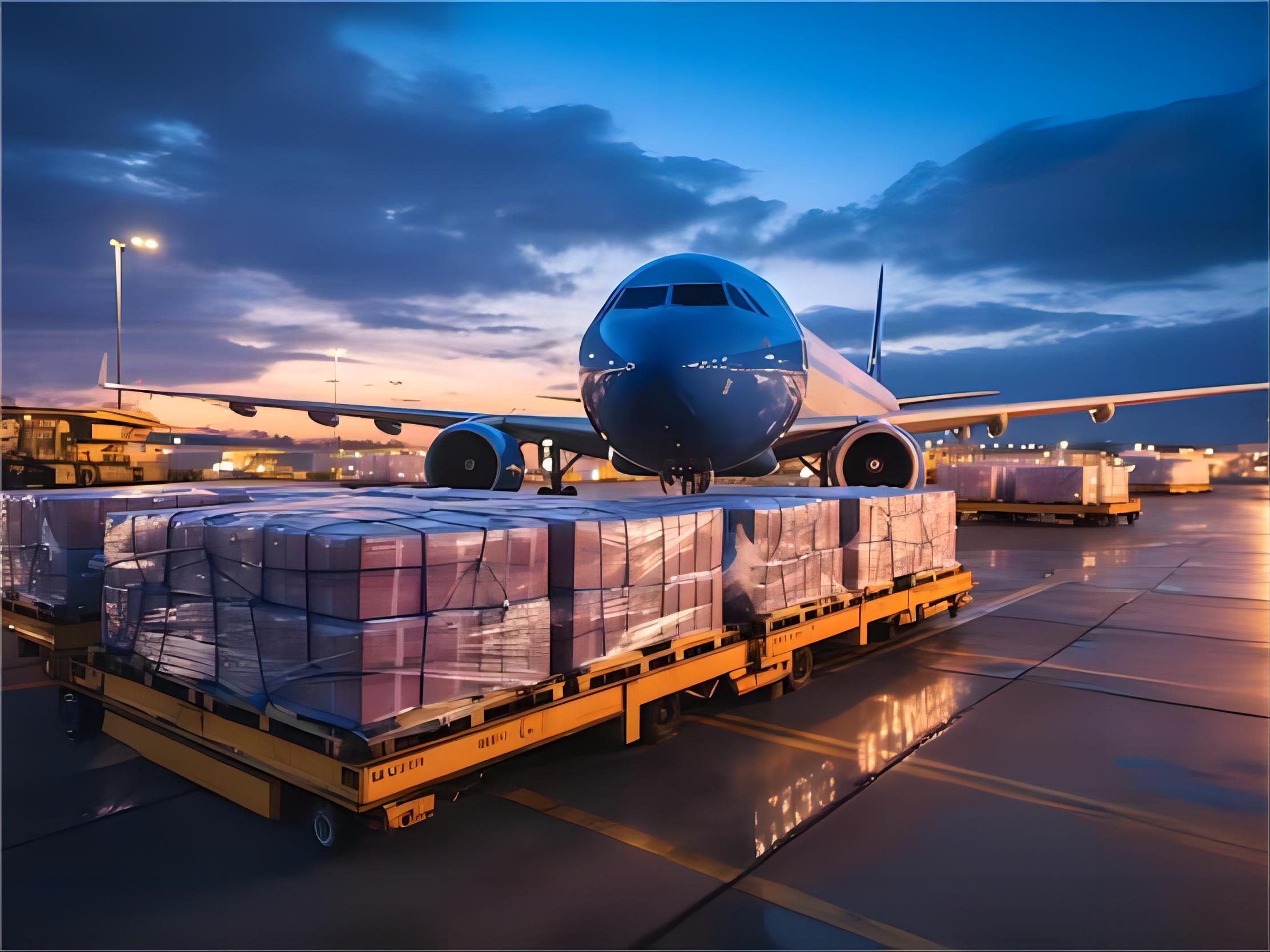
Reefer FCL Freight Rate for Medical Equipment from China to Europe
Transporting medical equipment, especially temperature-sensitive pharmaceuticals and devices, from China to Europe demands meticulous planning and specialized logistics. Securing an optimal reefer FCL freight rate for medical equipment from China to Europe is crucial for maintaining product integrity and managing supply chain costs effectively. This guide provides essential insights into navigating the complexities of international cold chain shipping. For comprehensive solutions, explore services offered by Top China Forwarder.
What is Reefer FCL Shipping for Medical Equipment?
Reefer FCL (Full Container Load) shipping refers to the exclusive use of a refrigerated container for transporting goods. This method is indispensable for medical equipment, pharmaceuticals, and other temperature-sensitive cargo requiring strict environmental control.
Crucially, FCL means your medical products occupy the entire container, minimizing handling and reducing contamination risks. This ensures optimal cold chain logistics from origin to final destination, preserving the efficacy and safety of sensitive items.
These specialized containers maintain precise temperatures, typically ranging from -25°C to +25°C, throughout the transit journey. Furthermore, advanced monitoring systems track conditions, providing real-time data and alerts for any deviations. This level of control is paramount for compliance and product integrity.
Why is Reefer FCL Essential for Medical Equipment to Europe?
Medical equipment, including diagnostic kits, vaccines, and certain devices, often has stringent temperature requirements. Any breach in the cold chain can compromise product quality, leading to significant financial losses and potential health risks for end-users.
Therefore, Reefer FCL shipping provides an unbroken cold chain, a critical aspect of pharmaceutical and medical device compliance. European regulations, such as Good Distribution Practice (GDP) guidelines, demand rigorous control over storage and transportation conditions.
Moreover, FCL offers enhanced security and reduced handling compared to LCL (Less than Container Load) shipments. This minimizes the risk of damage, theft, or exposure to adverse conditions, which is particularly important for high-value medical cargo. For reliable sea freight solutions, consider specialized providers.
Key Factors Influencing Reefer FCL Freight Rate for Medical Equipment from China to Europe
Several dynamic factors determine the reefer FCL freight rate for medical equipment from China to Europe. Understanding these elements helps in forecasting costs and making informed shipping decisions. Market volatility, fuel surcharges, and port congestion all play significant roles.
Additionally, the specific requirements for temperature control, such as a narrow temperature range or dual-zone capabilities, can impact pricing. Highly specialized reefer containers with advanced features naturally incur higher costs. Therefore, a detailed understanding of your cargo’s needs is essential.
Route and Distance
The specific port of loading in China and the port of discharge in Europe significantly affect the freight rate. For example, shipping from Shanghai to Rotterdam might differ in cost from Shenzhen to Hamburg. Longer distances or routes with fewer direct services generally command higher prices.
Furthermore, transshipment routes, while sometimes cheaper, can add transit time and increase handling risks. Direct services, conversely, offer faster delivery and reduced risk, but often at a premium. Always evaluate the trade-off between speed, cost, and route complexity for your medical cargo.
Container Type and Size
Standard reefer containers come in 20-foot and 40-foot high cube (40HQ) sizes. The 40HQ is typically more cost-effective per unit of volume than a 20-foot container. Your cargo volume will dictate the most appropriate and economical container choice.
However, specialized reefer units, like super-freezers for ultra-low temperature requirements, will have a higher rental and operational cost. These specialized containers are critical for certain types of medical equipment, such as some vaccines or biologics. Therefore, choose based on precise temperature needs.
Seasonal Demand and Market Conditions
Freight rates are highly susceptible to seasonal fluctuations, especially during peak shipping seasons like Chinese New Year or pre-holiday periods in Europe. Demand for reefer containers also spikes during certain agricultural seasons, impacting availability and pricing. Planning ahead can mitigate these impacts.
Current global events, such as port congestion, geopolitical tensions, or fuel price volatility, also directly influence rates. For instance, recent disruptions in key shipping lanes have led to increased surcharges and longer transit times. Staying informed about logistics trends is vital for budgeting.
Note: Freight rates are subject to change based on fuel costs, carrier capacity, and seasonal demand. Contact us for a current quote tailored to your specific shipment.
Additional Services and Surcharges
Beyond the basic ocean freight, various surcharges contribute to the total reefer FCL freight rate. These include Terminal Handling Charges (THC) at both origin and destination, Bunker Adjustment Factor (BAF) for fuel, and Currency Adjustment Factor (CAF).
Furthermore, fees for pre-cooling, monitoring, and generator usage for the reefer unit add to the cost. Door-to-door services, customs clearance, and cargo insurance also represent significant components of the overall expenditure. Therefore, a detailed quote is essential for transparency.
How Does Reefer FCL Compare to Other Shipping Options?
When transporting medical equipment from China to Europe, several shipping methods offer distinct advantages and disadvantages. Reefer FCL sea freight is often the most balanced choice for cost and capacity, but alternatives exist for specific needs.
Evaluating these options based on urgency, cost, and cargo volume is crucial for an optimized supply chain. For example, while air freight offers speed, its cost can be prohibitive for large volumes. Conversely, LCL reefer might seem cheaper but introduces higher risk.
| Shipping Method | Cost Range (40HQ equivalent) | Transit Time (China to Europe) | Best For | Limitations |
|---|---|---|---|---|
| Reefer FCL Sea Freight | $3,000 – $4,200 | 28 – 35 days | Large volumes, cost-efficiency, strict temperature control | Slower transit time, port congestion risk |
| LCL Reefer Sea Freight | $5,000 – $8,000 (per CBM equivalent) | 30 – 40 days | Smaller volumes (under 15 CBM), budget-conscious | Higher risk of handling damage, less temperature stability |
| Temperature-Controlled Air Freight | $15,000 – $25,000 (per 40HQ equivalent) | 3 – 7 days | Urgent, high-value, critical medical supplies | Very high cost, limited capacity, higher carbon footprint |
| Temperature-Controlled Rail Freight | $8,000 – $12,000 | 18 – 25 days | Mid-sized shipments, faster than sea, cheaper than air | Limited routes, capacity constraints, potential for delays |
Optimizing Your Reefer FCL Shipping Strategy for Medical Supplies
Optimizing your reefer FCL shipping strategy involves careful planning, vendor selection, and risk mitigation. For instance, consolidating multiple smaller orders into a single FCL shipment can significantly reduce per-unit costs. This approach improves overall cost-effectiveness.
Moreover, establishing clear communication channels with your freight forwarder is paramount. This ensures all parties are aware of the specific requirements and potential challenges. Proactive management helps prevent costly delays and product spoilage, ultimately safeguarding your medical cargo.
Planning and Documentation
Accurate and complete documentation is critical for smooth customs clearance and timely delivery. Key documents include commercial invoices, packing lists, certificates of origin, and any necessary health or phytosanitary certificates for medical devices. Errors can lead to significant delays and penalties.
Furthermore, proper labeling and packaging according to international standards (e.g., IATA, IMO) are non-negotiable for medical equipment. This ensures safe handling and compliance with destination country regulations. Preparing these documents meticulously streamlines the entire import/export process.
Engaging an experienced customs brokerage service can significantly expedite this process.
Choosing the Right Forwarder
Selecting a freight forwarder with proven expertise in cold chain logistics and medical equipment is essential. Look for partners who understand the nuances of temperature-controlled shipping and have a strong network in both China and Europe. Their experience can prevent costly mistakes.
Indeed, a reliable forwarder will offer comprehensive services, from booking and tracking to door-to-door delivery. They should also provide transparent communication and proactive problem-solving. This partnership is vital for maintaining supply chain integrity and ensuring timely delivery.
Insurance and Risk Management
Despite meticulous planning, unforeseen events can occur. Therefore, comprehensive cargo insurance for your medical equipment is a non-negotiable investment. It protects against loss, damage, or spoilage during transit, offering financial security.
Additionally, developing contingency plans for potential disruptions, such as port strikes, severe weather, or customs delays, is prudent. Working with a forwarder who offers robust risk management solutions provides an extra layer of protection for your valuable cargo. This approach minimizes potential losses.
Real-World Reefer FCL Case Studies: China to Europe Medical Shipments
These case studies illustrate practical applications and outcomes of reefer FCL shipping for medical equipment from China to Europe. They highlight typical costs, transit times, and challenges encountered in real-world scenarios. Rates are based on Q3 2024 market averages.
Understanding these examples can help you benchmark potential costs and timelines for your own shipments. Always remember that specific rates will vary based on current market conditions, carrier availability, and specific service requirements. Therefore, requesting a current quote is always recommended.
Case Study 1: Diagnostic Reagents to Germany
| Detail | Value |
|---|---|
| Route | Ningbo, China -> Hamburg, Germany |
| Cargo | Diagnostic Reagents, 25 CBM, 15,000 kg |
| Container | 40HQ Reefer (set at +4°C) |
| Shipping Details | Carrier: COSCO, Port of Loading: Ningbo, Port of Discharge: Hamburg, Route Type: Direct |
| Cost Breakdown (Estimated) | Ocean Freight: $3,850, Origin Charges: $550, Destination Charges: $600, Customs & Duties (est): $1,200, Total Landed Cost: $6,200 |
| Timeline | Booking to Loading: 5 days, Sea Transit: 30 days, Customs Clearance: 3 days, Total Door-to-Door: 38 days |
| Key Insight | Smooth customs clearance due to pre-filed documentation, despite minor port congestion in Hamburg. The direct route ensured minimal temperature fluctuations. |
Case Study 2: Medical Devices to UK
| Detail | Value |
|---|---|
| Route | Shenzhen, China -> Felixstowe, UK |
| Cargo | Sterile Medical Devices, 28 CBM, 12,000 kg |
| Container | 40HQ Reefer (set at +18°C) |
| Shipping Details | Carrier: Maersk, Port of Loading: Shenzhen, Port of Discharge: Felixstowe, Route Type: Transshipment via Singapore |
| Cost Breakdown (Estimated) | Ocean Freight: $3,600, Origin Charges: $500, Destination Charges: $700, Customs & Duties (est): $1,500, Total Landed Cost: $6,300 |
| Timeline | Booking to Loading: 7 days, Sea Transit: 35 days, Customs Clearance: 4 days, Total Door-to-Door: 46 days |
| Key Insight | Chose transshipment for a slightly lower ocean freight cost, which added 5 days to transit. Proactive monitoring of reefer unit was crucial during the longer journey. Shipping from China to Europe requires careful route selection. |
Case Study 3: Pharmaceutical Raw Materials to France
| Detail | Value |
|---|---|
| Route | Shanghai, China -> Le Havre, France |
| Cargo | Pharmaceutical Raw Materials, 20 CBM, 10,000 kg |
| Container | 20GP Reefer (set at -5°C) |
| Shipping Details | Carrier: MSC, Port of Loading: Shanghai, Port of Discharge: Le Havre, Route Type: Direct |
| Cost Breakdown (Estimated) | Ocean Freight: $2,800, Origin Charges: $450, Destination Charges: $550, Customs & Duties (est): $1,000, Total Landed Cost: $4,800 |
| Timeline | Booking to Loading: 6 days, Sea Transit: 32 days, Customs Clearance: 2 days, Total Door-to-Door: 40 days |
| Key Insight | Despite a smaller container, the need for a specific temperature range impacted the overall reefer FCL freight rate. Efficient customs processing in France helped mitigate potential delays. Consider air freight for urgent pharmaceutical needs. |
Navigating Customs and Regulations for Medical Equipment in Europe
Importing medical equipment into Europe requires strict adherence to various regulations, including CE marking, specific import licenses, and compliance with the Medical Device Regulation (MDR) or In Vitro Diagnostic Regulation (IVDR). These regulations ensure product safety and quality.
Therefore, proper classification of your medical goods using Harmonized System (HS) codes is essential for correct duty and tax assessment. Any misclassification can lead to delays, fines, or even rejection of the shipment at the port of entry. This process demands careful attention to detail.
Furthermore, ensuring all required documentation, such as Certificates of Conformity and Declarations of Performance, accompanies the shipment is crucial. Working with a knowledgeable freight forwarder and customs broker familiar with EU medical import requirements can significantly streamline this complex process.
Future Trends in Cold Chain Logistics for Medical Supplies
The cold chain logistics sector for medical supplies is continually evolving, driven by technological advancements and increasing regulatory demands. Innovations like IoT sensors for real-time temperature and humidity monitoring are becoming standard, enhancing supply chain integrity.
Moreover, sustainable shipping practices are gaining traction, with a focus on reducing the carbon footprint of reefer operations. This includes optimizing routes, using more energy-efficient containers, and exploring alternative fuel sources. These trends aim to improve efficiency and environmental responsibility.
Additionally, the rise of personalized medicine and biologics necessitates even more precise and reliable temperature-controlled solutions. The demand for specialized reefer FCL freight rate for medical equipment from China to Europe will likely increase, driving further innovation in the industry. This will reshape future shipping strategies.
Ensuring Safe and Efficient Medical Equipment Transport
Navigating the complexities of the reefer FCL freight rate for medical equipment from China to Europe requires expertise, precision, and reliable partnerships. By understanding the key cost drivers, choosing appropriate shipping methods, and meticulously managing documentation, businesses can optimize their cold chain logistics.
Indeed, the integrity of your medical supplies depends on an unbroken cold chain and efficient logistics. Partnering with a specialized freight forwarder ensures compliance, minimizes risks, and ultimately contributes to the successful delivery of critical healthcare products. Prioritize careful planning and expert support for your next shipment.
Start Your Shipment
Ready to secure a competitive reefer FCL freight rate for medical equipment from China to Europe? Our expert team specializes in cold chain logistics, ensuring your sensitive cargo arrives safely and efficiently. Contact us today for a personalized quote and tailored shipping solutions.
Request Quote