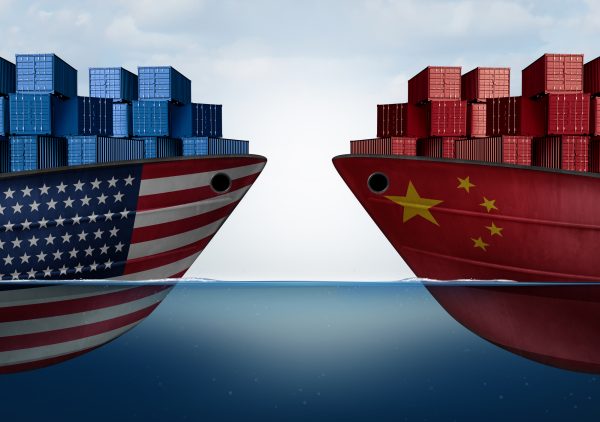
Reefer FCL Freight for Auto Parts: China to Texas Rates
Shipping temperature-sensitive auto parts from China to Texas demands careful planning and precise execution. Understanding the current Reefer FCL freight rate for auto parts from China to Texas is crucial for effective budget management and seamless supply chain operations. This guide delves into key factors influencing costs, transit times, and best practices for your specialized cargo. We provide insights to help you navigate the complexities of international logistics efficiently.
✦
Why Choose Reefer FCL for Auto Parts to Texas?
Transporting auto parts, especially sensitive components, from China to Texas requires specific conditions. Reefer FCL (Full Container Load) provides a dedicated, temperature-controlled environment. This ensures cargo integrity throughout the long journey.
Crucially, certain auto parts, such as electronic control units (ECUs), rubber seals, or advanced battery components, are susceptible to temperature fluctuations. Therefore, maintaining a stable climate is paramount to prevent damage and ensure product reliability upon arrival in Texas.
Understanding Temperature-Sensitive Components
Many modern auto parts are highly sophisticated, featuring delicate electronics, specialized polymers, or chemical compounds. Exposure to extreme heat or cold can degrade materials, compromise performance, or even render parts unusable. Reefer containers mitigate these risks effectively.
For instance, rubber components can become brittle in cold temperatures or deform in excessive heat. Similarly, sensitive electronic modules require a consistent climate to avoid condensation or thermal stress. Reefer FCL offers the necessary protection for these critical items.
Benefits of FCL vs. LCL for Auto Parts
Opting for a Full Container Load (FCL) offers several advantages over Less than Container Load (LCL) for auto parts. Firstly, FCL provides exclusive use of the container, reducing handling and transit risks associated with co-loading various goods.
Moreover, FCL shipments often experience faster transit times because they are not subject to consolidation or deconsolidation delays. This dedicated space also allows for precise temperature control, which is essential for sensitive auto parts. Ultimately, FCL offers greater security and efficiency for large volume shipments.
What Factors Influence Reefer FCL Freight Rates?
Numerous elements contribute to the overall sea freight rate for reefer FCL auto parts from China to Texas. Understanding these factors helps importers budget accurately and negotiate effectively. Market dynamics, fuel costs, and container availability all play significant roles.
Furthermore, the specific origin port in China and destination port in Texas can impact pricing due to varying demand and carrier routes. Seasonal peaks and global logistics trends also exert considerable pressure on rates, necessitating proactive planning for importers.
Ocean Freight Components
The base ocean freight rate covers the transportation of the reefer container across the sea. This cost varies significantly based on carrier, route, and current market conditions. It forms the largest portion of the total shipping expense.
Additionally, the type of reefer container (e.g., 20ft, 40ft, 40ft HQ) and the required temperature settings also influence the base rate. Specialized reefer equipment often commands a premium compared to standard dry containers due to higher operational costs.
Surcharges and Additional Fees
Beyond the base rate, various surcharges add to the total reefer FCL freight rate. These include Bunker Adjustment Factor (BAF) for fuel, Currency Adjustment Factor (CAF) for exchange rate fluctuations, and Peak Season Surcharge (PSS) during high-demand periods.
Other common fees encompass Terminal Handling Charges (THC) at both origin and destination, documentation fees, and equipment imbalance surcharges (EIS). Moreover, reefer containers incur a ‘reefer plug-in’ charge for continuous power at ports and during transit. Always request a detailed breakdown from your freight forwarder to avoid surprises.
Seasonal Fluctuations and Market Trends
Reefer FCL freight rates from China to Texas are highly susceptible to seasonal changes. Rates typically surge before major holidays like Chinese New Year and during the peak shipping season from August to October. Planning shipments outside these periods can lead to cost savings.
Current market conditions, such as port congestion, vessel availability, and global demand for reefer capacity, also dictate pricing. As of Q1 2025, rates have somewhat stabilized following the 2024 Red Sea disruptions, but geopolitical events can cause rapid shifts. Monitoring market data is therefore essential for informed decision-making.
How Does Reefer FCL Compare to Other Shipping Options?
When shipping auto parts from China to Texas, importers have several choices beyond reefer FCL. Each method presents unique trade-offs concerning cost, speed, and cargo suitability. Comparing these options helps in making the most economical and efficient decision for your supply chain.
Considerably, the urgency of your shipment and the nature of the auto parts will largely determine the best transport mode. For instance, high-value, time-critical components might justify higher costs for faster delivery, whereas less urgent, bulky items suit slower, more affordable options.
| Shipping Method | Cost Range (40HQ) | Transit Time | Best For | Limitations |
|---|---|---|---|---|
| Reefer FCL Sea Freight | $5,000 – $8,000+ | 30-45 days | Temperature-sensitive, large volume auto parts | Higher cost than dry FCL, slower than air |
| Standard Dry FCL Sea Freight | $4,000 – $6,500 | 30-45 days | Non-sensitive, large volume auto parts | No temperature control, slower |
| Air Freight | $15,000 – $25,000+ | 3-7 days | Urgent, high-value, smaller auto parts | Very high cost, weight/volume restrictions |
| Sea-Air Multimodal | $8,000 – $15,000 | 15-25 days | Moderately urgent, balanced cost/speed | More complex logistics, multiple transfers |
Sea Freight (Standard Dry FCL/LCL)
Standard dry FCL or LCL sea freight is generally the most cost-effective option for non-temperature-sensitive auto parts. It offers significant savings compared to reefer or air freight, especially for large volumes. However, transit times are longer, typically 30-40 days from China to Texas.
Meanwhile, LCL is suitable for smaller shipments that do not fill an entire container, while dry FCL provides dedicated space for larger, non-perishable goods. Neither option offers temperature control, making them unsuitable for sensitive auto parts.
Air Freight
For urgent or high-value auto parts, air freight is the fastest shipping method. Transit times from China to Texas can be as short as 3-7 days, significantly reducing lead times. This speed, however, comes at a considerably higher cost than sea freight.
Air freight typically costs 5-10 times more than sea freight for the same volume. While it offers rapid delivery, it is generally impractical for very large or heavy auto parts due to weight and volume restrictions. Temperature-controlled air cargo options are available but add further to the expense.
Multimodal Solutions
Multimodal transport, combining different shipping methods, can offer a balance between speed and cost. For example, a sea-air combination might involve shipping from China to a West Coast USA port by sea, then by air to Texas. This approach can shorten overall transit times compared to all-sea routes.
Furthermore, door to door services often integrate multimodal solutions seamlessly. This strategy can be particularly effective for auto parts requiring faster delivery than pure sea freight allows, without incurring the full cost of all-air transport.

What Are Typical Transit Times from China to Texas?
The transit time for reefer FCL auto parts from China to Texas typically ranges from 30 to 45 days. This duration encompasses ocean transit, port handling, and potential customs clearance delays. Several factors can influence the exact delivery schedule.
Consequently, vessel speed, direct routes versus transshipment services, and port congestion all contribute to the overall timeline. Importers should always account for buffer time to manage unforeseen disruptions effectively, especially for critical auto parts.
Major Ports of Origin in China
Key Chinese ports for shipping auto parts include Shanghai, Ningbo, Shenzhen, and Qingdao. These major hubs offer extensive carrier services and frequent sailings, providing more options for reefer FCL bookings.
Opting for a port closer to your supplier’s location can also reduce inland transportation costs and initial transit time. However, larger ports typically offer more competitive rates and better capacity for specialized reefer containers.
Key Ports of Entry in Texas
The primary port of entry for shipments to Texas is the Port of Houston. It is a major gateway for international cargo, offering robust infrastructure for handling FCL containers, including reefer units. Other potential ports include Galveston and Corpus Christi, though they may have fewer direct services.
Choosing the right port of discharge in Texas minimizes inland transportation costs and time once the auto parts arrive. Houston’s extensive rail and road networks facilitate efficient distribution across the state and beyond. Therefore, its strategic location is highly advantageous for importers.
Route Variations and Delays
Direct services from China to Texas generally offer the fastest sea transit. However, many services involve transshipment through intermediate ports, such as Busan, Panama, or Mexico. These transshipment points can add 5-10 days to the total transit time.
Moreover, external factors like adverse weather conditions, port congestion at either end, or unexpected customs inspections can cause significant delays. Monitoring vessel tracking and maintaining open communication with your freight forwarder are vital for managing expectations regarding delivery schedules.
Navigating Customs and Documentation for Auto Parts
Successfully importing reefer FCL auto parts into Texas requires meticulous attention to customs procedures and documentation. Accurate and complete paperwork is essential to avoid delays, penalties, and ensure a smooth customs clearance process. This can be a complex area for importers.
Therefore, engaging a reputable customs brokerage service is highly recommended. They possess the expertise to navigate complex regulations, ensuring compliance with both U.S. Customs and Border Protection (CBP) and other relevant agencies, like the EPA or DOT for auto parts.
Essential Documents Checklist
Preparing all necessary documents in advance is crucial for efficient customs clearance. Missing or incorrect paperwork is a common cause of delays. Therefore, a comprehensive checklist helps streamline the process.
Maintaining organized records of all transactional and shipping documents ensures a transparent and compliant import process. This proactive approach minimizes potential issues and keeps your supply chain moving.
| Document Type | Purpose | Key Information |
|---|---|---|
| Commercial Invoice | Proof of sale, cargo value | Shipper, consignee, goods description, value, terms of sale |
| Packing List | Details of contents | Number of packages, weight, dimensions, itemized contents |
| Bill of Lading (B/L) | Contract of carriage, title to goods | Carrier, ports, vessel, cargo description, consignee |
| Customs Bond | Guarantees duty payment | Required for commercial imports over a certain value |
| Certificates (e.g., COO, EPA, DOT) | Compliance with regulations | Country of Origin, environmental/safety standards for auto parts |
Import Regulations for Auto Parts
Importing auto parts into the U.S. involves adherence to specific regulations from agencies like the Environmental Protection Agency (EPA) and the Department of Transportation (DOT). Certain parts, especially those related to emissions or safety, require specific certifications or declarations.
Furthermore, intellectual property rights are strictly enforced. Importers must ensure that auto parts do not infringe on patents or trademarks. Working with experienced customs brokers helps in navigating these complex legal requirements, preventing costly import violations.
Case Studies: Real-World Reefer FCL Shipments
Examining real-world scenarios provides valuable insight into the practicalities and costs associated with shipping reefer FCL auto parts from China to Texas. These examples illustrate the range of factors at play and typical outcomes. Based on Q3 2024 market rates, these cases offer realistic perspectives for importers.
Each case study highlights specific challenges and successful strategies. They demonstrate how different cargo types and priorities influence shipping decisions. Moreover, these examples underscore the importance of detailed planning and expert execution.
Case Study 1: Electronic Control Units (ECUs)
This shipment involved highly sensitive electronic control units, crucial for modern vehicle performance. Maintaining a consistent temperature was non-negotiable to prevent damage to the delicate circuitry. Precision in temperature control was paramount for this high-value cargo.
| Category | Details |
|---|---|
| Route | Shanghai, China -> Houston, Texas, USA |
| Cargo | Electronic Control Units (ECUs), 25 CBM, 8,000 kg |
| Container | 40HQ Reefer |
| Shipping Details | Carrier: COSCO, Port of Loading: Shanghai, Port of Discharge: Houston, Route Type: Transshipment via Panama |
| Cost Breakdown | Ocean Freight: $6,800; Origin Charges: $550; Destination Charges: $700; Customs & Duties (estimated): $1,200; Total Landed Cost: $9,250 |
| Timeline | Booking to Loading: 7 days; Sea Transit: 35 days; Customs Clearance: 3 days; Total Door-to-Door: 45 days |
| Key Insight | Careful temperature monitoring and insurance were critical. The transshipment added time but offered a more competitive rate for the reefer FCL freight rate for auto parts from China to Texas. |
Case Study 2: Rubber Seals and Gaskets
This consignment consisted of various rubber seals and gaskets, which can degrade or become brittle if exposed to extreme temperatures. A stable, moderate temperature range was essential to preserve their elasticity and structural integrity. This ensured product quality upon arrival.
| Category | Details |
|---|---|
| Route | Ningbo, China -> Houston, Texas, USA |
| Cargo | Rubber Seals and Gaskets, 28 CBM, 10,000 kg |
| Container | 40GP Reefer |
| Shipping Details | Carrier: Maersk, Port of Loading: Ningbo, Port of Discharge: Houston, Route Type: Direct |
| Cost Breakdown | Ocean Freight: $5,900; Origin Charges: $480; Destination Charges: $650; Customs & Duties (estimated): $1,050; Total Landed Cost: $8,080 |
| Timeline | Booking to Loading: 5 days; Sea Transit: 32 days; Customs Clearance: 2 days; Total Door-to-Door: 40 days |
| Key Insight | Choosing a direct service minimized transit time, crucial for maintaining rubber integrity. Proactive customs documentation prevented delays. |
Case Study 3: Advanced Battery Components
This shipment involved advanced battery components for electric vehicles, which require strict temperature control to prevent thermal runaway or performance degradation. Safety protocols and precise temperature management were paramount for this high-risk, high-value cargo. Specialized handling was therefore necessary.
| Category | Details |
|---|---|
| Route | Shenzhen, China -> Houston, Texas, USA |
| Cargo | Lithium-ion Battery Components, 22 CBM, 12,000 kg |
| Container | 20GP Reefer (Specialized for HazMat) |
| Shipping Details | Carrier: ONE, Port of Loading: Shenzhen, Port of Discharge: Houston, Route Type: Direct (HazMat approved) |
| Cost Breakdown | Ocean Freight: $7,500; Origin Charges: $600; Destination Charges: $800; Customs & Duties (estimated): $1,500; Total Landed Cost: $10,400 |
| Timeline | Booking to Loading: 10 days; Sea Transit: 33 days; Customs Clearance: 4 days; Total Door-to-Door: 47 days |
| Key Insight | Handling HazMat reefer cargo incurred higher costs and longer booking times. Specialized carrier and port approvals were essential for compliance and safety. Note: Freight rates are subject to change based on fuel costs, carrier capacity, and seasonal demand. Contact us for a current quote tailored to your specific shipment. |
Optimizing Your Reefer FCL Freight Strategy
Optimizing your reefer FCL freight strategy for auto parts from China to Texas involves several key considerations. Proactive planning and strategic partnerships are crucial for both cost efficiency and supply chain resilience. This requires a holistic approach to logistics.
Therefore, by implementing smart practices and leveraging expert advice, importers can significantly enhance their shipping operations. This leads to reduced costs, improved transit times, and greater overall satisfaction with their logistics outcomes.
Cost-Saving Tips
To minimize costs, consider booking your reefer FCL shipments well in advance, especially outside peak seasons. Additionally, consolidating orders to maximize container utilization can lead to significant per-unit savings. Always compare quotes from multiple reputable freight forwarders.
Furthermore, exploring different incoterms can shift cost responsibilities and potentially reduce your overall landed cost. Negotiating favorable terms with suppliers and carriers also plays a vital role in managing expenses effectively. Consider express service for urgent, smaller components when sea freight is too slow.
Choosing the Right Forwarder
Selecting an experienced freight forwarder specializing in reefer cargo and the China-U.S. route is paramount. A good forwarder offers competitive rates, reliable service, and expert guidance on regulations. Their network and expertise are invaluable assets.
Look for a forwarder with strong relationships with major shipping lines and a proven track record of handling auto parts. Their ability to manage potential disruptions and provide real-time tracking ensures peace of mind. This partnership is crucial for successful international shipping.
Future-Proofing Your Supply Chain
Building a resilient supply chain involves diversifying your shipping routes and carrier partnerships. Moreover, investing in robust inventory management systems can help forecast demand accurately, reducing the need for costly expedited shipments. This proactive approach minimizes risks.
Embracing technology for real-time tracking and supply chain visibility also enhances responsiveness to unexpected events. Regularly reviewing your logistics strategy ensures it remains agile and adaptable to changing market conditions. This continuous improvement is key to long-term success.
Which Shipping Option Should You Choose for Your Auto Parts?
Deciding on the optimal shipping method for your auto parts from China to Texas hinges on several critical factors. There is no one-size-fits-all solution, as each business has unique priorities. Carefully evaluating your specific needs ensures the best logistical outcome.
Consequently, a structured decision-making process helps align your shipping strategy with your business objectives. This framework considers budget, speed, and the intrinsic nature of your cargo, guiding you towards the most suitable option.
Prioritizing Budget
If cost-effectiveness is your primary concern, and your auto parts are not highly time-sensitive, reefer FCL sea freight is generally the most economical choice. It offers the best balance of capacity and cost for temperature-controlled goods.
However, for non-temperature-sensitive auto parts, standard dry FCL provides even greater savings. Always remember to factor in all associated costs, including surcharges, customs, and inland transportation, for a true landed cost comparison.
Prioritizing Speed
When speed is paramount, particularly for urgent spare parts or new product launches, air freight is the undisputed winner. It offers significantly shorter transit times, ensuring rapid delivery to Texas. This swiftness, however, comes at a premium price.
For a compromise between speed and cost, consider multimodal sea-air solutions. These can reduce transit times compared to all-sea options without the prohibitive cost of pure air freight. This hybrid approach offers flexibility for moderately urgent shipments.
Cargo Specifics
The nature of your auto parts dictates the necessity of a reefer container. For instance, sensitive electronics, rubber compounds, or chemical components absolutely require temperature control. Ignoring this can lead to irreparable damage and significant financial losses.
Conversely, robust, non-sensitive auto parts like metal frames or engine blocks can be shipped via standard dry containers. Always assess the specific environmental requirements of your cargo to avoid costly mistakes and ensure product integrity throughout the journey.
Conclusion: Master Your Reefer FCL Freight to Texas
Navigating the complexities of <a href=”https://topchinaforwarder.com/shipping-from-china-to-north-america/”>shipping from China to North America</a>, specifically Texas, for reefer FCL auto parts demands a strategic approach. Understanding the various cost components, transit time factors, and regulatory requirements is essential. Proactive planning and selecting the right logistics partner are paramount for success.
Ultimately, by leveraging detailed market insights and expert services, importers can optimize their supply chain. This ensures the safe, timely, and cost-effective delivery of temperature-sensitive auto parts. Secure your reefer FCL freight rate for auto parts from China to Texas with confidence and efficiency.
Ready to streamline your reefer FCL freight for auto parts from China to Texas? Our expert team is here to provide tailored solutions and competitive rates. Contact us today to get a personalized quote and optimize your supply chain efficiently.
Request Quote