

Professional Express Shipping from Shenzhen to Canada: Ultimate Guide
Expediting goods from Shenzhen to Canada presents a significant logistical challenge. Timely and reliable delivery is crucial for supply chain efficiency. This guide explores professional express shipping from Shenzhen to Canada, offering solutions for urgent cargo.
✦
What is Professional Express Shipping from Shenzhen to Canada?
Professional express shipping represents the fastest method for international goods transport. This service prioritizes speed and efficiency for shipments from Shenzhen, China, to Canada.
It utilizes dedicated air freight and streamlined customs. This approach minimizes transit times, making it ideal for time-sensitive deliveries and urgent cargo.
Why Choose Express Shipping for Your Cargo?
Opting for express shipping offers distinct advantages when urgency is paramount. This method ensures swift delivery of goods from Shenzhen to Canada. It is invaluable for critical or high-value items.
Moreover, express services provide enhanced security and comprehensive tracking. Businesses monitor shipments in real-time, gaining peace of mind throughout the journey.
Speed and Urgency for Time-Sensitive Deliveries
The primary benefit of express shipping is its unparalleled speed. When facing tight deadlines or urgent replenishment, no other method compares. Therefore, express services are critical for many industries.
Reduced transit times translate directly into faster inventory turnover and improved market responsiveness. This speed allows agile supply chains, gaining a competitive edge.
Enhanced Reliability and Comprehensive Tracking
Professional express carriers are renowned for high reliability. They maintain stringent schedules and robust logistical networks. Consequently, delays are minimized, and delivery commitments consistently met.
Furthermore, advanced tracking systems provide end-to-end visibility. Customers receive frequent updates on shipment status. This transparency builds trust and allows proactive planning.
Handling High-Value and Critical Shipments
For high-value or critical components, express shipping offers a secure transport solution. Reduced handling points and dedicated services lower damage risk. Therefore, it protects your investment.
Additionally, many express services include comprehensive insurance. This provides an extra layer of protection against unforeseen circumstances. Businesses ship with confidence, knowing crucial items are protected.
Key Factors Influencing Your Express Shipping Decisions
Several elements impact express shipping from Shenzhen to Canada. Understanding these factors helps in making informed decisions. Careful consideration optimizes both cost and efficiency.
Consequently, businesses must evaluate specific needs against these variables. This ensures the chosen solution aligns with operational requirements and budget constraints. Proper planning is paramount for successful logistics.
Transit Time Expectations and Delivery Schedules
While express shipping is fast, transit times vary by carrier, service level, and destination. Typically, deliveries range from 2-5 business days. Confirming the exact delivery schedule is crucial.
Moreover, external factors like weather or peak seasons can influence transit. A reputable provider offers clear estimates and communicates delays promptly. This transparency aids effective planning.
Understanding Express Shipping Costs from China to Canada
The cost of express shipping service is higher than standard air or sea freight. Prices are based on weight, dimensions, destination, and services. Obtaining a detailed quote is essential.
Furthermore, surcharges for fuel or remote delivery add to freight rates. Businesses should account for all potential fees to accurately budget. This comprehensive approach avoids unexpected expenses.
Navigating Customs Clearance and Duties for Canadian Imports
Customs clearance is critical for international shipments. For express cargo, efficient processing is vital for speed. Proper documentation and accurate declarations are, therefore, non-negotiable.
Additionally, Canadian import duties, taxes (GST/HST), and fees apply based on commodity and value. Understanding these prevents delays and ensures smooth entry. Professional guidance through customs brokerage is highly recommended.
How Does Express Shipping Compare to Other Shipping Options?
When shipping from Shenzhen to Canada, businesses have distinct options, each with trade-offs. Express shipping prioritizes speed. Other methods offer different balances of cost and transit time.
Understanding these alternatives is essential for making economical and efficient choices. Aligning the shipping method with business needs is a strategic decision. This optimizes your supply chain.
| Shipping Method | Cost Range (per kg/CBM) | Transit Time (Shenzhen-Canada) | Best For | Limitations |
|---|---|---|---|---|
| Express Shipping | High ($8-15+/kg) | 2-5 Business Days | Urgent, High-Value, Small Packages | Highest Cost, Weight/Volume Limits |
| Air Freight (Standard) | Medium ($4-8/kg) | 5-10 Business Days | Time-Sensitive, Mid-Value, Moderate Size | Higher Cost than Sea, Consolidation Needed |
| Sea Freight (FCL/LCL) | Low ($0.5-2/kg or per CBM) | 25-45 Days | Large Volume, Heavy, Non-Urgent Goods | Long Transit Times, Port-to-Port Focus |
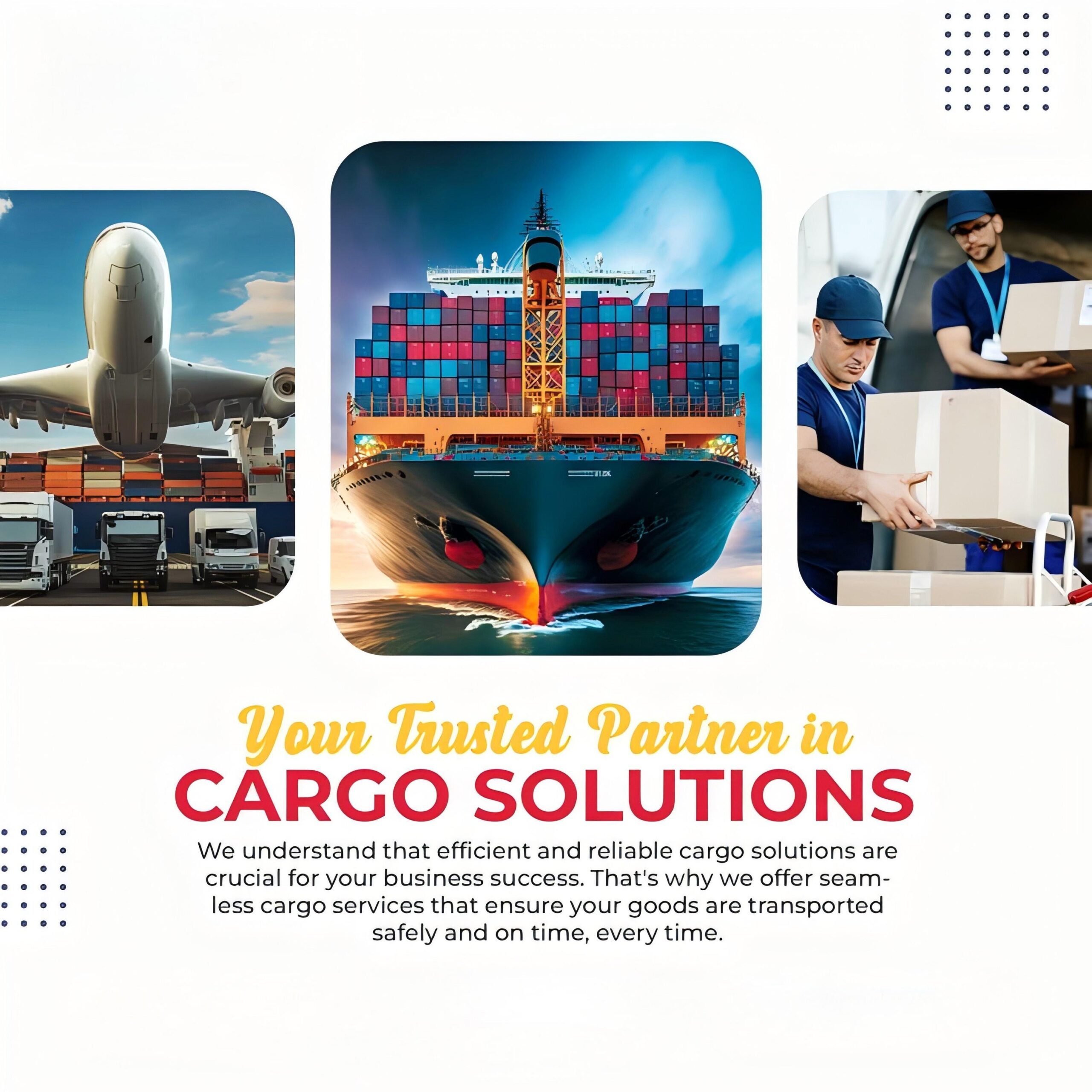
Air Freight vs. Professional Express Shipping
Air freight balances speed and cost for many shipments. It is faster than sea freight but slower and less premium than express, often taking 5-10 days.
Conversely, express shipping uses integrated networks for direct, rapid transit (2-5 days). While more expensive, it guarantees priority handling and faster delivery schedules for urgent goods.
Sea Freight vs. Express Shipping
Sea freight is most cost-effective for large volumes or heavy cargo. However, transit times from Shenzhen to Canada range from 25-45 days. This method suits when speed is not a primary concern.
In contrast, express shipping is significantly faster but at a higher price. It is impractical for very large, non-urgent shipments due to cost. Therefore, sea freight serves as a viable alternative for bulk goods.
Hybrid Solutions for Optimized Efficiency
Sometimes, combined methods offer optimal solutions. Sea-air combinations might ship by sea to Vancouver, then air to an inland city. This balances cost and speed effectively.
These hybrid approaches reduce transit time compared to pure sea freight, yet are more economical than pure express. Businesses should explore these for complex supply chains, providing flexibility and savings.
Navigating Canadian Customs and Import Regulations
Successfully importing goods into Canada requires understanding customs procedures. Incorrect documentation or non-compliance leads to delays and penalties. Therefore, preparation is key.
Furthermore, CBSA enforces strict rules on prohibited items, valuation, and classification. Businesses must ensure shipments adhere to all Canadian import requirements. This prevents unforeseen complications.
Required Documentation for Express Shipments
Accurate documentation is paramount for seamless customs. Key documents include Commercial Invoice, Packing List, and Air Waybill. These are essential for rapid processing.
Additionally, product-specific permits or licenses might be required. Always verify specific requirements for your cargo type to avoid delays.
Understanding Duties, Taxes, and Tariffs
Imported goods to Canada are subject to various duties and taxes, including GST/HST. Duty rates vary significantly by product and origin. These costs directly impact total landed cost.
Moreover, declared valuation impacts payable duties and taxes. Misdeclaration leads to fines and delays. Therefore, accurate valuation is critical for compliance.
The Role of a Professional Customs Broker
Engaging a professional customs broker is highly advisable for Canadian imports. Brokers possess expert knowledge of tariffs, regulations, and documentation. Consequently, they streamline clearance.
A broker ensures compliance, calculates duties accurately, and expedites goods release. This service minimizes delays and avoids costly errors, offering invaluable assistance.
Choosing the Right Express Shipping Partner from Shenzhen
Selecting a reliable logistics partner is crucial for successful professional express shipping from Shenzhen to Canada. The right forwarder impacts transit times, costs, and service quality. Therefore, due diligence is essential.
Consider their reputation, experience, and network. A seasoned partner offers tailored solutions and proactive communication. This ensures your cargo is handled efficiently and securely.
Experience and Network Coverage
A reputable forwarder has extensive experience in the China-Canada trade lane. They possess a robust network of carriers and agents. This ensures smooth operations from origin to destination.
Furthermore, established relationships can lead to better rates and preferential service. An extensive network translates to greater flexibility and resilience in managing challenges. This expertise is invaluable.
Advanced Technology and Real-time Tracking
Modern logistics demands sophisticated technology. A good partner offers advanced tracking systems providing real-time updates. This transparency is vital for supply chain management.
Additionally, digital platforms for booking, documentation, and communication enhance efficiency. Such capabilities provide greater control and visibility over express cargo. This proactive approach ensures peace of mind.
Value-Added Services for Comprehensive Solutions
Beyond basic transportation, look for partners offering value-added services. These include warehousing, consolidation, cargo insurance, and specialized handling. These optimize your logistics.
Moreover, a partner offering door-to-door delivery provides a seamless, end-to-end solution. This eliminates multiple intermediaries, simplifying the shipping process. This integrated approach saves time and reduces complexity.

Real-World Express Shipping Scenarios to Canada
Understanding express shipping in practice illustrates its benefits and challenges. Here are case studies demonstrating typical scenarios from Shenzhen to Canada. These highlight practical application of express services.
These scenarios showcase various cargo types, sizes, and requirements. They provide insights into transit times, costs, and professional handling importance. Each case underscores efficient logistics planning value.
Case Study 1: Urgent E-commerce Order Fulfillment
An e-commerce retailer urgently shipped apparel samples from Shenzhen to Toronto for a campaign. Speed was paramount to meet tight launch deadlines. The express solution was ideal for this time-sensitive cargo.
| Detail | Description |
|---|---|
| Route | Shenzhen, China -> Toronto, Canada |
| Cargo | Fashion apparel samples, 0.5 CBM, 80 kg |
| Container | LCL 0.5 CBM (air cargo) |
| Shipping Details | Carrier/Service: Major express courier (e.g., DHL, FedEx), Port of Loading: Shenzhen Airport, Port of Discharge: Toronto Pearson Airport, Route Type: Direct Air Express |
| Cost Breakdown | Air Express Freight: $750 (approx. $9.38/kg), Origin Charges: $120 (handling, documentation), Destination Charges: $80 (brokerage, terminal), Customs & Duties (estimated): $150 (based on HS code), Total Landed Cost: $1,100 |
| Timeline | Booking to Loading: 1 day, Air Transit: 2 days, Customs Clearance: 1 day, Total Door-to-Door: 4 days |
| Key Insight | Speed was critical for a new product launch. The express service ensured timely delivery, allowing the client to meet their marketing schedule. Based on Q1 2025 market rates. |
Case Study 2: High-Value Electronics for Manufacturing
A Canadian manufacturer required specialized electronic components from Shenzhen to prevent production line shutdown in Montreal. High value and critical nature demanded secure, swift shipping. Premium express air freight was selected.
| Detail | Description |
|---|---|
| Route | Shenzhen, China -> Montreal, Canada |
| Cargo | Specialized electronic components, 0.2 CBM, 50 kg |
| Container | LCL 0.2 CBM (air cargo) |
| Shipping Details | Carrier/Service: Premium express service, Port of Loading: Shenzhen Airport, Port of Discharge: Montreal-Trudeau Airport, Route Type: Direct Air Express with priority handling |
| Cost Breakdown | Air Express Freight: $600 (approx. $12/kg), Origin Charges: $100, Destination Charges: $70, Customs & Duties (estimated): $100, Total Landed Cost: $870 |
| Timeline | Booking to Loading: 1 day, Air Transit: 2 days, Customs Clearance: 1 day, Total Door-to-Door: 4 days |
| Key Insight | High-value and delicate components required secure, fast transit to prevent production line stoppages. The express solution provided necessary reliability. Typical rates as of early 2025. |
Case Study 3: Time-Sensitive Medical Supplies
A Vancouver healthcare provider needed critical diagnostic kits from Shenzhen with a strict deadline. Medical supplies sensitivity necessitated fast, compliant shipping. Global express services were utilized.
| Detail | Description |
|---|---|
| Route | Shenzhen, China -> Vancouver, Canada |
| Cargo | Diagnostic kits, 0.8 CBM, 120 kg |
| Container | LCL 0.8 CBM (air cargo) |
| Shipping Details | Carrier/Service: Global express carrier, Port of Loading: Shenzhen Airport, Port of Discharge: Vancouver International Airport, Route Type: Direct Air Express |
| Cost Breakdown | Air Express Freight: $1,100 (approx. $9.17/kg), Origin Charges: $150, Destination Charges: $90 (brokerage, terminal), Customs & Duties (estimated): $200, Total Landed Cost: $1,540 |
| Timeline | Booking to Loading: 1 day, Air Transit: 3 days, Customs Clearance: 1 day, Total Door-to-Door: 5 days |
| Key Insight | Medical supplies demanded strict delivery schedules. The express service facilitated rapid, compliant delivery, critical for healthcare operations. Based on Q3 2024 market rates. |
Cost-Saving Strategies for Your Express Shipments
While express shipping can be costly, strategies help optimize expenses without compromising speed. Proactive planning and smart logistical choices are key. Therefore, businesses should explore these options.
Implementing these tactics leads to significant savings. Understanding freight rates allows efficient budget allocation. This ensures value for money in every shipment.
Optimizing Packaging and Declared Weight
Excessive packaging adds to both volumetric and actual weight. Streamlining packaging to be light and compact reduces costs. Therefore, consider durable, lightweight materials.
Accurately declaring weight and dimensions prevents surcharges and ensures fair pricing. Volumetric weight often applies. Optimizing this aspect directly impacts freight rates.
Consolidating Multiple Shipments
If you have multiple smaller packages destined for the same region, consolidating them can be more cost-effective. This reduces per-unit handling and administrative fees. Consequently, overall costs decrease.
A freight forwarder assists with consolidation services in Shenzhen. This strategy benefits e-commerce businesses with multiple suppliers. It streamlines logistics and lowers individual shipping costs.
Negotiating with Forwarders and Carriers
Building long-term relationships with a reliable freight forwarder can open doors to negotiated rates. High-volume shippers often qualify for discounts. Therefore, discuss anticipated shipping volume.
Moreover, comparing quotes from multiple providers ensures competitive pricing. Do not hesitate to negotiate terms and services. This proactive approach helps secure the best deal.
Market Trends and Future Outlook for China-Canada Express Shipping
The global logistics landscape evolves, impacting express shipping from Shenzhen to Canada. Trends suggest increasing demand for speed and reliability. Therefore, carriers invest in faster networks and advanced technologies.
Notably, e-commerce growth drives need for efficient last-mile delivery. Market data suggests sustained growth in cross-border express volumes. This indicates a robust future for time-sensitive cargo.
Impact of Digitalization on Logistics
Digitalization transforms the express shipping industry. Automated processes, AI-driven route optimization, and blockchain are prevalent. These innovations enhance efficiency and transparency.
Furthermore, digital platforms simplify booking, tracking, and customs declarations. This technological advancement improves user experience and reduces human error. Consequently, supply chain management becomes more agile.
Sustainability in Express Services
Emphasis on sustainable logistics practices is growing. Express carriers explore greener fuels and optimize routes to reduce carbon footprints. This responds to environmental concerns.
Businesses increasingly seek partners with strong sustainability initiatives. Choosing an eco-conscious forwarder aligns with CSR goals. This trend will continue shaping the industry.
Which Express Option Should You Choose for Your Shipments?
Deciding the best express shipping method depends on your business priorities. There is no one-size-fits-all solution. Therefore, careful evaluation of needs is essential for optimal results.
Consider the interplay between speed, cost, and cargo characteristics. This decision framework helps select the most appropriate service. Ultimately, balance efficiency with budgetary constraints.
Budget Priority: Cost-Effective Solutions
If minimizing shipping costs is primary, consider standard air freight over premium express for less urgent shipments. Also, explore consolidation. This significantly reduces per-unit expenditure.
For large volumes where speed is secondary, sea freight remains most economical. However, for express, optimizing packaging and negotiating rates are key. This ensures best value.
Speed Priority: Rapid Delivery Guarantees
When speed is absolutely critical, premium express services are the undisputed choice. These offer fastest transit times, often with guaranteed delivery. Therefore, they are ideal for urgent goods.
Look for direct routes and dedicated air cargo capacity. This minimizes transshipment and accelerates processing. Prioritizing speed means higher investment, but ensures critical deadlines are met.
Cargo Type Considerations: Specialized Handling
Cargo nature dictates the best shipping approach. Perishable goods, pharmaceuticals, or high-value electronics require specialized handling and temperature control. Express services can provide these.
Conversely, hazardous materials have strict regulations, requiring specific carriers or routes. Always communicate cargo’s exact nature. This ensures compliance and safe transit.
Volume Thresholds for Switching Methods
For very small packages (under 1 CBM or 100 kg), express courier services are typically most efficient. As volume increases, standard air freight becomes more cost-effective. Beyond 5-10 CBM, sea freight often provides superior value.
However, if urgency persists for larger volumes, a hybrid sea-air solution could be considered. Evaluating these thresholds helps businesses scale shipping strategies. This dynamic approach optimizes logistics.
Conclusion: Mastering Professional Express Shipping from Shenzhen to Canada
Navigating international logistics, especially professional express shipping from Shenzhen to Canada, demands expertise and a reliable partner. The benefits of speed, reliability, and comprehensive tracking make express services invaluable for time-sensitive cargo. Understanding factors influencing transit times, costs, and customs procedures is paramount.
By carefully evaluating your needs, exploring alternative options, and partnering with an experienced freight forwarder, businesses can optimize their supply chain. Ultimately, this ensures efficient, secure, and timely delivery of goods, fostering growth and customer satisfaction. Make informed decisions for your next shipment.