

Open Top FCL Transit Time for Machinery from China to France
“Shipping large or irregularly shaped machinery from China to France demands specialized logistics, particularly when utilizing Open Top Full Container Load (FCL) services. Understanding the typical transit time is crucial for effective supply chain planning and project management. This guide explores the various aspects influencing your delivery schedule and how Top China Forwarder can streamline this complex process.”
What is Open Top FCL Shipping and Why Choose It?
❖Open Top FCL (Full Container Load) shipping involves using a standard shipping container without a solid roof. Instead, it has a removable tarpaulin cover, allowing cargo to be loaded from the top by crane. This method is specifically designed for freight that is too tall or bulky to fit through the doors of a conventional container.
For example, heavy machinery, industrial equipment, or oversized components often exceed standard container height limits. Consequently, Open Top containers provide the necessary flexibility for vertical loading and secure transportation. They are essential for specialized cargo that requires careful handling.
Key Advantages for Oversized Cargo
Primarily, Open Top containers simplify the loading process for large items. Cranes can place machinery directly into the container, reducing handling risks and potential damage. Furthermore, the robust structure of an FCL container ensures dedicated space for your shipment, minimizing co-loading issues.
Additionally, this option offers enhanced protection compared to breakbulk shipping, as the cargo remains enclosed within the container walls. This enclosure safeguards against weather elements and potential theft during transit. Therefore, it is a preferred choice for valuable and sensitive machinery.
Typical Open Top FCL Transit Time for Machinery from China to France
❖The standard Open Top FCL transit time for machinery from China to France typically ranges from 28 to 38 days. This duration accounts for direct vessel routes between major Chinese ports and key French ports. However, several variables can influence this timeframe significantly.
For instance, the specific origin port in China and the final destination port in France play a crucial role. Moreover, vessel speed, carrier schedules, and potential transshipment points also contribute to the overall delivery schedule. It is vital to consider all these elements for accurate planning.
| Origin Port (China) | Destination Port (France) | Estimated Sea Transit Time | Notes |
|---|---|---|---|
| Shanghai | Le Havre | 30-35 days | Direct Service |
| Ningbo | Marseille | 32-38 days | Via Suez Canal, may involve transshipment |
| Shenzhen | Le Havre | 28-33 days | Often faster routes available |
| Qingdao | Marseille | 33-37 days | Good connectivity to Southern France |
Major Ports and Routes
In China, major loading ports include Shanghai, Ningbo, Shenzhen, and Qingdao. These ports offer extensive connectivity and frequent sailings to Europe. Conversely, the primary discharge ports in France are Le Havre and Marseille, which serve as crucial gateways for European imports.
Direct routes usually offer the fastest transit. However, some services may involve transshipment via major hubs like Singapore, Port Klang, or Colombo. While transshipment can sometimes reduce initial freight rates, it often adds several days to the total transit time due to waiting periods and re-loading processes.
Factors Influencing Your Shipping Schedule
❖Numerous factors can impact the ultimate Open Top FCL transit time for machinery from China to France. Understanding these elements is key to managing expectations and mitigating potential delays. Therefore, thorough preparation and communication are paramount for successful logistics.
Firstly, port congestion at either the origin or destination can cause significant delays. High volumes of cargo, labor shortages, or adverse weather conditions contribute to longer waiting times for vessel docking and cargo handling. This directly affects the overall delivery schedule.
Secondly, customs clearance procedures in both China and France are critical. Incomplete or incorrect documentation can lead to holds and inspections, adding days or even weeks to the process. Consequently, proper documentation is not merely a formality but a necessity for smooth transit.
Furthermore, carrier reliability and vessel capacity play a role. Some carriers offer faster services or more direct routes, while others may opt for slower, more cost-effective options. Seasonal demand also impacts available space and vessel frequency, influencing freight rates and transit times.
Seasonal Variations and Peak Seasons
Shipping demand experiences significant fluctuations throughout the year. For instance, before major holidays like Chinese New Year (January-February) and Golden Week (October), freight volumes surge. This leads to increased port congestion and higher freight rates.
Similarly, the peak shipping season from August to October often sees elevated demand as businesses prepare for year-end sales. Consequently, booking well in advance during these periods is highly recommended. Otherwise, you risk facing extended Open Top FCL transit time for machinery from China to France and inflated costs.
How Does Open Top FCL Compare to Other Shipping Options?
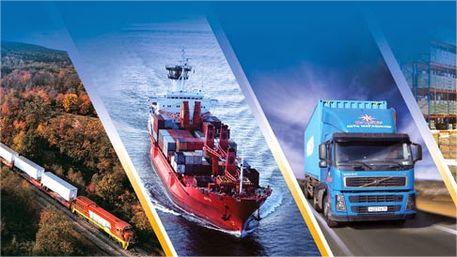
❖When transporting machinery from China to France, Open Top FCL via sea freight is a common choice, especially for oversized or heavy items. However, other viable shipping methods exist, each with distinct advantages and disadvantages. Evaluating these alternatives helps in selecting the most suitable option for your specific needs.
For example, air freight offers unparalleled speed but at a significantly higher cost. On the other hand, standard FCL sea freight is economical but might not accommodate all types of machinery. Rail freight provides a middle ground in terms of speed and cost for certain routes, especially for inland destinations in Europe.
| Shipping Method | Cost Range (40′ Container Equivalent) | Transit Time (China to France) | Best For | Limitations |
|---|---|---|---|---|
| Open Top FCL (Sea) | $3,500 – $6,000 | 28-38 days | Oversized, heavy, non-time-sensitive machinery | Slower transit, port congestion risks |
| Standard FCL (Sea) | $3,000 – $5,000 | 28-38 days | Standard-sized, heavy, non-time-sensitive machinery | Slower transit, height/width restrictions |
| LCL (Sea) | $50 – $100/CBM | 35-45 days | Smaller machinery, less than 15 CBM, flexible delivery | Longer transit, more handling, potential damage |
| Air Freight | $15,000 – $30,000 | 5-7 days | Urgent, high-value, lightweight machinery | Very high cost, volume/weight restrictions |
| Rail Freight | $8,000 – $12,000 | 18-25 days | Time-sensitive, heavy machinery for inland Europe | Limited routes, transshipment required at border, costlier than sea |
Cost Considerations for Open Top FCL Shipments
❖The overall shipping cost for Open Top FCL machinery from China to France involves more than just the ocean freight rate. Several components contribute to the total landed cost. Therefore, a comprehensive understanding of these charges is essential for accurate budgeting and financial planning.
Firstly, the ocean freight rate itself depends on current market conditions, carrier, route, and container type. Open Top containers often incur a slight premium due to their specialized nature and lower availability. Additionally, various surcharges like Bunker Adjustment Factor (BAF) and Currency Adjustment Factor (CAF) are applied by carriers.
Secondly, origin charges include terminal handling charges (THC), documentation fees, and local trucking from the factory to the port. Similarly, destination charges in France cover THC, customs clearance fees, and local delivery to your facility. Furthermore, import duties and taxes levied by French customs must be factored in, which can vary significantly based on the machinery type and origin.
Understanding Incoterms and Their Impact
Incoterms (International Commercial Terms) define the responsibilities of buyers and sellers for the delivery of goods. Choosing the right Incoterm significantly impacts who pays for what, and where the risk transfers. For instance, under FOB (Free On Board), the seller covers costs until the goods are loaded onto the vessel.
Conversely, DDP (Delivered Duty Paid) means the seller handles almost all costs and risks, including customs duties. Therefore, understanding these terms is crucial for managing your total shipping expenses and liabilities. Our customs brokerage experts can guide you through these complexities.
Navigating Customs and Documentation for France Imports
❖Efficient customs clearance is a critical step in ensuring a smooth Open Top FCL transit time for machinery from China to France. Any errors or omissions in documentation can lead to significant delays, penalties, and additional costs. Thus, meticulous preparation is non-negotiable.
French customs authorities require precise and complete paperwork to process imports. Furthermore, certain types of machinery may be subject to specific regulations, certifications, or inspections. Therefore, working with experienced professionals who understand both Chinese export and French import requirements is highly advisable.
Essential Documents Checklist
To facilitate customs clearance, you will typically need the following documents:
– Commercial Invoice: Detailed description of goods, value, and terms of sale.
– Packing List: Itemizes all contents, weights, and dimensions.
– Bill of Lading (B/L): The contract between the shipper and the carrier.
– Certificate of Origin: Proves the country where the goods were manufactured.
– Import License (if required): For restricted or controlled machinery.
– Technical Specifications/Manuals: May be requested for specific machinery types.
Ensuring all these documents are accurate and readily available will significantly expedite the customs process. Consequently, this minimizes potential disruptions to your delivery schedule.
Optimizing Your Supply Chain for Machinery Imports
❖Optimizing your supply chain is paramount to achieving efficient and cost-effective Open Top FCL transit time for machinery from China to France. This involves strategic planning, proactive communication, and leveraging expert logistics services. Indeed, a well-managed supply chain reduces risks and improves predictability.
Consider implementing a robust tracking system to monitor your shipment’s progress in real-time. This allows for prompt identification and resolution of any potential issues. Moreover, establishing strong relationships with reliable suppliers and logistics partners contributes significantly to overall efficiency and transparency.
Choosing a Reliable Freight Forwarder
Selecting an experienced freight forwarder is perhaps the most crucial decision for complex machinery shipments. A reputable forwarder possesses in-depth knowledge of international shipping regulations, customs procedures, and carrier networks. They can negotiate favorable freight rates and manage all aspects of your logistics.
For example, Top China Forwarder specializes in challenging cargo, including oversized machinery. We offer comprehensive services, from origin pickup to door-to-door solutions in France. Our expertise ensures a smoother, more predictable Open Top FCL transit time for machinery from China to France, allowing you to focus on your core business.
Real-World Case Studies: Machinery Transport to France
❖Examining actual shipping scenarios provides valuable insights into the practicalities of transporting machinery. These case studies highlight typical challenges, costs, and the Open Top FCL transit time for machinery from China to France.
Please note: Freight rates are subject to change based on fuel costs, carrier capacity, and seasonal demand. Contact us for a current quote tailored to your specific shipment.
Case Study 1: Large CNC Machine to Lyon
This case involved a large CNC milling machine, too tall for a standard container. The client required reliable transit for this valuable piece of equipment.
Key Insight: Careful planning with an experienced forwarder ensured all specialized handling and documentation were managed efficiently, preventing delays at both ends.
| Detail | Description |
|---|---|
| Route | Shanghai, China -> Lyon, France |
| Cargo | CNC Milling Machine, 28 CBM, 12,000 kg |
| Container | 1 x 40′ Open Top FCL |
| Shipping Method | Sea Freight (Open Top FCL) |
| Carrier/Service | Major carrier (e.g., COSCO) |
| Port of Loading | Shanghai |
| Port of Discharge | Le Havre, then rail to Lyon |
| Route Type | Direct sea route with inland transit |
| Ocean Freight | $4,100 (Based on Q3 2024 market rates) |
| Origin Charges | $450 |
| Destination Charges | $600 (includes port to rail transfer) |
| Customs & Duties (estimated) | $1,800 |
| Total Landed Cost (approx) | $6,950 |
| Booking to Loading | 5 days |
| Sea Transit | 32 days |
| Customs Clearance | 3 days |
| Inland Transit (Le Havre to Lyon) | 4 days |
| Total Door-to-Door | 44 days |

Case Study 2: Industrial Press to Marseille
An industrial press, with exceptional width and height, needed secure transport. The client prioritized avoiding damage and adhering to a production timeline.
Key Insight: Selecting the right vessel and ensuring proper lashing and securing within the Open Top container was paramount. This minimized movement and risk during the long sea journey.
| Detail | Description |
|---|---|
| Route | Ningbo, China -> Marseille, France |
| Cargo | Hydraulic Press, 35 CBM, 18,000 kg |
| Container | 1 x 40′ Open Top FCL |
| Shipping Method | Sea Freight (Open Top FCL) |
| Carrier/Service | Major carrier (e.g., MSC) |
| Port of Loading | Ningbo |
| Port of Discharge | Marseille |
| Route Type | Transshipment via Colombo |
| Ocean Freight | $4,800 (Typical rates as of early 2025) |
| Origin Charges | $500 |
| Destination Charges | $550 |
| Customs & Duties (estimated) | $2,200 |
| Total Landed Cost (approx) | $8,050 |
| Booking to Loading | 7 days |
| Sea Transit | 38 days |
| Customs Clearance | 4 days |
| Total Door-to-Door | 49 days |
Case Study 3: Semi-Assembled Production Line to Paris
This shipment involved several components of a production line, some requiring Open Top containers, others standard FCL. Coordination was essential for simultaneous arrival.
Key Insight: Consolidated planning and a single point of contact for both Open Top and standard FCL containers simplified logistics. This ensured synchronized delivery and installation scheduling.
| Detail | Description |
|---|---|
| Route | Shenzhen, China -> Paris, France |
| Cargo | Semi-assembled Production Line, 1 x 40′ OT, 1 x 40′ HQ, 45 CBM, 25,000 kg |
| Container | 1 x 40′ Open Top FCL, 1 x 40′ HQ FCL |
| Shipping Method | Sea Freight (Mixed FCL) |
| Carrier/Service | Major carrier (e.g., Maersk) |
| Port of Loading | Shenzhen |
| Port of Discharge | Le Havre |
| Route Type | Direct sea route with inland trucking |
| Ocean Freight (OT + HQ) | $7,500 (Industry average for this route, Q1 2025) |
| Origin Charges | $900 |
| Destination Charges | $1,100 (includes trucking to Paris) |
| Customs & Duties (estimated) | $3,500 |
| Total Landed Cost (approx) | $13,000 |
| Booking to Loading | 6 days |
| Sea Transit | 30 days |
| Customs Clearance | 3 days |
| Inland Transit (Le Havre to Paris) | 2 days |
| Total Door-to-Door | 41 days |
Which Shipping Option Should You Choose? A Decision Framework
❖Selecting the optimal shipping method for your machinery from China to France depends on a few critical considerations. Evaluating your priorities will guide you towards the most suitable and cost-effective solution. This framework helps in making informed decisions for your logistics strategy.
If budget is your primary concern, and your machinery is not time-sensitive, sea freight services, particularly Open Top FCL, are generally the most economical. This method offers significant cost savings compared to air or rail. Therefore, it is ideal for large and heavy shipments to shipping to Europe.
Conversely, if speed is paramount, air freight is the undisputed choice, despite its higher cost. For a balance between speed and cost, especially for inland European destinations, rail freight can be a compelling alternative. It offers faster transit than sea freight while remaining more affordable than air.
Finally, cargo type is a decisive factor. For oversized, tall, or heavy machinery, Open Top FCL is often the only practical sea freight solution. For standard-sized, high-value, or urgent items, air freight might be preferable. Volume thresholds also play a role; for instance, LCL is suitable for smaller volumes, whereas FCL is always more cost-effective for larger shipments.
Conclusion: Master Your Machinery Shipments to France
Navigating the complexities of international machinery transport, especially concerning Open Top FCL transit time for machinery from China to France, requires meticulous planning and expert execution. From understanding transit variables to mastering customs documentation, every detail impacts your supply chain efficiency.
By choosing the right shipping method, leveraging experienced freight forwarders, and anticipating potential challenges, businesses can significantly streamline their logistics. Ultimately, a well-managed shipping process ensures your valuable machinery arrives on time and within budget, supporting your operational goals.
Ready to streamline your logistics?
Ready to transport your machinery from China to France with confidence? Contact us today for a tailored quote and expert guidance on Open Top FCL transit time for machinery from China to France. Our team is prepared to optimize your logistics and ensure a seamless shipping experience.
Request Quote