

Open Top FCL Sailing Schedule for Toys to Miami: Your Guide
Navigating the complexities of international shipping, especially for specialized cargo like toys, requires precise planning and reliable partners. When transporting oversized or uniquely shaped toys from China to Miami, understanding the Open Top FCL sailing schedule is crucial for efficient supply chain management. This comprehensive guide details everything you need to know about securing timely and cost-effective freight solutions for your toy imports.
What is Open Top FCL Shipping and Why is it Ideal for Toys?
Open Top Full Container Load (FCL) shipping involves using standard 20-foot or 40-foot containers that have a removable roof, typically covered by a tarpaulin. This specialized container type is designed for cargo that cannot be loaded through conventional container doors.
Indeed, its unique design makes it perfect for oversized or irregularly shaped items, which are common in the toy industry. For instance, large playhouses, ride-on cars, or bulky plush toys often exceed standard container door dimensions.
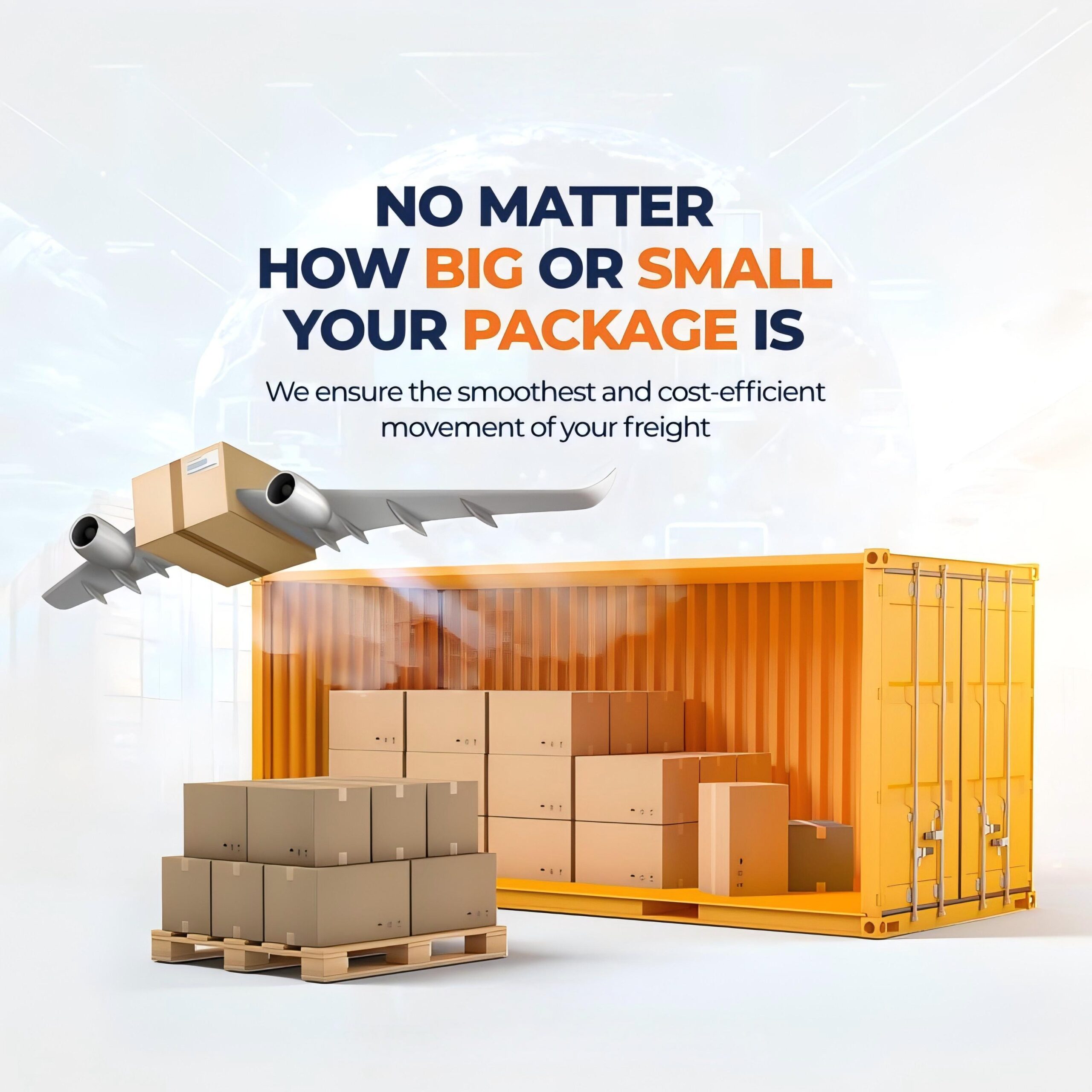
Furthermore, the open top allows for vertical loading by crane, simplifying the handling of heavy or awkward shipments. This method significantly reduces the risk of damage during the loading and unloading processes.
Consequently, many toy importers find Open Top FCL to be an indispensable solution. It ensures their valuable merchandise is transported securely and efficiently from manufacturing hubs in China to the bustling markets of Miami.
Moreover, despite its specialized nature, Open Top FCL maintains the benefits of FCL shipping, offering dedicated container space. This means your toys are not consolidated with other cargo, reducing transit risks and potential delays.
Navigating the Open Top FCL Sailing Schedule from China to Miami
Understanding the sailing schedule is paramount for effective inventory planning and meeting market demands. Sailing schedules from major Chinese ports to Miami are influenced by various factors, including carrier routes, vessel availability, and seasonal demand.
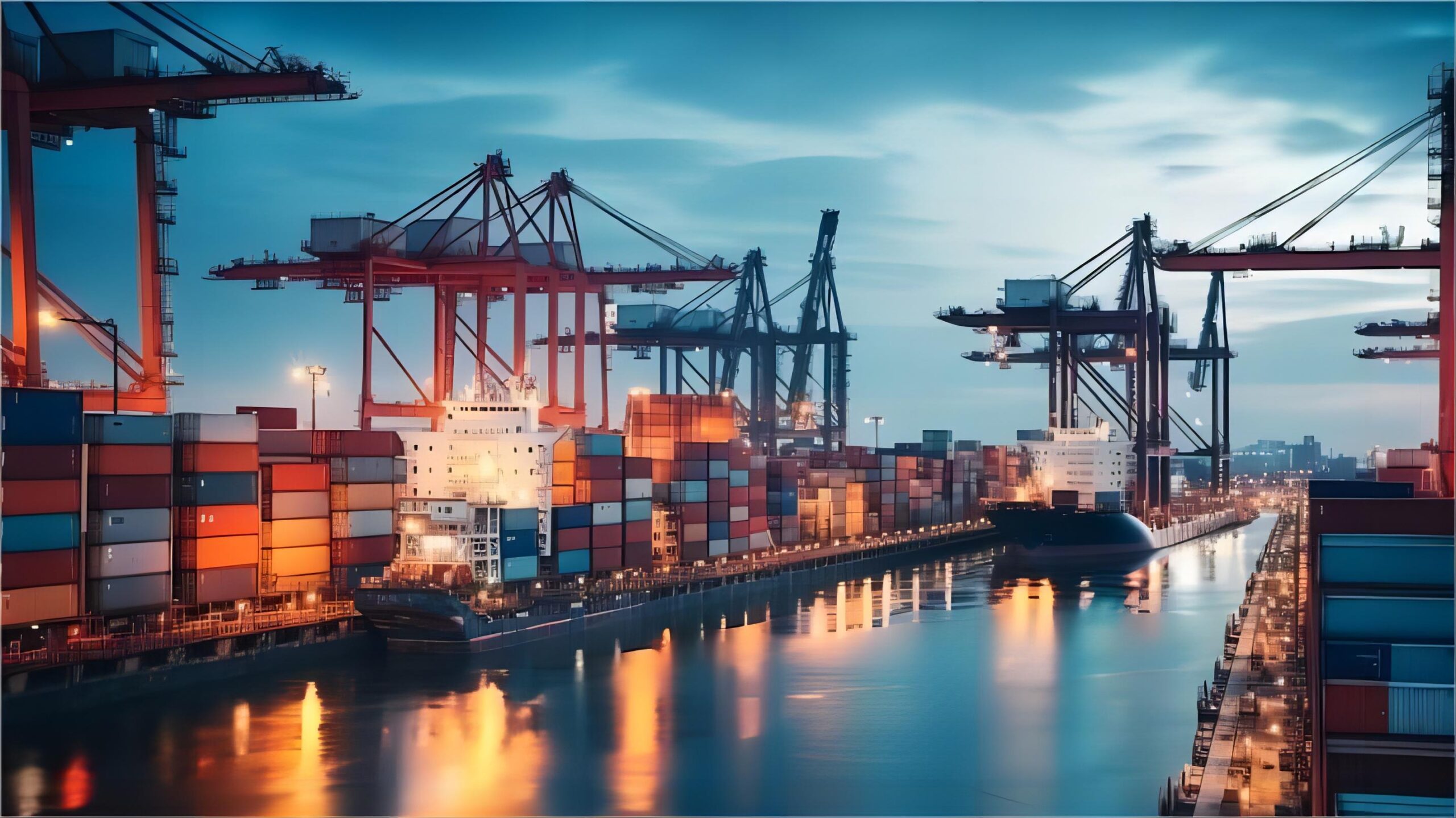
Typically, major carriers like COSCO, Maersk, MSC, and CMA CGM offer regular services. These services connect key Chinese ports such as Shanghai, Ningbo, Shenzhen, and Xiamen directly to Miami’s PortMiami.
However, direct services might have higher freight rates compared to routes involving transshipment. Transshipment routes, often via hubs like Panama or the Caribbean, can extend transit times but may offer cost savings.
Indeed, checking the latest Open Top FCL sailing schedule requires real-time data from freight forwarders. These schedules are dynamic, frequently updated due to port congestion, weather conditions, or changes in carrier capacity.
Therefore, partnering with an experienced freight forwarder is essential. They can provide accurate, up-to-date information, helping you plan your sea freight logistics effectively.
Key Chinese Ports and Miami Destination Considerations
Several major ports in China serve as primary loading points for shipments destined for Miami. Each port offers distinct advantages in terms of location, connectivity, and infrastructure.
For example, Shanghai is China’s largest port, offering extensive connections and frequent sailings. Ningbo-Zhoushan, another significant port, is known for its efficiency and handles a vast volume of cargo, including specialized containers.
Shenzhen, strategically located near major manufacturing zones in Southern China, is ideal for toys produced in the Pearl River Delta. Xiamen also provides good connectivity, especially for goods from Fujian province.
Upon arrival, PortMiami, often referred to as the ‘Cruise Capital of the World,’ is also a vital cargo gateway to the southeastern United States and Latin America. Its modern facilities are well-equipped to handle various cargo types, including Open Top containers.
Consequently, understanding the capabilities and typical congestion levels of both origin and destination ports is crucial. This knowledge helps in accurately estimating transit times and potential delays for your toy imports.
| Chinese Port | Primary Advantages | Typical Transit Time to Miami (Days) |
|---|---|---|
| Shanghai | Largest port, extensive global connections | 30-35 |
| Ningbo | High efficiency, strong manufacturing base | 30-35 |
| Shenzhen | Near Pearl River Delta manufacturing, frequent sailings | 32-37 |
| Xiamen | Good connectivity for Fujian region | 33-38 |
Transit Times, Costs, and Freight Rates for Toy Shipments
Determining the exact transit time and shipping costs for an Open Top FCL shipment from China to Miami involves several variables. These factors include the chosen carrier, specific route, and current market conditions.
Typically, direct sea transit from major Chinese ports to Miami ranges from 30 to 35 days. However, routes involving transshipment can extend this to 35-45 days, depending on the transshipment port and waiting times.
Open Top FCL freight rates are influenced by global demand, fuel surcharges, and container availability. As of Q1 2025, rates for a 40HQ Open Top container from China to the USA East Coast generally range from $4,800 to $6,500.
This cost includes the base ocean freight but excludes various origin and destination charges. Origin charges may include terminal handling, documentation, and drayage to the port.
Destination charges typically cover terminal handling, customs clearance, and local delivery in Miami. It’s important to obtain a comprehensive quote that details all these components to avoid unexpected expenses.
Note: Freight rates are subject to change based on fuel costs, carrier capacity, and seasonal demand. Contact us for a current quote tailored to your specific shipment.
Essential Documentation and Customs Clearance for Toys to Miami
Proper documentation is critical for smooth customs clearance of toys entering Miami. Inaccurate or incomplete paperwork can lead to significant delays and additional costs.
Key documents include the Commercial Invoice, Packing List, Bill of Lading (B/L), and potentially a Certificate of Origin. Furthermore, specific certifications like ASTM F963 (Standard Consumer Safety Specification for Toy Safety) are mandatory for toys imported into the US.
The US Customs and Border Protection (CBP) strictly enforces safety and labeling regulations for toys. Therefore, ensuring compliance with these standards before shipment is paramount. This proactive approach helps prevent product recalls or import detentions.
Moreover, working with an experienced customs brokerage service is highly recommended. They can navigate the complexities of US import regulations, ensuring all duties and taxes are correctly calculated and paid.
This expertise minimizes the risk of compliance issues, allowing your toy shipments to clear customs efficiently and proceed to their final destination without undue delay. Therefore, choose your customs broker wisely.
How Does Open Top FCL Compare to Other Shipping Options?
When importing toys from China to Miami, several shipping methods are available, each with distinct advantages and disadvantages. Understanding these alternatives helps in making informed decisions for your specific cargo.
While Open Top FCL is excellent for oversized items, other options might be more suitable depending on the cargo’s size, urgency, and budget. Here’s a comparison to help you choose the best approach.
| Shipping Method | Cost Range (40HQ equivalent) | Transit Time (China to Miami) | Best For | Limitations |
|---|---|---|---|---|
| Open Top FCL | $4,800 – $6,500 | 30-45 days | Oversized, heavy, or top-loading toys | Higher equipment costs, slower than air |
| Standard FCL | $4,500 – $6,000 | 30-45 days | Standard-sized, high-volume toy shipments | Cannot accommodate oversized items |
| LCL | $50 – $80 per CBM | 35-50 days | Small volumes of standard-sized toys | Longer transit, more handling, not for oversized |
| Air Freight | $20,000 – $30,000+ | 5-7 days | Urgent, high-value, low-volume toy shipments | Very high cost, volume/weight restrictions |
Open Top FCL vs. Standard FCL
Standard FCL (Full Container Load) is the most common method for larger shipments. It uses fully enclosed containers, loaded through the end doors. This method is generally more cost-effective than Open Top FCL for cargo that fits through standard container openings.
However, for items like large outdoor playsets or bulky plastic toys that require top-loading, standard FCL is simply not viable. The specialized nature of Open Top containers often results in slightly higher equipment and handling charges.
Open Top FCL vs. LCL (Less than Container Load)
LCL shipping combines multiple smaller shipments from different consignees into one container. This can be a cost-effective option for smaller volumes of toys that do not justify a full container.
Nevertheless, LCL is generally unsuitable for oversized items requiring an Open Top container. Furthermore, LCL shipments often experience longer transit times due to consolidation and deconsolidation processes, which can be a drawback for time-sensitive toy releases.
For shipments under 15 CBM, LCL at $50-80/CBM may be more economical than a full container. However, for anything larger or requiring special handling, FCL becomes more competitive.
Open Top FCL vs. Air Freight
Air freight offers significantly faster transit times, typically 5-7 days from China to Miami. This speed is invaluable for urgent toy releases, seasonal trends, or high-value, low-volume items.
However, the cost of air freight is substantially higher than sea freight. While sea freight for a 40HQ Open Top might cost $4,800-$6,500, air freight for the same volume (if feasible) could easily cost $20,000-$30,000 or more.
Consequently, air freight is generally reserved for situations where speed outweighs cost considerations. For the majority of bulk toy imports, sea freight remains the most economical choice.
Decision Framework: Which Option Should You Choose?
Choosing the right shipping method depends on your specific priorities and cargo characteristics. Consider these factors:
Budget Priority: If cost-effectiveness is your main concern, Open Top FCL (for oversized items) or standard FCL (for regular-sized items) is recommended. LCL for very small volumes.
Speed Priority: For urgent shipments, air freight is the undisputed choice, despite its higher cost. Hybrid solutions like sea-air can offer a middle ground for some routes.
Cargo Type Considerations: For oversized, heavy, or irregularly shaped toys, Open Top FCL is often the only viable sea freight option. For standard boxed toys, standard FCL is best.
Volume Thresholds: If your shipment volume is less than 15 CBM, LCL might be more economical. For volumes above this, FCL usually provides better value and dedicated space.
Case Studies: Successful Open Top FCL Shipments to Miami
These real-world examples illustrate the practical application of Open Top FCL shipping for toys from China to Miami, showcasing typical challenges and solutions.
Case Study 1: Large Outdoor Play Equipment
This case involved a manufacturer of large plastic outdoor play equipment requiring specialized handling. The client needed to ensure timely delivery for the spring sales season.
| Detail | Description |
|---|---|
| Route | Ningbo, China -> Miami, USA |
| Cargo | Large plastic slides and swings, 60 CBM, 4,500 kg |
| Container | Two 40HQ Open Top |
| Shipping Details | Carrier: MSC, Port of Loading: Ningbo, Port of Discharge: Miami, Route Type: Direct |
| Cost Breakdown | Ocean Freight: $10,500 (2x40HQ), Origin Charges: $1,200, Destination Charges: $1,500, Customs & Duties (estimated): $800, Total Landed Cost: $14,000 |
| Timeline | Booking to Loading: 5 days, Sea Transit: 32 days, Customs Clearance: 3 days, Total Door-to-Door: 40 days |
| Key Insight | Early booking during Q4 peak season secured container space, mitigating potential delays. Vertical loading expedited the process. |

Case Study 2: Bulky Plush Toys and Stuffed Animals
A distributor of oversized plush toys faced challenges with standard container loading due to the items’ bulkiness. Open Top FCL provided the necessary flexibility.
| Detail | Description |
|---|---|
| Route | Shanghai, China -> Miami, USA |
| Cargo | Assorted giant plush toys, 55 CBM, 3,000 kg |
| Container | One 40HQ Open Top |
| Shipping Details | Carrier: COSCO, Port of Loading: Shanghai, Port of Discharge: Miami, Route Type: Transshipment via Panama |
| Cost Breakdown | Ocean Freight: $5,200 (1x40HQ), Origin Charges: $700, Destination Charges: $850, Customs & Duties (estimated): $550, Total Landed Cost: $7,300 |
| Timeline | Booking to Loading: 7 days, Sea Transit: 38 days, Customs Clearance: 4 days, Total Door-to-Door: 49 days |
| Key Insight | Choosing a transshipment route offered cost savings despite slightly longer transit. Careful packaging reduced volume. |
Case Study 3: Ride-On Electric Cars for Kids
This shipment involved several pallets of unassembled ride-on electric cars, which were too tall for standard containers once palletized.
| Detail | Description |
|---|---|
| Route | Shenzhen, China -> Miami, USA |
| Cargo | Ride-on electric cars (palletized), 48 CBM, 3,800 kg |
| Container | One 40HQ Open Top |
| Shipping Details | Carrier: Maersk, Port of Loading: Shenzhen, Port of Discharge: Miami, Route Type: Direct |
| Cost Breakdown | Ocean Freight: $5,800 (1x40HQ), Origin Charges: $750, Destination Charges: $900, Customs & Duties (estimated): $600, Total Landed Cost: $8,050 |
| Timeline | Booking to Loading: 6 days, Sea Transit: 34 days, Customs Clearance: 3 days, Total Door-to-Door: 43 days |
| Key Insight | Securing a direct service was prioritized to minimize handling and ensure faster delivery. Pre-clearance arrangements sped up customs. |
Optimizing Your Supply Chain for Toy Imports to Miami
Effective supply chain management is crucial for businesses importing toys. It involves more than just finding the right container; it encompasses strategic planning from factory to final delivery.
Consider implementing robust inventory management systems to align with Open Top FCL sailing schedules. This proactive approach helps in avoiding stockouts or excessive inventory.
Additionally, explore door to door services offered by freight forwarders. These comprehensive solutions handle all aspects, from factory pickup in China to final delivery in Miami, simplifying your logistics operations.
Furthermore, always factor in potential disruptions such as port congestion, customs inspections, or unforeseen delays. Building buffers into your timeline is a prudent strategy to maintain delivery schedules.
Regular communication with your freight forwarder is also vital. They can provide updates on vessel movements, potential issues, and alternative solutions, ensuring transparency throughout the shipping process.
Moreover, leveraging technology for tracking shipments allows for real-time visibility. This enables quick responses to any changes, ensuring your specialized toy cargo reaches its destination efficiently.
Market Trends and Future Outlook for China-Miami Toy Shipping
The global logistics landscape is constantly evolving, with several trends impacting the Open Top FCL sailing schedule for toys from China to Miami. Staying informed is key to long-term success.
As of early 2025, freight rates from China to the USA East Coast have stabilized after periods of volatility. However, geopolitical events and fuel price fluctuations continue to pose potential risks.
The demand for specialized containers like Open Top FCL is steadily increasing, especially for industries producing larger consumer goods. This growing demand can sometimes lead to equipment shortages during peak seasons.
Sustainability is also becoming a significant factor in logistics. Importers are increasingly seeking partners who offer environmentally friendly shipping options, influencing carrier choices.
Furthermore, advancements in port automation and logistics technology are continuously improving efficiency and reducing turnaround times at both Chinese and US ports. These improvements contribute to more reliable sailing schedules.
Consequently, businesses should look for freight forwarders that embrace these trends. A forward-thinking logistics partner can offer innovative solutions and adapt to market changes, ensuring consistent service for your toy imports.
Conclusion: Securing Your Open Top FCL Sailing Schedule for Toys to Miami
Successfully importing toys, especially oversized items, from China to Miami hinges on a thorough understanding of the <a href=”https://topchinaforwarder.com/services/sea-freight/”>Open Top FCL sailing schedule</a> and associated logistics. From selecting the right container and navigating customs to understanding freight rates and transit times, each step requires careful consideration.
By partnering with an experienced freight forwarder, you can ensure a seamless shipping experience. They provide crucial insights into market trends, manage complex documentation, and offer reliable solutions for your specialized cargo. This strategic collaboration ultimately optimizes your supply chain, leading to timely deliveries and reduced costs for your toy business.
Start Your Shipment
Ready to streamline your Open Top FCL shipments of toys from China to Miami? Contact us today for a personalized quote and expert advice on optimizing your logistics strategy. Our team is prepared to offer tailored solutions for your unique cargo needs.
Request Quote