

Table of Contents
Managing oversized or sensitive electronic products during long-haul shipments is challenging, especially when importers depend on predictable port operations and smooth container turnover. Therefore, more shippers now focus on efficient Open Top FCL detention prevention for electronics from China to Norway, as detention fees continue to rise across European ports. With structured planning, early documentation, and professional support from partners like Top China Forwarder, importers can significantly reduce risk and maintain delivery schedules for high-value electronics.
Why Does Detention Happen So Often with Open Top FCL Shipments?
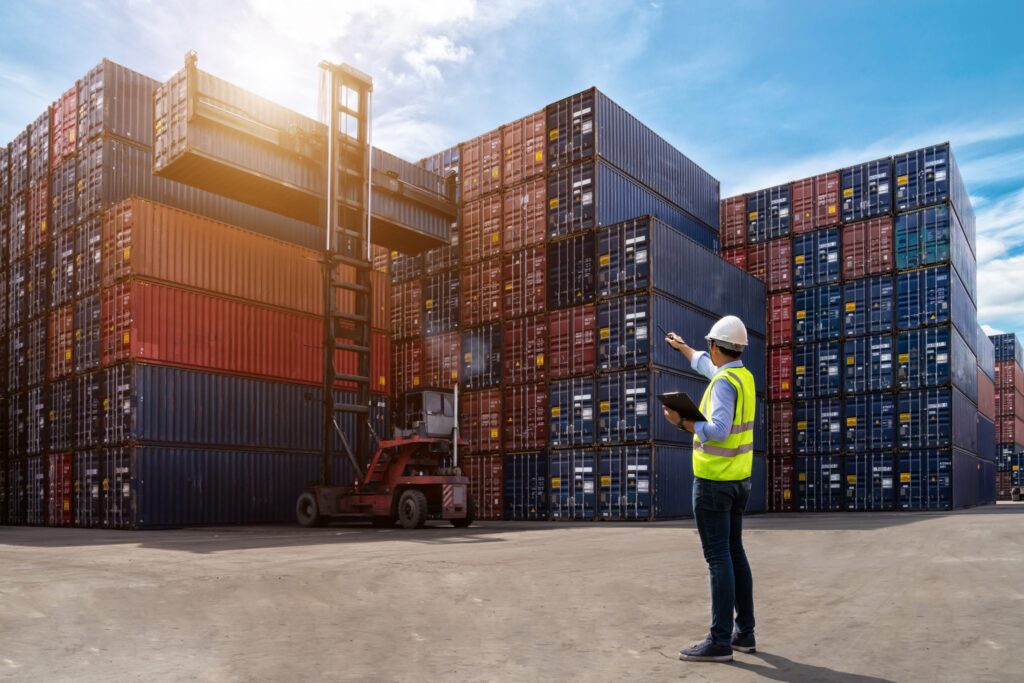
Although detention can occur with any container type, Open Top containers face increased exposure because they usually carry out-of-gauge electronics such as industrial servers, automation machines, battery modules, high-power converters, and factory control panels. Moreover, Norwegian customs apply strict safety and material-verification procedures, especially for electronics with lithium components. Consequently, delays often occur when:
- The shipper submits incomplete documentation
- The consignee is not ready for immediate pickup
- Carriers enforce shorter free-time windows
- Weather conditions slow down cargo handling
- Oversized cargo requires special lifting equipment
Additionally, because Norway’s ports like Oslo and Bergen have limited heavy-lift resources, congestion frequently increases detention risk for Open Top units.
What Are the Main Risk Factors for Detention in China → Norway Electronics Shipping?
Several factors influence the possibility of detention charges:
- Incorrect HS codes for electronic machinery
- Missing cargo-value declarations
- Inconsistent packing lists for multiple components
- Delayed customs paperwork
- Unplanned inspection requests
- Slow drayage coordination in Norway
Furthermore, electronics often require additional checks such as EMC certification or product-safety compliance, which may extend port stays unless documents are properly prepared.
How Can Importers Build a Strong Framework for Detention Prevention?
A structured workflow significantly reduces detention exposure. Therefore, importers must incorporate the following actions:
Key workflow elements:
- Prepare commercial documents before vessel departure
- Validate HS codes and technical documents early
- Coordinate truck appointments well before ETA
- Share real-time updates with warehouses
- Confirm handling equipment availability at the destination
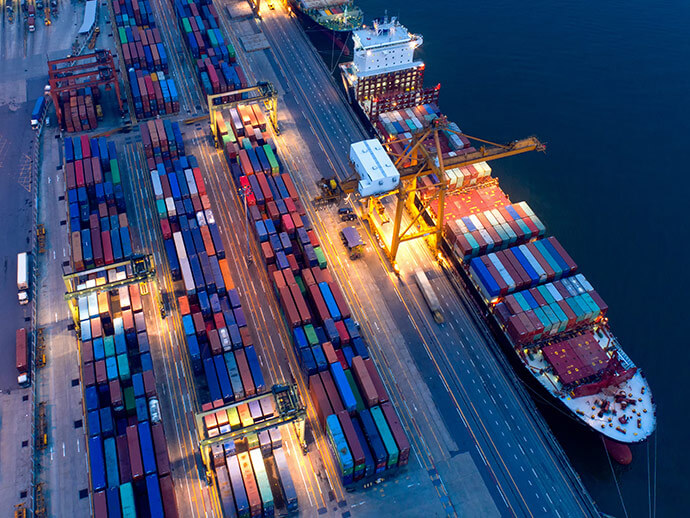
Moreover, companies that adopt integrated transport models such as sea freight solutions gain clearer visibility through weekly sailing updates and port-time forecasts.
Which Shipping Mode Offers More Predictability for Norway-Bound Electronics?
Although most oversized electronics rely on Open Top FCL, alternative modes can reduce risk when timing is critical.
Transport Mode Comparison
| Mode | Transit Time | Cost | Best Use Case | Detention Risk |
|---|---|---|---|---|
| Open Top FCL | 30–40 days | Medium | Oversized electronics | Medium |
| Air Freight | 3–7 days | High | Urgent & sensitive units | Low |
| LCL / Breakbulk | 35–50 days | Variable | Heavy machines | High |
Importers handling high-value automation systems sometimes choose air freight options for partial shipments while sending non-sensitive components in Open Top containers.
What Documentation Helps Reduce Inspection Delays in Norway?
Because Norway enforces strict rules for electronics, accurate documentation ensures the cargo clears faster.
Essential Documentation Checklist
| Document | Purpose | Notes |
|---|---|---|
| Commercial Invoice | Declares value | Must match PO description |
| Packing List | Component breakdown | Helpful for OOG cargo |
| HS Code Sheet | Classification | Must match system components |
| CE & EMC Certificates | Safety compliance | Required for many electronics |
| Origin Certificate | Trade compliance | Helps during customs queries |
Additionally, importers relying on professional customs brokerage support experience fewer clearance-related delays.
How to Improve Cargo Handling Efficiency for Open Top Electronics?
Proper stowage and securement help prevent re-inspections or loading adjustments.
Best practices include:
- Using high-strength lashing belts for heavy machinery
- Protecting sensitive electronics against moisture and snow
- Ensuring correct height declarations for Open Top cargo
- Submitting detailed lifting diagrams to carriers
- Coordinating forklift or crane availability in Norway
Furthermore, oversized machinery often requires synchronized pickup with heavy-haul teams, reducing idle time at port terminals.
Real Case Studies: Open Top Electronics Shipments
- Cargo: Automation control cabinets (over-height)
- Problem: Norwegian customs required extra safety documents
- Solution: Uploaded CE/EMC certifications before arrival
- Outcome: Cleared within free time, avoided NOK 4,000 of detention
- Cargo: Large power converters (OOG width)
- Issue: Truck arrival delayed due to snowstorm
- Action: Rebooked crane slot + early morning pickup
- Result: Container collected the same day, no detention fees
- Cargo: Server racks & electronic modules
- Challenge: Terminal congestion caused potential delays
- Fix: Prioritized unloading via pre-arranged handling team
- Impact: Cargo released in 6 hours, meeting installation schedule
Can Door-to-Door Coordination Prevent Detention Fees?
Yes. When both ends of the supply chain communicate continuously, detention risk decreases dramatically. Therefore, many importers adopt integrated door-to-door delivery service solutions to ensure:
- On-time arrival for trucks and lifting teams
- Pre-clearance of customs documents
- Early notification of terminal readiness
- Zero idle time for cargo pickup
Additionally, door-to-door operations reduce misalignment between warehouse schedules and port free-time periods.
What Role Does Weather and Port Congestion Play in Norway Detention?
Because Norway’s climate can be unpredictable, cargo-handling delays are common during snowfall, heavy rain, or low visibility. Moreover, ports like Oslo operate tighter receiving windows for oversized cargo, creating a higher risk of missed collection time unless truckers coordinate early.
Furthermore, seasonal demand spikes—especially in Q4—lead to port congestion and fewer available heavy-lift slots.
How Should Importers Manage Timeline Forecasting for Norway Shipments?
Forecasting ensures capacity availability and smoother handling.
Recommended forecasting methods:
- Track sailing schedules from China weekly
- Share purchase-order forecasts with forwarders
- Request early-port-arrival notifications
- Maintain backup transport routes
- Build a 3–5 day buffer during winter months
Additionally, the structured planning processes used in shipping from China to Norway help importers anticipate seasonal adjustments.
Conclusion
Effective Open Top FCL detention prevention for electronics from China to Norway requires accurate documentation, well-planned handling procedures, proactive communication, and reliable multimodal scheduling. Because oversized electronics demand precise coordination at both origin and destination, importers must partner with experienced logistics providers to minimize risk. By improving forecasting, coordinating door-to-door operations, and managing port timelines strategically, businesses can protect shipping budgets and ensure uninterrupted supply-chain flow into Norway.
Need a quote?
Ready to get started? Contact us now to request a free shipping quote.
Frequently Asked Questions (FAQ)
Why do electronics face stricter inspections in Norway?
Norway enforces strict electrical and safety regulations, so electronics often require documentation checks that can delay pickup.
How early should I arrange truck appointments for Open Top cargo?
Scheduling 2–4 days before ETA significantly reduces detention risk.
Does oversized electronics shipping always require Open Top containers?
Not always—some cargo fits flat rack or high-cube units depending on dimensions.
Can port congestion in Norway cause detention fees?
Yes, congestion limits crane and forklift availability, delaying pickup.
How can I avoid documentation-related delays?
Ensure HS codes, CE certificates, and lifting diagrams are complete before vessel departure.