

Open Top FCL Booking for Textiles: China to Europe Guide
Shipping oversized or heavy textile products from China to Europe presents unique logistical challenges. Understanding the Open Top FCL booking process for textiles from China to Europe is crucial for efficient and cost-effective delivery. This comprehensive guide details every step, ensuring your textile cargo reaches its destination smoothly. Consequently, it helps importers streamline their supply chain and avoid common pitfalls.
What is Open Top FCL and Why is it Ideal for Textiles?
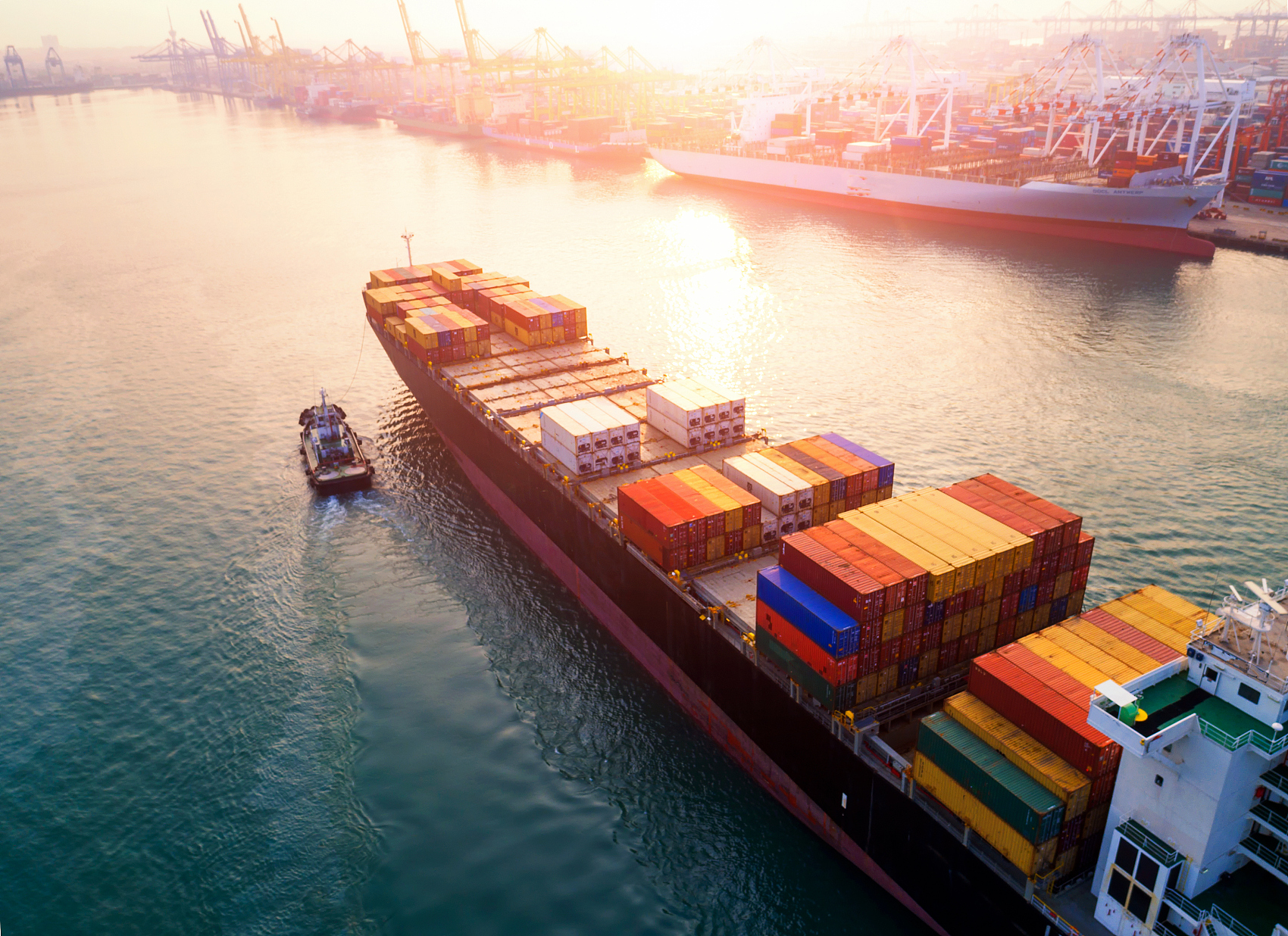
Open Top Full Container Load (FCL) refers to a standard shipping container with a removable or convertible top. This top is typically covered by a tarpaulin, allowing for convenient loading of oversized cargo from above using cranes. Such a design is indispensable for specific types of textile products.
Furthermore, textiles often come in large rolls, bulky machinery for textile production, or irregularly shaped finished goods. These items frequently exceed the height or width of standard container doors. Therefore, utilizing an open top container simplifies the loading process significantly, preventing potential damage during forced entry.
Benefits of Open Top FCL for Textile Shipments
Indeed, Open Top FCL offers several distinct advantages for shipping textiles. Primarily, it facilitates easy loading and unloading of tall or heavy items, which is ideal for large fabric rolls or industrial sewing machines. Moreover, this method reduces handling time and minimizes the risk of damage during transit.
Additionally, it provides flexibility for cargo that might slightly exceed standard container dimensions. Although the top is open, the tarpaulin cover offers crucial protection from weather elements during transit. Therefore, it is a secure and practical option for many textile importers seeking efficient logistics from China to Europe.
Types of Textiles Requiring Open Top Containers
Certain textile products inherently require the specialized handling that Open Top FCL provides. For instance, very large diameter fabric rolls, such as those used for industrial carpeting or geo-textiles, often exceed the height of a standard container door. Likewise, large volumes of compressed textile waste for recycling might be easier loaded from the top.
Moreover, textile machinery parts or entire production units, which are frequently tall or wide, are perfectly suited for open top containers. These items cannot be pushed through a standard door. Consequently, the ability to lift them directly into the container from above becomes a critical logistical advantage, ensuring smooth sea freight operations.
The Step-by-Step Open Top FCL Booking Process
Successfully navigating the Open Top FCL booking process for textiles from China to Europe requires careful planning and coordination. This involves several critical stages, from initial inquiry to final delivery. Understanding each step helps streamline your supply chain and avoids costly delays or complications.
Ultimately, a well-managed booking process ensures that your textile cargo is handled professionally. Furthermore, it guarantees compliance with all shipping regulations. Here is a detailed breakdown of the typical steps involved, designed to provide clarity for importers.
Step 1: Requesting a Quote and Preparing Documentation
Initially, you must provide your freight forwarder with precise details about your textile shipment. This includes cargo dimensions, weight, commodity type (textiles), origin and destination ports, and desired shipping date. Accuracy in these details is paramount for obtaining an accurate freight rate.
Subsequently, gather all necessary commercial documents, such as the commercial invoice, packing list, and any specific textile certifications. These documents are vital for customs declarations and smooth processing. Moreover, confirming the cargo’s ‘open top’ requirement early ensures the correct equipment is allocated, impacting your overall delivery schedule.
Step 2: Cargo Preparation and Loading Considerations
Once the booking is confirmed, focus on preparing your textile cargo for transit. For Open Top FCL, this often means ensuring proper packaging that can withstand ocean transport and potential weather exposure. Heavy-duty wrapping and securing methods are essential to prevent shifting.
Additionally, coordinate with the supplier for the loading operation. Since open top containers are loaded from above, appropriate lifting equipment, such as cranes, must be available. Proper lashing and securing inside the container are also critical to prevent movement and damage during the voyage, thereby safeguarding your goods.
Step 3: Customs Clearance and Transit
Upon loading, the container is sealed, and the vessel departs from the Chinese port. During transit, your freight forwarder handles the necessary customs declarations at both origin and destination. This involves submitting the prepared documentation to the respective customs authorities, a crucial part of the import/export process.
Indeed, efficient customs brokerage is vital to avoid delays. The transit time from China to Europe typically ranges from 28 to 35 days, depending on the specific ports and service route. Real-time tracking updates keep you informed about your shipment’s progress across the ocean.
Step 4: Destination Delivery
When the vessel arrives at the European port, the container undergoes destination customs clearance. After clearance, the container is discharged and prepared for onward transport. You can opt for port-to-port service or a comprehensive door to door solution, where the forwarder arranges final delivery.
Ultimately, the final mile delivery ensures your textiles reach their ultimate destination. Proper coordination at this stage is essential, especially for oversized cargo, to ensure suitable offloading equipment is available at your facility. This final step completes the complex journey of your textile shipment.
How Does Open Top FCL Compare to Other Shipping Options?
Choosing the right shipping method is paramount for cost-effectiveness and timely delivery, especially for textile imports from China to Europe. While Open Top FCL is excellent for specific textile needs, it is essential to understand its position relative to other freight options. This comparison helps importers make informed decisions based on their budget, urgency, and cargo characteristics.
Consequently, evaluating alternatives like standard FCL, LCL, air freight, and even rail freight provides a comprehensive perspective. Each method offers distinct advantages and limitations. Therefore, a thorough analysis ensures optimal logistics trends for your textile supply chain.
| Shipping Method | Cost Range (40HQ/CBM) | Transit Time (China-Europe) | Best For | Limitations |
|---|---|---|---|---|
| Open Top FCL | $3,000-4,200 | 28-35 days | Oversized, heavy, or tall textiles/machinery | Higher cost than standard FCL, specialized loading |
| Standard FCL (40HQ) | $2,800-3,800 | 28-35 days | Large volume, standard-sized textile goods | Cannot accommodate oversized cargo, requires forklift loading |
| LCL (Less than Container Load) | $50-80/CBM | 30-40 days | Small to medium textile shipments (<15 CBM) | Longer transit, higher risk of damage, more handling |
| Air Freight | $4-8/kg | 3-7 days | Urgent, high-value, small volume textile samples | Extremely high cost, limited capacity for bulk textiles |
| Rail Freight | $5,000-7,000 (40HQ) | 18-22 days | Time-sensitive, medium-high value textiles | Limited routes, higher cost than sea, less flexible |
Which Option Should You Choose? A Decision Framework
Selecting the optimal shipping method for your textiles depends on several key criteria. Importers must weigh their priorities carefully to ensure both cost-efficiency and supply chain reliability. This framework helps in making an informed choice for your specific textile import needs.
Accordingly, consider the following factors when deciding between Open Top FCL and other alternatives. Your decision will directly impact your overall shipping costs, delivery schedule, and cargo handling efficiency.
Budget Priority
If cost is your primary concern, standard FCL or LCL sea freight will typically be the most economical options for textiles. Open Top FCL is slightly more expensive due to specialized equipment. Air freight, conversely, is significantly more costly but offers unparalleled speed. Rail freight offers a mid-range solution for both cost and speed and faster transit.
Speed Priority
For urgent textile shipments, air freight is the clear winner, delivering in just a few days. Rail freight provides a faster alternative to sea freight, often cutting transit time by a week or more. However, Open Top FCL and standard FCL offer similar sea transit times, which are ideal for less time-sensitive but high-volume textile orders.
Cargo Type Considerations
Open Top FCL is specifically designed for textiles that are too tall or wide for standard containers. This includes large fabric rolls, industrial textile machinery, or bulky finished goods. For standard-sized, high-volume textiles, a regular FCL container is sufficient. LCL suits smaller volumes that do not fill an entire container, while air freight is best for samples or very light, high-value items.
Volume Thresholds for Switching Methods
For textile shipments under 15 CBM, LCL is generally more economical than FCL. However, once your volume exceeds this, a standard FCL often becomes more cost-effective. For oversized cargo, the unique dimensions dictate the need for Open Top FCL, regardless of volume, if it cannot fit otherwise. Always calculate the cost per CBM for different options.
Costs and Pricing for Open Top FCL Shipments from China to Europe
Understanding the cost structure for Open Top FCL textile shipments from China to Europe is vital for budget planning and effective supply chain management. Freight rates are dynamic, influenced by various global factors and market conditions. Therefore, obtaining a detailed quote from a reliable forwarder is always recommended.
As of Q1 2025, freight rates from China to Europe have stabilized after the 2024 Red Sea disruptions, though surcharges remain a consideration. Typical rates during this period are reflected below. However, rates typically increase 15-25% during August-October peak season, impacting overall shipping costs. Note: Freight rates are subject to change based on fuel costs, carrier capacity, and seasonal demand. Contact us for a current quote tailored to your specific shipment.
Key Factors Influencing Freight Rates
Several elements contribute to the final freight rates for Open Top FCL. These include the specific origin and destination ports, the shipping line chosen, and the current market demand and supply for containers. Additionally, fuel surcharges (BAF) and currency adjustment factors (CAF) can significantly impact the total cost.
Moreover, the type of textile commodity and its specific handling requirements might also affect pricing. Seasonal variations, such as Chinese New Year or peak shipping seasons, can lead to rate increases and limited capacity. Consequently, early booking is often advisable to secure better rates and space.
Typical Cost Breakdown
The total cost for an Open Top FCL shipment is a sum of various components. This includes the base ocean freight, origin charges (e.g., THC, documentation fees, customs clearance in China), and destination charges (e.g., THC, customs clearance in Europe, delivery to your warehouse).
Furthermore, insurance, any special handling fees for oversized cargo, and applicable duties and taxes in Europe must be factored in. A detailed breakdown helps you understand where your money is going and allows for better budget control. Based on current market rates, a 40HQ Open Top from China to Europe might range from $3,000 to $4,200 for ocean freight alone.
Navigating Customs and Regulations for Textile Imports to Europe
Importing textiles into Europe from China involves strict customs procedures and regulatory compliance. Understanding these requirements is essential to avoid delays, penalties, and ensure smooth entry for your goods. Proper documentation and adherence to EU standards are critical for success.
Therefore, working with an experienced freight forwarder is highly recommended. They can guide you through the complexities of EU import regulations, including specific textile directives and anti-dumping measures. Moreover, accurate declarations are paramount for efficient customs clearance.
Essential Documents for Textile Shipments
A comprehensive set of documents is required for customs clearance. These typically include the Commercial Invoice, Packing List, Bill of Lading (or Air Waybill), Certificate of Origin, and potentially a textile composition declaration. Additionally, any specific licenses or permits for certain textile types may be necessary.
Indeed, ensuring all documents are accurate and complete is crucial. Discrepancies can lead to significant delays and storage charges at the port. Therefore, meticulous preparation prevents potential issues during the import process, securing your delivery schedule.
| Document | Purpose | Requirement |
|---|---|---|
| Commercial Invoice | Details of goods, value, seller/buyer | Mandatory |
| Packing List | Details of cargo packaging, weight, dimensions | Mandatory |
| Bill of Lading (B/L) | Contract of carriage, title to goods | Mandatory |
| Certificate of Origin | Proves country of manufacture (e.g., China) | Often required for preferential tariffs |
| Textile Composition | Details fabric content (e.g., 100% cotton) | Required for EU labeling and duties |
| CE Marking (if applicable) | Compliance with EU health, safety, environmental standards | Required for certain textile products |
EU Import Regulations and Compliance
The European Union has specific regulations governing textile imports, including REACH (Registration, Evaluation, Authorisation and Restriction of Chemicals) for chemical safety, and labeling requirements. Importers must ensure their textile products comply with these standards to avoid rejection at customs.
Furthermore, anti-dumping duties or safeguard measures may apply to certain textile categories from China. Staying informed about the latest EU trade policies and working with a knowledgeable forwarder minimizes risks. This proactive approach ensures your textile imports meet all legal requirements in Europe.

Real-World Case Studies: Open Top FCL Textile Shipments
Examining real-world scenarios provides valuable insight into the practical application of Open Top FCL for textile shipments. These case studies highlight typical challenges, solutions, and the overall logistics trends involved in shipping from China to Europe. They demonstrate how meticulous planning and expert execution lead to successful outcomes.
Moreover, these examples showcase the flexibility and necessity of Open Top containers for specific textile cargo types. Consequently, understanding these examples can help you better prepare for your own import operations. The following cases are based on Q3 2024 market rates and typical transit times.
Case Study 1: Large Volume Textile Rolls
| Detail | Value |
|---|---|
| Route | Shanghai, China to Rotterdam, Netherlands |
| Cargo | Heavy industrial fabric rolls (polyester), 25 CBM, 20,000 kg |
| Container | 1 x 40HQ Open Top |
| Shipping Details | Carrier/Service: COSCO (Major carrier), Port of Loading: Shanghai, Port of Discharge: Rotterdam, Route Type: Direct |
| Cost Breakdown | Ocean Freight: $3,800, Origin Charges (THC, documentation): $450, Destination Charges: $550, Customs & Duties (estimated): $1,200, Total Landed Cost: $6,000 |
| Timeline | Booking to Loading: 5 days, Sea Transit: 30 days, Customs Clearance: 3 days, Total Door-to-Door: 38 days |
| Key Insight | Open Top FCL was essential due to roll diameter exceeding standard door height. Direct route minimized transit time, crucial for project timeline. |
Case Study 2: Oversized Industrial Textile Machinery
| Detail | Value |
|---|---|
| Route | Ningbo, China to Hamburg, Germany |
| Cargo | Textile finishing machine parts, 28 CBM, 18,500 kg (tall components) |
| Container | 1 x 40GP Open Top |
| Shipping Details | Carrier/Service: MSC (Major carrier), Port of Loading: Ningbo, Port of Discharge: Hamburg, Route Type: Transshipment via Singapore |
| Cost Breakdown | Ocean Freight: $3,200, Origin Charges (THC, documentation): $400, Destination Charges: $500, Customs & Duties (estimated): $950, Total Landed Cost: $5,050 |
| Timeline | Booking to Loading: 7 days, Sea Transit: 35 days, Customs Clearance: 4 days, Total Door-to-Door: 46 days |
| Key Insight | Required Open Top due to machine height. Transshipment route offered cost savings but added a few days to transit. Proactive customs planning prevented delays. |
Case Study 3: Bulk Textile Raw Materials
| Detail | Value |
|---|---|
| Route | Qingdao, China to Felixstowe, UK |
| Cargo | Compressed bales of raw cotton, 22 CBM, 15,000 kg (large, dense bales) |
| Container | 1 x 20GP Open Top |
| Shipping Details | Carrier/Service: Maersk (Major carrier), Port of Loading: Qingdao, Port of Discharge: Felixstowe, Route Type: Direct |
| Cost Breakdown | Ocean Freight: $2,500, Origin Charges (THC, documentation): $380, Destination Charges: $480, Customs & Duties (estimated): $750, Total Landed Cost: $4,110 |
| Timeline | Booking to Loading: 4 days, Sea Transit: 33 days, Customs Clearance: 3 days, Total Door-to-Door: 40 days |
| Key Insight | Open Top facilitated rapid loading of dense bales, optimizing warehouse efficiency. Direct service provided reliable transit, essential for consistent supply chain. Typical rates as of early 2025. |
Optimizing Your Supply Chain for Textile Logistics
Efficiently managing the Open Top FCL booking process for textiles from China to Europe is a crucial part of broader supply chain optimization. By streamlining logistics, businesses can reduce costs, improve delivery times, and enhance overall operational efficiency. This proactive approach supports sustained growth and competitiveness.
Furthermore, integrating advanced planning and leveraging expert freight forwarding services can significantly impact your bottom line. Consider consolidating shipments, utilizing warehousing services, and employing robust inventory management strategies. These elements collectively contribute to a more resilient textile supply chain.
Why Choose Top China Forwarder for Your Open Top FCL Needs?
Navigating the complexities of international textile shipping, especially with specialized containers like Open Top FCL, demands expertise. Top China Forwarder offers comprehensive logistics solutions tailored to your specific requirements. We provide reliable and efficient services, ensuring your textile cargo reaches Europe safely and on schedule.
Consequently, our extensive network, experienced team, and commitment to transparency make us an ideal partner. We manage every aspect of the shipping process, from quote generation to customs clearance and final delivery. Partnering with us simplifies your textile logistics, allowing you to focus on your core business.
Conclusion
The Open Top FCL booking process for textiles from China to Europe is a specialized, yet highly effective, solution for oversized or irregularly shaped cargo. Indeed, understanding each step, from documentation to destination delivery, is vital for a smooth operation. By carefully considering costs, transit times, and regulatory requirements, importers can optimize their supply chain.
Ultimately, choosing the right freight forwarder with expertise in this niche is paramount. This ensures your valuable textile goods are handled with care and delivered efficiently. Therefore, embrace these insights to master your next Open Top FCL textile shipment.
Start Your Shipment
Ready to streamline your textile imports from China to Europe? Contact us today for a personalized quote on your Open Top FCL shipment. Our experts are here to provide tailored solutions and ensure a seamless booking process for textiles.
Request Quote