Open Top FCL Best Route for Medical Equipment from China to Netherlands
Transporting medical equipment from China to the Netherlands requires specialized logistics, particularly for oversized or heavy items. Choosing the right shipping method, such as Open Top Full Container Load (FCL), is crucial for safeguarding sensitive healthcare cargo. This guide explores the most effective strategies and routes to ensure a smooth, secure, and cost-efficient delivery. For comprehensive solutions, visit Top China Forwarder.
Understanding Open Top FCL for Medical Equipment Shipments
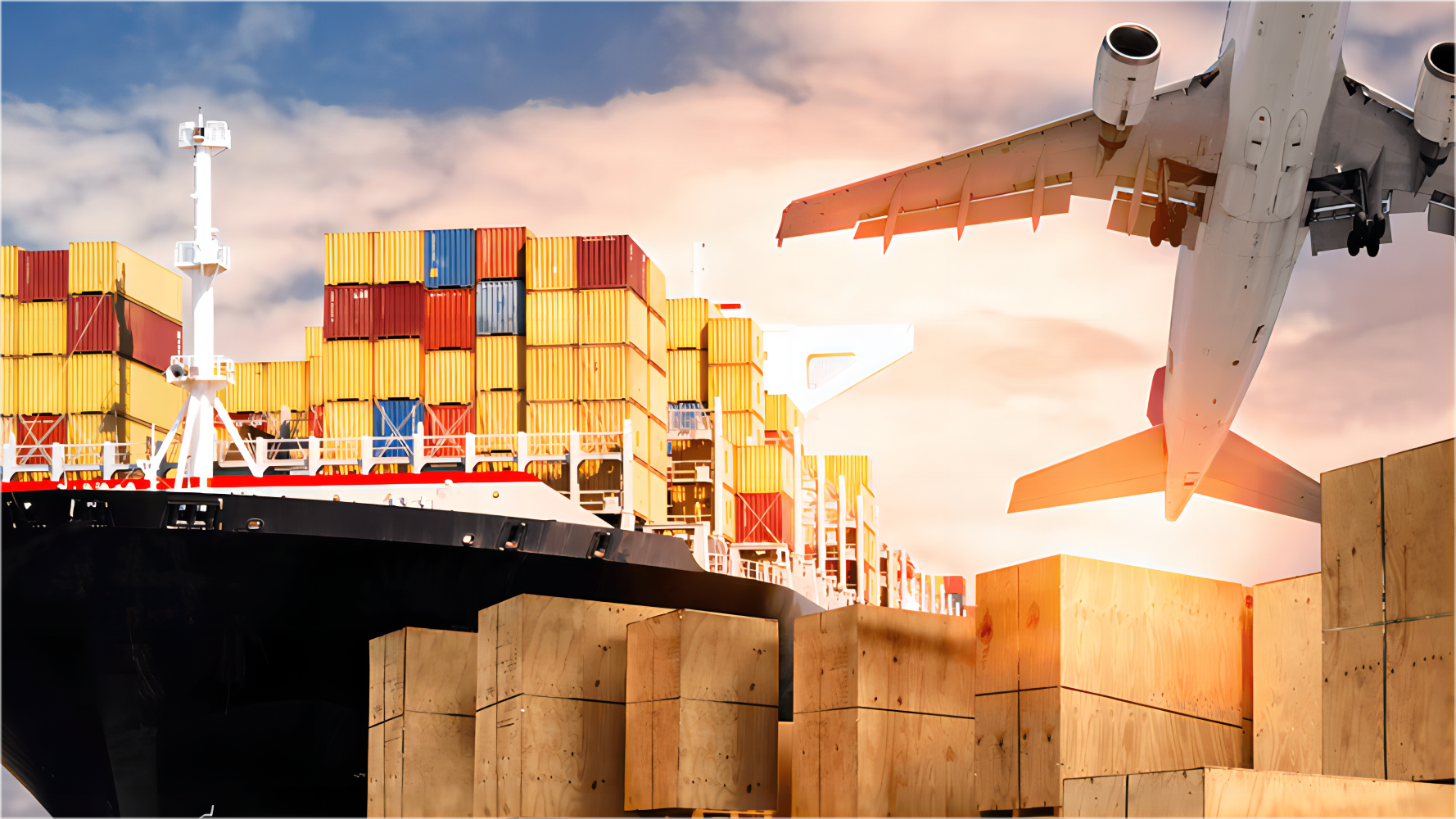
Open Top FCL containers are specifically designed for cargo that is too tall to be loaded through standard container doors. This includes various types of medical equipment, such as MRI machines, CT scanners, large X-ray units, and operating room tables. These containers feature a removable tarpaulin roof, allowing for easy top loading by crane or specialized lifting equipment.
Choosing an Open Top FCL ensures that your valuable medical devices are transported as a dedicated shipment. This minimizes handling, thereby reducing the risk of damage during transit. Furthermore, it provides enhanced security for oversized medical equipment, maintaining the integrity of your sensitive healthcare technology throughout the journey.
Why Choose Open Top FCL for Your Medical Cargo to the Netherlands?
For medical equipment, an Open Top FCL offers distinct advantages. Firstly, it provides essential protection for items that cannot be tilted or maneuvered through conventional container openings. This method is ideal for shipping oversized medical devices, ensuring they remain upright and stable.
Secondly, using a dedicated container means less exposure to other cargo, which is vital for maintaining sterility and preventing contamination of medical goods. This specialized solution addresses the unique challenges of shipping delicate and high-value healthcare products. Moreover, it allows for greater flexibility in cargo handling and securing.
The Best Route from China to the Netherlands for Open Top FCL Shipments
The most efficient route for Open Top FCL from China to the Netherlands typically involves direct sea freight services to the Port of Rotterdam. Major ports in China, such as Shanghai, Ningbo, Shenzhen, and Qingdao, offer frequent sailings. These routes are optimized for shipping from China to Europe, providing reliable transit times.
Upon arrival at Rotterdam, which is Europe’s largest port, medical equipment can be efficiently cleared through customs and distributed across the Netherlands. This strategic port boasts advanced infrastructure and excellent connectivity to inland European destinations. Consequently, it minimizes potential delays and streamlines the final leg of the delivery schedule.
Navigating Key Considerations for Shipping Medical Equipment
Shipping medical equipment internationally involves strict regulations and detailed documentation. Importers must comply with both Chinese export and Dutch import requirements, including CE marking for medical devices entering the European Union. Furthermore, accurate customs declarations and product classifications are essential to avoid delays.
Working with an experienced freight forwarder specializing in customs brokerage is highly recommended. They can help prepare all necessary paperwork, manage declarations, and ensure compliance with health and safety standards. This expertise is invaluable for navigating the complex import/export process, especially for sensitive medical cargo.
How Does Open Top FCL Compare to Other Shipping Options?
Selecting the optimal shipping method for medical equipment depends on various factors, including urgency, budget, and cargo dimensions. Open Top FCL is ideal for large, non-stackable items, offering dedicated space and protection. However, other methods might be more suitable for different scenarios. For instance, standard FCL is good for stackable items, while LCL suits smaller volumes.
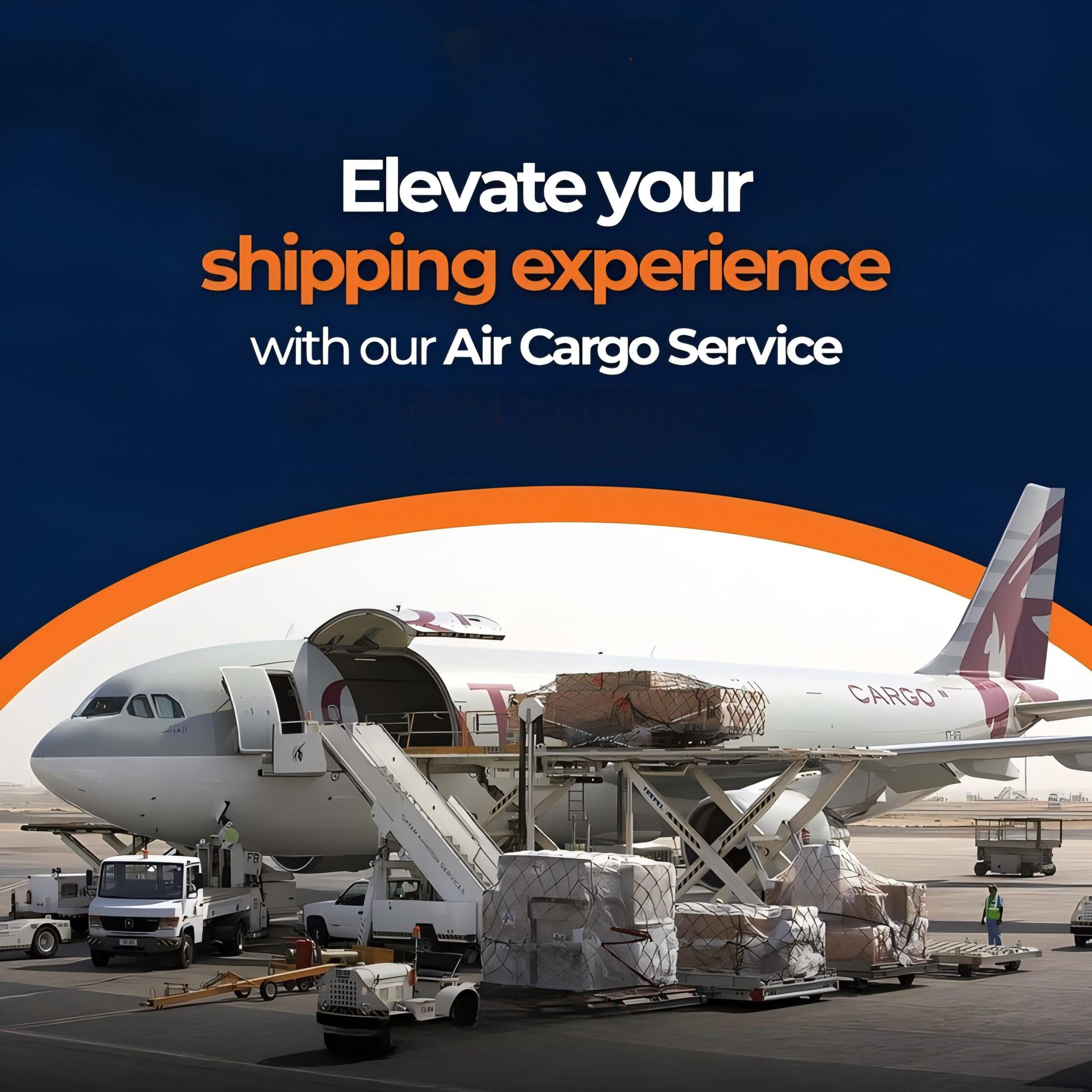
Moreover, air freight provides unparalleled speed for urgent medical supplies, albeit at a significantly higher cost. Conversely, sea freight, including Open Top FCL, offers a more economical solution for less time-sensitive shipments. Consider the trade-offs between speed, cost, and cargo handling requirements.
| Shipping Method | Cost Range (China-Netherlands) | Transit Time | Best For |
|---|---|---|---|
| Open Top FCL Sea Freight | $3,500 – $6,000 | 28-35 days | Oversized, heavy, non-stackable medical equipment (e.g., MRI) |
| Standard FCL Sea Freight | $3,000 – $5,000 | 28-35 days | Large volume, stackable medical devices (e.g., hospital beds) |
| LCL Sea Freight | $80-150 per CBM | 35-45 days | Smaller volumes of medical supplies, less urgent shipments |
| Air Freight | $8-15 per kg | 3-7 days | Urgent, high-value, lightweight medical samples or critical spare parts |
Which Shipping Option Should You Choose for Medical Equipment?
The decision hinges on a careful evaluation of your priorities. If your primary concern is safely shipping oversized medical devices, an Open Top FCL is undeniably the best choice. This method ensures secure and dedicated transport, minimizing risks to your valuable cargo.
For budget-conscious shipments with flexible delivery schedules, standard FCL or LCL sea freight offers cost-effective alternatives. However, for time-critical medical supplies, the speed of air freight often outweighs its higher expense. Always assess cargo type, volume, and urgency before making a final decision.
Real-World Scenarios: Open Top FCL Medical Equipment Shipments
These examples illustrate practical applications of Open Top FCL for medical equipment, showcasing typical costs, transit times, and challenges encountered in real-world logistics.
Case Study 1: Large MRI Machine Transport
| Detail | Value |
|---|---|
| Route | Shanghai, China to Rotterdam, Netherlands |
| Cargo | MRI Scanner, 25 CBM, 8,000 kg |
| Container | 1 x 40′ Open Top FCL |
| Shipping Details | Carrier: COSCO, Port of Loading: Shanghai, Port of Discharge: Rotterdam, Route Type: Direct |
| Cost Breakdown | Ocean Freight: $4,800, Origin Charges: $550, Destination Charges: $700, Customs & Duties (estimated): $1,200, Total Landed Cost: $7,250 |
| Timeline | Booking to Loading: 5 days, Sea Transit: 30 days, Customs Clearance: 3 days, Total Door-to-Door: 38 days |
| Key Insight | Specialized lifting equipment at both ends was crucial. This minimized handling risks for the sensitive and heavy MRI unit. Pricing based on Q1 2025 market rates. |
Case Study 2: Multiple Hospital Beds Shipment
| Detail | Value |
|---|---|
| Route | Shenzhen, China to Amsterdam, Netherlands |
| Cargo | 20 Electric Hospital Beds, 28 CBM, 6,500 kg |
| Container | 1 x 40′ Open Top FCL |
| Shipping Details | Carrier: Maersk, Port of Loading: Shenzhen, Port of Discharge: Rotterdam, Route Type: Transshipment via Singapore |
| Cost Breakdown | Ocean Freight: $4,200, Origin Charges: $600, Destination Charges: $650, Customs & Duties (estimated): $1,050, Total Landed Cost: $6,500 |
| Timeline | Booking to Loading: 7 days, Sea Transit: 35 days, Customs Clearance: 4 days, Total Door-to-Door: 46 days |
| Key Insight | Utilizing an Open Top FCL allowed for easy loading of assembled beds, reducing assembly time at the destination. Transshipment added a few days to the transit time. Typical rates as of early 2025. |
Case Study 3: Diagnostic Imaging System
| Detail | Value |
|---|---|
| Route | Ningbo, China to Utrecht, Netherlands (via Rotterdam) |
| Cargo | Diagnostic Imaging System, 20 CBM, 5,500 kg |
| Container | 1 x 20′ Open Top FCL |
| Shipping Details | Carrier: MSC, Port of Loading: Ningbo, Port of Discharge: Rotterdam, Route Type: Direct |
| Cost Breakdown | Ocean Freight: $3,600, Origin Charges: $500, Destination Charges: $600, Customs & Duties (estimated): $900, Total Landed Cost: $5,600 |
| Timeline | Booking to Loading: 6 days, Sea Transit: 29 days, Customs Clearance: 3 days, Total Door-to-Door: 38 days |
| Key Insight | Careful planning for inland transport from Rotterdam to Utrecht was essential due to the cargo’s dimensions. Market data suggests these are common rates for Q4 2024. |
Optimizing Your Supply Chain for Medical Device Imports
Effective supply chain management is paramount for the medical equipment industry. This involves not only selecting the right shipping method but also coordinating all logistical aspects from origin to final delivery. A robust supply chain minimizes disruptions and ensures a consistent flow of critical medical devices.
Consider integrating door-to-door services to streamline the entire process. This approach handles everything from factory pickup in China to final delivery at your facility in the Netherlands. Such comprehensive services reduce administrative burdens and potential points of failure, enhancing overall supply chain efficiency. Freight rates are subject to change based on fuel costs, carrier capacity, and seasonal demand. Contact us for a current quote tailored to your specific shipment.
Conclusion: Securing Your Medical Equipment Journey to the Netherlands
The ‘Open Top FCL best route for medical equipment from China to Netherlands’ is a multifaceted challenge requiring careful planning and execution. By understanding the advantages of Open Top FCL, leveraging strategic sea routes, and partnering with experienced logistics providers, you can ensure the secure and timely delivery of your valuable healthcare cargo. Ultimately, a well-managed shipping strategy is essential for maintaining a robust medical supply chain.
Optimizing your logistics helps control shipping costs and improves delivery schedules, which are vital for the healthcare sector. Therefore, prioritize thorough planning and expert guidance for every shipment of medical equipment.
Need a tailored shipping solution?
Ready to ship your medical equipment safely and efficiently from China to the Netherlands? Our experts specialize in Open Top FCL solutions and can help you navigate complex logistics. Request a personalized quote today and optimize your medical supply chain.