

Mastering 40GP FCL Demurrage for Auto Parts from China to Chicago
Shipping auto parts from China to Chicago in a 40GP FCL container presents unique challenges, especially regarding potential demurrage charges. Understanding and preventing these costly fees is crucial for maintaining a profitable and efficient supply chain. At Top China Forwarder, we specialize in navigating these complexities to ensure your cargo arrives smoothly and on budget.

What is 40GP FCL Demurrage and Why Does It Matter for Auto Parts?
A 40GP FCL (Full Container Load) refers to a 40-foot general purpose container filled exclusively with one shipper’s cargo, often used for large volumes of auto parts. This method is generally the most cost-effective for substantial shipments from China.
Conversely, demurrage is a penalty charged by the shipping line when a container remains at the port terminal beyond the allotted free time. These charges can accrue rapidly, significantly increasing the overall shipping cost.

Indeed, for auto parts, these unexpected fees can erode profit margins and disrupt production schedules. Therefore, preventing 40GP FCL demurrage for auto parts from China to Chicago is a critical aspect of efficient supply chain management.
Common Causes of Demurrage for China-Chicago Auto Parts Shipments
Several factors frequently contribute to demurrage charges for containers arriving in Chicago from China. Understanding these common pitfalls is the first step toward effective prevention.
Notably, delays can occur at various points in the supply chain, from origin to final destination. Identifying potential bottlenecks early is paramount for smooth operations.
Incomplete or Incorrect Documentation
Firstly, errors in shipping documents, such as the Bill of Lading, commercial invoice, or packing list, can cause significant customs delays. Consequently, containers might sit at the port awaiting clarification or correction.
Furthermore, missing permits or specific declarations required for auto parts import into the US can halt the entire clearance process. Accurate and complete paperwork is non-negotiable for timely release.
Port Congestion and Unforeseen Delays
Secondly, major ports like Los Angeles or Long Beach, which serve as common gateways for Chicago-bound cargo, can experience severe congestion. This congestion often leads to slower offloading and rail transfer times.
Moreover, adverse weather conditions, labor disputes, or equipment breakdowns can exacerbate these delays. Such events are largely out of a shipper’s control, yet they directly impact free time and demurrage.
Unpreparedness at Destination
Finally, a lack of readiness at the consignee’s end in Chicago can also trigger demurrage. This includes insufficient warehouse space, unavailability of drayage trucks, or a delay in customs duty payment.
Therefore, coordinating with the receiving party well in advance is essential. Ensuring they are fully prepared to accept and unload the 40GP FCL container helps avoid unnecessary charges.
Proactive Strategies for 40GP FCL Demurrage Prevention
Preventing demurrage requires a multi-faceted approach, combining meticulous planning with strong communication across the entire supply chain. Implementing these strategies can save significant costs and maintain delivery schedules.
By focusing on these key areas, businesses can mitigate risks effectively.
Meticulous Documentation and Compliance
Firstly, ensure all shipping documents are perfectly accurate and submitted on time. This includes harmonized tariff codes, country of origin, and detailed descriptions of auto parts.
Moreover, leveraging expert customs brokerage services can significantly reduce the risk of documentation errors. These professionals navigate complex import regulations effortlessly, ensuring compliance.
Strategic Carrier and Route Selection
Secondly, choose reputable shipping carriers known for their reliability and efficiency on the China to Chicago route. Some carriers offer longer free time at destination ports, which can be a valuable buffer.
Furthermore, opting for direct sea freight services whenever possible minimizes transshipment risks and transit times. This proactive choice directly contributes to preventing demurrage.
Efficient Port Operations and Pre-Clearance
Actively monitor your shipment’s progress and communicate proactively with your forwarder about its arrival. Initiating customs pre-clearance before the vessel even docks can shave days off the process.
This strategy allows for faster cargo release upon arrival, thus maximizing the free time available. Consequently, trucks can be dispatched immediately for pickup, reducing port dwell time.
Optimized Inland Transportation and Warehouse Readiness
Ensure that inland transportation from the port (e.g., Los Angeles) to Chicago is pre-arranged and confirmed. This includes drayage services and rail bookings for seamless movement.
Utilizing comprehensive door-to-door logistics solutions simplifies coordination significantly. This integrated approach ensures the receiving warehouse in Chicago is ready and able to unload the 40GP FCL container promptly.
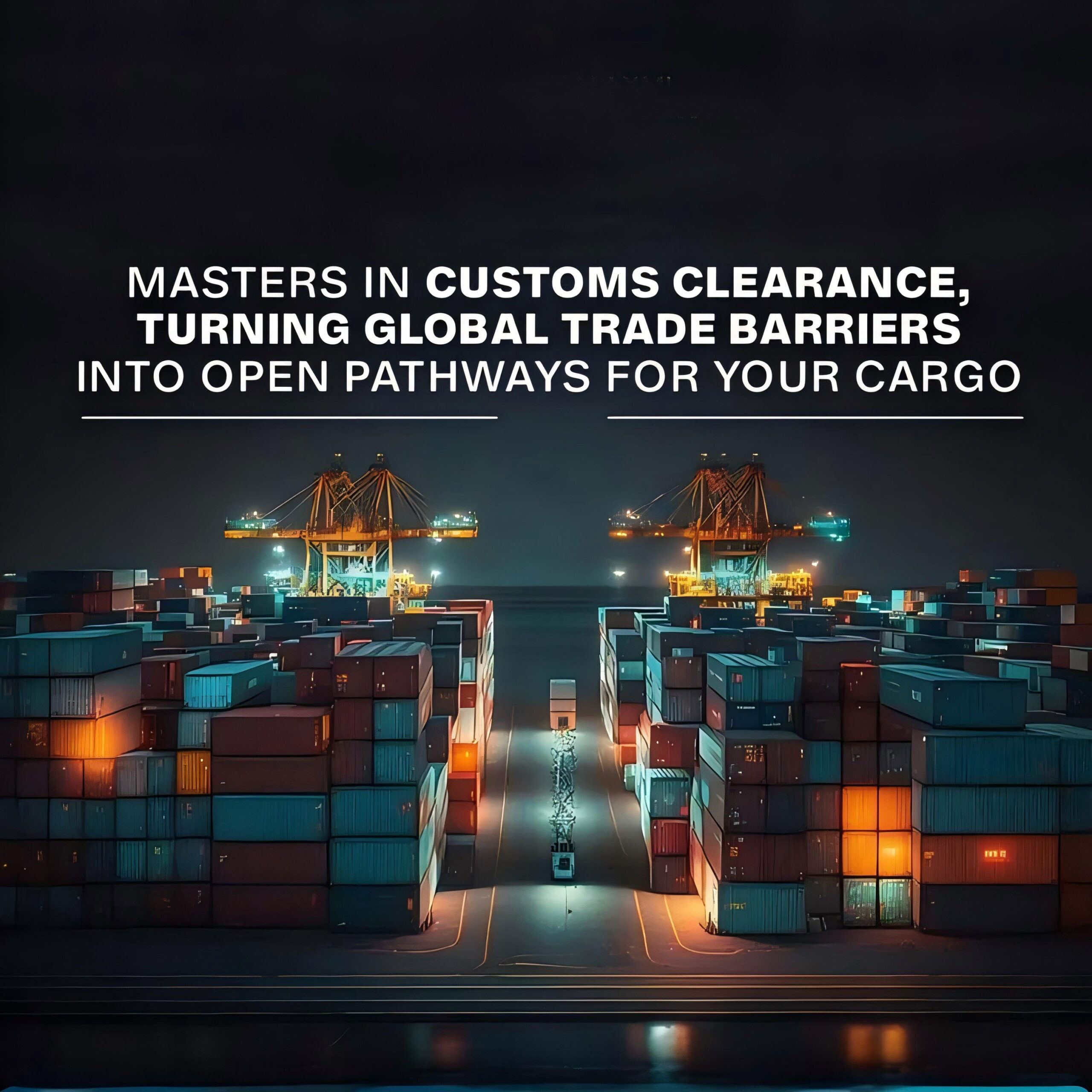
Leveraging Technology and Expert Partnerships for Smooth Operations
Modern logistics relies heavily on technology and strong partnerships to enhance efficiency and visibility. Implementing these tools is crucial for preventing demurrage charges and optimizing the auto parts supply chain.
Utilizing advanced tracking systems provides real-time updates, allowing for proactive adjustments.
The Indispensable Role of a Professional Freight Forwarder
Partnering with an experienced freight forwarder, such as Top China Forwarder, is perhaps the most effective strategy. We possess the expertise and network to anticipate and mitigate potential delays.
Our robust network and strong relationships with carriers and port authorities help secure favorable terms, including extended free time when necessary. We manage all aspects of your 40GP FCL demurrage prevention for auto parts from China to Chicago, ensuring a smooth process.
Supply Chain Visibility and Communication
Implementing end-to-end supply chain visibility tools allows shippers to track their cargo at every stage. This transparency enables quick responses to unexpected issues, minimizing their impact.
Moreover, maintaining open lines of communication with all stakeholders—suppliers, carriers, customs brokers, and consignees—is vital. Effective communication ensures everyone is aligned and prepared, reducing delays.
How Does 40GP FCL Sea Freight Compare to Other Shipping Options?
While 40GP FCL sea freight is highly efficient for bulk auto parts, it is important to consider alternative shipping methods based on urgency, cost, and cargo volume. Each option presents unique advantages and limitations.
Understanding these differences helps in making informed decisions tailored to specific shipment needs.
| Shipping Method | Cost Range (40GP/Similar Volume) | Transit Time (China to Chicago) | Best For | Limitations | |
|---|---|---|---|---|---|
| 40GP FCL Sea Freight | $4,500 – $6,500 | 25-35 days | Large volumes, cost-efficiency, heavy auto parts | Longer transit, high demurrage risk if delayed | |
| LCL Sea Freight | $5,000 – $8,000 (for similar volume) | 30-40 days | Smaller shipments (under 15 CBM), flexible volumes | Higher per-unit cost, more handling, potential for delays | |
| Air Freight | $18,000 – $25,000 | 5-9 days | Urgent, high-value, light auto components | Very high cost, volume and weight restrictions | air freight |
| Express Service | $2,500 – $5,000 (for small packages) | 3-5 days | Very small, critical, samples, emergency parts | Extremely high per-kg cost, limited volume, express service |
Which Shipping Option Should You Choose for Your Auto Parts?
Selecting the optimal shipping method depends on a clear understanding of your priorities and the specific characteristics of your auto parts cargo. Carefully evaluate these factors to make the best choice.
Ultimately, the decision balances speed, cost, and cargo type.
Budget Priority
If cost-effectiveness is your primary concern, 40GP FCL sea freight is generally the most economical option for large quantities of auto parts. However, strict adherence to demurrage prevention strategies is vital.
For smaller, less time-sensitive shipments, LCL sea freight can also be a viable, budget-friendly alternative.
Speed Priority
Conversely, for urgent auto parts required for production lines or critical repairs, air freight or express services are indispensable. These methods drastically reduce transit times, albeit at a higher cost.
Consider the trade-off between speed and cost carefully to avoid production stoppages.
Cargo Type and Volume Considerations
Heavy, bulky engine blocks or chassis components are best suited for 40GP FCL sea freight due to its capacity and cost structure. Fragile or high-value electronics might benefit from specialized air cargo handling.
For small, frequent replenishment of specific fasteners or sensors, a combination of sea and occasional air freight might be the most balanced approach to auto parts supply chain management.
Real-World Scenarios: Preventing 40GP FCL Demurrage for Auto Parts
Examining real-world examples illustrates how proactive measures can successfully prevent 40GP FCL demurrage for auto parts from China to Chicago. These case studies highlight the importance of careful planning and execution.
Each scenario demonstrates effective strategies for mitigating risks.
Case Study 1: Large Volume Auto Parts for US Assembly Plant
This case involved a major automotive manufacturer importing engine components.
| Detail | Description |
|---|---|
| Route | Shanghai, China -> Chicago, USA |
| Cargo | Engine blocks and transmission casings, 60 CBM, 45,000 kg |
| Container | Two 40GP FCL containers |
| Shipping Details | Carrier: COSCO, Port of Loading: Shanghai, Port of Discharge: Long Beach (via rail to Chicago), Route Type: Transshipment (ocean to rail) |
| Cost Breakdown | Ocean Freight: $9,200 (for two 40GP), Origin Charges: $900, Destination Charges (including rail to Chicago): $3,100, Customs & Duties (estimated): $1,600, Total Landed Cost: $14,800 |
| Timeline | Booking to Loading: 7 days, Sea Transit: 16 days, Rail Transit: 6 days, Customs Clearance: 2 days, Total Door-to-Door: 31 days |
| Key Insight | Early rail booking and pre-clearance prevented demurrage during peak season. Based on Q3 2024 market rates. |
Case Study 2: Time-Sensitive Aftermarket Auto Components
A distributor needed to replenish fast-moving aftermarket parts quickly.
| Detail | Description |
|---|---|
| Route | Ningbo, China -> Chicago, USA |
| Cargo | Brake pads and filters, 28 CBM, 12,000 kg |
| Container | One 40GP FCL container |
| Shipping Details | Carrier: MSC, Port of Loading: Ningbo, Port of Discharge: New York (all-water to Chicago via rail), Route Type: Direct (all-water) |
| Cost Breakdown | Ocean Freight: $5,300, Origin Charges: $480, Destination Charges (including rail to Chicago): $1,800, Customs & Duties (estimated): $950, Total Landed Cost: $8,530 |
| Timeline | Booking to Loading: 5 days, Sea Transit: 32 days, Rail Transit: 3 days, Customs Clearance: 2 days, Total Door-to-Door: 42 days |
| Key Insight | Extended free time negotiation with carrier provided crucial buffer against unexpected rail delays. Typical rates as of early 2025. |
Case Study 3: Consolidated Shipments for Multiple Dealers
A consolidator managed diverse auto parts for various dealerships.
| Detail | Description |
|---|---|
| Route | Shenzhen, China -> Chicago, USA |
| Cargo | Mixed auto accessories and small spare parts, 55 CBM, 25,000 kg |
| Container | Two 40GP FCL containers |
| Shipping Details | Carrier: Maersk, Port of Loading: Shenzhen, Port of Discharge: Los Angeles (via rail to Chicago), Route Type: Transshipment (ocean to rail) |
| Cost Breakdown | Ocean Freight: $8,800 (for two 40GP), Origin Charges: $850, Destination Charges (including rail to Chicago): $3,000, Customs & Duties (estimated): $1,500, Total Landed Cost: $14,150 |
| Timeline | Booking to Loading: 6 days, Sea Transit: 15 days, Rail Transit: 5 days, Customs Clearance: 3 days, Total Door-to-Door: 29 days |
| Key Insight | Precise coordination with multiple suppliers and expedited customs process for diverse HTS codes. Based on Q1 2025 market rates. |
Market Insights and Future Trends in Auto Parts Logistics
The landscape of global logistics is constantly evolving, with significant impacts on the movement of auto parts from China to Chicago. Staying informed about market trends is key to demurrage prevention.
As of Q2 2025, freight rates from China to the US Midwest have stabilized after a period of volatility. However, port congestion remains a recurring challenge, particularly during peak seasons.
Industry average for this route suggests that proactive planning and flexible logistics strategies are more critical than ever. Furthermore, increased adoption of digital platforms for tracking and communication is becoming standard practice.
Note: Freight rates are subject to change based on fuel costs, carrier capacity, and seasonal demand. Contact us for a current quote tailored to your specific shipment.

Ensuring Smooth Sailing for Your Auto Parts from China to Chicago
Effectively preventing 40GP FCL demurrage for auto parts from China to Chicago demands meticulous planning and expert execution. By focusing on documentation, strategic carrier choices, and robust communication, businesses can significantly reduce their shipping costs.
Partnering with an experienced freight forwarder further ensures a streamlined, efficient, and ultimately more profitable supply chain for your valuable auto components. This proactive approach safeguards against unforeseen expenses and keeps your operations running smoothly.
Ready to streamline your logistics?
Ready to optimize your supply chain and prevent costly 40GP FCL demurrage charges for your auto parts shipments from China to Chicago? Contact our experts today for a tailored logistics solution. We are committed to delivering efficiency and peace of mind.
Request Quote