

Freight Forwarders China: Your Ultimate Guide to Seamless Shipping
Navigating international shipping from China can be complex, involving intricate logistics, customs regulations, and varying transit times. Consequently, choosing the right partner is crucial for successful import and export operations. This comprehensive guide will explore how expert Top China Forwarder can simplify your supply chain and ensure your goods arrive safely and on schedule.
Why Are Freight Forwarders China Essential for Your Business?
Engaging with international trade from China involves more than just booking space on a vessel or plane. Indeed, a professional freight forwarder acts as an intermediary, managing the entire logistics process. They handle documentation, customs clearance, and carrier negotiations on your behalf, providing comprehensive logistics solutions.
Moreover, these experts possess invaluable knowledge of local regulations and international shipping laws. This expertise helps prevent costly delays and ensures compliance, making importing from China significantly smoother. Ultimately, they streamline your supply chain and mitigate potential risks.
How Do Freight Forwarders China Optimize Your Shipping Costs and Transit Times?
Optimizing shipping costs and transit time is a primary concern for businesses sourcing from China. Freight forwarders leverage their extensive networks and volume discounts with carriers to secure competitive freight rates. This often leads to significant savings compared to direct bookings, especially for small to medium-sized enterprises.
Furthermore, they can advise on the most efficient shipping methods based on your cargo’s characteristics and urgency. For instance, while sea freight is economical for large volumes, air freight is ideal for time-sensitive deliveries. They help balance speed and budget effectively to meet your delivery schedule.
Accordingly, understanding the nuances of various shipping options is key to making informed decisions. Freight forwarders provide detailed comparisons, enabling you to choose wisely. They ensure that your cargo handling is efficient and cost-effective, regardless of the method selected.
| Shipping Method | Cost Range (per kg) | Transit Time (China to Europe/USA) | Best For | Limitations |
|---|---|---|---|---|
| Sea Freight | $0.15 – $0.30 | 28-45 days | Large, heavy, non-urgent cargo | Slower transit, potential port congestion |
| Air Freight | $3.50 – $6.00 | 3-8 days | Urgent, high-value, smaller shipments | Higher cost, volume/weight restrictions |
| Rail Freight | $1.00 – $2.50 | 15-25 days | Large volumes to Europe/Central Asia | Faster than sea, slower than air, limited routes |
| Express Courier | $6.00 – $12.00 | 2-5 days | Samples, documents, very urgent small parcels | Highest cost, strict size/weight limits |

Understanding Customs Clearance and Documentation for China Shipments
Customs clearance is often one of the most challenging aspects of international trade. Accordingly, freight forwarders China specialize in preparing and submitting all necessary documentation, ensuring compliance with both Chinese export regulations and the destination country’s import laws. This includes commercial invoices, packing lists, and bills of lading.
Moreover, they handle tariffs, duties, and other import taxes, preventing costly delays and penalties. Their expertise in customs brokerage ensures a smooth process, mitigating risks associated with non-compliance. This is vital for maintaining your delivery schedule and avoiding unexpected expenses.
Indeed, navigating the complexities of international customs requires up-to-date knowledge and meticulous attention to detail. A reliable forwarder ensures all paperwork is accurate and submitted on time. This proactive approach significantly reduces the likelihood of goods being held up at the border.
How Does Multimodal Transport Enhance Your Supply Chain from China?
Multimodal transport combines different shipping methods, such as sea-rail or air-truck, to create an optimized delivery schedule. This approach offers flexibility and can significantly reduce overall transit time or cost. For example, goods might travel by rail freight across Asia and then transition to sea for the final leg.
Subsequently, a skilled freight forwarder orchestrates these complex movements, ensuring seamless transitions between transport modes. They manage all touchpoints, from initial pick-up to final door-to-door delivery, providing end-to-end visibility. This integrated approach is key for complex logistics solutions.
Furthermore, hybrid solutions, like combining air and sea freight, are gaining traction for specific routes and cargo types. This innovative strategy offers a balance of speed and cost-efficiency. It allows businesses to adapt to fluctuating logistics trends and market demands effectively.
Real-World Scenarios: Navigating China Freight Forwarding Challenges
Understanding how freight forwarders handle real-world challenges provides valuable insight into their capabilities. These case studies illustrate practical applications of their expertise in various shipping scenarios. They highlight effective strategies for managing complex logistics and achieving successful outcomes.
Based on current market rates and typical industry challenges, these examples showcase the value a reliable freight forwarder brings. They demonstrate solutions for common issues like port congestion, fluctuating freight rates, and urgent delivery needs. Always remember that freight rates are subject to change based on fuel costs, carrier capacity, and seasonal demand.
Case Study 1: Urgent Air Freight for High-Value Electronics
This scenario demonstrates how quick decision-making and strong carrier relationships can avert supply chain disruptions. The client needed to replenish stock urgently during a peak sales period.
| Detail | Description |
|---|---|
| Route | Shanghai, China Frankfurt, Germany |
| Cargo | 2.5 CBM, 450 kg, High-end consumer electronics |
| Shipping Method | Air Freight (Priority Service) |
| Carrier/Service | Lufthansa Cargo |
| Port of Loading | Shanghai Pudong International Airport (PVG) |
| Port of Discharge | Frankfurt Airport (FRA) |
| Cost Breakdown | Air Freight: $2,700; Origin Charges: $250; Destination Charges: $200; Customs & Duties (estimated): $400; Total Landed Cost: $3,550 |
| Timeline | Booking to Loading: 1 day; Air Transit: 2 days; Customs Clearance: 1 day; Total Door-to-Door: 4 days |
| Key Insight | Q4 2024 peak season rates were 15% higher, but speed was critical. The forwarder secured priority space, avoiding production line shutdown. |
Case Study 2: Economical Sea Freight for Bulk Textiles
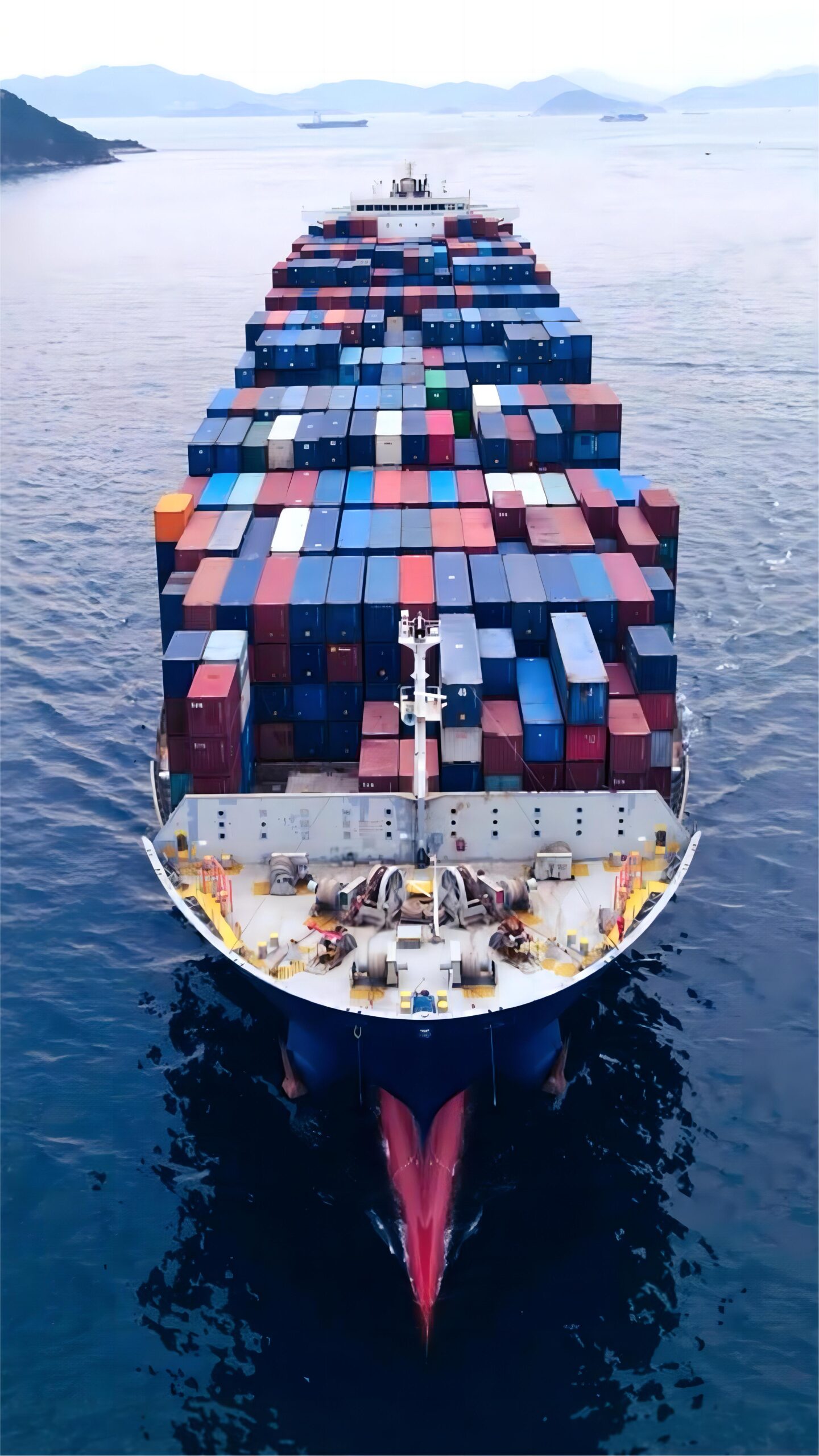
This case highlights the cost-effectiveness of sea freight for large, non-urgent shipments and the importance of planning for port congestion. The client needed to move a substantial volume of goods efficiently.
| Detail | Description |
|---|---|
| Route | Ningbo, China Los Angeles, USA |
| Cargo | 40HQ container, Bulk textiles (clothing) |
| Shipping Method | Sea Freight (FCL) |
| Carrier/Service | COSCO |
| Port of Loading | Ningbo Port |
| Port of Discharge | Port of Los Angeles |
| Cost Breakdown | Ocean Freight: $3,200; Origin Charges: $450; Destination Charges: $300; Customs & Duties (estimated): $700; Total Landed Cost: $4,650 |
| Timeline | Booking to Loading: 5 days; Sea Transit: 16 days; Customs Clearance: 3 days; Total Door-to-Door: 24 days |
| Key Insight | Based on Q1 2025 market rates, this route benefited from stable trans-Pacific capacity. The forwarder managed pre-booking to secure competitive rates and avoid potential port congestion delays. |
Case Study 3: Rail Freight for Industrial Components to Europe
This example demonstrates the balance between speed and cost offered by rail freight for landlocked European destinations. The client sought a middle-ground solution between air and sea.
| Detail | Description |
|---|---|
| Route | Chongqing, China Hamburg, Germany |
| Cargo | 1 x 20GP container, Industrial machinery components |
| Shipping Method | Rail Freight (FCL) |
| Carrier/Service | China-Europe Railway Express |
| Terminal of Loading | Chongqing Tuanjiecun Station |
| Terminal of Discharge | Hamburg Billwerder Terminal |
| Cost Breakdown | Rail Freight: $2,100; Origin Charges: $300; Destination Charges: $250; Customs & Duties (estimated): $500; Total Landed Cost: $3,150 |
| Timeline | Booking to Loading: 4 days; Rail Transit: 18 days; Customs Clearance: 2 days; Total Door-to-Door: 26 days |
| Key Insight | Typical rates as of early 2025 show rail freight as a strong alternative for European routes. It offered faster transit than sea freight at a fraction of air freight cost, ideal for consistent delivery schedules. |
FCL vs LCL: Which is Right for Your China Shipments?
When shipping via sea freight, choosing between Full Container Load (FCL) and Less than Container Load (LCL) is a critical decision. This choice significantly impacts both your shipping costs and transit time. It depends primarily on the volume and urgency of your cargo.
FCL involves booking an entire container for your goods, offering faster transit and less handling. Conversely, LCL means your cargo shares space with other shipments, which can be more economical for smaller volumes. However, LCL often entails longer transit times due to consolidation and deconsolidation processes.
| Feature | FCL (Full Container Load) | LCL (Less than Container Load) | Best For |
|---|---|---|---|
| Volume | Large volumes (15+ CBM) | Small volumes (under 15 CBM) | Cost-efficiency for bulk |
| Cost | Fixed per container, lower per CBM | Charged per CBM, higher per CBM | Budget-conscious small shipments |
| Transit Time | Generally faster, direct routing | Slower due to consolidation | Speed and reliability |
| Handling | Less handling, lower damage risk | More handling points, higher damage risk | Fragile or high-value goods |
Which Shipping Option Should You Choose from China? A Decision Framework
Selecting the optimal shipping method from China hinges on several critical factors, including budget, urgency, and cargo characteristics. A clear decision framework helps businesses make informed choices, aligning logistics with strategic goals. This ensures efficient and cost-effective delivery.
Ultimately, the best approach often involves a careful balance between cost, speed, and reliability. Consider your priorities and consult with your freight forwarder to tailor the perfect solution for your specific needs. They can guide you through various logistics options, including door-to-door services.
| Priority | Recommended Method | Considerations |
|---|---|---|
| Budget Critical | Sea Freight (LCL/FCL) | Long transit times, suitable for non-urgent, heavy, or bulky goods. |
| Speed Critical | Air Freight / Express Courier | Highest cost, ideal for urgent, high-value, or perishable items. |
| Balanced Cost/Speed | Rail Freight / Sea-Air Hybrid | Good for Europe-bound cargo; faster than sea, cheaper than air. |
| Large Volume | Sea Freight (FCL) | Most cost-effective for full container loads, requires longer planning. |
| Small Volume/Samples | Express Courier / Air Freight (LCL) | Faster, but higher per-unit cost; ideal for prototypes or urgent small orders. |
Market Trends and Future of Freight Forwarders China
The landscape for freight forwarders China is constantly evolving, influenced by global economic shifts, geopolitical events, and technological advancements. As of early 2025, freight rates from China to Europe have largely stabilized following the 2024 Red Sea disruptions, though regional surcharges persist. Understanding these logistics trends is vital for strategic planning.
Moreover, digitalization and increased demand for sustainability are shaping the future of the industry. Forwarders are increasingly offering transparent tracking, paperless documentation, and greener shipping options. This focus on innovation ensures a more resilient and efficient supply chain, adapting to new environmental standards.
Market data suggests continued growth in demand for integrated logistics solutions, particularly those offering end-to-end visibility. Industry average transit times are being refined through better route optimization and port efficiency improvements. These changes underscore the dynamic nature of international shipping from China.
Conclusion: Partnering with Expert Freight Forwarders China for Global Success
In conclusion, partnering with experienced freight forwarders China is indispensable for businesses navigating the complexities of global trade. They offer comprehensive solutions, from optimizing freight rates and managing customs to ensuring timely delivery. By leveraging their expertise, you can enhance your supply chain efficiency and focus on your core business.
Choosing the right freight forwarder ensures your goods move seamlessly across borders, minimizing risks and maximizing profitability. This strategic partnership is key to achieving consistent import and export success in a competitive global market.
Ready to streamline your logistics?
Ready to streamline your imports and exports with reliable freight forwarders China? Contact Top China Forwarder today for a personalized quote and expert logistics solutions. We are dedicated to providing transparent pricing and exceptional service for all your international shipping needs.
Request Quote