

Freight Forwarder to China: Your Ultimate Shipping Guide
Navigating global logistics can be complex, especially when importing from the world’s manufacturing hub. Businesses often face challenges like customs regulations, varying transit times, and fluctuating shipping costs. Fortunately, a professional freight forwarder to China offers comprehensive solutions to streamline your entire supply chain, ensuring your cargo reaches its destination efficiently and without hassle.
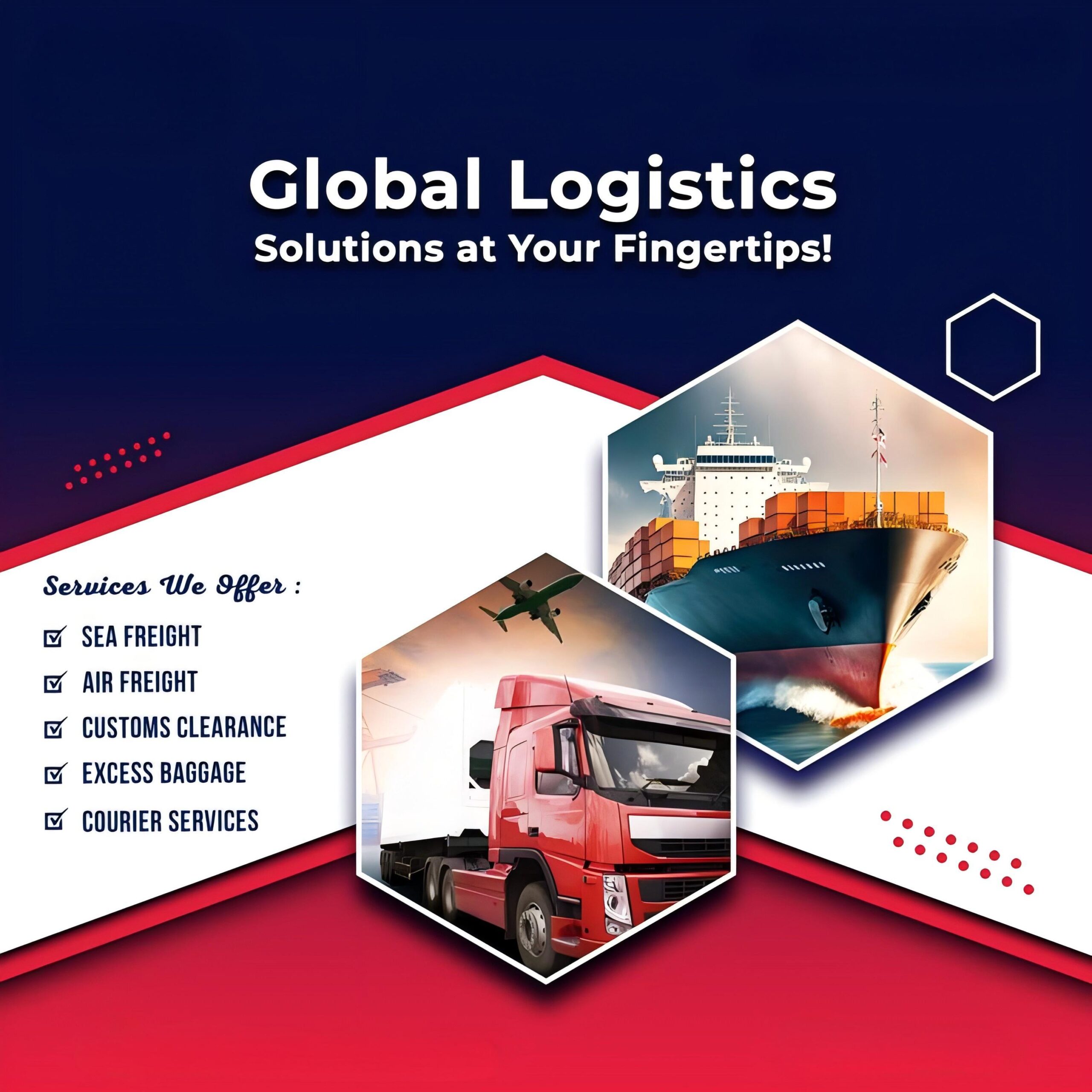
What Does a Freight Forwarder to China Do?
A freight forwarder acts as an intermediary between shippers and various transportation services. They manage the entire logistics process, from factory pickup in China to final delivery at your doorstep. This includes coordinating carriers, handling documentation, and optimizing routes for efficiency.
Essentially, these experts simplify the complex world of international shipping. They leverage their network and expertise to secure the best freight rates and transit times for your specific cargo. Consequently, businesses can focus on their core operations rather than intricate shipping details.
Moreover, a good freight forwarder offers peace of mind through transparent communication and proactive problem-solving. They anticipate potential delays and provide timely updates, ensuring your supply chain remains robust. Without a doubt, their role is crucial for successful import/export operations.
Why is a Dedicated Freight Forwarder to China Essential?
Shipping from China involves unique challenges, including complex customs procedures, language barriers, and a vast network of suppliers. A specialized freight forwarder possesses deep knowledge of Chinese regulations and local logistics. Therefore, they navigate these complexities with ease.
Furthermore, they have established relationships with local carriers and customs officials. This network often translates into faster clearance and more reliable service. Consequently, choosing a dedicated partner significantly reduces risks and potential delays for your import/export.
Indeed, their expertise extends to understanding specific trade lanes and peak seasons. They can advise on the most suitable shipping methods and optimal times to move your cargo. This strategic insight helps manage shipping costs and improves overall delivery schedule adherence.
How Does Freight Forwarder to China Compare to Other Shipping Options?
Understanding the various shipping methods is crucial for optimizing your supply chain and managing shipping costs. Different options offer distinct advantages in terms of speed, price, and capacity. Therefore, selecting the right one depends heavily on your specific needs and cargo characteristics.
For instance, urgent, high-value, or smaller shipments often benefit from faster transit times. Conversely, larger, less time-sensitive cargo can achieve significant cost savings with slower methods. This careful consideration directly impacts your overall logistics budget and delivery schedule.
Below is a comprehensive comparison of the primary freight options available when working with a freight forwarder to China. This overview highlights key factors to help you make an informed decision for your import/export operations.
| Shipping Method | Cost Range (per kg/CBM) | Transit Time (China to Europe/NA) | Best For | Limitations |
|---|---|---|---|---|
| Sea Freight (FCL/LCL) | $0.05-$0.25/kg or $50-150/CBM | 25-45 days | Large volumes, heavy goods, non-urgent shipments | Slowest, port congestion, longer lead times |
| Air Freight | $4-$8/kg | 3-10 days | Urgent, high-value, perishable goods, smaller shipments | Most expensive, weight/dimension restrictions, higher carbon footprint |
| Rail Freight | $1-$3/kg | 15-25 days | Time-sensitive, heavy goods to landlocked Europe/Central Asia | Limited routes, less flexible, potential border delays |
| Express Service | $8-$15/kg | 2-5 days | Samples, documents, very small urgent packages | Extremely expensive for larger items, strict weight/size limits |
Which Option Should You Choose?
Your decision framework should prioritize key factors for each shipment. For example, if budget is your primary concern, sea freight is typically the most economical choice. It offers the lowest cost per unit for large volumes.
However, if speed is paramount, air freight provides the fastest transit times, ideal for urgent or high-value goods. Consider express services for extremely time-sensitive small packages. For landlocked regions, rail freight presents a balanced option.
Cargo type also dictates the best method; perishable goods require fast transit, while durable bulk items suit sea travel. Volume thresholds are also important; LCL sea freight is great for under 15 CBM, but a full container becomes more economical beyond that. Always weigh the trade-offs between cost, speed, and cargo security.
Navigating Customs and Documentation with a Freight Forwarder to China
Customs clearance is a critical yet often challenging aspect of international shipping. Incorrect documentation can lead to significant delays, fines, and even cargo confiscation. A skilled customs brokerage service is therefore indispensable.
Your freight forwarder will prepare and submit all necessary paperwork, including commercial invoices, packing lists, and bills of lading. They also ensure compliance with import/export regulations in both China and the destination country. This meticulous attention to detail prevents costly errors.
Moreover, they handle duties and taxes calculations, helping you understand the total landed cost of your goods. They can also advise on trade agreements and preferential tariffs, potentially saving you money. Ultimately, their expertise streamlines the entire customs process, ensuring smooth cargo handling.
| Document Type | Purpose | Issued By | Importance |
|---|---|---|---|
| Commercial Invoice | Details goods, value, seller/buyer info | Seller/Exporter | Essential for customs valuation and duties |
| Packing List | Itemizes contents of each package | Seller/Exporter | Aids customs inspection and cargo verification |
| Bill of Lading (BOL)/Air Waybill (AWB) | Contract of carriage, title to goods | Carrier/Forwarder | Proof of shipment and ownership |
| Certificate of Origin (COO) | Verifies country of manufacture | Chamber of Commerce | Required for preferential tariffs and trade agreements |
Understanding Freight Rates and Cost-Saving Strategies
Freight rates from China are influenced by numerous factors, including fuel costs, carrier capacity, seasonal demand, and geopolitical events. For example, Q4 peak season rates typically increase 15-25% due to holiday demand. Understanding these dynamics is key to managing your shipping costs effectively.
A reliable freight forwarder provides transparent pricing and helps you identify cost-saving strategies. This might include consolidating multiple smaller shipments into a single larger one (LCL) or optimizing container utilization (FCL). They always seek to minimize your overall logistics expenses.
Consider hybrid solutions like sea-air or rail-sea combinations for a balance between speed and cost. For instance, shipping by sea to a European hub then by air to a final destination can be faster than all-sea but cheaper than all-air. This strategic approach can significantly impact your delivery schedule and budget.
Door-to-Door Service: The Ultimate Convenience for China Imports
For businesses seeking maximum convenience and minimal hassle, a door-to-door service is an ideal solution. This comprehensive offering means your freight forwarder handles every step of the shipping process. From pickup at the supplier’s factory in China to final delivery at your specified address, they manage it all.
This service eliminates the need for you to coordinate multiple logistics providers or navigate complex transshipment points. The freight forwarder takes full responsibility for all stages, including international transport, customs clearance, and local delivery. Consequently, it simplifies your supply chain significantly.
Furthermore, door-to-door service often includes comprehensive cargo insurance, providing an extra layer of protection for your goods. It also offers greater predictability in terms of transit time and total landed cost. This integrated approach is particularly beneficial for small to medium-sized businesses without in-house logistics teams.
Real-World Scenarios: How a Freight Forwarder to China Delivers Results
Examining actual case studies demonstrates the practical value of partnering with an experienced freight forwarder. These examples highlight how tailored solutions address specific challenges in global trade. They illustrate effective strategies for diverse cargo types and destinations, ensuring successful import/export operations.
Each scenario below showcases different shipping methods and common challenges faced by businesses. We provide realistic details, including routes, cargo specifications, and cost breakdowns. This offers a clear insight into the benefits of professional logistics management.
Note: Freight rates are subject to change based on fuel costs, carrier capacity, and seasonal demand. Contact us for a current quote tailored to your specific shipment.
Case Study 1: Urgent Electronics Shipment to North America
This case involved an electronics distributor needing to quickly restock popular smart devices before a major sales event. Speed was the top priority, outweighing cost considerations. The client required swift delivery from a Shenzhen manufacturer to their distribution center in Los Angeles.
| Detail | Description |
|---|---|
| Route | Shenzhen, China Los Angeles, USA |
| Cargo | High-value Electronics, 3 CBM, 450 kg |
| Container | Air Freight |
| Shipping Details | Carrier: Major airline, Port of Loading: SZX, Port of Discharge: LAX, Route Type: Direct |
| Cost Breakdown | Air Freight: $3,600 (Based on Q3 2024 market rates), Origin Charges: $250, Destination Charges: $180, Customs & Duties (estimated): $400, Total Landed Cost: $4,430 |
| Timeline | Booking to Loading: 2 days, Air Transit: 3 days, Customs Clearance: 1 day, Total Door-to-Door: 6 days |
| Key Insight | Air freight was crucial for meeting the tight market deadline, despite higher costs. A proactive freight forwarder ensured rapid customs processing. |
Case Study 2: Bulk Furniture Import to Europe
A furniture retailer in Germany required a cost-effective solution for importing several containers of flat-pack furniture from a factory in Ningbo. The shipment was large and not highly time-sensitive, making sea freight the most viable option. The goal was to minimize shipping costs per unit.
| Detail | Description |
|---|---|
| Route | Ningbo, China Hamburg, Germany |
| Cargo | Flat-pack Furniture, 68 CBM, 15,000 kg |
| Container | 2 x 40HQ |
| Shipping Details | Carrier: COSCO, Port of Loading: Ningbo, Port of Discharge: Hamburg, Route Type: Direct |
| Cost Breakdown | Ocean Freight: $7,200 (2x40HQ at $3,600 each, typical rates as of early 2025), Origin Charges: $500, Destination Charges: $450, Customs & Duties (estimated): $1,200, Total Landed Cost: $9,350 |
| Timeline | Booking to Loading: 5 days, Sea Transit: 30 days, Customs Clearance: 2 days, Total Door-to-Door: 38 days |
| Key Insight | Optimizing container usage for FCL sea freight resulted in substantial cost savings. The freight forwarder managed port congestion efficiently. |
Case Study 3: Specialized Machinery to Australia
An industrial client in Sydney needed to import specialized manufacturing machinery from Shanghai. The cargo was oversized and required careful handling, but also needed to arrive within a reasonable timeframe. A combined approach was considered to balance cost and transit needs.
| Detail | Description |
|---|---|
| Route | Shanghai, China Sydney, Australia |
| Cargo | Industrial Machinery, 25 CBM, 8,000 kg |
| Container | LCL (oversized pieces) |
| Shipping Details | Carrier: Maersk (LCL), Port of Loading: Shanghai, Port of Discharge: Sydney, Route Type: Direct |
| Cost Breakdown | Ocean Freight: $2,500 (25 CBM at $100/CBM, market data suggests), Origin Charges: $300, Destination Charges: $250, Customs & Duties (estimated): $800, Total Landed Cost: $3,850 |
| Timeline | Booking to Loading: 4 days, Sea Transit: 15 days, Customs Clearance: 2 days, Total Door-to-Door: 21 days |
| Key Insight | LCL was chosen for its flexibility with oversized pieces and competitive rates to Australia. Careful planning by the freight forwarder minimized handling risks. |
Conclusion: Your Strategic Partner for Shipping from China
Choosing the right freight forwarder to China is a pivotal decision for any business involved in international trade. These experts navigate the complexities of global logistics, ensuring your goods are transported efficiently, cost-effectively, and compliantly. They are, in essence, an extension of your supply chain, dedicated to optimizing every step.
From selecting the ideal shipping method to managing intricate customs procedures and offering transparent freight rates, a professional partner mitigates risks and enhances your operational efficiency. Ultimately, they provide the expertise and peace of mind necessary to succeed in the dynamic world of import/export.
By leveraging their deep industry knowledge and extensive network, businesses can overcome common challenges and unlock new opportunities for growth. Therefore, investing in a reliable freight forwarder to China is not just a service, but a strategic advantage in today’s competitive market.
Get Your Shipping Quote Today
Ready to streamline your import process and secure competitive freight rates from China? Partner with a leading freight forwarder to China, Top China Forwarder, for reliable and efficient logistics solutions. Contact us today for a personalized quote and expert consultation.
Request Quote