

Freight Charges from China: Your Ultimate Cost Guide
Navigating the complexities of international shipping can be challenging, especially when dealing with freight charges from China. Understanding these costs is crucial for accurate budgeting and ensuring profitable imports. This comprehensive guide will break down the various factors influencing your shipping expenses, ultimately helping you make informed decisions for your supply chain. Discover how Top China Forwarder can simplify your logistics.
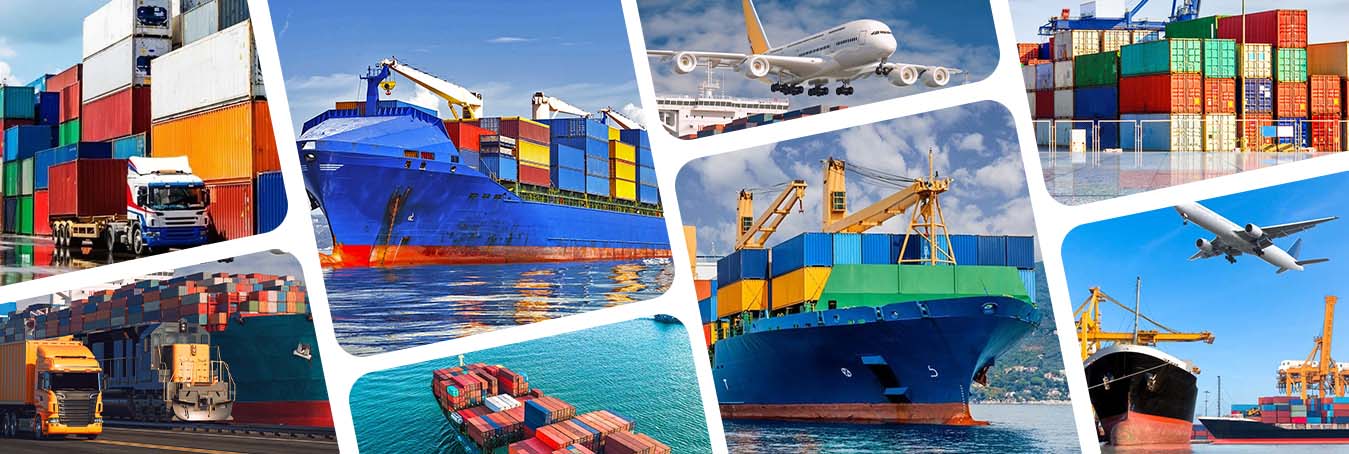
What Factors Influence Freight Charges from China?
Several key elements collectively determine the final freight charges from China to your destination. Understanding these factors is the first step toward optimizing your shipping budget. Indeed, every decision, from cargo type to chosen route, impacts the overall cost.
Primarily, the shipping method selected plays a significant role. For instance, sea freight is typically the most economical for bulk goods, whereas air freight offers speed at a higher premium. Furthermore, the volume and weight of your cargo directly affect pricing, as carriers charge based on either the actual weight or volumetric weight, whichever is greater. Heavy or bulky items will naturally incur higher costs.

Moreover, the origin and destination locations are critical. Shipping from inland China ports often involves additional domestic transport costs to reach major international hubs like Shanghai or Ningbo. Similarly, remote destination addresses may attract higher last-mile delivery charges. Consequently, choosing a port closest to your supplier and recipient can lead to significant savings. Market demand and current logistics trends also heavily influence freight rates, with peak seasons often driving prices upward.
How Do Shipping Methods Impact Freight Costs from China?
The choice of shipping method is perhaps the most impactful decision when calculating freight charges from China. Each option presents a unique balance of cost, transit time, and suitability for different cargo types. Therefore, selecting the right method is essential for efficient supply chain management.
Consider, for example, the stark differences between sea and air freight. Sea freight, utilizing container ships, offers the lowest cost per unit for large volumes but involves longer transit times. Conversely, air freight provides rapid delivery, ideal for urgent or high-value goods, though at a considerably higher price point. Meanwhile, rail freight offers a middle ground, particularly for shipments from China to Europe, balancing speed and cost effectively. Additionally, for smaller, time-sensitive parcels, express services are often the best choice.
Furthermore, specialized services like door-to-door shipping bundle all logistics, from pickup to final delivery, simplifying the process but potentially adding to the overall cost. It’s crucial to weigh these trade-offs against your specific business needs and budget constraints. Ultimately, the best method depends on your cargo’s characteristics and your delivery requirements.

Comparing Freight Charges: Sea, Air, Rail, and Express from China
To effectively manage your import budget, a direct comparison of shipping methods is invaluable. Each mode of transport offers distinct advantages and disadvantages concerning cost, speed, and capacity. Below is a detailed breakdown to help you understand typical freight charges from China.
As a rule, sea freight is the backbone of global trade, perfect for non-urgent, heavy, or bulky goods. Air freight, however, is indispensable for time-critical or high-value items where speed is paramount. Rail freight, particularly for routes connecting China to Europe, provides a faster alternative to sea at a lower cost than air. Lastly, express services cater to small parcels requiring fast, tracked delivery. This comparison highlights the diverse options available for calculating shipping costs from China.
| Shipping Method | Cost Range (per kg/CBM) | Transit Time (approx.) | Best For | Limitations |
|---|---|---|---|---|
| Sea Freight (FCL/LCL) | $0.50 – $2.00/kg or $50-$150/CBM | 15-45 days | Large volumes, heavy goods, non-urgent shipments | Slow, port congestion risks |
| Air Freight | $4.00 – $10.00/kg | 3-10 days | Urgent, high-value, perishable goods | High cost, weight/size restrictions |
| Rail Freight | $2.00 – $5.00/kg | 15-25 days | Mid-size, time-sensitive to Europe | Limited routes, not door-to-door by default |
| Express Service | $6.00 – $15.00/kg | 2-7 days | Small parcels, samples, e-commerce | Very high cost for larger shipments |
Understanding Incoterms and Customs Clearance for China Shipments
Incoterms (International Commercial Terms) are crucial for defining responsibilities and costs between buyers and sellers. They dictate who pays for freight charges from China, insurance, and customs duties at each stage of the shipping process. Therefore, a clear understanding of Incoterms like FOB, EXW, and CIF is vital for accurate cost calculation and avoiding unexpected expenses.
Furthermore, customs clearance is an indispensable part of importing goods from China. This process involves submitting necessary documentation, paying import duties and taxes, and adhering to various regulations. Consequently, delays or errors in customs documentation can lead to significant additional costs, including storage fees and penalties. Utilizing a professional customs brokerage service can streamline this complex process and minimize risks. Ensuring all paperwork, such as commercial invoices, packing lists, and certificates of origin, is accurate and complete is paramount.
How to Calculate Freight Charges from China: A Practical Guide
Calculating freight charges from China involves more than just the base shipping rate. You must account for various surcharges, fees, and taxes that contribute to the total landed cost. Indeed, a thorough calculation prevents unpleasant surprises and allows for better financial planning. This comprehensive approach ensures you understand every component of your shipping expenses.
First, determine the actual shipping cost based on your chosen method, cargo volume, and weight. Next, factor in origin charges, which may include terminal handling, documentation fees, and local transport to the port. Subsequently, consider destination charges, such as terminal handling at the arrival port, customs clearance fees, and local delivery to your warehouse. Moreover, don’t forget potential surcharges like fuel surcharges (BAF), currency adjustment factors (CAF), and peak season surcharges, which can fluctuate significantly. Finally, estimate import duties and taxes, which vary by product type and destination country. Gathering quotes from multiple freight forwarders is always recommended to compare options and secure the best rates for your specific needs.
Real-World Examples: Case Studies in Shipping from China
Examining actual shipping scenarios can provide invaluable insights into the practical application of freight charges from China. These case studies highlight how different choices impact cost, transit time, and overall logistics efficiency. Based on Q3 2024 market rates, these examples offer a realistic perspective.
Case Study 1: E-commerce Startup to USA West Coast
This e-commerce client needed to replenish inventory of fast-moving consumer goods quickly, but not immediately. They prioritized a balance between cost and speed for their shipment to North America.
| Detail | Description |
|---|---|
| Route | Shenzhen, China -> Los Angeles, USA |
| Cargo | Electronics accessories, 10 CBM, 1500 kg |
| Container | LCL 10 CBM |
| Shipping Details | Carrier: Major carrier; Port of Loading: Yantian; Port of Discharge: Long Beach; Route Type: Direct |
| Cost Breakdown | Ocean Freight: $850 (85/CBM); Origin Charges: $250; Destination Charges: $300; Customs & Duties (estimated): $400; Total Landed Cost: $1800 |
| Timeline | Booking to Loading: 3 days; Sea Transit: 14 days; Customs Clearance: 2 days; Total Door-to-Door: 20 days |
| Key Insight | LCL was cost-effective for this volume, and a direct service minimized transit time, balancing speed and budget. Q3 rates were stable. |
Case Study 2: Industrial Equipment to Germany
An industrial client required a full container of machinery for a new factory setup in Germany. Cost-efficiency was paramount, with a reasonable transit time being acceptable.
| Detail | Description |
|---|---|
| Route | Shanghai, China -> Hamburg, Germany |
| Cargo | Manufacturing machinery, 40 CBM, 12,000 kg |
| Container | 40GP |
| Shipping Details | Carrier: COSCO; Port of Loading: Shanghai; Port of Discharge: Hamburg; Route Type: Direct |
| Cost Breakdown | Ocean Freight: $3,500; Origin Charges: $450; Destination Charges: $600; Customs & Duties (estimated): $1,200; Total Landed Cost: $5,750 |
| Timeline | Booking to Loading: 5 days; Sea Transit: 30 days; Customs Clearance: 3 days; Total Door-to-Door: 38 days |
| Key Insight | FCL sea freight offered the best value for large, heavy equipment. Despite potential Red Sea disruptions, direct services maintained competitive transit times as of early 2025. |
Case Study 3: Urgent Samples to Australia
A design firm needed urgent product samples from China to Australia for an upcoming presentation. Speed was the absolute priority, regardless of the higher cost.
| Detail | Description |
|---|---|
| Route | Guangzhou, China -> Sydney, Australia |
| Cargo | Textile samples, 0.5 CBM, 150 kg |
| Container | Air Cargo (Express) |
| Shipping Details | Carrier: DHL Express; Port of Loading: Guangzhou Airport; Port of Discharge: Sydney Airport; Route Type: Direct Air |
| Cost Breakdown | Air Freight: $900 ($6/kg); Origin Charges: $50; Destination Charges: $80; Customs & Duties (estimated): $150; Total Landed Cost: $1180 |
| Timeline | Booking to Loading: 1 day; Air Transit: 3 days; Customs Clearance: 1 day; Total Door-to-Door: 5 days |
| Key Insight | Express air freight was the only viable option for the tight deadline. The higher freight charges from China were justified by the urgency. |
Optimizing Your Freight Charges from China: Cost-Saving Strategies
Reducing freight charges from China requires strategic planning and an understanding of the available options. Implementing smart logistics practices can significantly lower your overall shipping costs. Indeed, even small adjustments can lead to substantial savings over time.
Firstly, consider consolidating shipments whenever possible. For example, if you have multiple small orders from various suppliers, combining them into one larger LCL (Less than Container Load) shipment can be more cost-effective than shipping each separately. Secondly, plan your shipments to avoid peak seasons, such as Chinese New Year or the Q4 holiday rush, when rates typically surge by 15-25%. Booking in advance during off-peak times can secure better rates.
Furthermore, negotiating with freight forwarders is always beneficial. Obtaining multiple quotes allows you to compare services and pricing. Exploring alternative shipping routes or ports can also yield savings. For instance, sometimes shipping to a slightly further port and using local transport can be cheaper than direct delivery to a less accessible port. Finally, review your packaging to ensure it’s efficient, minimizing both volumetric weight and the risk of damage, thus avoiding additional charges. Adopting a flexible delivery schedule can also provide leverage for better pricing.
Which Shipping Option Should You Choose? A Decision Framework
Choosing the right shipping method for your goods from China depends heavily on your priorities and cargo specifics. A systematic approach helps align your logistics with your business objectives. This framework will guide you through making the most informed decision regarding freight charges from China.
If budget is your absolute priority, and time is not a critical constraint, sea freight (especially FCL for large volumes) is almost always the most economical choice. Conversely, if speed is paramount for urgent orders or high-value, time-sensitive goods, then air freight or express service is the recommended option, despite the higher cost. For shipments to Europe where a balance of speed and cost is desired, rail freight offers an excellent compromise.
Consider cargo type: bulk commodities and heavy machinery are best suited for sea, while delicate electronics or pharmaceuticals might benefit from air’s faster transit and controlled environments. Finally, evaluate volume thresholds; for shipments under 15 CBM, LCL sea freight might be more economical than a full container (FCL), but for volumes exceeding that, FCL becomes more cost-efficient per CBM. Always factor in the total landed cost, including duties and destination charges, for a complete picture.
Market Context and Future Trends Affecting Freight Charges from China
The global logistics landscape is dynamic, with various factors constantly influencing freight charges from China. Staying informed about market conditions and emerging trends is essential for effective supply chain planning. Indeed, geopolitical events, economic shifts, and technological advancements all play a role.
As of Q1 2025, freight rates from China to Europe have largely stabilized after the 2024 Red Sea disruptions, although some surcharges related to longer routes via the Cape of Good Hope may persist for certain carriers. Market data suggests a continued focus on supply chain resilience, leading to diversified sourcing and shipping routes. Moreover, industry benchmarks indicate that capacity management by carriers remains a key factor in rate fluctuations. Seasonal patterns, such as the pre-Chinese New Year rush and the August-October peak season, consistently see rates increase by 15-25% due to heightened demand. Fuel costs, a significant component of operating expenses, also directly impact overall freight rates. Furthermore, increasing environmental regulations are expected to introduce new surcharges related to sustainable shipping practices in the coming years. Note: Freight rates are subject to change based on fuel costs, carrier capacity, and seasonal demand. Contact us for a current quote tailored to your specific shipment.
Mastering Your Freight Charges from China
In conclusion, effectively managing freight charges from China requires a comprehensive understanding of various factors, from shipping methods and Incoterms to market dynamics and potential surcharges. By strategically selecting your transport mode, optimizing cargo volume, and leveraging professional logistics partners, you can significantly reduce your shipping costs and enhance supply chain efficiency. Always remember to factor in the total landed cost, not just the base freight rate, for accurate budgeting.
Navigating the intricacies of international shipping can be complex, but with the right knowledge and support, securing competitive and transparent freight charges from China is entirely achievable. Partner with a reliable freight forwarder to streamline your import process and ensure smooth, cost-effective delivery of your goods.
Ready to streamline your logistics?
Ready to get a clear picture of your freight charges from China? Don’t let complex logistics hinder your business. Contact our experts today for a personalized quote and optimized shipping solutions tailored to your unique needs.
Request Quote