

Flat Rack FCL Transit Time for Machinery: China to Texas
Shipping oversized or heavy machinery from China to Texas requires meticulous planning, especially when considering Flat Rack FCL transit time. Businesses often face challenges in estimating delivery schedules and managing complex logistics for their valuable equipment. This comprehensive guide will illuminate the factors influencing your Flat Rack FCL journey, ensuring a smoother and more predictable shipping experience with experts like Top China Forwarder.
✦
What is Flat Rack FCL Shipping for Machinery?
Flat Rack FCL, or Full Container Load, is a specialized shipping solution for transporting oversized, heavy, or irregularly shaped machinery. Unlike standard containers, flat racks lack side walls or a roof, providing essential flexibility for cargo exceeding typical dimensions. Consequently, this method accommodates equipment impossible to ship via conventional containers.
When machinery is too wide, tall, or heavy for a standard 20ft or 40ft container, a flat rack offers necessary structural support and an open design. This specialized container ensures secure transport for items like excavators or large manufacturing components. Furthermore, it is vital for oversized cargo shipping from China to Texas, ensuring compliance with international standards.

Understanding Flat Rack FCL Transit Time from China to Texas
Determining the precise Flat Rack FCL transit time for machinery from China to Texas involves several variables, primarily specific origin and destination ports. Generally, the port-to-port transit duration via sea freight ranges from 28 to 45 days. This duration does not include pre-carriage, customs clearance, or final delivery.

For example, a shipment from Shanghai or Shenzhen to Houston, a major Texas port, typically takes around 30-38 days on the water. However, routes from more inland Chinese manufacturing hubs might require additional feeder vessel time. Therefore, overall logistics planning must account for these initial and final legs of the journey.
Major ports of loading in China include Shanghai, Ningbo, and Shenzhen, offering frequent sailings to key Texas ports like Houston and Galveston. Ultimately, the choice of carrier and specific vessel schedule significantly impacts the actual transit duration for your heavy equipment transport solutions.
What Factors Influence Flat Rack FCL Transit Time?
Several critical factors can significantly impact the Flat Rack FCL transit time for machinery from China to Texas. Understanding these elements is crucial for accurate planning and managing expectations. Moreover, effective logistics planning helps mitigate potential delays and ensures a smoother shipping process.
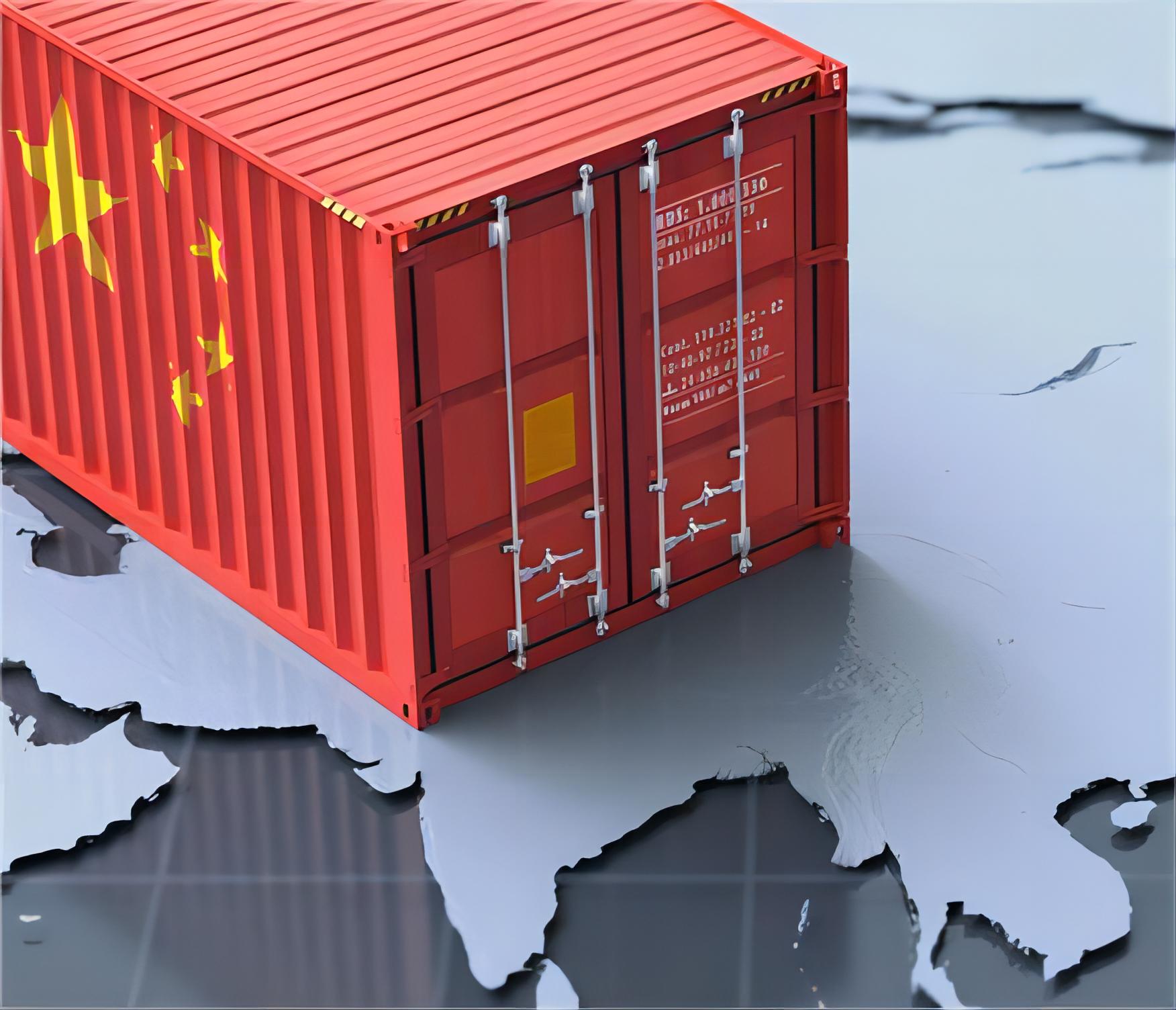
From port congestion to weather patterns, each variable plays a role in the overall delivery schedule. Therefore, importers must consider these aspects when forecasting their supply chain needs. This proactive approach helps avoid costly disruptions and maintains operational efficiency.
Route and Carrier Selection
The chosen shipping route, whether direct or involving transshipment, directly affects transit times. Direct routes, though sometimes costlier, offer faster delivery by avoiding intermediate port calls. Conversely, transshipment routes, often via ports like Busan, can add 5-10 days to the journey.
Furthermore, the reliability and schedule adherence of the selected shipping carrier are paramount. Major carriers offer more frequent sailings and better on-time performance. Always inquire about specific vessel schedules and their historical punctuality when booking your Flat Rack FCL shipment.
Port Congestion and Customs Clearance
Port congestion at either the origin or destination can cause substantial delays, especially during peak shipping seasons. Vessels might wait days or even weeks to berth, impacting the overall Flat Rack FCL transit time. Consequently, monitoring port conditions is vital for current logistics trends.
Additionally, efficient customs clearance in both China and the USA is indispensable. Incomplete or incorrect documentation leads to holds and inspections, prolonging your machinery’s release. Therefore, partnering with an experienced customs brokerage firm is highly recommended to expedite this process.
Weather Conditions and Seasonal Peaks
Adverse weather conditions, such as typhoons in the Pacific or severe storms, can force vessels to reroute or delay sailings. Such events are unpredictable but significantly affect shipping schedules. Moreover, seasonal peaks, like the run-up to Chinese New Year or holiday seasons, often lead to increased demand and potential delays.
Rates typically increase 15-25% during August-October peak season. Planning your shipment outside these periods can help avoid both delays and elevated freight rates. Therefore, flexibility in your shipping window offers considerable advantages.
Pre-carriage and On-carriage Logistics
Your machinery’s journey includes pre-carriage from the factory to the loading port and on-carriage from the discharge port to the final destination in Texas. These inland legs require specialized transport, permits, and equipment for oversized cargo. Any inefficiency here can add days to the overall Flat Rack FCL transit time.
Ensuring seamless coordination between all logistical parties is crucial for maintaining your delivery schedule. This involves proper planning for heavy haulage, road permits, and potential escorts for oversized loads within Texas. Hence, a comprehensive door-to-door logistics plan is essential for machinery transport.
How Does Flat Rack FCL Compare to Other Shipping Options?
When shipping heavy machinery from China to Texas, various methods exist, each with its own cost, transit time, and suitability. Understanding these alternatives helps in making an informed decision beyond just Flat Rack FCL transit time. Consequently, a comprehensive comparison is vital for optimal logistics planning.
While Flat Rack FCL is ideal for many oversized items, other specialized solutions like Breakbulk or even Air Freight for certain components might be considered. Therefore, evaluating your specific cargo’s dimensions, weight, urgency, and budget is paramount. This objective analysis ensures you select the most efficient shipping method for your needs.
| Shipping Method | Cost Range (40HQ equivalent) | Transit Time (Port-to-Port) | Best For | Limitations |
|---|---|---|---|---|
| Flat Rack FCL | $4,500-$7,000 | 30-45 days | Oversized, heavy, non-stackable machinery | Requires specialized handling; limited capacity on some vessels |
| Breakbulk | $6,000-$10,000+ | 35-55 days | Extremely large, non-containerizable items (e.g., entire factory modules) | Less frequent sailings; higher risk of damage; complex handling |
| Standard FCL (40HQ) | $4,000-$6,000 | 30-45 days | Standard-sized machinery, parts, or multiple smaller units | Limited by container dimensions; not suitable for oversized cargo |
| Air Freight | $15,000-$30,000+ | 5-10 days | Urgent, high-value, smaller machinery components | Very high cost; strict weight and dimension limits |
Optimizing Your Flat Rack FCL Transit Time and Costs
Optimizing your Flat Rack FCL transit time and managing costs effectively requires proactive strategies and expert coordination. By focusing on key areas, businesses can significantly improve their supply chain efficiency for machinery imports. Moreover, strategic planning prevents unforeseen expenses and delays.
From early booking to meticulous documentation, every step plays a role in the seamless execution of your shipment. Therefore, engaging with experienced logistics providers becomes invaluable. They offer insights into current market conditions and help navigate complexities.
Strategic Planning and Booking
Booking your Flat Rack FCL shipment well in advance is a fundamental step to secure space and potentially better rates. This is especially true during peak seasons when capacity for specialized equipment can be limited. Consequently, early reservation allows for more flexible scheduling.
Furthermore, establishing strong relationships with reliable carriers or freight forwarders provides access to preferred services and more consistent transit times. They offer valuable advice on optimal routes and vessel options for your specific machinery from China to Texas. Always ensure to get a current quote for accurate pricing.
Documentation and Compliance
Accurate and complete documentation is paramount for smooth customs clearance in both China and the USA. This includes commercial invoices, packing lists, bills of lading, and any required permits for oversized cargo. Incomplete paperwork is a common cause of significant delays.
Moreover, understanding and complying with U.S. import regulations and specific state requirements for oversized loads in Texas is critical. Engaging a professional for customs brokerage ensures all legalities are handled efficiently, minimizing the risk of holds or penalties. This expertise is vital for navigating complex import/export regulations.
Cargo Preparation and Lashing
Proper preparation and lashing of your machinery onto the flat rack are essential for its safety during transit. This involves securing the cargo to prevent movement, protecting vulnerable parts, and ensuring weight distribution complies with carrier regulations. Poor preparation can lead to damage or even rejection at the port.
Furthermore, professional cargo handling best practices include thorough pre-shipment inspections and appropriate packaging for international sea travel. These measures protect your valuable equipment against the rigors of ocean transit, thereby safeguarding your investment. Always confirm your cargo is ready for its journey.
Real-World Scenarios: Flat Rack FCL Machinery Shipments
Examining real-world case studies helps illustrate the complexities and successful outcomes of Flat Rack FCL transit time for machinery from China to Texas. These examples highlight typical scenarios, costs, and timelines involved. Therefore, they offer practical insights for your own shipping considerations.
Based on Q3 2024 market rates, these scenarios demonstrate how various factors influence overall logistics. They also underscore the importance of expert freight forwarding services for managing specialized cargo. Note: Freight rates are subject to change based on fuel costs, carrier capacity, and seasonal demand. Contact us for a current quote tailored to your specific shipment.
Case Study 1: Large Industrial Press
This case involved a heavy industrial press, critical for a manufacturing plant in Houston, requiring efficient transport. Its dimensions necessitated a Flat Rack solution, emphasizing secure lashing and expert handling. The client prioritized timely delivery to minimize production downtime.
| Detail | Description | ||||
|---|---|---|---|---|---|
| Route | Shanghai, China -> Houston, Texas, USA | ||||
| Cargo | Industrial Hydraulic Press, 10.5m x 3.2m x 3.0m, 35,000 kg | ||||
| Container | 1 x 40′ Flat Rack | ||||
| Shipping Details | Carrier: COSCO, Port of Loading: Shanghai, Port of Discharge: Houston, Route Type: Direct | ||||
| Cost Breakdown | Ocean Freight: $5,800 | Origin Charges: $750 | Destination Charges: $600 | Customs & Duties (estimated): $1,200 | Total Landed Cost: $8,350 |
| Timeline | Booking to Loading: 7 days | Sea Transit: 32 days | Customs Clearance: 3 days | Total Door-to-Door: 45 days | |
| Key Insight | Early booking secured direct vessel space, minimizing transit time despite peak season. Professional lashing ensured cargo integrity. |
Case Study 2: Construction Excavator
An excavator for a construction project near Dallas needed shipment from Ningbo. The project had a tight schedule, making predictable Flat Rack FCL transit time from China to Texas crucial. This shipment highlighted the coordination needed for inland transport.
| Detail | Description | ||||
|---|---|---|---|---|---|
| Route | Ningbo, China -> Galveston, Texas, USA | ||||
| Cargo | Mini Excavator (disassembled boom), 7.0m x 2.8m x 2.5m, 12,000 kg | ||||
| Container | 1 x 20′ Flat Rack | ||||
| Shipping Details | Carrier: MSC, Port of Loading: Ningbo, Port of Discharge: Galveston, Route Type: Transshipment via Busan | ||||
| Cost Breakdown | Ocean Freight: $4,800 | Origin Charges: $650 | Destination Charges: $550 | Customs & Duties (estimated): $800 | Total Landed Cost: $6,800 |
| Timeline | Booking to Loading: 10 days | Sea Transit: 38 days | Customs Clearance: 4 days | Total Door-to-Door: 55 days | |
| Key Insight | Transshipment added days but offered significant cost savings. Thorough documentation prevented customs delays, ensuring overall efficiency. |
Case Study 3: Custom Manufacturing Equipment
A specialized piece of custom manufacturing equipment, vital for an automotive plant in San Antonio, required careful handling. Its unique dimensions and high value made a dedicated Flat Rack FCL solution from Shenzhen imperative. This scenario emphasized the need for comprehensive insurance and expert supervision.
| Detail | Description | ||||
|---|---|---|---|---|---|
| Route | Shenzhen, China -> Houston, Texas, USA | ||||
| Cargo | Custom Manufacturing Line Component, 11.0m x 3.0m x 3.5m, 28,000 kg | ||||
| Container | 1 x 40′ Flat Rack | ||||
| Shipping Details | Carrier: Maersk, Port of Loading: Shenzhen, Port of Discharge: Houston, Route Type: Direct | ||||
| Cost Breakdown | Ocean Freight: $6,200 | Origin Charges: $800 | Destination Charges: $700 | Customs & Duties (estimated): $1,500 | Total Landed Cost: $9,200 |
| Timeline | Booking to Loading: 8 days | Sea Transit: 30 days | Customs Clearance: 2 days | Total Door-to-Door: 42 days | |
| Key Insight | Direct service and strong carrier relationship resulted in faster transit. Proactive communication with the logistics provider ensured smooth coordination and minimal issues. |
Which Option Should You Choose for Your Machinery Shipment?
Selecting the optimal shipping method for your machinery from China to Texas depends on several key considerations. Ultimately, a balanced decision framework accounts for budget, urgency, and the unique characteristics of your cargo. Therefore, evaluating these priorities is essential for efficient logistics.
For instance, if budget is your primary concern and you have flexibility with delivery times, Flat Rack FCL or Breakbulk are often the most cost-effective choices. Conversely, when speed is paramount for high-value components, air freight might be justified despite its higher cost. Always align the shipping method with your business objectives.
Moreover, the physical attributes of your machinery, such as its dimensions and weight, are non-negotiable factors. Oversized or extremely heavy items naturally lean towards Flat Rack FCL or Breakbulk solutions. Finally, consider the overall volume; for multiple smaller machines that fit standard containers, a regular FCL might suffice. For large-scale projects, combining solutions can be a viable strategy.
Ensuring Smooth Delivery with Expert Logistics
Navigating the complexities of international machinery shipping, particularly Flat Rack FCL transit time from China to Texas, benefits immensely from expert logistics support. A reliable freight forwarder acts as your single point of contact, streamlining the entire process. Consequently, this partnership minimizes stress and potential errors.
Experts assist with everything from initial booking and cargo preparation to customs documentation and final delivery. They leverage their network and experience to secure optimal freight rates and efficient routes for sea freight. Furthermore, they can provide comprehensive door-to-door service, handling all aspects of the journey.
For businesses shipping to North America, a professional freight forwarder offers invaluable market insights and regulatory compliance guidance. They ensure your machinery reaches its Texas destination safely and on schedule. This expertise is critical for managing intricate supply chain challenges.
Conclusion: Master Your Flat Rack FCL Transit from China to Texas
In conclusion, mastering the Flat Rack FCL transit time for machinery from China to Texas demands careful planning, an understanding of various logistical elements, and reliance on expert support. Factors such as route, port conditions, and documentation significantly influence the delivery schedule. By proactively addressing these, you can ensure a more predictable and efficient shipment.
Partnering with an experienced freight forwarder, like Top China Forwarder, is crucial for navigating complex international shipping. They can mitigate risks, optimize your supply chain, and ensure the timely and safe delivery of your valuable heavy equipment. Ultimately, informed decisions lead to successful outcomes in global machinery transport.