

Flat Rack FCL: Best Route for Textiles China to Long Beach
Shipping oversized textiles from China to Long Beach requires specialized logistics. Securing the Flat Rack FCL best route for textiles from China to Long Beach is crucial for efficiency and cost control. This guide outlines optimal strategies, ensuring your supply chain remains robust and reliable. Explore comprehensive logistics solutions at Top China Forwarder.
Understanding Flat Rack FCL for Textile Shipments
Transporting oversized textiles from China to Long Beach presents unique logistical challenges. Flat Rack Full Container Load (FCL) offers a specialized solution for cargo exceeding standard container dimensions. This method ensures dedicated space and specialized handling, crucial for sensitive and non-standard textile products.
What is Flat Rack FCL and Why Use It for Textiles?
A Flat Rack container lacks side walls and a roof, ideal for large industrial fabric rolls or specialized textile machinery. It provides unparalleled flexibility for unique dimensions. With FCL, your goods occupy the entire container, ensuring exclusive use and enhanced security. This approach prevents costly repacking, minimizes transit damage, and is a key component of efficient sea freight operations for specialized textile logistics.
Choosing the Flat Rack FCL Best Route: China to Long Beach
Identifying the Flat Rack FCL best route for textiles from China to Long Beach requires balancing speed, cost, and reliability. This strategic decision impacts your entire delivery schedule. The ‘best’ route is subjective, based on your shipment’s urgency, budget, and specific cargo handling needs.
| Origin Port (China) | Destination Port (USA) | Average Transit Time (Days) | Key Advantages |
|---|---|---|---|
| Shanghai | Long Beach | 14-18 | High frequency, direct services, major textile hub |
| Ningbo | Long Beach | 15-20 | Strong carrier presence, efficient operations |
| Shenzhen | Long Beach | 16-22 | Southern China gateway, competitive rates |
| Qingdao | Long Beach | 18-25 | Northern China access, growing capacity |

Major Loading Ports and Route Options
China’s key textile ports include Shanghai, Ningbo, and Shenzhen, offering diverse carrier options and competitive freight rates. Proximity to your supplier often dictates the most practical loading port. Direct routes to Long Beach offer faster transit (14-25 days) but may cost more. Transshipment routes, while economical, add days and handling points. This strategic choice is vital for optimizing import/export operations to North America.
Typical Transit Times and Schedules
Transit times for Flat Rack FCL from China to Long Beach vary, with direct services from major ports ranging from 12-18 days. Consistent schedules are vital for inventory planning. Working with reliable carriers ensures predictable lead times, though seasonal variations and port congestion can affect estimates for cargo handling. This consistency is a cornerstone of effective textile logistics.
Navigating Logistics: Costs, Customs, and Handling
Successfully moving textiles from China to Long Beach demands meticulous planning beyond container booking. Importers must carefully consider overall cost structures, customs procedures, and efficient cargo handling. This strategic foresight mitigates risks and enhances supply chain predictability.
Cost Components and Market Trends
Total shipping cost for Flat Rack FCL textiles includes ocean freight, origin/destination charges, customs duties, and insurance. Specialized equipment fees for Flat Rack containers can be higher. Freight rates are subject to market dynamics like fuel costs and carrier capacity; seasonal peaks (August-October) typically increase rates by 15-25%. Obtaining a detailed, all-inclusive quote is crucial for accurate budget planning and managing logistics trends effectively.
Customs Compliance and Efficient Cargo Handling
Textile imports into the U.S. face specific customs regulations, tariffs, and quota restrictions. Proper documentation is critical; non-compliance leads to severe delays. Engaging professional customs brokerage services ensures accurate declarations and adherence to all import requirements. Furthermore, Flat Rack containers require specialized equipment and expertise for all handling stages, minimizing damage and accelerating turnaround times.
Flat Rack FCL vs. Other Shipping Methods
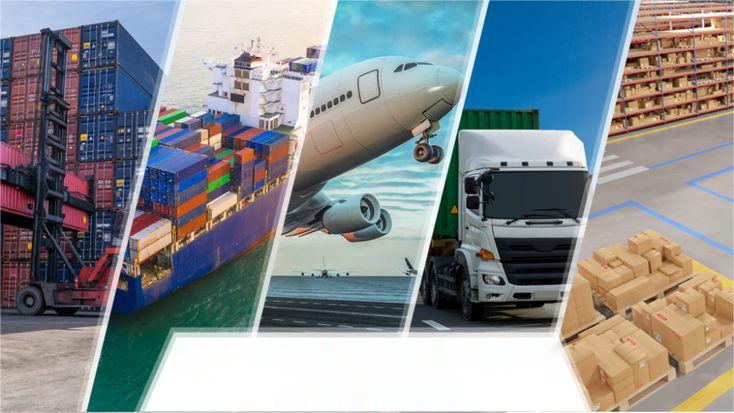
While Flat Rack FCL excels for specific textile cargo, understanding its comparison to other methods is crucial. Different cargo types, urgency, and budgets demand varied approaches. Evaluating alternatives like standard FCL, LCL, and air freight ensures you select the most appropriate logistics solution for your supply chain.
| Shipping Method | Cost Range (40HQ Equivalent) | Transit Time (China-Long Beach) | Best For | Limitations |
|---|---|---|---|---|
| Flat Rack FCL | $2,800 – $4,500 | 14-25 days | Oversized, heavy, non-stackable textiles/equipment | Higher specialized equipment fees, fewer carrier options |
| Standard FCL (40HQ) | $2,500 – $3,800 | 14-20 days | High volume, standard-sized textile goods (e.g., garments, fabric rolls) | Requires goods to fit inside standard container dimensions |
| LCL (Less than Container Load) | $80 – $150/CBM | 20-30 days | Smaller textile shipments (under 15 CBM), less urgent | Longer transit times, increased handling, potential for delays |
| Air Freight | $5 – $10/kg | 3-7 days | Urgent textile samples, high-value, low-volume goods | Significantly higher cost, limited capacity for very large items |
Which Option Should You Choose?
**Budget Priority**: Standard FCL or LCL is more economical for standard-sized, high-volume textiles. **Speed Priority**: Air freight offers unparalleled speed for urgent samples; Flat Rack FCL is the fastest ocean option for large, non-standard textile volumes. **Cargo Type**: Flat Rack FCL is indispensable for textiles too wide, tall, or heavy for conventional containers. **Volume Thresholds**: LCL for under 15 CBM; FCL for 20+ CBM. Flat Rack FCL is the definitive choice if dimensions exceed standard capabilities.
Real-World Textile Shipping Insights
Examining actual shipping scenarios provides valuable insights into applying the Flat Rack FCL best route for textiles from China to Long Beach. These case studies highlight common challenges and effective solutions, showcasing the efficiency and reliability achievable with proper execution and expert logistics planning.
Case Study 1: Oversized Fabric Rolls for Industrial Use
| Detail | Value |
|---|---|
| Route | Ningbo, China -> Long Beach, USA |
| Cargo | Specialized industrial fabric rolls (3.5m wide), 22 CBM, 12,000 kg |
| Container | 1 x 40′ Flat Rack |
| Shipping Details | Carrier: Maersk, Port of Loading: Ningbo, Port of Discharge: Long Beach, Route Type: Direct |
| Cost Breakdown | Ocean Freight: $4,100, Origin Charges: $650, Destination Charges: $800, Customs & Duties (estimated): $2,500, Total Landed Cost: $8,050 |
| Timeline | Booking to Loading: 7 days, Sea Transit: 18 days, Customs Clearance: 4 days, Total Door-to-Door: 29 days |
| Key Insight | Flat Rack FCL was essential for accommodating oversized dimensions. Specialized handling ensured cargo integrity. Typical rates as of early 2025. Note: Freight rates are subject to change based on fuel costs, carrier capacity, and seasonal demand. Contact us for a current quote tailored to your specific shipment. |
Case Study 2: Urgent Textile Sample Delivery
| Detail | Value |
|---|---|
| Route | Shenzhen, China -> Long Beach, USA |
| Cargo | High-value textile samples, 0.5 CBM, 150 kg |
| Container | Air Cargo |
| Shipping Details | Carrier: FedEx Express, Route Type: Direct Air Freight |
| Cost Breakdown | Air Freight: $1,200, Origin Charges: $150, Destination Charges: $100, Customs & Duties (estimated): $50, Total Landed Cost: $1,500 |
| Timeline | Booking to Loading: 1 day, Air Transit: 3 days, Customs Clearance: 1 day, Total Door-to-Door: 5 days |
| Key Insight | Air freight provided rapid delivery for time-critical samples, albeit at a higher per-kg cost. This option is ideal when speed outweighs budget concerns. Learn more about express service options. Market data suggests this is a common approach. |
Partnering with a Reliable Freight Forwarder
Choosing the right freight forwarder is paramount for successfully navigating international textile shipping. A seasoned partner offers expertise in route optimization, customs compliance, and specialized cargo handling. They are instrumental in securing the Flat Rack FCL best route for textiles from China to Long Beach, minimizing stress and ensuring safe, on-schedule arrivals. They manage everything from origin to final delivery, potentially offering door to door services.
Conclusion: Securing Your Textile Supply Chain
Ultimately, securing the Flat Rack FCL best route for textiles from China to Long Beach requires strategic planning, market awareness, and expert execution. Understanding Flat Rack containers, optimizing port selection, and navigating customs are all critical components. This comprehensive approach ensures efficiency and cost-effectiveness.
By leveraging detailed route analysis, comparing shipping alternatives, and partnering with a reputable freight forwarder, businesses can significantly enhance their textile import operations. This proactive strategy mitigates risks and guarantees timely, reliable delivery. Therefore, choose wisely for your valuable textile cargo.

Get Your Shipping Quote Today
Ready to optimize your textile shipments from China to Long Beach? Contact us today for a personalized quote and expert consultation on the Flat Rack FCL best route. Let our experienced team streamline your logistics and ensure efficient delivery of your valuable cargo.
Request Quote