

Flat Rack FCL: Best Route for Solar Panels from China to Germany
Navigating the complexities of international shipping for oversized cargo like solar panels demands expert planning. When importing these vital components from China to Germany, choosing the right method, especially Flat Rack FCL, is paramount for efficiency and cost-effectiveness. This guide, brought to you by Top China Forwarder, explores the optimal Flat Rack FCL best route for solar panels from China to Germany, ensuring your valuable photovoltaic modules arrive safely and on schedule. We aim to simplify the process, highlighting critical considerations for your supply chain.

Why Choose Flat Rack FCL for Shipping Solar Panels?
Shipping solar panels, particularly large-scale industrial modules, presents unique logistical challenges due to their size and fragility. Flat Rack Full Container Load (FCL) offers a specialized solution, providing unparalleled stability and protection. Unlike standard containers, flat racks lack side walls and a roof, facilitating easy top or side loading of oversized items.
This method is ideal for cargo exceeding the dimensions of a standard 40-foot high cube container. Consequently, it minimizes handling risks and ensures the structural integrity of sensitive solar photovoltaic modules. Furthermore, securing solar panels on a flat rack allows for optimal weight distribution, which is crucial for safe transit across long distances.
Opting for FCL means your cargo occupies the entire container, reducing potential damage from co-loading with other goods. Moreover, this dedicated space streamlines customs inspections and minimizes delays at transshipment points. Therefore, Flat Rack FCL stands out as a superior choice for large-volume solar panel shipments, offering peace of mind and enhanced security.
How Does Flat Rack FCL Compare to Other Shipping Options?
When planning the import of solar panels from China to Germany, evaluating different shipping methods is essential. Each option presents distinct advantages and disadvantages concerning cost, transit time, and suitability for oversized cargo. Understanding these differences helps in making informed decisions for your supply chain.
For instance, while air freight offers speed, its cost for bulky solar panels is often prohibitive. Rail freight provides a balance, but capacity for flat racks can be limited. Sea freight, specifically Flat Rack FCL, typically offers the best combination of capacity and cost-effectiveness for large solar panel consignments. This method is generally preferred for its reliable transit times and ability to handle significant volumes.
| Shipping Method | Cost Range (40′ Equivalent) | Transit Time (China-Germany) | Best For | Limitations |
|---|---|---|---|---|
| Flat Rack FCL (Sea) | $3,000 – $5,500 | 30-38 Days | Oversized, heavy, high volume solar panels | Slower transit, port congestion |
| Standard FCL (Sea) | $2,800 – $4,800 | 30-38 Days | Standard size solar panels, high volume | Not suitable for oversized dimensions |
| Rail FCL (China-Europe) | $8,000 – $12,000 | 18-25 Days | Time-sensitive, high value solar panels | Higher cost, less capacity for flat racks, limited routes |
| Air Cargo | $15,000 – $25,000+ | 5-7 Days | Urgent, high-value, small volume solar panels | Extremely high cost, size/weight restrictions |
What are the Best Routes and Ports for Solar Panels from China to Germany?
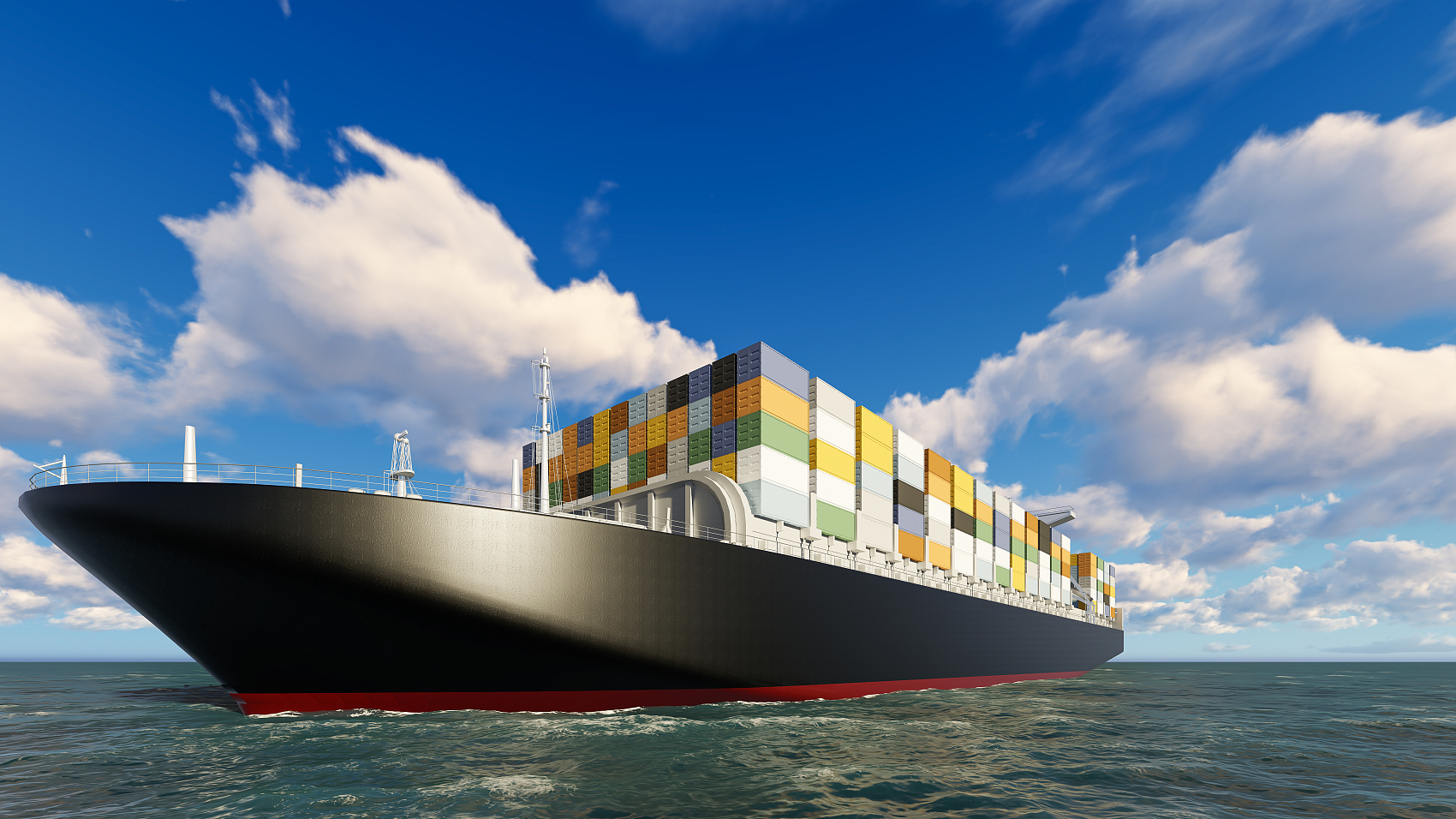
Selecting the optimal shipping route and ports is crucial for minimizing transit time and optimizing shipping costs. For Flat Rack FCL shipments of solar panels from China to Germany, major Chinese ports offer excellent connectivity to key German hubs. These established routes ensure reliable service and efficient cargo handling.
Main Chinese ports for export include Shanghai, Ningbo, Shenzhen, Qingdao, and Tianjin. These ports boast advanced infrastructure and frequent sailings, making them ideal loading points. On the German side, Hamburg, Bremerhaven, and Rotterdam (though in the Netherlands, it’s a major gateway for Germany) are primary ports of discharge, known for their efficiency and onward connectivity.
Direct routes, while sometimes slightly pricier, can save several days compared to routes involving transshipment. For instance, a direct sailing from Shanghai to Hamburg typically ranges from 30 to 35 days. Conversely, routes with transshipment via ports like Singapore or Port Klang might add 5-7 days to the total transit, but could offer cost savings during certain periods. Therefore, assessing current freight rates and vessel schedules is vital for determining the best route for your specific delivery schedule.
Case Study 1: Large-Scale Solar Farm Project
This case illustrates a typical large-scale project cargo shipment for a solar farm, emphasizing the need for robust planning and execution. The client required a cost-effective solution for a substantial volume of oversized solar panels. Utilizing Flat Rack FCL proved to be the most viable option, balancing transit time with budget constraints. Our sea freight services ensured smooth execution.
| Detail | Value |
|---|---|
| Route | Shanghai, China -> Hamburg, Germany |
| Cargo | 2000 units of oversized solar panels, 450 CBM, 150,000 kg |
| Container | 20 x 40′ Flat Rack |
| Shipping Details | Carrier: COSCO; Port of Loading: Shanghai; Port of Discharge: Hamburg; Route Type: Direct |
| Cost Breakdown (Q3 2024) | Ocean Freight: $55,000; Origin Charges: $4,500; Destination Charges: $3,000; Customs & Duties (est.): $12,000; Total Landed Cost: $74,500 |
| Timeline | Booking to Loading: 7 days; Sea Transit: 32 days; Customs Clearance: 3 days; Total Door-to-Door: 45 days |
| Key Insight | Early booking secured vessel space and favorable rates. Direct route mitigated transshipment risks and delays for sensitive cargo. |
Case Study 2: Urgent Replacement Modules
Sometimes, speed is a critical factor, even for larger components. This scenario involved a smaller, but urgent, shipment of replacement solar panels for an existing installation. While Flat Rack FCL was still necessary due to dimensions, a faster, premium sea service was selected. Our comprehensive door-to-door solutions streamlined this process.
| Detail | Value |
|---|---|
| Route | Ningbo, China -> Bremerhaven, Germany |
| Cargo | 50 units of commercial solar panels, 15 CBM, 5,000 kg |
| Container | 1 x 20′ Flat Rack |
| Shipping Details | Carrier: Maersk (premium service); Port of Loading: Ningbo; Port of Discharge: Bremerhaven; Route Type: Direct |
| Cost Breakdown (Q4 2024) | Ocean Freight: $4,800; Origin Charges: $600; Destination Charges: $400; Customs & Duties (est.): $800; Total Landed Cost: $6,600 |
| Timeline | Booking to Loading: 4 days; Sea Transit: 28 days; Customs Clearance: 2 days; Total Door-to-Door: 38 days |
| Key Insight | Opting for a premium direct service reduced transit time significantly, justifying the slightly higher cost for urgent components. |
Which Option Should You Choose for Your Solar Panel Shipment?
Deciding on the best shipping method for your solar panels from China to Germany requires a careful evaluation of several factors. Your primary business objectives and the specific characteristics of your cargo will guide this choice. Here is a framework to assist in your decision-making process.
Consider your budget first. If cost-effectiveness is your highest priority, Flat Rack FCL via sea freight is almost always the most economical choice for large volumes. However, if time is of the essence, a premium sea service or even a hybrid sea-rail option might be more suitable, despite the increased expense. Remember, balancing these trade-offs is key.
Moreover, the cargo type and volume are crucial. Oversized solar panels inherently demand flat rack containers. For smaller, standard-sized modules, a regular FCL or even LCL (Less than Container Load) might be considered, although LCL carries higher risks for fragile items. Always match the shipping solution to your precise cargo needs to ensure secure transport.
Budget Priority
If your budget is the main constraint, Flat Rack FCL sea freight offers the most competitive rates for large-volume solar panel shipments. While transit times are longer, the significant cost savings often make it the preferred option. This approach helps in optimizing overall shipping costs, especially for bulk orders.
Exploring different carriers and off-peak seasons can further reduce expenses. Additionally, consolidating multiple smaller orders into one large FCL shipment can lead to better per-unit pricing. Therefore, focus on long-term planning to leverage these cost-saving strategies effectively.
Speed Priority
For time-sensitive projects or urgent replacements, speed becomes paramount. In such cases, a premium direct sea freight service, offering faster transit times, is a viable option. Although more expensive than standard services, it ensures quicker delivery.
Alternatively, a combination of sea and rail freight could provide a faster alternative to pure sea freight. While not as rapid as air cargo, it significantly cuts down on ocean transit duration. This hybrid approach offers a middle ground, balancing speed with cost for critical components.
Cargo Type and Volume Considerations
The physical dimensions and fragility of solar panels dictate the container type. Oversized panels necessitate Flat Rack FCL to accommodate their width and length, ensuring secure loading and transit. This specialized equipment is designed to handle non-standard cargo effectively.
For very large project cargo, multiple flat racks or even breakbulk solutions might be required. Conversely, for smaller quantities of standard-sized panels, a general purpose 40′ HQ FCL might suffice. Always consult with a freight forwarder to ascertain the most appropriate container and handling methods for your specific solar panel type.

Navigating Customs and Documentation for Solar Panels to Germany
Successful import of solar panels into Germany requires meticulous attention to customs regulations and documentation. Proper preparation prevents delays, avoids penalties, and ensures a smooth entry for your cargo. Understanding both Chinese export and German import requirements is absolutely essential.
Key documents typically include the commercial invoice, packing list, bill of lading, certificate of origin, and any necessary product certifications (e.g., CE marking). Furthermore, specific tariff codes (HS Codes) for solar panels must be accurately declared to ensure correct import duties and taxes are applied. Our expert customs brokerage ensures compliance.
Germany, as part of the EU, adheres to strict environmental and product safety standards. Therefore, ensuring your solar panels comply with European regulations, such as RoHS and WEEE directives, is critical. Working with an experienced freight forwarder who specializes in shipping to Europe can significantly streamline this complex process, mitigating potential issues during customs clearance.
Market Trends and Cost Influences for Shipping Solar Panels
The global logistics landscape is dynamic, with various factors influencing freight rates and transit times for solar panel shipments. Staying informed about these market trends is crucial for effective supply chain management. For instance, global economic shifts, fuel prices, and geopolitical events can all impact shipping costs.
As of Q1 2025, freight rates from China to Europe have seen some stabilization following the volatility caused by 2024 Red Sea disruptions. However, capacity remains a key concern, particularly for specialized equipment like flat racks. Seasonal demand also plays a significant role; rates typically increase by 15-25% during August-October peak season due to increased holiday shopping and manufacturing activity.
Moreover, port congestion at major hubs in both China and Germany can lead to unforeseen delays and additional charges. Industry average for this route suggests that proactive booking and flexible scheduling can help mitigate these risks. Partnering with a freight forwarder who has strong relationships with carriers can offer better access to capacity and more stable freight rates, crucial for consistent solar panel supply.
Optimizing Your Solar Panel Supply Chain with a Reliable Partner
Achieving an efficient and resilient supply chain for solar panels from China to Germany relies heavily on strategic partnerships. Collaborating with a knowledgeable freight forwarder like Top China Forwarder can unlock significant advantages. We offer tailored logistics solutions that address the unique challenges of oversized cargo.
Our expertise extends beyond simple transportation, encompassing comprehensive services from origin to destination. This includes careful cargo handling, precise documentation, and proactive communication throughout the shipping process. Furthermore, we provide end-to-end visibility, allowing you to track your valuable solar panel shipments every step of the way.
By leveraging our extensive network and deep understanding of the Flat Rack FCL best route for solar panels from China to Germany, businesses can minimize risks and optimize overall efficiency. We focus on delivering not just cargo, but also peace of mind, ensuring your solar energy projects stay on track and within budget. Consider exploring our rail freight options for specific scenarios.
Final Thoughts on Flat Rack FCL for Solar Panels to Germany
In conclusion, selecting the Flat Rack FCL best route for solar panels from China to Germany is a strategic decision requiring careful consideration of various factors. While sea freight via flat rack containers remains the most cost-effective and suitable option for oversized photovoltaic modules, understanding market dynamics, customs requirements, and alternative shipping methods is vital.
Partnering with an experienced logistics provider is paramount to navigating these complexities successfully. Such a partnership ensures secure transport, optimized transit times, and compliance with all international regulations. Ultimately, a well-executed shipping strategy contributes significantly to the success of your solar energy projects. Freight rates are subject to change based on fuel costs, carrier capacity, and seasonal demand. Contact us for a current quote tailored to your specific shipment.
Need a tailored shipping solution?
Ready to optimize your solar panel shipments from China to Germany? Contact Top China Forwarder today for a personalized quote and expert consultation. Let us help you navigate the complexities of Flat Rack FCL logistics, ensuring your valuable cargo arrives safely and efficiently.