

FCL Shipping for Machinery from China to Houston: Your Complete Guide
Shipping heavy machinery from China to Houston demands meticulous planning and expert execution. Businesses often face challenges like fluctuating freight rates, complex customs procedures, and extended transit times. Fortunately, partnering with an experienced logistics provider like Top China Forwarder can transform these hurdles into a streamlined, efficient process, ensuring your valuable equipment arrives safely and on schedule.
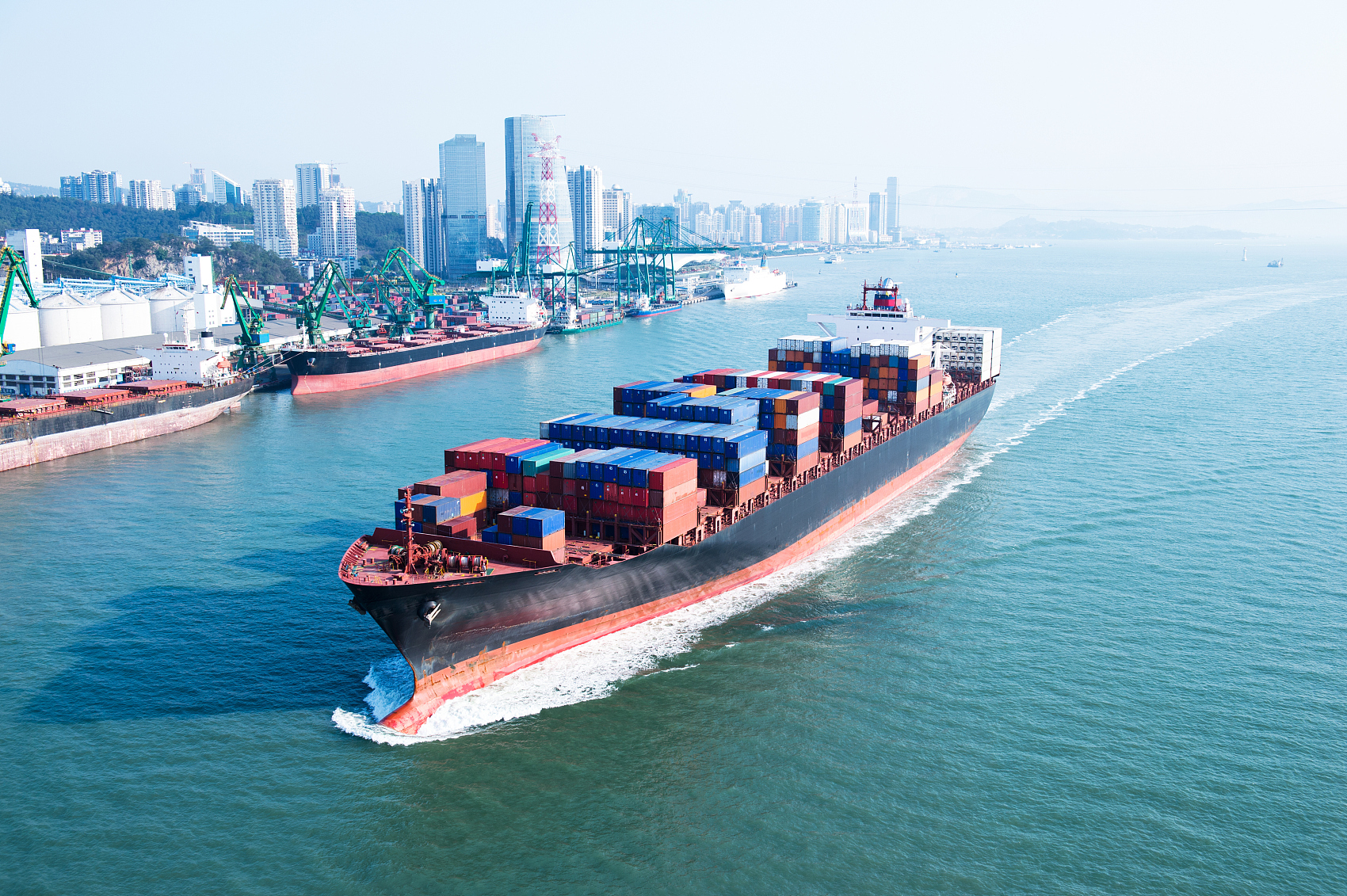
Understanding FCL Shipping for Machinery to Houston
Full Container Load (FCL) shipping involves reserving an entire container exclusively for your cargo. This method is particularly advantageous for transporting machinery and heavy equipment due to its security and efficiency.
Indeed, FCL minimizes handling risks, offers dedicated space, and typically provides faster transit times compared to sharing container space. Consequently, it is the preferred choice for high-value or delicate industrial goods.
Moreover, FCL provides greater control over your shipment’s schedule and route. This is crucial for project-based machinery imports where timely delivery is paramount for operational continuity.
Ultimately, choosing FCL means your machinery is sealed at the origin and remains untouched until it reaches its destination in Houston. This significantly reduces the chances of damage or theft during transit.
Key Factors Influencing FCL Shipping Costs from China to Houston
The total cost of FCL shipping from China to Houston is influenced by several critical factors. These include ocean freight rates, which fluctuate based on market demand, fuel surcharges, and carrier capacity.
Additionally, origin charges cover local trucking, terminal handling, and documentation in China. Similarly, destination charges in Houston encompass port fees, drayage, and customs clearance services.
Furthermore, the type and size of the container (20GP, 40GP, 40HQ) directly impact the base freight cost. Therefore, understanding these components is vital for accurate budgeting and cost management.
As of Q1 2025, freight rates from China to the US Gulf Coast have seen some stabilization, though seasonal peaks, particularly before holidays like Chinese New Year, can still lead to temporary increases.
| Container Type | Typical Capacity (CBM) | Estimated Ocean Freight (China to Houston, Q1 2025) | Best For |
|---|---|---|---|
| 20GP | 33 CBM | $2,800 – $3,800 | Heavier, smaller machinery |
| 40GP | 67 CBM | $4,500 – $6,000 | Lighter, bulkier machinery |
| 40HQ | 76 CBM | $5,000 – $6,500 | Large volume, light density machinery |
Navigating Transit Times and Routes for Houston-Bound Cargo
Transit time is a crucial consideration for businesses importing machinery. Typically, sea freight from major Chinese ports like Shanghai, Ningbo, or Shenzhen to the Port of Houston ranges from 30 to 38 days.
Indeed, this duration primarily covers the ocean leg, but total door-to-door delivery will extend further. Factors such as port congestion, weather conditions, and customs clearance procedures can influence the overall timeline.
Most routes to Houston involve direct services or transshipment via major hubs in Southeast Asia or Panama. Direct routes, while sometimes slightly more expensive, generally offer faster and more predictable delivery schedules.
Conversely, transshipment routes might take a few extra days but can sometimes be more cost-effective. Therefore, selecting the optimal route requires balancing speed and budget.
Essential Documentation and Customs Clearance for Machinery Imports
Importing machinery into the United States requires precise and complete documentation to ensure a smooth customs clearance process. Key documents include the Commercial Invoice, Packing List, and Bill of Lading.
Furthermore, specific machinery might necessitate additional permits or certifications from agencies like the Environmental Protection Agency (EPA) or the Department of Transportation (DOT). Consequently, thorough preparation is paramount.
Engaging a reputable customs brokerage service is highly recommended. They can navigate the complexities of US Customs and Border Protection (CBP) regulations, ensuring compliance and preventing costly delays.
Ultimately, errors in documentation can lead to significant demurrage and detention charges, as well as potential penalties. Therefore, professional assistance is invaluable for complex machinery imports.
How Does FCL Shipping Compare to Other Options for Machinery?
When shipping machinery from China to Houston, FCL sea freight is often the most balanced option. However, it is essential to consider alternatives like Less than Container Load (LCL) or air freight, depending on your specific needs.
For instance, LCL might be suitable for smaller, less time-sensitive machinery, while air freight is reserved for urgent, high-value, or extremely lightweight components. Rail freight, while viable for intra-continental shipping, is not a direct option for China to Houston sea routes.
As a result, understanding the trade-offs between cost, speed, and cargo volume is critical for making an informed decision. This comparison will help you determine the best logistics strategy for your particular shipment.
| Shipping Method | Cost Range (China to Houston) | Transit Time | Best For | Limitations |
|---|---|---|---|---|
| FCL Sea Freight | $2,800 – $6,500 (per container) | 30-38 days | Large, heavy, or high-volume machinery; cost-effective | Longer transit times, potential port delays |
| LCL Sea Freight | $80 – $150 (per CBM) | 35-45 days | Smaller shipments (under 15 CBM), flexible volume | Increased handling, slower, potential for delays |
| Air Freight | $5 – $10 (per kg) | 3-7 days | Urgent, high-value, lightweight components; samples | Very high cost, volume/weight restrictions |
Which Option Should You Choose?
The ideal shipping method depends heavily on your priorities. For instance, if budget is your primary concern and time is flexible, FCL sea freight is almost always the most economical choice.
Conversely, if speed is paramount for critical components or urgent repairs, air freight, despite its higher cost, becomes the necessary solution. Cargo type also plays a role.
Furthermore, machinery that is bulky or heavy benefits greatly from the dedicated space and robust handling capabilities of FCL. For smaller items, LCL can be a cost-effective alternative.
Ultimately, consider your volume thresholds: FCL becomes more cost-efficient than LCL once your cargo exceeds roughly 15-20 CBM. Hybrid solutions, such as sea-air, can also be explored for a balance of speed and cost, though less common for direct machinery shipments to Houston.
Streamlining Your FCL Shipping Process: Expert Tips
To ensure a smooth FCL shipping experience for your machinery, several expert tips can prove invaluable. Firstly, always plan ahead and book your container well in advance, especially during peak seasons.
Secondly, proper packaging and crating are non-negotiable for machinery. This protects your valuable assets from movement and potential damage during the long ocean journey.
Moreover, consider comprehensive cargo insurance. While FCL offers good security, unforeseen events can occur, and insurance provides financial protection against loss or damage.
Finally, working with an experienced freight forwarder who specializes in sea freight to North America is crucial. They can offer invaluable advice on routes, documentation, and cost-saving strategies.
Real-World Scenarios: FCL Machinery Shipments to Houston
Examining actual case studies provides practical insights into the complexities and successful execution of FCL machinery shipments from China to Houston. These examples highlight typical costs, timelines, and logistical considerations.
Case Study 1: Industrial Press to Texas
This scenario details the successful shipment of a heavy industrial press, emphasizing the importance of specialized handling and efficient customs clearance.
| Detail | Value |
|---|---|
| Route | Shanghai, China -> Houston, USA |
| Cargo | Industrial Hydraulic Press, 25 CBM, 15,000 kg |
| Container | 1 x 40GP |
| Carrier/Service | COSCO (Major carrier) |
| Port of Loading | Shanghai |
| Port of Discharge | Houston |
| Route Type | Direct |
| Ocean Freight | $4,800 |
| Origin Charges | $350 |
| Destination Charges | $550 |
| Customs & Duties (estimated) | $1,200 |
| Total Landed Cost | $6,900 |
| Booking to Loading | 7 days |
| Sea Transit | 32 days |
| Customs Clearance | 3 days |
| Total Door-to-Door | 45 days |
| Key Insight | Early booking secured competitive rates; efficient customs brokerage avoided delays. |
Case Study 2: Manufacturing Equipment Upgrade
This case illustrates the logistics of importing a full container of manufacturing line upgrades, highlighting coordination for timely delivery and installation.
| Detail | Value |
|---|---|
| Route | Ningbo, China -> Houston, USA |
| Cargo | Assorted Manufacturing Equipment, 60 CBM, 10,000 kg |
| Container | 1 x 40HQ |
| Carrier/Service | MSC (Major carrier) |
| Port of Loading | Ningbo |
| Port of Discharge | Houston |
| Route Type | Transshipment via Panama |
| Ocean Freight | $5,200 |
| Origin Charges | $400 |
| Destination Charges | $600 |
| Customs & Duties (estimated) | $1,500 |
| Total Landed Cost | $7,700 |
| Booking to Loading | 9 days |
| Sea Transit | 36 days |
| Customs Clearance | 4 days |
| Total Door-to-Door | 50 days |
| Key Insight | Transshipment route offered better rates; careful planning for inland transport post-arrival. |

Ensuring a Smooth Door-to-Door Delivery in Houston
The journey of your machinery does not end once the container arrives at the Port of Houston. The final leg, often referred to as drayage and last-mile delivery, is equally critical for a seamless process.
Drayage involves transporting the container from the port to your designated warehouse or facility. Subsequently, effective coordination is essential to avoid demurrage charges at the port.
Many importers opt for comprehensive door-to-door service. This service covers the entire logistics chain, from the supplier’s factory in China to your final destination in Houston, simplifying the process considerably.
Furthermore, a reliable logistics partner will manage all aspects, including customs clearance, drayage, and final delivery, providing a single point of contact and minimizing potential headaches. Note: Freight rates are subject to change based on fuel costs, carrier capacity, and seasonal demand. Contact us for a current quote tailored to your specific shipment.
Conclusion
Successfully managing FCL shipping for machinery from China to Houston requires a deep understanding of logistics, customs, and market dynamics. By choosing FCL, you benefit from enhanced security and cost-efficiency for your valuable equipment.
Moreover, partnering with an experienced freight forwarder is paramount to navigate the complexities of international shipping, from optimizing transit routes to ensuring meticulous documentation and smooth customs clearance. Ultimately, a well-planned FCL shipment can significantly contribute to your supply chain’s reliability and cost-effectiveness.
We encourage you to leverage professional expertise to ensure your machinery arrives in Houston safely, on time, and within budget.
Need a tailored shipping solution?
Ready to streamline your FCL shipping for machinery from China to Houston? Contact our expert team today for a customized quote and discover how our comprehensive solutions can benefit your business. We are here to simplify your international logistics.