

FCL Shipping for Furniture from China to Europe: A Complete Guide
Importing furniture from China to Europe can be a complex logistical challenge. However, Full Container Load (FCL) shipping offers a reliable and cost-effective solution for businesses handling substantial volumes. This comprehensive guide details everything you need to know about FCL shipping for furniture from China to Europe, ensuring a smooth and efficient supply chain. Discover expert strategies and services at Top China Forwarder.

Why Choose FCL Shipping for Furniture from China to Europe?
Shipping large quantities of furniture demands a robust and secure logistics solution. FCL shipping, or Full Container Load, means your goods occupy an entire container, offering exclusive space for your shipment. This method significantly reduces the risk of damage, as your furniture is not handled or consolidated with other consignments.
Furthermore, FCL provides unparalleled efficiency for substantial volumes, making it the preferred choice for furniture retailers and manufacturers. You maintain greater control over transit times and delivery schedules, which is crucial for managing inventory and meeting customer expectations. Ultimately, for businesses importing furniture, FCL represents a strategic advantage.
Understanding FCL Shipping: The Basics
Before diving into the specifics, it’s essential to grasp the fundamentals of FCL shipping. This dedicated service ensures your cargo remains sealed from origin to destination, minimizing potential issues. Consequently, it’s ideal for sensitive or high-value furniture items.
What is FCL?
FCL stands for Full Container Load, indicating that your shipment fills an entire shipping container. You pay for the exclusive use of the container, regardless of whether it’s completely full. This offers peace of mind and often greater cost-efficiency for larger consignments.
Common container sizes include 20-foot General Purpose (20GP), 40-foot General Purpose (40GP), and 40-foot High Cube (40HQ). The 40HQ is particularly popular for furniture due to its increased height, allowing more volume for bulky items like sofas and wardrobes.
Key Benefits for Furniture Importers
Opting for FCL shipping for furniture from China to Europe provides several distinct benefits. Firstly, it offers enhanced security and reduced handling, which is vital for preventing damage to fragile or assembled furniture pieces. Your goods are loaded once at the origin and unloaded only at the final destination.
Secondly, FCL typically results in faster transit times compared to Less than Container Load (LCL) shipments. There are no delays associated with consolidating cargo from multiple shippers, thus streamlining your supply chain. Moreover, FCL offers predictable pricing, simplifying budget forecasting for your import operations.
Navigating the FCL Shipping Process
Successfully moving furniture across continents via FCL requires careful planning and execution. Understanding each stage of the process is paramount for a smooth import experience. Therefore, partnering with an experienced freight forwarder is highly recommended.
| Document Type | Purpose | Issuing Party | Importance |
|---|---|---|---|
| Commercial Invoice | Details goods sold, value, terms | Seller/Exporter | Customs valuation, duties |
| Packing List | Itemized list of contents, weights, dimensions | Seller/Exporter | Cargo verification, customs inspection |
| Bill of Lading (B/L) | Contract of carriage, title to goods | Carrier/Forwarder | Proof of ownership, release of goods |
| Certificate of Origin | Declares country of manufacture | Chamber of Commerce | Preferential tariffs, trade agreements |
| Import License (if applicable) | Permission to import restricted goods | Importer’s Government | Regulatory compliance |

Step-by-Step Guide
The FCL shipping journey begins with booking your container and coordinating with your supplier for loading. Subsequently, critical documentation, including commercial invoices and packing lists, must be prepared accurately. Once loaded, the container is transported to the port of loading in China.
After customs clearance in China, the container is loaded onto a vessel for its sea freight journey to Europe. Upon arrival at the European port, the container undergoes import customs clearance, a process often facilitated by a skilled customs brokerage service. Finally, the container is transported to your warehouse for unloading.
FCL Shipping Costs from China to Europe
Note: Freight rates are subject to change based on fuel costs, carrier capacity, and seasonal demand. Contact us for a current quote tailored to your specific shipment.
| Container Type | Typical Ocean Freight Cost (USD) | Volume (CBM) | Max Weight (kg) |
|---|---|---|---|
| 20GP | $1,800 – $2,500 | 33 CBM | 28,000 kg |
| 40GP | $2,800 – $3,800 | 67 CBM | 28,000 kg |
| 40HQ | $3,000 – $4,200 | 76 CBM | 28,000 kg |
Factors Influencing Freight Rates
Several variables impact the overall cost of FCL shipping for furniture from China to Europe. These include fuel surcharges (Bunker Adjustment Factor), peak season surcharges (typically August to October), and port congestion fees. Moreover, geopolitical events, such as the Red Sea disruptions in 2024, can significantly alter routes and increase freight rates.
Container availability and carrier capacity also play a substantial role in pricing. Additionally, origin charges (e.g., terminal handling, documentation) and destination charges (e.g., port fees, drayage) contribute to the total landed cost. Always consider these elements when planning your budget.
Transit Times and Delivery Schedules
Predicting transit time is essential for managing your inventory and sales timelines. FCL shipping from China to Europe involves varying sea transit durations, influenced by factors like direct routes versus transshipment. Consequently, understanding these timings helps in setting realistic delivery schedules.
As of Q1 2025, typical transit times have largely stabilized following earlier disruptions. However, port congestion at either end can still cause minor delays. Therefore, it’s wise to build a small buffer into your planning.
| Origin Port (China) | Destination Port (Europe) | Average Sea Transit (Days) | Route Type |
|---|---|---|---|
| Shanghai | Rotterdam | 30-34 | Direct |
| Ningbo | Hamburg | 32-36 | Direct |
| Shenzhen | Felixstowe | 28-32 | Direct |
| Qingdao | Antwerp | 33-37 | Direct |
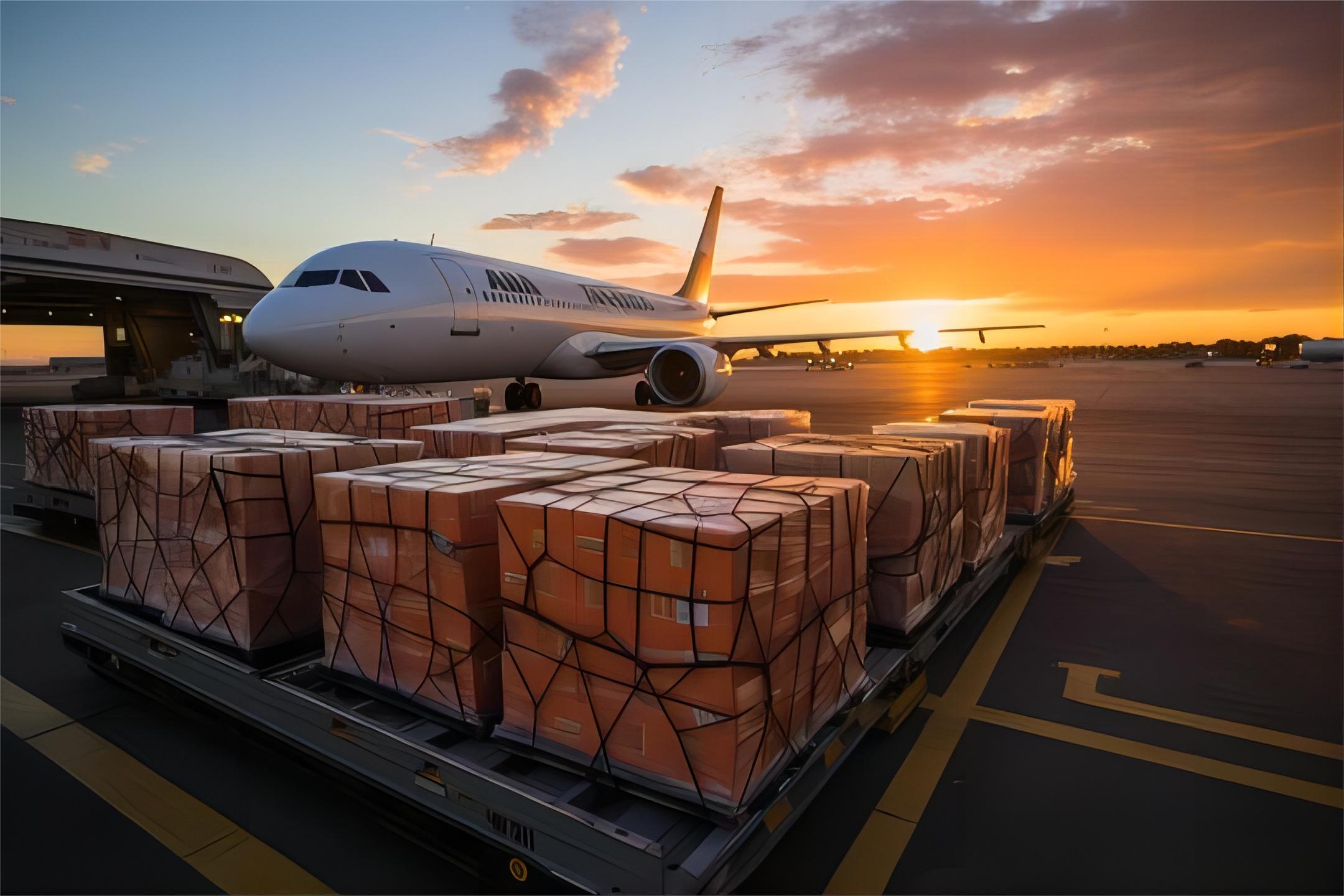
Average Transit Durations
The average sea transit time for FCL shipping from major Chinese ports (like Shanghai, Ningbo, Shenzhen) to key European ports (such as Rotterdam, Hamburg, Felixstowe) typically ranges from 28 to 35 days for direct routes. Transshipment via hubs like Singapore or Port Klang might add 5-7 days to this journey.
Overall, the total door-to-door delivery schedule will also include origin logistics, customs clearance, and inland transportation at the destination. This entire process can often extend to 40-50 days. Always confirm specific transit times with your freight forwarder.
How Does FCL Shipping Compare to Other Shipping Options?
When importing furniture from China to Europe, FCL is not the only option available. Evaluating alternatives is crucial for making informed decisions tailored to your specific needs. Each method offers distinct advantages and trade-offs in terms of cost, speed, and suitability for different cargo types.
Understanding these differences helps businesses optimize their logistics strategy. For instance, smaller shipments might benefit from LCL, while urgent, high-value items could justify air freight. Weighing these factors carefully ensures you choose the most efficient and economical approach.
Shipping Method Comparison
Consider the following comparison to determine the best shipping method for your furniture imports. This analysis focuses on typical scenarios for China to Europe routes.
For example, while sea freight (FCL) costs $3,000-4,200 for a 40HQ, air freight for the same volume would cost $15,000-25,000 but arrives in 5-7 days instead of 30-40 days. This stark difference highlights the trade-off between cost and speed.
| Shipping Method | Cost Range (China-Europe) | Transit Time (Days) | Best For | Limitations |
|---|---|---|---|---|
| FCL Sea Freight | Medium ($3,000-4,500/40HQ) | 28-40 | Large volumes, bulky furniture, cost-sensitive | Slowest option |
| LCL Sea Freight | Low-Medium ($50-80/CBM) | 35-50 | Small to medium volumes (under 15 CBM), less urgent | More handling, potential delays, higher per CBM cost for larger volumes |
| Air Freight | High (>$5/kg) | 3-7 | Urgent, high-value, samples, small volumes | Very expensive, volume/weight restrictions, high carbon footprint |
| Rail Freight | Medium ($6,000-8,000/40HQ) | 18-25 | Time-sensitive but not urgent, large volumes, specific routes | Limited routes/terminals, less capacity than sea, more expensive than sea |
Which Option Should You Choose?
Selecting the optimal shipping method depends on your priorities and cargo specifics. Evaluate your needs against the criteria below to make an informed decision. This framework helps in choosing between FCL shipping for furniture from China to Europe and other viable alternatives.
If budget is your primary concern, FCL sea freight is almost always the most economical choice for substantial furniture volumes. For instance, if you’re importing an entire container of dining sets, FCL offers the lowest per-unit cost. However, if speed is paramount for a new product launch, air freight is the only option, despite its higher cost.
For medium-sized shipments (e.g., 5-15 CBM) that aren’t time-critical, LCL sea freight can be a good compromise. Moreover, for routes where rail freight is available, it offers a compelling balance of speed and cost, sitting between sea and air freight. Consider hybrid solutions, such as sea-air for parts of the journey, if you need a mix of speed and cost-efficiency for specific components.
Real-World FCL Shipping Case Studies
Examining real-world scenarios provides practical insights into FCL shipping for furniture from China to Europe. These case studies illustrate how different businesses leverage FCL to meet their unique logistical demands. They highlight typical costs, transit times, and potential challenges encountered.
These examples also demonstrate the importance of meticulous planning and choosing the right freight forwarder. Based on Q3 2024 market rates, these scenarios offer a realistic glimpse into current shipping operations and outcomes. Note: Specific carrier names are illustrative; actual carriers may vary.
Case Study 1: Large Volume Furniture Retailer
A European furniture chain needed to replenish their stock of various home furnishings for the upcoming season. They opted for FCL due to the sheer volume and the need for cost-effectiveness. The shipment involved a mix of flat-packed and pre-assembled items, requiring careful loading.
| Detail | Description |
|---|---|
| Route | Shanghai, China Rotterdam, Netherlands |
| Cargo | Assorted household furniture (sofas, tables, chairs), 70 CBM, 15,000 kg |
| Container | 1 x 40HQ |
| Shipping Details | Carrier: COSCO, Port of Loading: Shanghai, Port of Discharge: Rotterdam, Route Type: Direct |
| Cost Breakdown (USD) | Ocean Freight: $3,500, Origin Charges: $450, Destination Charges: $550, Customs & Duties (estimated): $1,200, Total Landed Cost: $5,700 |
| Timeline | Booking to Loading: 5 days, Sea Transit: 32 days, Customs Clearance: 3 days, Total Door-to-Door: 45 days |
| Key Insight | Achieved significant cost savings per unit compared to LCL. Pre-booking during peak season avoided surcharges. The direct route minimized transit time. |

Case Study 2: Custom-Made Luxury Furniture Importer
An importer specializing in high-end, custom-made furniture required secure and dedicated transport for a single client’s bespoke order. Due to the high value and delicate nature of the items, FCL was chosen for maximum protection and minimal handling. This shipment prioritized security over absolute lowest cost.
| Detail | Description |
|---|---|
| Route | Ningbo, China Hamburg, Germany |
| Cargo | Luxury custom-made wooden dining sets and cabinets, 45 CBM, 8,000 kg |
| Container | 1 x 40GP |
| Shipping Details | Carrier: Maersk, Port of Loading: Ningbo, Port of Discharge: Hamburg, Route Type: Direct |
| Cost Breakdown (USD) | Ocean Freight: $3,200, Origin Charges: $400, Destination Charges: $500, Customs & Duties (estimated): $1,500, Total Landed Cost: $5,600 |
| Timeline | Booking to Loading: 7 days, Sea Transit: 34 days, Customs Clearance: 4 days, Total Door-to-Door: 48 days |
| Key Insight | FCL provided exclusive space, significantly reducing damage risk for valuable cargo. Close coordination with the supplier ensured proper crating and loading. Slight delays at customs were managed with proactive documentation. |
Case Study 3: Seasonal Furniture Collection
A boutique European home decor store needed to import a new seasonal collection of outdoor furniture, which was bulky but relatively lightweight. Timely arrival before the summer season was critical. They chose FCL for its reliability and direct routing options to ensure prompt market entry. The goal was to balance cost with a predictable delivery schedule.
| Detail | Description |
|---|---|
| Route | Shenzhen, China Felixstowe, UK |
| Cargo | Outdoor patio furniture (aluminum frames, cushions), 60 CBM, 10,000 kg |
| Container | 1 x 40HQ |
| Shipping Details | Carrier: MSC, Port of Loading: Shenzhen, Port of Discharge: Felixstowe, Route Type: Direct |
| Cost Breakdown (USD) | Ocean Freight: $4,000, Origin Charges: $480, Destination Charges: $600, Customs & Duties (estimated): $1,000, Total Landed Cost: $6,080 |
| Timeline | Booking to Loading: 6 days, Sea Transit: 30 days, Customs Clearance: 2 days, Total Door-to-Door: 42 days |
| Key Insight | Despite a slightly higher rate due to seasonal demand (Q4 booking for Q1 delivery), the direct FCL route ensured the collection arrived well before the selling season. Efficient communication with the forwarder helped navigate minor port congestion. |
Optimizing Your Furniture Supply Chain
Efficient FCL shipping for furniture from China to Europe goes beyond simply booking a container. It involves strategic planning and leveraging expert services to streamline your entire supply chain. Subsequently, this optimization can lead to significant cost savings and improved delivery times.
Focusing on robust partnerships and proactive risk management is key. This approach ensures your furniture imports are not only cost-effective but also resilient to potential disruptions. Therefore, a holistic view of logistics is essential for long-term success.
Partnering with a Reliable Freight Forwarder
Choosing the right freight forwarder is perhaps the most critical decision for successful FCL furniture imports. A reputable partner like Top China Forwarder can offer comprehensive services, from origin consolidation to final delivery. They possess the expertise to navigate complex international shipping regulations.
Look for a forwarder that offers integrated services, including door-to-door solutions, ensuring seamless handling from your supplier’s factory to your warehouse. Furthermore, a good forwarder will provide transparent communication and proactive problem-solving, which is invaluable for managing your global supply chain effectively.
Managing Risks and Delays
Even with meticulous planning, international shipping can encounter unforeseen challenges. Port congestion, customs inspections, and adverse weather conditions can all cause delays. Therefore, having a contingency plan and robust cargo insurance is highly advisable.
Maintain open communication with your freight forwarder and supplier throughout the process. Regular updates on vessel movements and potential issues allow for quicker responses and adjustments to your delivery schedules. Proactive risk management is a cornerstone of efficient furniture import logistics.
Conclusion
FCL shipping for furniture from China to Europe offers an ideal blend of cost-effectiveness, security, and efficiency for businesses dealing with substantial volumes. By understanding the process, managing costs, and partnering with an experienced freight forwarder, you can optimize your import operations. This ensures your valuable furniture arrives safely and on schedule, supporting your business growth.
Navigating international logistics can be challenging, but with the right strategy and support, it becomes a competitive advantage. Focus on detailed planning and reliable partnerships to master your furniture import supply chain. Ultimately, informed decisions lead to successful and profitable international trade.
Get Your Shipping Quote Today
Ready to streamline your FCL shipping for furniture from China to Europe? Contact our experts today for a personalized quote and discover how our tailored solutions can enhance your supply chain efficiency and reduce costs. Let us handle the complexities so you can focus on your business.
Request Quote