

FCL Shipping for Electronics from China to Germany: Your Complete Guide
Shipping electronics from China to Germany demands careful planning and execution, especially when dealing with valuable, sensitive cargo. Full Container Load (FCL) shipping often provides the most efficient and secure solution for larger volumes. This comprehensive guide, brought to you by Top China Forwarder, will demystify the process, helping you optimize your logistics and ensure a smooth delivery.

What is FCL Shipping for Electronics?
FCL, or Full Container Load, refers to shipping cargo that occupies an entire container, regardless of whether it fills it completely. This method is particularly advantageous for electronics due to the security and dedicated space it offers.
Essentially, your electronic goods are the sole contents of the container, minimizing handling and reducing the risk of damage or theft. This dedicated space also often translates to faster transit times compared to shared container options.
Why Choose FCL Shipping for Electronics from China to Germany?
Opting for FCL when shipping electronics from China to Germany presents several compelling benefits. Firstly, it offers enhanced security; your goods remain sealed within a single container from origin to destination, significantly reducing exposure to potential damage or theft. This is crucial for high-value electronic components and finished products.
Furthermore, FCL typically provides faster transit times. Without the need for consolidation or deconsolidation at various ports, the container moves directly to its destination. This streamlined process is vital for meeting tight delivery schedules and managing inventory effectively, especially in the fast-paced electronics market.
Moreover, FCL shipping can be more cost-effective for larger volumes. While the initial per-container cost might seem higher than Less than Container Load (LCL), the per-unit cost often decreases substantially when you fill a container. This makes it an economical choice for bulk orders or regular shipments of electronic devices.
Finally, FCL offers greater control over your cargo. You can dictate packing methods and ensure optimal loading to protect sensitive electronics, thereby minimizing potential transit risks. This level of control is invaluable for maintaining product integrity and customer satisfaction.
Key Considerations for FCL Electronics Shipments to Germany
When planning your FCL shipment of electronics, several factors warrant close attention. Firstly, selecting the appropriate container size is paramount. Standard options include 20-foot (20GP) and 40-foot (40GP or 40HQ) containers, each suited for different cargo volumes. Considering the dimensions and weight of your electronic goods will help prevent wasted space or insufficient capacity.
Packaging for electronics requires specific care. Fragile items demand robust packaging, shock absorption, and proper bracing within the container to prevent movement during transit. Humidity control is also critical for sensitive components, necessitating desiccant packs or specialized liners to protect against moisture damage.
Moreover, understanding the Incoterms (International Commercial Terms) is essential. These terms define the responsibilities of buyers and sellers regarding costs and risks at different stages of the shipping process. Clearly establishing Incoterms, such as FOB, EXW, or CIF, helps avoid disputes and ensures smooth operations.
Lastly, insurance is not optional for valuable electronic shipments. Comprehensive cargo insurance protects against unforeseen circumstances, including loss, damage, or theft. Investing in adequate coverage provides peace of mind and financial security throughout the journey from China to Germany.
The FCL Shipping Process: China to Germany Explained
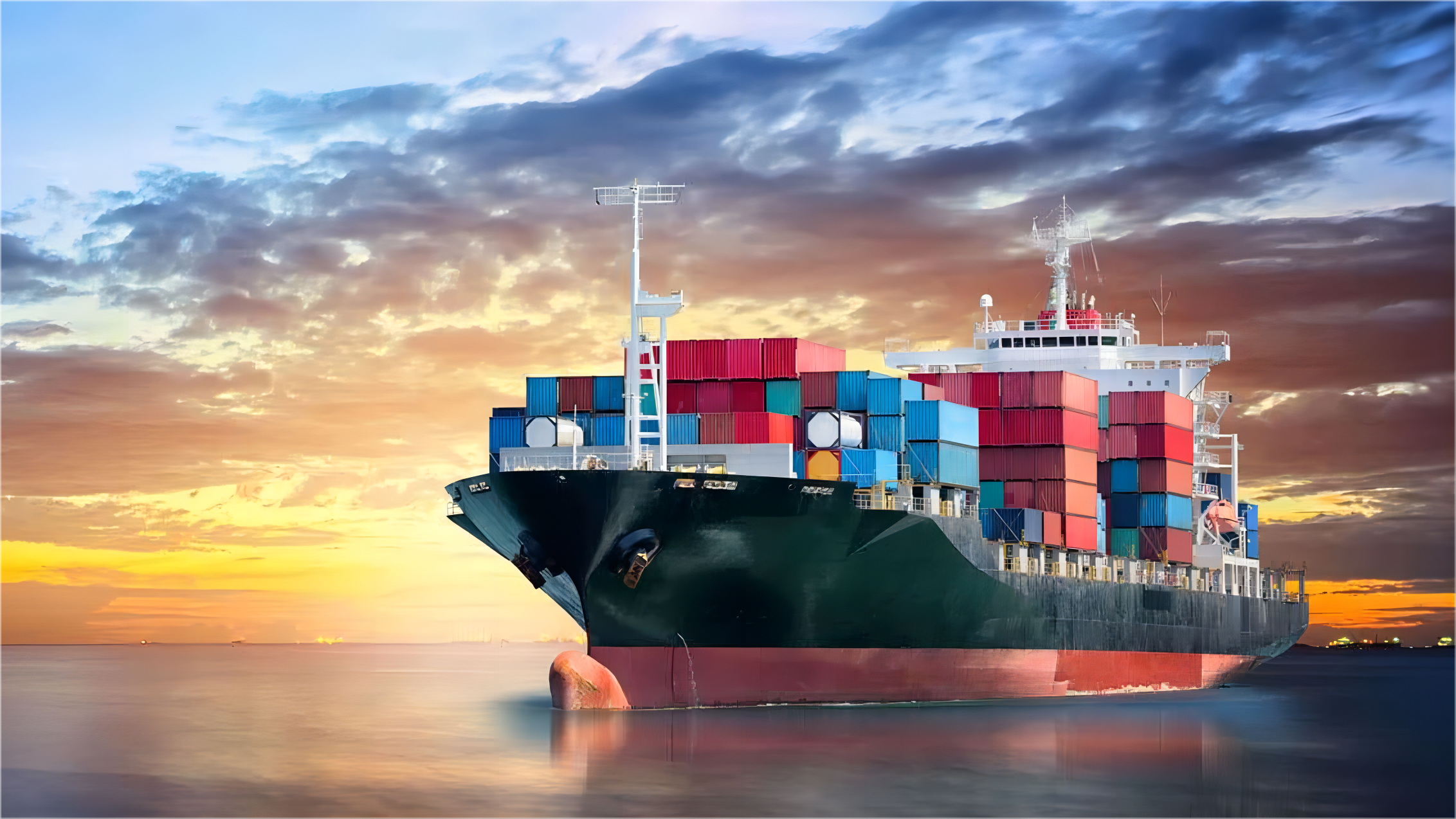
The journey for your FCL electronics shipment from China to Germany involves several distinct stages. Initially, you will book a container with a freight forwarder, specifying your cargo details and desired transit time. Subsequently, the empty container is delivered to your supplier’s warehouse in China for loading.
After loading and sealing, the container is transported to the port of loading, typically a major Chinese port like Shanghai, Ningbo, or Shenzhen. Here, it undergoes export customs clearance, where all necessary documentation is verified. Once cleared, the container is loaded onto a vessel for its ocean voyage.
The sea transit time from China to Germany generally ranges from 28 to 35 days, depending on the specific ports and carrier routes. Upon arrival at a German port, such as Hamburg or Bremerhaven, the container is discharged. Following this, it enters the import customs clearance phase, which requires meticulous documentation and adherence to German regulations. For expert assistance with this, consider our customs brokerage services.
Finally, once customs duties and taxes are settled, the container is released. It is then transported via truck or rail to its final destination within Germany. Many businesses opt for door-to-door services to simplify this last mile delivery, ensuring a seamless transition from port to warehouse.
Customs Clearance for Electronics: Navigating German Regulations
Importing electronics into Germany requires strict adherence to customs regulations. Importers must provide accurate and complete documentation, including a commercial invoice, packing list, bill of lading, and any required certifications. Incorrect or missing paperwork can lead to significant delays and additional costs.
Furthermore, electronics often fall under specific import duties and VAT (Value Added Tax). The classification of your products using Harmonized System (HS) codes is crucial for determining the correct tariffs. Certain electronics may also require CE marking, RoHS compliance, or WEEE registration to meet European Union standards.
Moreover, anti-dumping duties or specific import licenses might apply to certain types of electronic components or finished goods originating from China. Staying informed about these regulations is vital. Partnering with an experienced freight forwarder who understands German customs law can significantly streamline this complex process, preventing potential pitfalls.
| Document Type | Purpose | Notes for Electronics |
|---|---|---|
| Commercial Invoice | Details of goods, value, buyer/seller | Accurate description, HS codes, unit price |
| Packing List | Contents of each package/container | Weight, dimensions, number of packages |
| Bill of Lading (B/L) | Contract of carriage, title to goods | Originals often required for release |
| Certificate of Origin | Proof of country of manufacture | May impact duties or trade agreements |
| CE Mark Declaration | Compliance with EU health, safety, environmental protection standards | Mandatory for most electronics in EU |
| RoHS Compliance | Restriction of Hazardous Substances | Ensures products do not contain prohibited materials |
| WEEE Registration | Waste Electrical and Electronic Equipment | Producer responsibility for end-of-life recycling |
How Does FCL Shipping for Electronics Compare to Other Options?
When considering shipping from China to Europe, FCL is just one of several viable options, each with its own advantages and drawbacks. Understanding these alternatives is crucial for making informed logistical decisions, especially for electronics. Therefore, comparing FCL against LCL, air freight, and rail freight helps optimize your supply chain.
For instance, while FCL offers dedicated space and security, air freight provides unparalleled speed. Conversely, LCL (Less than Container Load) can be more economical for smaller volumes, but it involves more handling. Rail freight presents a balance between speed and cost, offering a middle ground for certain types of electronic goods.
Choosing the right method ultimately depends on your specific needs: budget, urgency, cargo volume, and the fragility of your electronics. A comprehensive comparison highlights when each option is most suitable, enabling you to select the best fit for your business strategy.
Shipping Method Comparison: Electronics China to Germany
| Shipping Method | Cost Range (40HQ/1000kg) | Transit Time (approx.) | Best For | Limitations |
|---|---|---|---|---|
| FCL Sea Freight | $3,000-4,200 | 28-35 days | Large volumes, cost-efficiency, security | Slowest transit time |
| LCL Sea Freight | $50-80/CBM (under 15 CBM) | 35-45 days | Small volumes, budget-conscious | More handling, longer transit, potential delays |
| Rail Freight | $8,000-12,000 | 18-25 days | Medium urgency, balanced cost/speed | Limited routes, capacity constraints, higher cost than sea |
| Air Freight | $15,000-25,000 | 5-7 days | Urgent, high-value, perishable electronics | Highest cost, volume/weight restrictions, environmental impact |
Alternative Strategies and Cost-Saving Tips
Consider hybrid solutions for specific needs. For example, a sea-air combination involves shipping by sea to a hub like Dubai, then by air to Germany. This can save time compared to pure sea freight and reduce costs compared to pure air freight, offering a strategic middle ground for moderately urgent electronics.
For smaller, less time-sensitive electronic components, LCL might be suitable. However, be mindful of the increased handling and potential for delays. Consolidating multiple small orders into a single FCL shipment can also yield significant cost savings over time. Furthermore, exploring different ports of loading in China or discharge in Germany could reveal more competitive rates.
Additionally, proactive planning is crucial. Booking FCL containers well in advance, especially during peak seasons (August-October), can help avoid premium rates and capacity shortages. Negotiating long-term contracts with freight forwarders can also secure better pricing and service levels for your consistent FCL electronics shipments.
Which Option Should You Choose?
Your decision framework should prioritize several key factors. If budget is your primary concern and you have large volumes of electronics, FCL sea freight is typically the most economical choice. It offers the lowest per-unit cost for bulk shipments.
However, if speed is paramount for urgent product launches or critical inventory replenishment, air freight is unmatched, despite its higher cost. For moderately urgent shipments, especially those sensitive to both time and budget, rail freight provides an excellent compromise.
Cargo type also plays a role. Extremely fragile or high-value electronics might benefit from the dedicated space and reduced handling of FCL, even if their volume isn’t massive. Conversely, very small shipments of durable components might be better suited for LCL, accepting the longer transit time. Always assess your specific needs before committing to a shipping method.

Real-World FCL Shipping Examples for Electronics
Understanding theoretical options is one thing; seeing how FCL shipping for electronics plays out in practice offers invaluable insight. These case studies illustrate typical scenarios, costs, and timelines involved when moving electronic goods from China to Germany. They highlight the complexities and successes in managing international logistics.
Based on current market rates as of Q1 2025, these examples reflect common routes and cargo types. Note: Freight rates are subject to change based on fuel costs, carrier capacity, and seasonal demand. Contact us for a current quote tailored to your specific shipment.
Case Study 1: Consumer Electronics Bulk Shipment
This case involved a German distributor importing a large quantity of consumer electronics, including smartphones and accessories, for the holiday season. The priority was cost-efficiency combined with reliable delivery.
| Detail | Value |
|---|---|
| Route | Shenzhen, China -> Hamburg, Germany |
| Cargo | Smartphones, tablets, accessories, 65 CBM, 12,000 kg |
| Container | 1 x 40HQ |
| Shipping Details | Carrier: MSC, Port of Loading: Yantian (Shenzhen), Port of Discharge: Hamburg, Route Type: Direct |
| Cost Breakdown | Ocean Freight: $3,900, Origin Charges: $450, Destination Charges: $600, Customs & Duties (estimated): $1,800, Total Landed Cost: $6,750 |
| Timeline | Booking to Loading: 5 days, Sea Transit: 32 days, Customs Clearance: 3 days, Total Door-to-Door: 40 days |
| Key Insight | Early booking during Q4 peak season secured a competitive rate and ensured timely arrival before major sales events. Efficient customs brokerage prevented delays. |
Case Study 2: High-Value Industrial Electronics
A German manufacturing company required specialized industrial electronic components for their production line. Security and careful handling were paramount due to the high value and fragility of the equipment.
| Detail | Value |
|---|---|
| Route | Shanghai, China -> Bremerhaven, Germany |
| Cargo | Industrial control panels, sensors, 25 CBM, 8,000 kg |
| Container | 1 x 20GP |
| Shipping Details | Carrier: COSCO, Port of Loading: Shanghai, Port of Discharge: Bremerhaven, Route Type: Direct |
| Cost Breakdown | Ocean Freight: $2,400, Origin Charges: $380, Destination Charges: $550, Customs & Duties (estimated): $1,500, Total Landed Cost: $4,830 |
| Timeline | Booking to Loading: 7 days, Sea Transit: 30 days, Customs Clearance: 4 days, Total Door-to-Door: 45 days |
| Key Insight | Despite a smaller volume, FCL was chosen for enhanced security and reduced handling risks. Robust internal packaging and bracing were critical for this delicate cargo. |
Case Study 3: Seasonal Electronics Import with Supply Chain Flexibility
This scenario involved a retailer importing smart home devices for a specific seasonal promotion. They needed a balance between cost and a flexible delivery schedule, considering potential market fluctuations.
| Detail | Value |
|---|---|
| Route | Ningbo, China -> Hamburg, Germany |
| Cargo | Smart home hubs, security cameras, 60 CBM, 10,500 kg |
| Container | 1 x 40GP |
| Shipping Details | Carrier: Maersk, Port of Loading: Ningbo, Port of Discharge: Hamburg, Route Type: Transshipment via Singapore |
| Cost Breakdown | Ocean Freight: $3,200, Origin Charges: $400, Destination Charges: $580, Customs & Duties (estimated): $1,650, Total Landed Cost: $5,830 |
| Timeline | Booking to Loading: 6 days, Sea Transit: 38 days, Customs Clearance: 3 days, Total Door-to-Door: 49 days |
| Key Insight | Choosing a transshipment route offered a slightly lower ocean freight cost, though with a longer transit time. This was acceptable given the flexible delivery window for the seasonal promotion. Regular communication with the forwarder was key to monitoring progress. |
Optimizing Your FCL Electronics Supply Chain
An optimized FCL supply chain for electronics goes beyond just booking a container. It involves strategic planning and continuous improvement. Firstly, fostering strong relationships with reliable suppliers in China is fundamental. Consistent product quality and adherence to packaging standards directly impact shipping success.
Secondly, implementing efficient inventory management systems helps determine optimal order quantities and shipping frequencies. This prevents overstocking or stockouts, thereby reducing warehousing costs and ensuring product availability. Furthermore, leveraging technology, such as tracking systems, provides real-time visibility into your shipment’s status.
Moreover, working closely with an experienced freight forwarder is paramount. A good forwarder can offer insights into market trends, suggest cost-saving routes, and proactively address potential issues like port congestion or customs delays. They act as an extension of your logistics team, guiding your electronics from China to Germany smoothly.
Finally, continuous review and adaptation are essential. Regularly analyze your shipping data, evaluate carrier performance, and stay updated on international trade regulations. This proactive approach ensures your FCL electronics supply chain remains resilient, cost-effective, and responsive to market changes.
Choosing the Right Freight Forwarder for FCL Electronics
Selecting the ideal freight forwarder for your FCL electronics shipments from China to Germany is a critical decision. Look for a partner with proven expertise in handling sensitive electronics and a deep understanding of both Chinese export and German import regulations.
Experience with FCL logistics, strong carrier relationships, and a robust network are non-negotiable. A reputable forwarder will offer transparent communication, competitive pricing, and comprehensive services, including customs brokerage and sea freight solutions.
Furthermore, consider their technology capabilities, such as online tracking and reporting tools. Ultimately, the right freight forwarder acts as a strategic partner, simplifying complex logistics and safeguarding your valuable electronic cargo throughout its international journey.
Conclusion: Mastering FCL Shipping for Electronics
Successfully navigating FCL shipping for electronics from China to Germany requires a thorough understanding of the process, meticulous planning, and strategic partnerships. From choosing the right container and ensuring proper packaging to mastering customs regulations and selecting a reliable freight forwarder, each step is crucial for efficient and secure delivery.
By embracing FCL, businesses can achieve significant cost savings, enhanced security, and predictable transit times for their valuable electronic goods. Ultimately, a well-managed FCL supply chain not only optimizes logistics but also contributes directly to business growth and customer satisfaction. Therefore, invest in careful planning and expert support to ensure your electronic shipments arrive safely and on schedule.
Need a tailored shipping solution?
Ready to streamline your FCL shipping for electronics from China to Germany? Contact us today for a personalized quote and expert guidance. Our team is prepared to help you navigate the complexities of international logistics efficiently.