Fastest Way to Ship Auto Parts from China to Europe: Your Ultimate Guide
When sourcing auto parts from China for the European market, speed is often paramount. Timely delivery can significantly impact production lines, repair schedules, and customer satisfaction. Therefore, understanding the fastest way to ship these critical components is essential for maintaining a competitive edge. This guide explores optimal shipping strategies and services to ensure your automotive parts reach Europe efficiently. Learn more about streamlined logistics solutions at Top China Forwarder.

Understanding Your Urgency: What Drives Fast Auto Parts Shipping?
The need for rapid auto parts shipping from China to Europe typically stems from various operational demands. For instance, an unexpected breakdown on a production line requires immediate component replacement to avoid costly downtime. Similarly, customer orders for specialized or rare parts often come with tight delivery expectations.
Consequently, assessing the urgency of each shipment is the first crucial step. This evaluation helps determine the appropriate shipping method, balancing speed with cost-effectiveness. Furthermore, understanding the impact of delays on your business operations guides your decision-making process. Indeed, a clear understanding of your priorities will streamline the entire logistics chain.
How Does Air Freight Provide the Fastest Way to Ship Auto Parts from China to Europe?
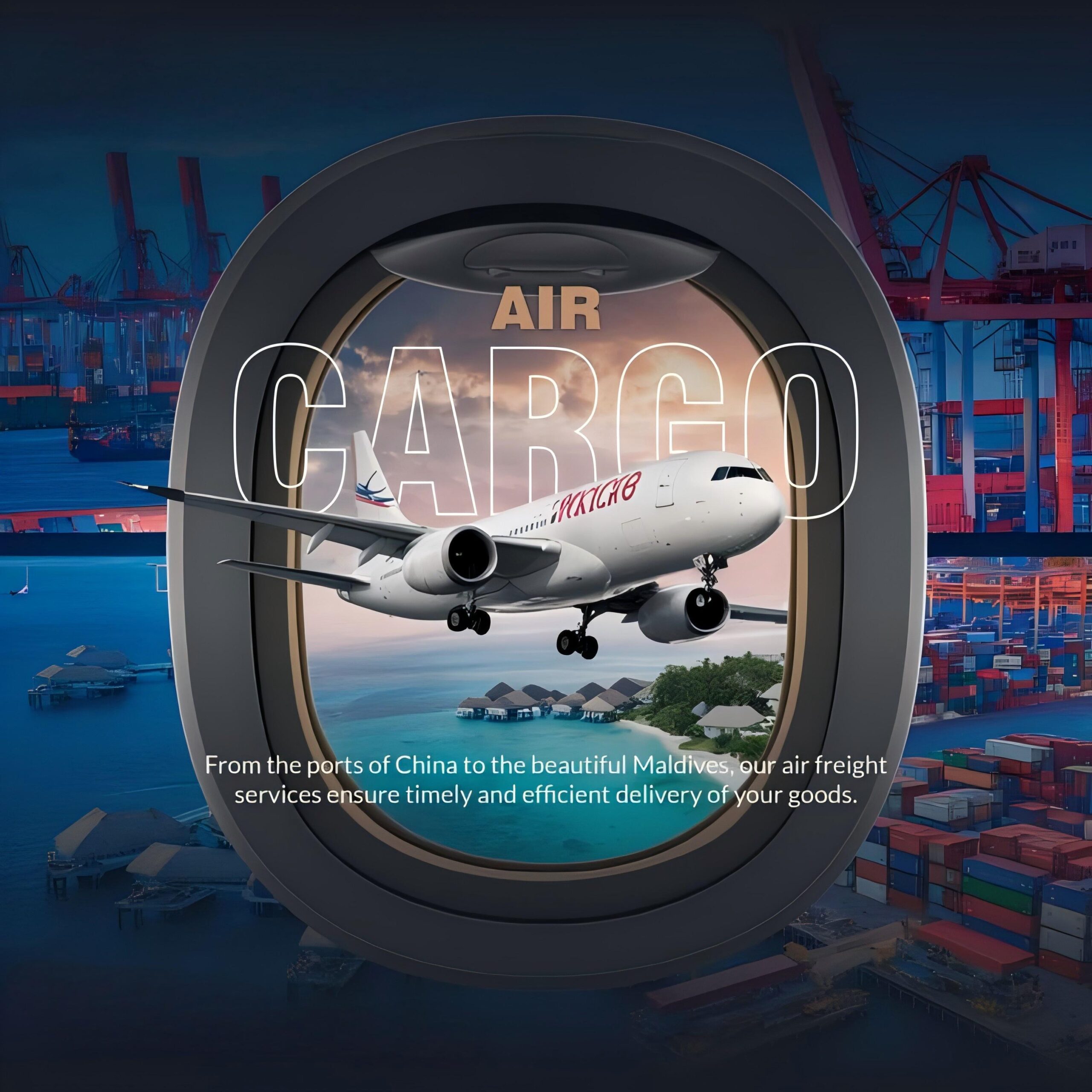
Air freight stands out as the undisputed leader for speed when shipping auto parts from China to Europe. This method significantly reduces transit times compared to other options, often delivering within 3-7 days. Moreover, it is ideal for high-value, time-sensitive, or smaller volume shipments where delays are unacceptable.
However, this speed comes at a higher cost, making it essential to weigh the urgency against the budget. Air cargo services utilize dedicated flights or passenger plane belly space, offering frequent departures. Therefore, air freight is frequently chosen for critical components, emergency stock replenishment, and high-demand automotive parts. Explore rapid options with air freight services.
Various factors influence air freight transit times and rates. These include the origin and destination airports, available carrier capacity, and seasonal demand. Peak seasons, like holidays, can sometimes lead to slight delays or increased freight rates. Nevertheless, it remains the quickest option for expedited auto parts shipping China Europe.
| Shipping Method | Cost Range (per kg) | Transit Time | Best For | Limitations |
|---|---|---|---|---|
| Air Freight (Standard) | $5.00 – $10.00 | 5-7 Days | Urgent, High-Value, Smaller Shipments | Highest Cost, Volume Restrictions |
| Air Freight (Express) | $8.00 – $15.00 | 2-4 Days | Extremely Urgent, Small Parcels | Very High Cost, Strict Weight/Size Limits |
| Sea Freight (FCL) | $0.10 – $0.30 | 28-35 Days | Large Volume, Non-Urgent, Cost-Effective | Slowest, Port Congestion Risk |
| Sea Freight (LCL) | $0.20 – $0.50 | 35-45 Days | Medium Volume, Non-Urgent, Flexible | Slower than FCL, Consolidation Time |
| Rail Freight | $0.50 – $1.50 | 18-25 Days | Medium Urgency, Balanced Cost/Speed | Limited Routes, Capacity Issues |
| Sea-Air Hybrid | $2.00 – $4.00 | 15-20 Days | Moderate Urgency, Cost-Sensitive | Two Transfers, Potential Delays |

Exploring Express Services for Urgent Car Parts Delivery from China to EU
For the absolute fastest way to ship auto parts from China to Europe, express courier services are unparalleled. These services, often provided by global carriers, offer door-to-door delivery within 2-4 business days. Moreover, they handle customs clearance processes efficiently, minimizing potential delays. Discover rapid delivery with express service.
Express shipping is particularly advantageous for small, critical components like sensors, microchips, or specialized tools. The integrated logistics network ensures seamless transit from supplier to recipient. However, the premium for such speed is substantial, making it suitable only for truly urgent car parts delivery from China to EU where cost is secondary to immediacy.
Furthermore, express services often include advanced tracking capabilities, providing real-time updates on your shipment’s progress. This transparency is invaluable for managing supply chain expectations and coordinating downstream activities. Consequently, for mission-critical parts, express remains the top choice despite higher shipping costs.
Hybrid Solutions: Balancing Speed and Cost for Auto Parts Logistics
While air freight offers speed, and sea freight offers economy, hybrid solutions provide a middle ground. One popular option is sea-air freight, combining the cost-effectiveness of sea transport with the speed of air transport. This method involves shipping goods by sea to a hub, such as Dubai, and then by air to Europe.
Typically, sea-air freight can reduce transit times to 15-20 days, which is significantly faster than pure sea freight. Meanwhile, it is more affordable than direct air freight. This approach is ideal for moderately urgent shipments where budget constraints are also a factor. It offers a strategic balance for optimizing auto parts logistics from China.
Additionally, rail freight presents another viable hybrid solution for China to Europe routes. The New Silk Road rail links offer transit times of 18-25 days, faster than sea freight but slower than air. Rail freight is often more cost-effective than air and provides a more environmentally friendly alternative for certain cargo. However, routes and capacity can be limited. Consider rail freight for a balanced approach.
Case Studies: Real-World Scenarios for Expedited Auto Parts Shipping
Examining actual scenarios helps illustrate the practical application of different shipping methods. These case studies highlight the decision-making process based on urgency, cargo type, and budget. Each example provides insights into typical transit times and costs for real-world shipments.
Case Study 1: Emergency Engine Components to Germany
A German car manufacturer faced an unexpected halt in production due to a critical engine component failure. The replacement part was available only from their supplier in Shenzhen, China. Speed was the absolute priority to minimize production downtime, costing thousands per hour. The component weighed 150 kg and measured 1.5 CBM.
| Detail | Value |
|---|---|
| Route | Shenzhen, China -> Stuttgart, Germany |
| Cargo | Engine control units (ECUs), 1.5 CBM, 150 kg |
| Shipping Method | Air Freight (Express) |
| Carrier/Service | Major express carrier |
| Port of Loading | Shenzhen Bao’an International Airport (SZX) |
| Port of Discharge | Stuttgart Airport (STR) |
| Route Type | Direct Air Cargo |
| Cost Breakdown | |
| – Air Freight | $1,800 (approx. $12/kg) |
| – Origin Charges | $150 |
| – Destination Charges | $100 |
| – Customs & Duties (estimated) | $300 |
| – Total Landed Cost | $2,350 |
| Timeline | |
| – Booking to Loading | 1 day |
| – Air Transit | 2 days |
| – Customs Clearance | 1 day |
| – Total Door-to-Door | 4 days |
| Key Insight | Highest cost justified by preventing massive production losses. Seamless customs integration by express carrier was crucial. Based on Q1 2025 market rates. |

Case Study 2: Seasonal Tire Shipment to France
A French automotive distributor needed to replenish their stock of winter tires before the peak season. While urgency was present, it was not as extreme as a production line stoppage. The shipment involved 20 CBM of tires, totaling 3,000 kg. A balance between speed and cost was desired.
This scenario required a solution faster than traditional sea freight but more economical than direct air freight. The distributor opted for a sea-air hybrid solution, leveraging its strategic advantages. This approach mitigated the high costs of pure air freight while still ensuring timely arrival for seasonal demand.
| Detail | Value |
|---|---|
| Route | Shanghai, China -> Lyon, France |
| Cargo | Winter Tires, 20 CBM, 3,000 kg |
| Shipping Method | Sea-Air Hybrid (via Dubai) |
| Carrier/Service | Forwarder-managed service |
| Port of Loading | Shanghai Port |
| Port of Discharge (Sea) | Jebel Ali Port, Dubai |
| Port of Discharge (Air) | Lyon Saint-Exupéry Airport (LYS) |
| Route Type | Sea to Dubai, Air to Lyon |
| Cost Breakdown | |
| – Sea Freight (to Dubai) | $600 |
| – Air Freight (Dubai to Lyon) | $4,500 (approx. $1.50/kg) |
| – Origin/Transit Charges | $300 |
| – Destination Charges | $200 |
| – Customs & Duties (estimated) | $1,200 |
| – Total Landed Cost | $6,800 |
| Timeline | |
| – Booking to Loading | 3 days |
| – Sea Transit (Shanghai-Dubai) | 12 days |
| – Air Transit (Dubai-Lyon) | 3 days |
| – Customs/Transshipment | 3 days |
| – Total Door-to-Door | 21 days |
| Key Insight | Cost-effective balance of speed and price for seasonal goods. Requires careful coordination at the transshipment hub. Typical rates as of early 2025. |
Crucial Considerations for Reliable Logistics for Car Parts China to Europe
Achieving the fastest way to ship auto parts from China to Europe involves more than just selecting a transport mode. Several critical factors demand careful attention to ensure smooth and reliable logistics. Indeed, overlooking these details can lead to unexpected delays and increased costs.
Firstly, meticulous documentation is paramount. Accurate commercial invoices, packing lists, and certificates of origin prevent customs holdups. Secondly, robust packaging is essential to protect delicate auto parts during transit, especially with multiple handling points. Furthermore, choosing a freight forwarder with extensive experience in automotive logistics is vital for navigating complex regulations and optimizing routes. Consider expert assistance for customs brokerage.
Moreover, cargo insurance provides financial protection against loss or damage, offering peace of mind. While it adds to the overall shipping costs, it’s a small price to pay for safeguarding valuable inventory. Finally, real-time tracking and proactive communication from your logistics partner are indispensable for managing expectations and responding to any unforeseen challenges in the supply chain.
Navigating Customs and Regulations for Auto Parts Imports into Europe
Customs clearance is a critical juncture that can either expedite or significantly delay your auto parts shipment. Europe has stringent import regulations, and non-compliance can lead to fines, inspections, and prolonged holds. Therefore, thorough preparation is non-negotiable.
Firstly, ensure all necessary permits and licenses for specific auto parts are obtained before shipment. Certain components, particularly those related to safety or emissions, may require special certifications. Secondly, accurate Harmonized System (HS) codes are crucial for correct tariff classification and duty calculation. Inaccurate codes can trigger customs queries and reassessments.
Furthermore, understanding VAT and import duties applicable to your specific European destination country is essential for budgeting and avoiding surprises. Leveraging an experienced customs broker can streamline this complex process. They can pre-clear shipments, manage declarations, and proactively address potential issues. This expertise is key to reducing shipping delays for auto parts China Europe.
How Does Air Freight Compare to Other Shipping Options?
Selecting the optimal shipping method for auto parts from China to Europe requires a detailed comparison of available options. Each method offers a unique balance of speed, cost, and capacity. Therefore, understanding these trade-offs is crucial for making informed decisions tailored to your specific needs.
As of Q1 2025, freight rates from China to Europe have seen some stabilization after the 2024 Red Sea disruptions, but market volatility remains a factor. Industry data suggests that while air freight is fastest, it also incurs the highest costs. Conversely, sea freight is the most economical but slowest. This section dives deeper into the objective analysis of each viable alternative.
Air Freight vs. Sea Freight: Speed vs. Economy
Air freight typically delivers auto parts in 3-7 days, whereas sea freight can take 28-35 days for FCL (Full Container Load) or 35-45 days for LCL (Less than Container Load). While sea freight costs $2,800-3,800 for a 40GP container from China to Europe, air freight for the same volume would cost significantly more, potentially $15,000-25,000 or even higher depending on weight and density. This stark difference in freight rates makes sea freight the go-to for large, non-urgent shipments, especially for bulk automotive components. Book your sea freight today.
Moreover, sea freight offers immense capacity, handling virtually any size or weight of cargo. Air freight, on the other hand, has limitations on dimensions and hazardous materials, which can be a concern for certain auto parts like batteries or aerosols. For shipments under 15 CBM, LCL at $50-80/CBM may be more economical than a full container for sea freight, but it adds to transit time due to consolidation. Direct routes cost 10-15% more but save 5-7 days compared to transshipment via ports like Singapore or Port Klang, especially relevant for reducing transit time for auto parts from China to Germany.
Rail Freight: The Middle Ground
Rail freight via the New Silk Road offers a compelling alternative, bridging the gap between air and sea. Transit times average 18-25 days, making it significantly faster than sea freight and considerably more affordable than air freight. This method is gaining popularity for its balanced approach to cost and speed, particularly for medium-urgency shipments. The environmental benefits are also a strong consideration for many companies. However, rail routes can be less flexible than air or sea, with fixed schedules and potential for congestion at border crossings.
Furthermore, rail freight is well-suited for a wide range of auto parts, including larger components and semi-finished goods. The capacity is greater than air freight but less than sea freight. Market data suggests rail rates can be 50-70% less than air freight, while being 50-100% more expensive than sea freight. This makes it an attractive option for companies seeking optimizing auto parts logistics from China without the extreme costs of air or the long waits of sea. This solution is especially relevant for shipping from inland China to inland Europe, bypassing congested seaports.
Express Courier: Ultra-Fast, Premium Cost
For unparalleled speed, express courier services provide door-to-door delivery within 2-4 days. This premium service is reserved for extremely urgent or small, high-value auto parts, such as critical electronic components or prototypes. The cost per kilogram is the highest among all options, often several times that of standard air freight. Nevertheless, the integrated service, rapid customs clearance, and real-time tracking justify the expense for mission-critical items.
Industry average for this route indicates that express services can cost upwards of $8-15 per kilogram, depending on the service level and volume. This ensures the fastest way to ship auto parts from China to Europe for those specific, time-sensitive needs. They are also adept at handling the complexities of international import/export, ensuring seamless delivery schedule adherence. For urgent needs, visit express service.
Which Option Should You Choose for Your Auto Parts Shipment?
Deciding on the best shipping method involves evaluating your specific priorities against the characteristics of each transport mode. A clear decision framework helps streamline this process. Consider these criteria to select the most suitable option for your auto parts from China to Europe.
Budget Priority: Cost-Effective Fast Shipping Auto Parts China Europe
If budget is your primary concern and transit time is flexible, sea freight is the clear winner. For very large volumes (e.g., full containers of body panels or engine blocks), sea freight offers the lowest per-unit cost. If your shipment is smaller but still non-urgent, LCL sea freight provides a cost-effective solution, albeit with slightly longer transit times due to consolidation. This method is ideal for regular stock replenishment and non-time-critical components.
For a balance between cost and speed, rail freight offers a compelling alternative. It is significantly cheaper than air freight and much faster than sea freight, making it suitable for moderate budgets and lead times. Consider rail for consistent, medium-urgency shipments of general auto parts.
Speed Priority: Expedited Auto Parts Shipping China Europe
When speed is the absolute top priority, regardless of cost, air freight or express courier services are indispensable. For critical production line components or urgent customer orders, air freight (5-7 days) or express (2-4 days) ensures minimal disruption. The higher freight rates are justified by the avoidance of costly downtime or missed market opportunities.
For slightly less critical but still time-sensitive shipments, a sea-air hybrid solution (15-20 days) can be a smart compromise. It significantly cuts down on pure sea transit time while being more affordable than direct air. This option is excellent for managing seasonal inventory or new product launches with a moderate lead time. This is often the fastest way to ship auto parts from China to Europe without breaking the bank completely.
Cargo Type and Volume Thresholds
The nature and volume of your auto parts also heavily influence the optimal shipping method. Small, high-value, or fragile components like electronics or sensors are best suited for air or express freight due to better handling and security. Larger, heavy, or bulky items like engine blocks, chassis components, or tires are typically more economical to ship via sea freight.
Volume thresholds also play a role. For shipments less than 2 CBM, express might be surprisingly competitive, sometimes even cheaper than LCL sea freight when factoring in all associated charges. For volumes between 2 CBM and 15 CBM, LCL sea freight or rail freight often provide the best value. Above 15 CBM, a full container load (FCL) via sea freight becomes the most cost-effective option, offering better security and faster transit than LCL. Moreover, for a truly seamless experience, consider door to door services.
Mastering the Fastest Way to Ship Auto Parts from China to Europe
In conclusion, selecting the fastest way to ship auto parts from China to Europe is a strategic decision influenced by urgency, budget, and cargo specifics. Air freight and express services offer unparalleled speed for critical components, while hybrid solutions like sea-air and rail provide a balanced approach. Sea freight remains the most economical for large, non-urgent shipments.
Ultimately, partnering with an experienced freight forwarder is paramount. They can navigate complex customs, optimize routes, and provide tailored solutions to meet your unique supply chain demands. By carefully considering all factors, businesses can ensure their auto parts arrive in Europe swiftly and efficiently, maintaining operational continuity and competitiveness.
Need a tailored shipping solution?
Ready to optimize your auto parts supply chain from China to Europe? Get a personalized quote today and discover the fastest, most efficient shipping solutions tailored to your needs. Contact us to streamline your logistics and ensure timely delivery of your critical components.