

Fast Sea Freight from Shenzhen to Belgium: Your Ultimate Guide
Navigating international logistics can be complex, especially when seeking fast sea freight from Shenzhen to Belgium. Businesses often face challenges like lengthy transit times, fluctuating costs, and intricate customs procedures. This comprehensive guide provides solutions to streamline your shipping process, ensuring your cargo reaches Belgium efficiently and economically. Explore how Top China Forwarder can simplify your global trade by visiting Top China Forwarder.
What is Fast Sea Freight from Shenzhen to Belgium?
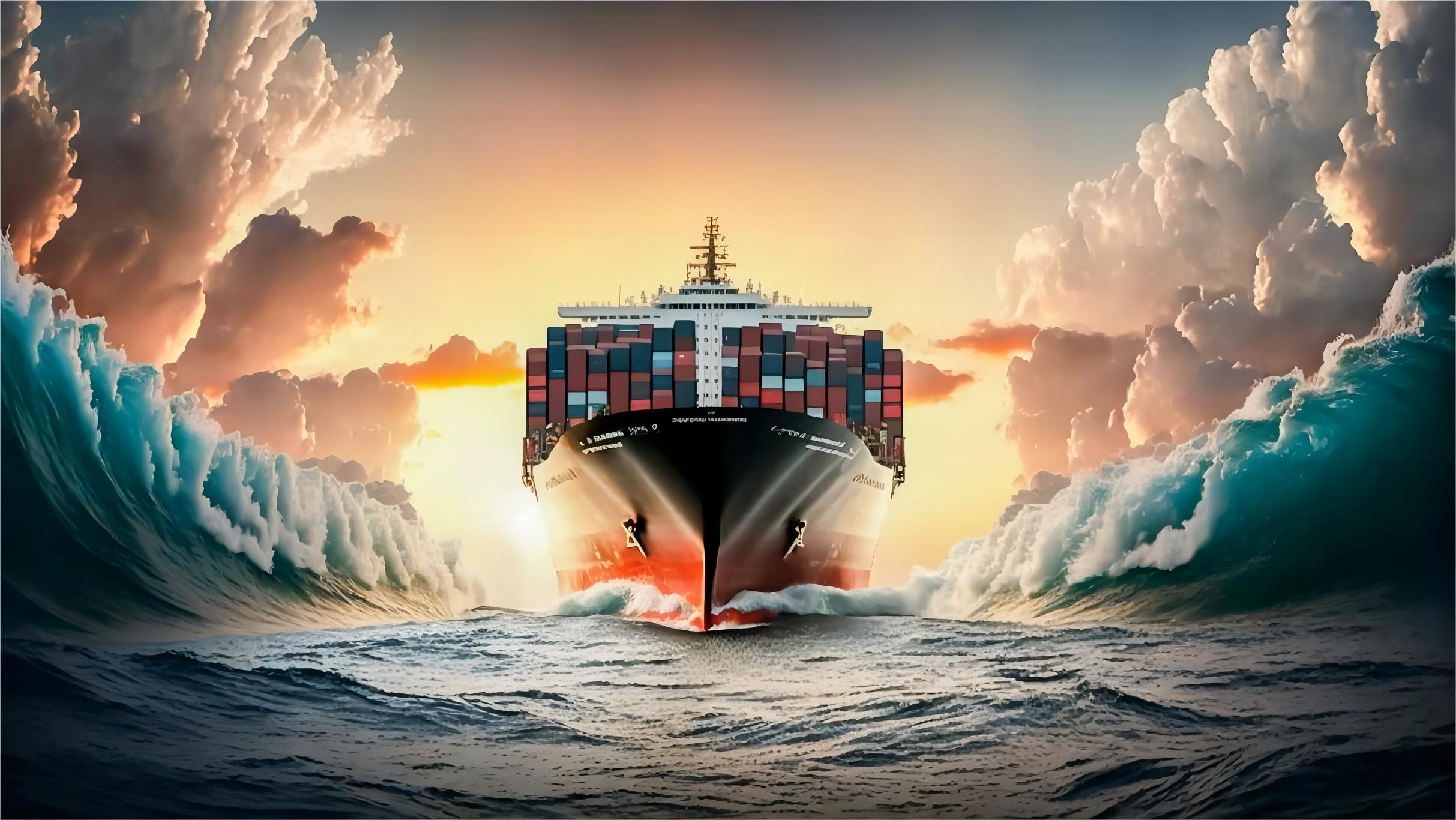
Fast sea freight from Shenzhen to Belgium refers to optimized ocean shipping services designed for quicker transit times. This method balances cost-effectiveness with improved speed, making it ideal for many types of cargo.
Typically, this involves selecting direct routes, utilizing premium carrier services, and efficient port operations. Consequently, businesses can minimize delays and maintain a more predictable delivery schedule.
While not as rapid as air freight, fast sea freight significantly reduces lead times compared to standard ocean shipping. It offers a crucial middle ground for supply chain management.
This approach is particularly beneficial for large volume shipments where air freight costs would be prohibitive. Moreover, it supports reliable import from China to Europe, particularly for the Belgian market.
Why Choose Sea Freight for Shipments from Shenzhen to Belgium?
Choosing sea freight offers numerous advantages for businesses importing goods from Shenzhen to Belgium. Primarily, it is the most cost-effective solution for transporting large volumes and heavy cargo across continents.
Furthermore, ocean vessels have an immense carrying capacity, accommodating everything from bulk commodities to oversized machinery. This flexibility is unmatched by other modes of transport.
For example, shipping a 40-foot container via sea is significantly cheaper than air freight for the same volume. Therefore, businesses can achieve substantial savings on overall logistics costs.
Moreover, sea freight boasts a lower carbon footprint per ton-mile compared to air transport. This makes it an environmentally friendlier option for your global supply chain.
Considering the transit time, modern shipping lines offer increasingly reliable schedules. This allows for better planning and inventory management for your business in Belgium.
Understanding Transit Times and Routes to Belgium
Transit times for fast sea freight from Shenzhen to Belgium typically range from 28 to 35 days for direct services. However, several factors can influence the exact duration.
Key elements include the specific carrier, vessel speed, chosen route, and potential port congestion. Additionally, seasonal peaks can sometimes extend these timelines.
Major ports of discharge in Belgium include Antwerp and Zeebrugge. Both are strategically located and well-equipped to handle large volumes of international cargo.
Direct routes offer the fastest transit, bypassing intermediate stops. Conversely, transshipment routes, which involve cargo transfer at another port like Singapore or Port Klang, may add several days to the journey.
Therefore, selecting the right route and carrier is crucial for optimizing your delivery schedule. This decision directly impacts the efficiency of your import/export operations.
Typical Transit Times from Shenzhen to Belgian Ports
Below is an overview of estimated transit times for container shipping from Shenzhen’s major ports to key Belgian destinations. These figures represent port-to-port durations and do not include origin or destination logistics.
| Port of Loading (Shenzhen) | Port of Discharge (Belgium) | Route Type | Estimated Transit Time |
|---|---|---|---|
| Yantian/Shekou | Antwerp | Direct | 28-32 days |
| Yantian/Shekou | Zeebrugge | Direct | 30-35 days |
| Yantian/Shekou | Antwerp | Transshipment | 35-40 days |
How Does Sea Freight Compare to Other Shipping Options?
When considering fast sea freight from Shenzhen to Belgium, it is essential to evaluate alternative shipping methods. Each option presents unique trade-offs in terms of cost, speed, and capacity.
Understanding these differences helps businesses make informed decisions tailored to their specific supply chain requirements. This comparison is vital for optimizing logistics trends and freight rates.
For instance, while sea freight is economical for bulk, other methods excel in speed or niche applications. Therefore, a balanced perspective is necessary.
Considering various factors ensures you choose the most suitable transport solution for your cargo handling needs. Learn more about diverse options, including air freight and rail freight, to Europe.
This strategic evaluation can lead to significant efficiencies and cost savings for your import operations.
Shipping Method Comparison: China to Belgium
This table provides a comprehensive comparison of different shipping methods from China to Belgium, highlighting their primary characteristics. It helps illustrate when each option is most suitable for your cargo.
| Shipping Method | Cost Range (per kg/CBM) | Transit Time | Best For | Limitations |
|---|---|---|---|---|
| Sea Freight (FCL) | Low ($0.05-$0.15/kg) | 28-35 days | Large volumes, heavy cargo, non-urgent goods | Long transit times, port congestion risks |
| Sea Freight (LCL) | Medium ($0.10-$0.25/kg) | 30-45 days | Smaller shipments (1-15 CBM), cost-conscious | Longer transit than FCL, potential for delays |
| Air Freight | High ($3-$8/kg) | 3-7 days | Urgent, high-value, perishable goods | Very expensive, limited capacity, high fuel surcharges |
| Rail Freight | Medium ($0.50-$1.50/kg) | 18-25 days | Time-sensitive but not urgent, medium-high value | Less flexible routes, limited capacity compared to sea |
| Express Service | Very High ($8-$15/kg) | 1-4 days | Small, urgent parcels, samples, documents | Extremely expensive, very limited size/weight |

Alternative Strategies and Hybrid Solutions
For businesses requiring a balance between speed and cost, hybrid solutions like sea-air transport offer a compelling alternative. This involves shipping by sea to a hub (e.g., Dubai) then by air to Belgium.
This approach significantly reduces transit time compared to pure sea freight, at a lower cost than pure air freight. It is particularly effective for goods that are semi-urgent.
Consider rail-sea combinations for certain routes, offering a mid-range solution in terms of both cost and speed. Rail transport to a European port, followed by a short sea leg, can be efficient.
Moreover, optimizing cargo consolidation can lead to cost savings. For shipments under 15 CBM, Less than Container Load (LCL) services are often more economical than a full container (FCL).
Conversely, if your volume exceeds 15 CBM, an FCL might be more cost-effective per unit, even if the container isn’t fully packed. These decisions depend on your specific cargo type and volume.
Which Option Should You Choose?
**Budget Priority:** If cost is your primary concern and transit time is flexible, sea freight (LCL or FCL) is the most economical choice for fast sea freight from Shenzhen to Belgium.
**Speed Priority:** For urgent shipments, air freight or express service is unparalleled, delivering goods within days. This is crucial for time-sensitive products.
**Cargo Type Considerations:** Perishable goods or high-value electronics often benefit from faster air or rail options. Bulky, non-perishable items are best suited for sea freight.
**Volume Thresholds:** Small parcels (under 100 kg) may benefit from express services. Shipments between 1-15 CBM are typically ideal for LCL sea freight. Above 15 CBM, FCL becomes increasingly cost-efficient.
Key Factors Influencing Shipping Costs
Several factors contribute to the overall shipping costs for fast sea freight from Shenzhen to Belgium. Understanding these elements helps in budgeting and cost optimization.
**Ocean Freight Rates:** These are the primary cost, fluctuating based on supply and demand, fuel prices, and carrier capacity. Rates typically increase 15-25% during peak seasons (August-October).
**Surcharges:** Expect various surcharges such as Bunker Adjustment Factor (BAF), Currency Adjustment Factor (CAF), Peak Season Surcharge (PSS), and Terminal Handling Charges (THC) at both origin and destination.
**Container Type and Size:** Costs vary significantly between 20GP, 40GP, and 40HQ containers. LCL shipments are charged per cubic meter or weight, whichever yields a higher freight rate.
**Origin and Destination Charges:** These include loading, documentation, customs inspection, and local transportation costs. Destination charges cover unloading, terminal fees, and port storage.
**Customs Duties and Taxes:** Import duties, VAT, and other taxes imposed by Belgian customs are critical components of the total landed cost. These depend on the commodity type and value.
Note: Freight rates are subject to change based on fuel costs, carrier capacity, and seasonal demand. Contact us for a current quote tailored to your specific shipment.
Navigating Customs and Documentation for Belgium Imports
Successful import from China to Belgium requires meticulous attention to customs procedures and documentation. Proper preparation prevents delays and ensures smooth cargo handling.
A reliable customs brokerage service is invaluable for navigating the complexities of international trade regulations. They ensure compliance with all Belgian and EU requirements.
Key documents typically include the commercial invoice, packing list, bill of lading, and certificate of origin. Additionally, some goods may require specific licenses or permits.
Ensuring accuracy in all declarations is paramount to avoid fines or inspections. Mistakes can significantly impact your delivery schedule.
Furthermore, understanding Harmonized System (HS) codes is crucial for correct duty and tax assessment. Incorrect classification can lead to unexpected costs.
Essential Documents for Belgium Imports
This checklist outlines the primary documents required for customs clearance in Belgium. Having these prepared in advance will significantly expedite the process.
| Document Type | Purpose | Issuing Party | Notes |
|---|---|---|---|
| Commercial Invoice | Proof of sale, value of goods | Shipper | Must be accurate and detailed |
| Packing List | Details contents of each package | Shipper | Matches physical contents |
| Bill of Lading (BOL) | Contract of carriage, title to goods | Carrier/Forwarder | Crucial for cargo release |
| Certificate of Origin | Confirms country of manufacture | Chamber of Commerce | May affect duty rates |
| Import License/Permit | Required for specific goods | Importer/Relevant Authority | Check EU regulations for product type |

Optimizing Your Supply Chain for Fast Delivery to Belgium
Achieving efficient and fast sea freight from Shenzhen to Belgium involves more than just selecting a shipping method. It requires a holistic approach to supply chain optimization.
Implementing robust inventory management strategies can reduce the need for expedited shipping. Planning ahead minimizes last-minute rushes and associated higher costs.
Utilizing a reliable freight forwarder with strong local connections in both China and Belgium is essential. They can offer valuable insights into logistics trends and potential bottlenecks.
Consider door to door services for a seamless shipping experience. This comprehensive solution handles every step, from factory pickup in Shenzhen to final delivery in Belgium.
Regular communication with your logistics partner ensures you are informed about your cargo’s status. This proactive approach helps in managing expectations and addressing issues promptly.
Real-World Success: Case Studies in Shenzhen-Belgium Shipping
These case studies illustrate practical applications of fast sea freight from Shenzhen to Belgium. They highlight various scenarios and effective logistics solutions.
Each example demonstrates how careful planning and expert execution lead to successful outcomes. These insights are based on typical market conditions as of early 2025.
Case Study 1: Electronics Importer to Antwerp
A Belgian electronics distributor needed to import a large volume of consumer electronics from Shenzhen. Speed was important, but cost-efficiency was paramount for their competitive market.
| Detail | Description |
|---|---|
| Route | Shenzhen (Yantian) Antwerp, Belgium |
| Cargo | Consumer Electronics, 60 CBM, 15,000 kg |
| Container | 2 x 40HQ |
| Shipping Details | Carrier: Maersk, Port of Loading: Yantian, Port of Discharge: Antwerp, Route Type: Direct |
| Cost Breakdown (per 40HQ) | Ocean Freight: $3,800, Origin Charges: $450, Destination Charges: $550, Customs & Duties (estimated): $1,200, Total Landed Cost: $6,000 |
| Timeline | Booking to Loading: 5 days, Sea Transit: 30 days, Customs Clearance: 3 days, Total Door-to-Door: 38 days |
| Key Insight | Utilizing direct FCL service provided optimal balance of speed and cost, meeting market demand efficiently. Q4 peak season rates were 15% higher than average. |
Case Study 2: Fashion Apparel for Brussels Boutique
A small Brussels-based fashion boutique frequently imports seasonal apparel. Their shipments are smaller, and they require a reliable, cost-effective solution without waiting for a full container.
| Detail | Description |
|---|---|
| Route | Shenzhen (Shekou) Zeebrugge, Belgium |
Case Study 2: Fashion Apparel for Brussels Boutique
A small Brussels-based fashion boutique frequently imports seasonal apparel. Their shipments are smaller, and they require a reliable, cost-effective solution without waiting for a full container.
| Detail | Description |
|---|---|
| Route | Shenzhen (Shekou) Zeebrugge, Belgium |
| Cargo | Fashion Apparel, 8 CBM, 2,500 kg |
| Container | LCL (Less than Container Load) |
| Shipping Details | Carrier: MSC (via Transshipment), Port of Loading: Shekou, Port of Discharge: Zeebrugge, Route Type: Transshipment via Colombo |
| Cost Breakdown | Ocean Freight: $720 (at $90/CBM), Origin Charges: $180, Destination Charges: $250, Customs & Duties (estimated): $350, Total Landed Cost: $1,500 |
| Timeline | Booking to Loading: 7 days, Sea Transit: 38 days, Customs Clearance: 4 days, Total Door-to-Door: 49 days |
| Key Insight | LCL proved cost-efficient for smaller volume, despite longer transit due to transshipment. Strategic planning for seasonal inventory was crucial. |
Case Study 3: Industrial Machinery to Ghent
An industrial firm in Ghent needed to import specialized machinery from a factory near Shenzhen. The cargo was high value and required careful handling and a predictable delivery timeline for project commencement.
| Detail | Description |
|---|---|
| Route | Shenzhen (Yantian) Antwerp (via rail to Ghent), Belgium |
| Cargo | Industrial Machinery, 25 CBM, 10,000 kg |
| Container | 1 x 20GP (Heavy Load) |
| Shipping Details | Carrier: COSCO, Port of Loading: Yantian, Port of Discharge: Antwerp, Route Type: Direct (then rail to Ghent) |
| Cost Breakdown | Ocean Freight: $2,500, Origin Charges: $380, Destination Charges: $480, Customs & Duties (estimated): $900, Inland Rail to Ghent: $600, Total Landed Cost: $4,860 |
| Timeline | Booking to Loading: 6 days, Sea Transit: 31 days, Customs Clearance: 2 days, Inland Delivery: 1 day, Total Door-to-Door: 40 days |
| Key Insight | Direct sea freight followed by efficient inland rail transport minimized total transit time for a heavy, high-value shipment, ensuring project deadlines were met. Port congestion in Antwerp during Q3 added 2 days to initial estimates. |
Conclusion: Streamlining Your Shenzhen to Belgium Sea Freight
Securing fast sea freight from Shenzhen to Belgium is a strategic decision that can significantly impact your business’s efficiency and profitability. By understanding the nuances of transit times, cost factors, and customs requirements, you can make informed choices.
Partnering with an experienced freight forwarder who offers comprehensive services, from FCL and LCL options to customs brokerage and door-to-door delivery, is crucial. This collaboration ensures a seamless and optimized shipping experience.
Ultimately, a well-managed logistics strategy for your China-Belgium route will lead to reduced costs, reliable delivery schedules, and a stronger competitive edge. Embrace effective planning for your international cargo handling.
Get Your Shipping Quote Today
Ready to optimize your supply chain with fast sea freight from Shenzhen to Belgium? Contact us today for a personalized quote and expert guidance. Our team is prepared to help you navigate every step of the shipping process, ensuring efficient and reliable delivery for your cargo.
Request Quote