

Fast LCL Shipping from Shenzhen to Netherlands: Your Express Cargo Guide
Navigating international logistics can be complex, especially when seeking fast LCL shipping from Shenzhen to Netherlands. Businesses constantly look for efficient and cost-effective ways to move goods, ensuring timely delivery to European markets. This comprehensive guide explores how to optimize your supply chain for both speed and reliability.
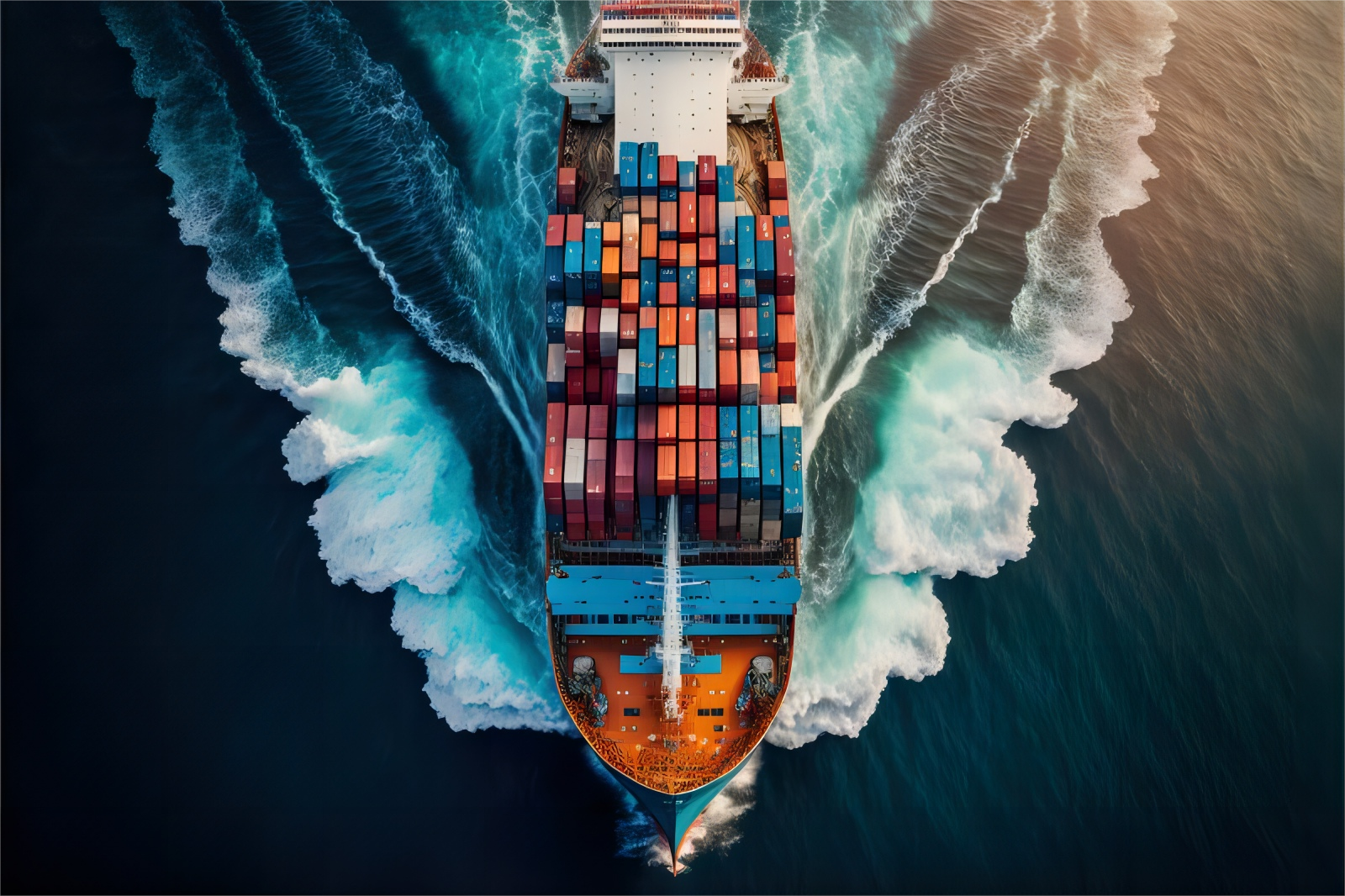
What is LCL Shipping and Why is it Ideal for Shenzhen to Netherlands?
LCL, or Less than Container Load, shipping allows multiple shippers to share space within a single container. Consequently, this method is perfect for businesses with smaller cargo volumes that do not require a full container. It provides a cost-effective solution for importing goods.
Choosing sea freight LCL from Shenzhen to the Netherlands offers significant advantages. Specifically, it enables businesses to maintain lower inventory levels and respond quickly to market demands. Moreover, it reduces overall shipping costs compared to air freight for non-urgent, smaller shipments.
Understanding Transit Times for Fast LCL Shipping from Shenzhen to Netherlands
The transit time for fast LCL shipping from Shenzhen to Netherlands typically ranges from 28 to 40 days. However, several critical factors influence this duration. These include the specific port of loading in Shenzhen, the chosen carrier, and whether the route involves direct sailing or transshipment.
Furthermore, port congestion in both origin and destination ports can significantly impact schedules. Customs clearance processes in the Netherlands also play a crucial role in the final delivery schedule. Therefore, understanding these variables is essential for accurate planning.
| Route Type | Estimated Transit Time | Typical Cost Factor | Best For |
|---|---|---|---|
| Direct Service | 28-35 Days | Higher | Time-sensitive cargo |
| Transshipment (via Singapore/Colombo) | 35-40 Days | Lower | Cost-sensitive, flexible cargo |
How Does Fast LCL Shipping Compare to Other Shipping Options?
When considering shipping from China to Europe, LCL sea freight is just one of several available methods. Understanding the alternatives is key to making an informed decision for your specific logistics needs. Each option presents unique trade-offs concerning speed, cost, and capacity.
For instance, while LCL offers a balance, other methods might be more suitable depending on your priorities. Evaluating these options helps optimize your supply chain for diverse cargo requirements and delivery expectations.
| Shipping Method | Cost Range | Transit Time | Best For | Limitations |
|---|---|---|---|---|
| LCL Sea Freight | Low to Medium | 28-40 Days | Small to medium volumes, non-urgent | Slower than air, potential delays |
| Air Freight | High | 3-7 Days | Urgent, high-value, small volume | Expensive, weight/size restrictions |
| FCL Sea Freight | Medium (per container) | 28-35 Days | Large volumes, dedicated container | Less flexible for smaller shipments |
| Rail Freight | Medium | 18-25 Days | Medium to large volumes, faster than sea | Limited routes, potential congestion |
Which Option Should You Choose? A Decision Framework
Selecting the optimal shipping method depends heavily on your specific business priorities. If budget is your primary concern, LCL or FCL sea freight often provide the most economical rates. Conversely, if speed is paramount, air freight is the undisputed choice for urgent deliveries.
Consider your cargo type and volume thresholds as well. Small, high-value items often benefit from air freight, while larger, less urgent shipments are ideal for sea freight. Moreover, hybrid solutions can offer a balanced approach, combining different modes for efficiency.
Key Factors Influencing LCL Shipping Costs from Shenzhen to Netherlands
Understanding the various components of LCL freight costs is vital for budget planning. The ocean freight rate itself is a significant factor, typically calculated per cubic meter (CBM) or per 1000 kg, whichever yields a higher charge. These rates fluctuate based on market demand and fuel surcharges.
Additionally, origin charges in Shenzhen cover local transport, warehousing, and documentation fees. Destination charges in the Netherlands include terminal handling, customs entry, and local delivery. Furthermore, customs duties and taxes, determined by the commodity type and value, represent another substantial cost element.
Note: Freight rates are subject to change based on fuel costs, carrier capacity, and seasonal demand. Contact us for a current quote tailored to your specific shipment.
Streamlining Your LCL Shipment: Documentation and Customs
Efficient customs clearance is paramount for achieving fast LCL shipping from Shenzhen to Netherlands. Proper documentation prevents delays and ensures smooth entry into the EU. Key documents include the Commercial Invoice, Packing List, and Bill of Lading.
Moreover, accurate commodity descriptions and HS codes are crucial for correct duty and tax assessment. Utilizing a professional customs brokerage service can significantly expedite this process. They navigate complex regulations, minimizing risks and ensuring compliance.
Real-World Scenarios: Successful Fast LCL Shipments
These case studies illustrate practical applications of fast LCL shipping from Shenzhen to Netherlands. They highlight how different cargo types and priorities influence logistical decisions and outcomes. Each scenario demonstrates effective strategies for various business needs.
Understanding these real-world examples can provide valuable insights into optimizing your own import operations. They showcase the complexities and successful navigation of international cargo handling.
Case Study 1: Electronics from Shenzhen to Amsterdam
| Detail | Description |
|---|---|
| Route | Shenzhen, China -> Amsterdam, Netherlands |
| Cargo | Consumer electronics, 3 CBM, 400 kg |
| Container | LCL 3 CBM |
| Shipping Details | Carrier: Major carrier, Port of Loading: Yantian, Port of Discharge: Rotterdam, Route Type: Direct |
| Cost Breakdown | Ocean Freight: $195, Origin Charges: $200, Destination Charges: $350, Customs & Duties (estimated): $800, Total Landed Cost: $1545 |
| Timeline | Booking to Loading: 3 days, Sea Transit: 28 days, Customs Clearance: 2 days, Total Door-to-Door: 35 days |
| Key Insight | Prioritizing direct service and efficient customs reduced overall lead time for valuable goods. Based on Q4 2024 market rates. |
Case Study 2: Apparel from Shenzhen to Rotterdam
| Detail | Description |
|---|---|
| Route | Shenzhen, China -> Rotterdam, Netherlands |
| Cargo | Fashion apparel, 7 CBM, 800 kg |
| Container | LCL 7 CBM |
| Shipping Details | Carrier: Consolidated service, Port of Loading: Shekou, Port of Discharge: Rotterdam, Route Type: Transshipment via Singapore |
| Cost Breakdown | Ocean Freight: $455, Origin Charges: $250, Destination Charges: $400, Customs & Duties (estimated): $600, Total Landed Cost: $1705 |
| Timeline | Booking to Loading: 5 days, Sea Transit: 35 days, Customs Clearance: 3 days, Total Door-to-Door: 45 days |
| Key Insight | Balancing cost and transit time through transshipment for recurring, less time-sensitive cargo. Typical rates as of early 2025. |
Case Study 3: Machinery Parts from Dongguan to Eindhoven
| Detail | Description |
|---|---|
| Route | Dongguan (via Shenzhen), China -> Eindhoven, Netherlands |
| Cargo | Industrial machinery parts, 10 CBM, 1200 kg |
| Container | LCL 10 CBM |
| Shipping Details | Carrier: Specialized LCL consolidator, Port of Loading: Yantian, Port of Discharge: Rotterdam, Route Type: Direct |
| Cost Breakdown | Ocean Freight: $650, Origin Charges: $280, Destination Charges: $450, Customs & Duties (estimated): $750, Total Landed Cost: $2130 |
| Timeline | Booking to Loading: 4 days, Sea Transit: 30 days, Customs Clearance: 2 days, Total Door-to-Door: 38 days |
| Key Insight | Effective coordination for oversized LCL items and final mile delivery, ensuring specific handling requirements. Based on Q1 2025 market rates. |
Optimizing Your Supply Chain for Netherlands-Bound Cargo
Achieving a truly fast LCL shipping from Shenzhen to Netherlands involves more than just selecting a carrier. It requires a holistic approach to supply chain management. Consolidation services, for example, allow you to combine goods from multiple suppliers into a single LCL shipment, reducing costs and administrative effort.
Furthermore, considering door to door solutions simplifies the entire process. This service handles everything from pickup at origin to final delivery, minimizing your logistical burden. Leveraging technology, such as advanced tracking systems, also provides greater visibility and control over your cargo’s journey.
Navigating Current Market Trends and Future Outlook
As of Q1 2025, freight rates from China to Europe have stabilized after the 2024 Red Sea disruptions, although some volatility remains. Industry benchmarks suggest a continued focus on supply chain resilience and diversified routing options. Shippers are increasingly prioritizing reliability alongside cost-effectiveness.
Seasonal patterns also significantly impact freight rates and transit times. Rates typically increase 15-25% during the August-October peak season leading up to holidays. Therefore, planning shipments well in advance during these periods is a smart strategy to avoid surcharges and delays.

Conclusion
In conclusion, achieving fast LCL shipping from Shenzhen to Netherlands requires strategic planning and an understanding of various logistical elements. By choosing the right service, optimizing documentation, and partnering with an expert freight forwarder, businesses can ensure efficient and cost-effective cargo movement. Ultimately, this approach enhances supply chain resilience and supports growth in the competitive European market.
Need a tailored shipping solution?
Ready to optimize your imports? For reliable and fast LCL shipping from Shenzhen to Netherlands, partnering with experienced freight forwarders is crucial. Contact us today for a personalized quote and discover how we can streamline your logistics operations and ensure timely delivery.