

China FCL Warehouse Consolidation to New Jersey: Your Ultimate Guide
“Navigating international shipping from China to the US East Coast often presents challenges like fragmented shipments and high costs. This guide explores China FCL warehouse consolidation to New Jersey as a powerful solution, offering businesses a way to streamline imports and optimize their supply chain efficiently with Top China Forwarder.”
What is China FCL Warehouse Consolidation to New Jersey?
❖Full Container Load (FCL) shipping involves booking an entire container exclusively for your cargo. This method is ideal for larger volumes, offering superior security and efficiency. Consequently, it often provides better cost-effectiveness per unit compared to Less than Container Load (LCL) options.
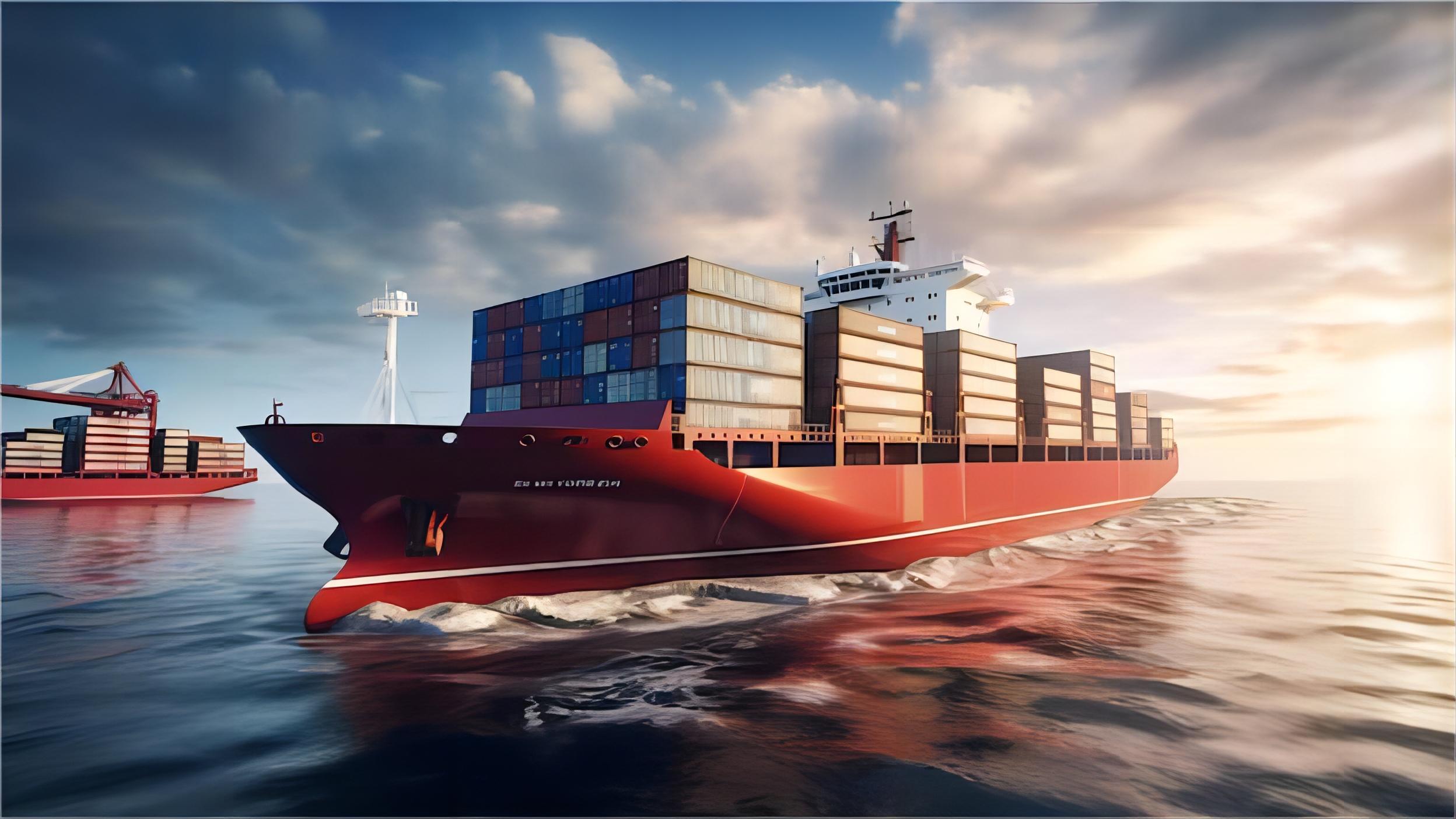
Warehouse consolidation refers to collecting goods from multiple suppliers at a central facility before loading them into a single FCL container. This strategic approach streamlines logistics significantly. Ultimately, it optimizes space utilization and reduces overall shipping costs for businesses importing from China to New Jersey.
This service particularly benefits importers dealing with various vendors across China. Instead of managing multiple smaller shipments, one coordinated FCL shipment simplifies the entire process. Therefore, it allows for greater control and predictability in your supply chain management.
| Aspect | FCL Consolidation | Traditional LCL |
|---|---|---|
| Cost Efficiency | Lower per-unit cost for larger volumes, optimized container space | Higher per-unit cost, pay for shared space |
| Transit Time | Potentially faster, direct route to destination | Slower due to multiple loading/unloading points |
| Cargo Security | Reduced handling, less risk of damage or loss | More handling, increased risk of damage |
| Customs Clearance | Simpler documentation for a single shipment | More complex, multiple consignees in one container |
| Inventory Management | Predictable delivery schedules, better planning | Less predictable, potential delays |
The Strategic Advantage: Why Consolidate Your Cargo?
❖Consolidating your cargo offers numerous benefits for businesses engaged in shipping to North America. Firstly, it dramatically reduces your freight expenses. Instead of paying for multiple small LCL shipments, you fill one container, thereby leveraging the economies of scale inherent in FCL shipping from China to New Jersey.
Furthermore, consolidation enhances supply chain efficiency. By centralizing goods from various vendors, you simplify documentation and coordination. This unified approach minimizes administrative burdens and accelerates the overall transit time. Consequently, it leads to more reliable delivery schedules and improved inventory management.
The Process of China FCL Warehouse Consolidation to New Jersey
❖The journey begins with collecting goods from your diverse suppliers across China. Our network ensures efficient pickup and transport to a designated consolidation warehouse. This initial step is critical for timely aggregation of all your products, especially when dealing with multiple manufacturing locations.
Upon arrival at the warehouse, goods are meticulously inspected, sorted, and prepared for export. Proper labeling, quality checks, and documentation are completed at this stage. Subsequently, the consolidated cargo is expertly loaded into an FCL container, maximizing space and securing items for their long voyage, thus ensuring optimal cargo handling.
Next, the container is transported to a major Chinese port, such as Shanghai, Ningbo, or Shenzhen. These ports are renowned for their high volume and advanced infrastructure. From there, it embarks on its sea freight journey across the Pacific Ocean, utilizing established shipping lanes for efficient transit.
The destination port in New Jersey, typically Port Newark-Elizabeth Marine Terminal, handles the container’s arrival. Finally, upon reaching New Jersey, the container undergoes customs clearance, a vital step handled by experienced customs brokerage services. After clearance, the container is drayed to your final destination in New Jersey, ensuring seamless door-to-door FCL delivery New Jersey and completing the logistics chain efficiently.
Navigating Key Considerations for China FCL Warehouse Consolidation to New Jersey
❖Choosing the right container type is paramount for FCL shipping from China to New Jersey. Standard 20-foot (20GP) and 40-foot (40GP) containers are common, but 40-foot High Cube (40HQ) containers offer extra vertical space. Selecting the appropriate size prevents wasted space and optimizes the cost of FCL shipping New Jersey.
Furthermore, understanding transit times is crucial for effective inventory management and delivery schedule planning. Sea freight from China to New Jersey typically ranges from 30 to 35 days. Factors like weather, port congestion, and customs delays can influence these timelines, so buffer time is always recommended.
Proper documentation is another critical aspect for successful China FCL warehouse consolidation to New Jersey. A complete Bill of Lading, commercial invoice, packing list, and customs declaration are essential for smooth customs clearance for FCL New Jersey. Inaccurate or incomplete paperwork can lead to significant delays and penalties.
Moreover, cargo insurance provides vital protection against unforeseen circumstances during transit. While FCL offers higher security, risks like natural disasters or accidents still exist. Therefore, securing adequate insurance safeguards your investment and mitigates potential financial losses.
Understanding the Cost of FCL Shipping New Jersey
The cost of FCL shipping from China to New Jersey encompasses several components. These include ocean freight, origin charges, destination charges, and customs duties and taxes. Freight rates are highly dynamic, influenced by fuel costs, carrier capacity, global demand, and geopolitical events.
As of Q1 2025, typical FCL rates for a 40HQ from China to the East Coast USA (including New Jersey) range from $4,500 to $6,000 for ocean freight. Origin and destination charges can add another $800-$1,500, excluding duties and taxes. Consequently, getting a current quote tailored to your specific cargo and route is always advisable to reflect real-time market conditions.
Note: Freight rates are subject to change based on fuel costs, carrier capacity, and seasonal demand. Contact us for a current quote tailored to your specific shipment.
| Cost Component | Typical Range (USD) | Description |
|---|---|---|
| Ocean Freight (40HQ) | $4,500 – $6,000 | Cost for transporting the container by sea from China to New Jersey |
| Origin Charges | $300 – $500 | Terminal handling, documentation, drayage to port in China |
| Destination Charges | $500 – $1,000 | Terminal handling, drayage from port to warehouse in New Jersey |
| Customs & Duties | Varies (e.g., 0-25%) | Taxes and tariffs based on product type, value, and origin |
| Cargo Insurance | 0.3% – 0.5% of cargo value | Protection against loss or damage during transit, highly recommended |
How Does FCL Warehouse Consolidation Compare to Other Shipping Options?
❖When considering sea freight for your imports, FCL warehouse consolidation stands out for its balance of cost and efficiency. However, other methods like LCL or air freight offer different advantages depending on your specific needs. Understanding these alternatives is crucial for optimizing your supply chain.
For instance, LCL (Less than Container Load) is suitable for smaller shipments that don’t fill an entire container. While it offers flexibility for smaller volumes, it typically involves more handling and longer transit times due to consolidation and deconsolidation. Therefore, it might increase the risk of damage or loss.
Conversely, air freight provides unparalleled speed, ideal for urgent, high-value, or time-sensitive goods. However, its cost is significantly higher than sea freight. For example, a 40HQ FCL sea shipment costs $4,500-$6,000, while air freight for comparable volume could easily exceed $20,000-$30,000. This makes it less viable for routine, large-volume imports to New Jersey.
Hybrid solutions, such as sea-air combinations, can also be considered for specific scenarios. These involve shipping by sea for the majority of the journey and then transferring to air freight for the final, more time-sensitive leg. This approach balances cost and speed, offering a middle ground for certain delivery schedule requirements.
| Shipping Method | Cost Range (40HQ equivalent) | Transit Time (China to New Jersey) | Best For | Limitations |
|---|---|---|---|---|
| FCL Sea Freight | $4,500 – $6,000 | 30-35 days | Large volumes, cost-efficiency, predictable schedules | Slower than air, requires full container |
| LCL Sea Freight | $80 – $120/CBM | 35-45 days | Small to medium volumes, lower upfront cost for small loads | Longer transit, more handling, less secure, potential delays |
| Air Freight | $20,000 – $30,000+ | 5-7 days | Urgent, high-value, perishable goods, rapid inventory replenishment | Very high cost, volume/weight restrictions, environmental impact |
| Sea-Air (Hybrid) | Mid-range | 15-20 days | Time-sensitive but not critical, balancing cost and speed | More complex coordination, limited routes, potential for transshipment delays |
Which Option Should You Choose for Your New Jersey Imports?
Selecting the optimal shipping method depends entirely on your specific business priorities and cargo characteristics. For businesses prioritizing budget and moving large volumes, FCL warehouse consolidation to New Jersey is almost always the most economical choice. It provides significant savings per unit and predictable transit times.
Conversely, if speed is your absolute priority, particularly for urgent or time-sensitive goods, air freight remains the fastest option. However, be prepared for a substantially higher cost. This method is usually reserved for critical stock-outs, product launches, or high-value, low-volume items.
Cargo type also dictates the best approach. Fragile, high-value, or oversized items often benefit from FCL’s dedicated space and reduced handling, minimizing damage risk. For smaller, less urgent shipments, LCL might seem attractive, but potential delays and increased handling risks should be carefully weighed, considering your needs for efficient door-to-door delivery.
Finally, volume thresholds are a key determinant. If your total CBM (cubic meters) approaches or exceeds 15-20 CBM, upgrading from LCL to FCL consolidation often becomes more cost-effective. This threshold varies, so a detailed cost analysis for your specific shipment is always recommended to ensure you’re making the most financially sound decision.

Real-World Scenarios: Case Studies in FCL Consolidation
❖These case studies illustrate the practical application and benefits of China FCL warehouse consolidation to New Jersey. Each scenario highlights different challenges and solutions, offering valuable insights for importers. They reflect typical rates and timelines as of early 2025, subject to market fluctuations and specific carrier agreements.
Understanding these real-world examples can help you visualize how strategic FCL consolidation can optimize your own import operations, whether you’re dealing with multiple suppliers or large seasonal orders. Without a doubt, careful planning leads to significant advantages.
Case Study 1: Consolidating Multiple E-commerce Suppliers
A growing e-commerce business in New Jersey sourced products from five different factories in Guangdong, China. Their challenge was managing individual LCL shipments which led to unpredictable inventory, higher freight rates, and increased administrative burden. They opted for FCL consolidation to streamline import logistics China to New Jersey.
| Category | Details | ||||
|---|---|---|---|---|---|
| Route | Guangzhou, China -> Port Newark-Elizabeth, New Jersey | ||||
| Cargo | Assorted consumer electronics, 28 CBM, 8,500 kg | ||||
| Container | 40GP (effectively filled to 90% capacity) | ||||
| Shipping Details | Carrier: COSCO, Port of Loading: Nansha, Port of Discharge: Port Newark, Route Type: Direct | ||||
| Cost Breakdown | Ocean Freight: $4,200 | Origin Charges: $450 | Destination Charges: $700 | Customs & Duties (estimated): $1,200 | Total Landed Cost: $6,550 |
| Timeline | Booking to Loading: 7 days | Sea Transit: 32 days | Customs Clearance: 3 days | Total Door-to-Door: 45 days | |
| Key Insight | Consolidation reduced per-unit shipping cost by 30% compared to previous LCL shipments, improving inventory flow and predictability. This allowed for better planning of their delivery schedule. |
Case Study 2: Seasonal Apparel Import for Retail Distribution
A New Jersey-based apparel retailer needed to import a large volume of seasonal clothing from various manufacturers in Zhejiang province. Timely delivery was critical to hit store launch dates and avoid lost sales. Their primary goal was reliable transit times and robust cargo handling during the competitive Q4 peak season.
| Category | Details | ||||
|---|---|---|---|---|---|
| Route | Ningbo, China -> Port Newark-Elizabeth, New Jersey | ||||
| Cargo | Textiles and finished apparel, 58 CBM, 15,000 kg | ||||
| Container | 40HQ | ||||
| Shipping Details | Carrier: Maersk, Port of Loading: Ningbo, Port of Discharge: Port Newark, Route Type: Direct (Q4 peak season) | ||||
| Cost Breakdown | Ocean Freight: $5,800 | Origin Charges: $500 | Destination Charges: $850 | Customs & Duties (estimated): $2,500 | Total Landed Cost: $9,650 |
| Timeline | Booking to Loading: 10 days | Sea Transit: 35 days | Customs Clearance: 4 days | Total Door-to-Door: 52 days | |
| Key Insight | Despite peak season surcharges, FCL consolidation ensured a dedicated container and predictable delivery, avoiding LCL delays and allowing the retailer to meet their critical market entry dates. This highlights the importance of streamlining FCL shipments to New Jersey. |
Case Study 3: Industrial Components for Manufacturing
An industrial manufacturer in New Jersey regularly imported heavy machinery components from several suppliers in Jiangsu. The cargo required careful handling, secure transport, and specific temperature controls. They sought a reliable freight forwarder China to New Jersey to manage the complex logistics and secure their valuable parts, which are essential for their production line.
| Category | Details | ||||
|---|---|---|---|---|---|
| Route | Shanghai, China -> Port Newark-Elizabeth, New Jersey | ||||
| Cargo | Heavy machinery parts, 20 CBM, 22,000 kg | ||||
| Container | 20GP (heavy cargo) | ||||
| Shipping Details | Carrier: MSC, Port of Loading: Shanghai, Port of Discharge: Port Newark, Route Type: Direct | ||||
| Cost Breakdown | Ocean Freight: $3,500 | Origin Charges: $400 | Destination Charges: $650 | Customs & Duties (estimated): $1,800 | Total Landed Cost: $6,350 |
| Timeline | Booking to Loading: 8 days | Sea Transit: 30 days | Customs Clearance: 3 days | Total Door-to-Door: 44 days | |
| Key Insight | Using a 20GP for heavy cargo was more suitable and cost-effective than a larger container, ensuring stability and safety during transit. This tailored approach helped in reducing shipping costs China to New Jersey for specialized goods. |
Market Insights for China FCL Warehouse Consolidation to New Jersey
❖Current market conditions significantly impact freight rates and transit times for shipments from China. As of Q1 2025, freight rates from China to the East Coast USA have seen some stabilization after previous supply chain disruptions, yet they remain susceptible to global events and economic shifts. Industry benchmarks suggest a need for flexibility and proactive planning in logistics trends.
Seasonal patterns also play a critical role in `FCL shipping from China to New Jersey`. Rates typically increase by 15-25% during the peak season from August to October, ahead of the holiday shopping rush. Therefore, planning shipments outside these periods, or booking well in advance, can offer substantial cost savings and avoid potential delays.
Furthermore, choosing a reputable freight forwarder China to New Jersey is paramount. An experienced partner can navigate complex customs regulations, optimize routes, and provide valuable advice on cargo handling and import logistics China to New Jersey. Their expertise is invaluable for streamlining FCL shipments to New Jersey, ensuring compliance and efficiency.
Conclusion: Streamlining Your Imports with China FCL Warehouse Consolidation to New Jersey
In summary, China FCL warehouse consolidation to New Jersey offers a robust solution for businesses seeking efficiency, cost savings, and enhanced control over their supply chain. By centralizing goods from multiple suppliers into a single container, importers can significantly reduce freight expenses, minimize transit times, and improve cargo security.
Moreover, understanding the nuances of FCL shipping, from container types to customs procedures, is vital for a smooth process. Partnering with an experienced freight forwarder who specializes in this route can provide invaluable expertise and support. Ultimately, this strategic approach empowers businesses to navigate the complexities of international logistics with confidence, ensuring timely and cost-effective delivery to the East Coast and optimizing their import operations.
Ready to streamline your logistics?
Ready to optimize your supply chain and reduce shipping costs? Discover how our expert China FCL warehouse consolidation to New Jersey services can benefit your business. Contact us today for a personalized quote and a seamless import experience.
Request Quote