China FCL FOB Shipping to Belgium: Your Comprehensive Guide
Navigating international logistics can be complex, particularly when it involves significant trade routes like China to Belgium. Businesses often seek reliable solutions for full container load (FCL) shipments under Free On Board (FOB) terms, aiming for both cost-effectiveness and timely delivery. This comprehensive guide will demystify the process of China FCL FOB shipping to Belgium, offering insights into optimizing your supply chain. For personalized support, visit Top China Forwarder.
Understanding China FCL FOB Shipping and Why Choose it for Belgium?
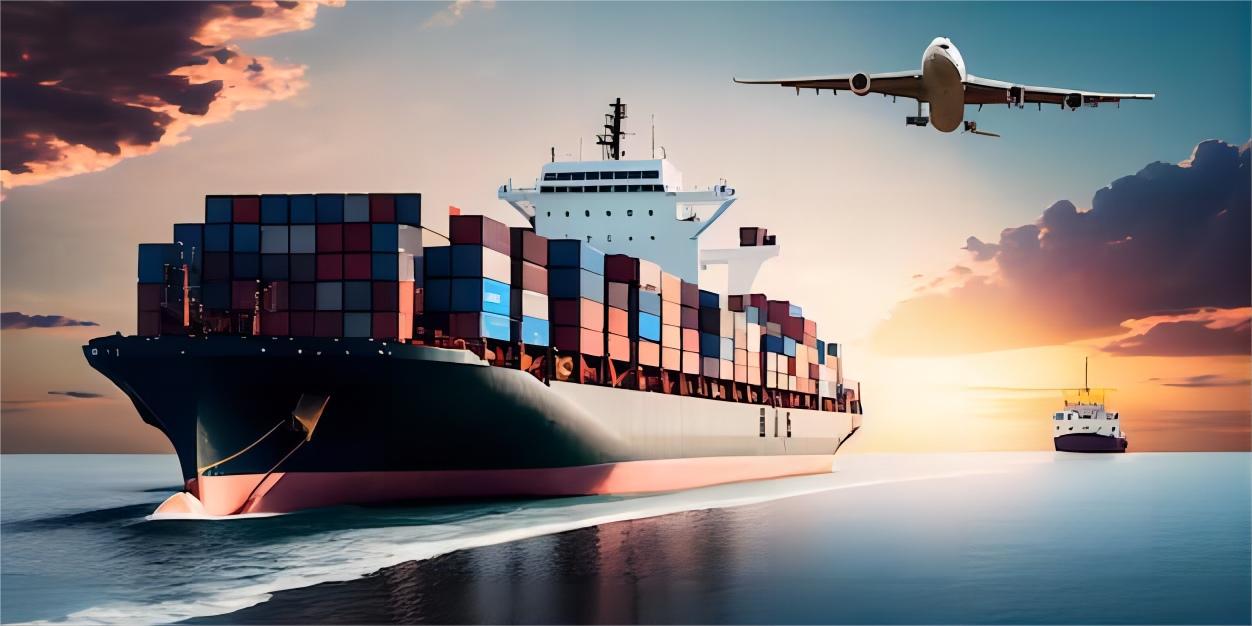
When importing goods from China to Belgium, Full Container Load (FCL) shipping is a popular choice for larger volumes. This means your cargo occupies an entire shipping container, offering dedicated space and often faster transit times compared to sharing space. Moreover, it minimizes handling, reducing the risk of damage.
Free On Board (FOB) is an Incoterm that defines the point at which responsibility and risk transfer from the seller to the buyer. Under FOB terms, the seller in China is responsible for delivering the goods to the named port of loading and clearing them for export. Consequently, the buyer in Belgium assumes responsibility for the main carriage, insurance, and all costs and risks once the goods are loaded onto the vessel.
Choosing FCL under FOB terms for your China to Belgium route provides significant advantages, especially for businesses with substantial cargo volumes. It offers greater control over your shipment’s schedule and route. Furthermore, it can be more cost-effective per unit than Less than Container Load (LCL) for larger consignments, streamlining the import process into Belgium.
What are the Essential Steps for China FCL FOB Shipping to Belgium?
Planning your FCL FOB shipment from China to Belgium involves several critical steps to ensure a smooth operation. First, selecting a reputable supplier in China who understands FOB terms is paramount. Subsequently, you must choose a reliable freight forwarder to manage the ocean leg and destination logistics. This partner will coordinate with the seller and carrier.
Booking your container well in advance is advisable, especially during peak seasons, to secure space and favorable freight rates. Furthermore, accurate documentation, including the Bill of Lading, commercial invoice, packing list, and export declaration, is vital for successful customs clearance. Proper preparation prevents costly delays.
Navigating Incoterms and Responsibilities
Understanding FOB Incoterms is crucial for both buyers and sellers. Under FOB, the seller arranges for the goods to be loaded onto the vessel at the port of origin, bearing all costs and risks up to that point. This includes inland transport to the port, export customs clearance, and terminal handling charges.
Conversely, the buyer is responsible for all costs and risks from the moment the goods are on board the ship. This encompasses ocean freight, marine insurance, destination port charges, import customs clearance in Belgium, and inland transportation to the final delivery point. Clearly defining these responsibilities prevents disputes and ensures smooth transitions.
Choosing the Right Container Type
Selecting the appropriate container for your China FCL FOB shipping to Belgium is essential for efficiency and cost control. Standard dry containers come in 20-foot (20GP) and 40-foot (40GP or 40HQ) sizes, accommodating various cargo volumes. A 20GP container typically holds around 33 CBM, while a 40GP holds about 67 CBM, and a 40HQ holds approximately 76 CBM.
For oversized or specialized cargo, other container types like open-top, flat rack, or refrigerated (reefer) containers are available. Indeed, choosing the correct size prevents wasted space and unnecessary costs. Your freight forwarder can help determine the best fit for your specific goods and volume.
What are the Typical Costs and Transit Times for FCL Shipping to Belgium?
The cost of China FCL FOB shipping to Belgium is influenced by various factors, including the port of loading in China, the port of discharge in Belgium (primarily Antwerp), container size, carrier, and prevailing market conditions. Ocean freight rates, in particular, fluctuate based on fuel costs, global demand, and carrier capacity. As of early 2025, rates for a 40HQ container from major Chinese ports to Antwerp typically range from $3,000 to $4,200.
Beyond the base ocean freight, importers must account for origin charges (THC, documentation), destination charges (THC, handling, drayage), customs duties, and value-added tax (VAT) in Belgium. Moreover, inland transportation costs from Antwerp to your final destination in Belgium also add to the total landed cost. A detailed quote from your forwarder will provide a comprehensive breakdown.
| Container Type | Ocean Freight Range | Origin Charges (Est.) | Destination Charges (Est.) | Total Port-to-Port (Est.) |
|---|---|---|---|---|
| 20GP | $1,800 – $2,500 | $300 – $500 | $400 – $600 | $2,500 – $3,600 |
| 40GP | $2,800 – $3,800 | $400 – $600 | $600 – $800 | $3,800 – $5,200 |
| 40HQ | $3,000 – $4,200 | $400 – $600 | $600 – $800 | $4,000 – $5,600 |
Understanding Transit Times and Routes
Transit times for FCL shipments from China to Belgium typically range from 28 to 35 days for direct services to Antwerp. However, these times can vary based on the specific port of loading in China (e.g., Shanghai, Ningbo, Shenzhen), the carrier’s schedule, and potential transshipment points. Port congestion, particularly at major hubs, can also impact the overall delivery schedule.
Most routes involve direct sailings or minimal transshipment via major European hubs before reaching Antwerp. For instance, vessels from Shanghai might sail directly or stop briefly at ports like Rotterdam or Hamburg. Planning ahead and monitoring vessel schedules are key to managing expectations for your supply chain.
What are the Customs Requirements for Importing from China to Belgium?
Successful customs clearance is a non-negotiable part of importing goods from China to Belgium. Importers must comply with all Belgian and EU customs regulations. This process requires meticulous preparation and submission of accurate documentation. Delays at this stage can lead to significant additional costs and disruption to your delivery schedule.
Appointing a reliable customs broker in Belgium is highly recommended. These experts navigate complex tariffs, duties, and VAT regulations, ensuring compliance. For comprehensive assistance with customs procedures, consider customs brokerage services.
| Document | Description | Purpose |
|---|---|---|
| Commercial Invoice | Details of goods, value, seller, buyer, Incoterms | Customs valuation, duty calculation |
| Packing List | Itemized list of goods, packaging details, weights, dimensions | Cargo verification, customs inspection |
| Bill of Lading (B/L) | Contract of carriage, title to goods | Proof of shipment, ownership transfer |
| Certificate of Origin | Confirms country where goods were manufactured | Determines preferential tariffs or restrictions |
| Import License (if applicable) | Required for certain regulated goods | Regulatory compliance |
| CE Marking (if applicable) | Declaration that product meets EU safety, health, environmental protection standards | Market entry requirement for many products |
Duties, Taxes, and Compliance
When importing goods into Belgium, duties and taxes are applied based on the Harmonized System (HS) code of your product. Import duties vary widely, and VAT (Value Added Tax) is generally applied at 21% in Belgium, though reduced rates may apply to specific goods. Understanding these financial obligations beforehand is crucial for accurate cost planning.
Compliance with EU product safety standards, labeling requirements, and environmental regulations is also mandatory. Therefore, ensuring your Chinese supplier adheres to these standards from the outset prevents issues at the Belgian border. Furthermore, consulting with a customs expert can help mitigate risks and ensure smooth entry.
How Can You Optimize Your China FCL FOB Shipping to Belgium?
Optimizing your FCL FOB shipping strategy involves several key areas, from supplier management to final delivery. First, establishing clear communication channels with your Chinese supplier is paramount. This ensures they understand their FOB responsibilities and meet shipping deadlines effectively. Proactive communication helps avoid misunderstandings.
Moreover, leveraging technology for tracking and visibility provides real-time updates on your shipment’s progress. This enables better inventory management and allows for swift responses to any potential disruptions. For streamlined logistics management, exploring door-to-door services can simplify the entire process from origin to destination.
The Role of a Reliable Freight Forwarder
A professional freight forwarder acts as your logistics partner, coordinating all aspects of your shipment. They negotiate freight rates with carriers, manage bookings, handle documentation, and oversee customs clearance. Their expertise is invaluable for navigating the complexities of international trade.
Choosing an experienced forwarder with a strong network in both China and Belgium can significantly enhance the efficiency and reliability of your supply chain. They provide critical insights into logistics trends and potential challenges. Consider their track record and industry reputation.
Managing Risks and Insurance
International shipping inherently involves risks, including cargo damage, loss, or delays. While FOB places risk transfer at the loading port, securing marine cargo insurance is a prudent measure for the buyer. This protects your financial interests against unforeseen events during transit.
Furthermore, proactive risk management includes thorough supplier vetting and careful planning of your shipping schedule. Preparing for potential port congestion or customs delays by building buffer time into your delivery schedule is also a wise strategy. A robust risk mitigation plan safeguards your investments.
How Does FCL Ocean Freight Compare to Other Shipping Options for Belgium?
When shipping from China to Belgium, businesses have several options beyond FCL ocean freight, each with distinct advantages and disadvantages. Evaluating these alternatives based on cost, speed, cargo type, and urgency is essential for making informed logistics decisions. Understanding the trade-offs allows for strategic planning.
While FCL ocean freight is generally the most cost-effective for large volumes, other methods like LCL, air freight, or even rail freight offer different benefits. Consider your specific needs and budget constraints before committing to a shipping method. This comparative analysis helps optimize your overall supply chain strategy.
| Shipping Method | Cost Range (40HQ/1000kg) | Transit Time | Best For | Limitations |
|---|---|---|---|---|
| FCL Ocean | $3,000 – $4,200 (40HQ) | 28-35 days | Large volumes, heavy/bulky goods, cost-sensitive | Slowest option, port congestion risks |
| LCL Ocean | $50 – $80 per CBM | 35-45 days | Smaller volumes (1-15 CBM), flexible | More handling, longer transit, higher per-unit cost |
| Air Freight | $5 – $10 per kg | 3-7 days | Urgent, high-value, perishable goods | Very expensive, volume/weight restrictions |
| Rail Freight | $8,000 – $12,000 (40HQ) | 18-25 days | Time-sensitive but not urgent, high-value | Limited routes, higher cost than sea, capacity issues |
Alternative Shipping Strategies and Hybrid Solutions
For certain scenarios, alternative or hybrid shipping strategies can offer optimized solutions. For example, if speed is critical but air freight is too expensive, rail freight presents a viable middle-ground option. It significantly cuts down transit time compared to sea freight while remaining more economical than air. Learn more about rail freight advantages.
Another approach is a sea-air combination, where goods travel by sea to a hub (e.g., Dubai) and then by air to Belgium. This hybrid solution balances speed and cost for specific products. Moreover, for smaller, urgent components, express services can supplement your main FCL shipments, ensuring critical parts arrive quickly. Explore express service options for urgent needs.
Which Option Should You Choose? A Decision Framework
Deciding on the best shipping method hinges on your priorities. If your primary concern is budget, FCL ocean freight is almost always the most economical choice for substantial volumes. For example, a 40HQ container via FCL offers the lowest cost per unit.
Conversely, if speed is the overriding factor, air freight is unmatched, especially for high-value or time-critical goods. Rail freight then serves as an excellent compromise between speed and cost. Finally, for smaller shipments that are not time-sensitive, LCL ocean freight remains a practical solution. Consider your cargo type, volume, and urgency to make the optimal decision. For detailed sea freight information, visit our services page.
Real-World Examples: China FCL FOB Shipping to Belgium
Examining actual shipments provides practical insights into the complexities and successful outcomes of China FCL FOB shipping to Belgium. These case studies highlight various scenarios, demonstrating how different factors influence cost, transit time, and overall logistics. They offer tangible examples of effective supply chain management.
These examples are based on typical market conditions as of early 2025, reflecting common challenges and solutions in international logistics. They underscore the importance of careful planning and selecting the right partners for your import needs. For urgent cargo, explore air freight options.
Case Study 1: Electronics Manufacturer’s Regular Shipment
| Detail Category | Description |
|---|---|
| Route | Shanghai, China -> Antwerp, Belgium |
| Cargo | Consumer electronics, 68 CBM, 12,000 kg |
| Container | 1 x 40HQ |
| Shipping Details | Carrier/Service: COSCO; Port of Loading: Shanghai; Port of Discharge: Antwerp; Route Type: Direct |
| Cost Breakdown | Ocean Freight: $3,500; Origin Charges: $450; Destination Charges: $700; Customs & Duties (estimated): $1,500; Total Landed Cost: $6,150 |
| Timeline | Booking to Loading: 5 days; Sea Transit: 30 days; Customs Clearance: 2 days; Total Door-to-Door: 38 days |
| Key Insight | Consistent scheduling and carrier relationships helped maintain competitive rates despite market fluctuations. Based on Q1 2025 market rates. |
Case Study 2: Textile Importer with Volume Discounts
| Detail Category | Description |
|---|---|
| Route | Ningbo, China -> Zeebrugge, Belgium |
| Cargo | Textiles and apparel, 28 CBM, 8,500 kg |
| Container | 1 x 20GP |
| Shipping Details | Carrier/Service: Maersk; Port of Loading: Ningbo; Port of Discharge: Zeebrugge; Route Type: Transshipment via Rotterdam |
| Cost Breakdown | Ocean Freight: $2,200; Origin Charges: $380; Destination Charges: $550; Customs & Duties (estimated): $1,200; Total Landed Cost: $4,330 |
| Timeline | Booking to Loading: 7 days; Sea Transit: 32 days; Customs Clearance: 3 days; Total Door-to-Door: 42 days |
| Key Insight | Utilizing Zeebrugge as an alternative port and accepting a transshipment saved costs, although adding a few days to transit. Typical rates as of early 2025. |
Case Study 3: Machinery Parts for Industrial Project
| Detail Category | Description |
|---|---|
| Route | Shenzhen, China -> Ghent, Belgium (via Antwerp) |
| Cargo | Industrial machinery parts, 72 CBM, 25,000 kg |
| Container | 1 x 40HQ |
| Shipping Details | Carrier/Service: MSC; Port of Loading: Shenzhen; Port of Discharge: Antwerp; Route Type: Direct |
| Cost Breakdown | Ocean Freight: $4,100; Origin Charges: $500; Destination Charges: $750; Customs & Duties (estimated): $2,000; Total Landed Cost: $7,350 |
| Timeline | Booking to Loading: 6 days; Sea Transit: 33 days; Customs Clearance: 2 days; Total Door-to-Door: 40 days (including inland to Ghent) |
| Key Insight | Pre-booking well in advance and strong communication with the forwarder mitigated potential delays during peak season. Market data suggests these are representative costs. |
Conclusion: Mastering Your China FCL FOB Shipping to Belgium
Successfully managing China FCL FOB shipping to Belgium requires a clear understanding of Incoterms, meticulous planning, and collaboration with experienced logistics partners. From navigating costs and transit times to ensuring seamless customs clearance, every detail matters. By choosing FCL, you benefit from cost-efficiency for large volumes and greater control over your supply chain.
Indeed, leveraging expert freight forwarding services and considering alternative shipping methods can further optimize your operations. Ultimately, a well-executed strategy for China FCL FOB shipping to Belgium can significantly enhance your import efficiency and contribute to your business’s success. We encourage you to reach out for a tailored consultation.
Need a tailored shipping solution?
Ready to streamline your China FCL FOB shipping to Belgium? Our expert team is here to provide tailored logistics solutions and competitive freight rates. Contact us today to receive a personalized quote and ensure your cargo arrives efficiently and without hassle.