

China FCL Factory Pickup to Belgium: Your Complete Guide
Navigating international freight can be complex, especially when coordinating a full container load (FCL) shipment directly from a Chinese factory to Belgium. Businesses often face challenges like managing diverse suppliers, ensuring timely pickup, and understanding intricate customs procedures. This comprehensive guide simplifies the process of China FCL factory pickup to Belgium, offering practical insights and solutions for a smooth import experience.

What is China FCL Factory Pickup to Belgium?
China FCL factory pickup to Belgium refers to the comprehensive logistics service where a full container load (FCL) is collected directly from your supplier’s factory in China. This cargo is then transported by road to a Chinese port, loaded onto a vessel, and shipped to a port in Belgium.
Ultimately, the service often includes customs clearance and final delivery to your designated warehouse or facility in Belgium. Essentially, it covers the entire journey from the point of origin in China to the final destination in Belgium. This end-to-end solution simplifies the supply chain for importers.
Why Choose FCL Shipping for Your Belgium Imports?
Choosing FCL (Full Container Load) shipping offers significant advantages for businesses importing goods from China to Belgium. Primarily, it provides exclusivity; your cargo is the sole occupant of the container, minimizing handling and reducing the risk of damage or loss.
Moreover, FCL shipments generally offer faster transit times compared to LCL (Less than Container Load) because there’s no need for consolidation or deconsolidation at intermediate points. This direct route can significantly improve your delivery schedule. Furthermore, FCL often proves more cost-effective for larger volumes, as the per-unit cost decreases significantly.
Indeed, it offers greater control over scheduling and capacity, which is crucial for managing inventory and meeting market demands. For businesses with substantial cargo volumes, FCL shipping from China to Belgium is frequently the most logical and economical choice.
How Does the FCL Factory Pickup Process Work?
The process of door-to-door FCL factory pickup from China to Belgium involves several critical stages, each requiring meticulous coordination. Initially, you place an order with your Chinese supplier, specifying the goods and quantities for a full container.
Subsequently, a freight forwarder arranges the pickup of the loaded container directly from the factory premises. This involves coordinating truck logistics and ensuring the container is sealed correctly. The container is then transported to the nearest major port in China, such as Shanghai, Ningbo, or Shenzhen.
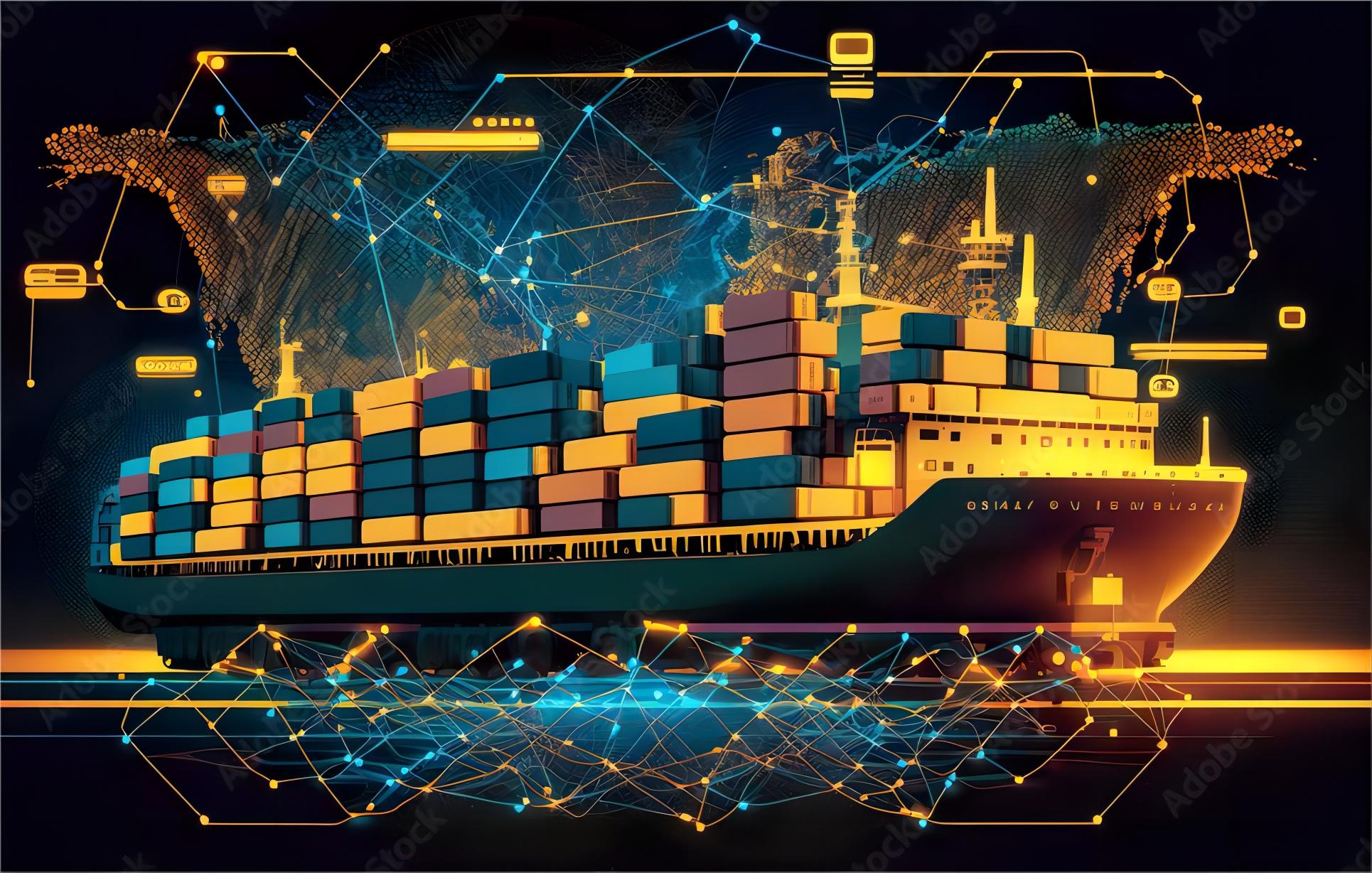
Upon arrival at the port, the container undergoes export customs clearance procedures. After clearance, it is loaded onto a cargo vessel bound for Belgium. The sea journey typically concludes at key Belgian ports like Antwerp or Zeebrugge. Finally, after import customs brokerage, the container is trucked to your specified delivery address in Belgium, completing the entire logistics chain.
What are Key Considerations for China to Belgium FCL Shipping?
When planning your China FCL factory pickup to Belgium shipment, several factors demand careful attention to ensure a smooth operation. Understanding Incoterms (International Commercial Terms) is paramount, as they define responsibilities and costs between buyer and seller. Common Incoterms for factory pickup include EXW (Ex Works) or FOB (Free On Board).
Furthermore, selecting the appropriate container size (20GP, 40GP, 40HQ) based on your cargo volume and weight is essential for optimizing freight rates. You must also consider cargo insurance to protect against unforeseen incidents during transit. Moreover, accurate documentation, including commercial invoices, packing lists, and bills of lading, is critical for both export and import customs clearance.
Finally, choosing a reputable freight forwarder with extensive experience on the China-Europe route is invaluable. They can navigate potential challenges like port congestion, seasonal surcharges, and regulatory changes, ensuring your supply chain remains robust. This expertise is vital for avoiding costly delays and ensuring timely delivery.
Essential Documentation for Import to Belgium
Proper documentation is the backbone of international shipping. Missing or incorrect paperwork can lead to significant delays and penalties. Therefore, meticulously preparing all required documents is non-negotiable for smooth customs processing.
Indeed, collaborating closely with your supplier and freight forwarder will help ensure all necessary forms are accurately completed and submitted on time. This proactive approach minimizes customs-related complications. Below is a checklist of common documents.
| Document Type | Purpose | Issued By | Notes |
|---|---|---|---|
| Commercial Invoice | Details goods, value, terms of sale | Seller | Used for customs valuation |
| Packing List | Itemizes contents, weights, dimensions | Seller | Aids in cargo verification |
| Bill of Lading (B/L) | Contract of carriage, title to goods | Carrier/Forwarder | Key transport document |
| Certificate of Origin | Confirms goods’ country of manufacture | Chamber of Commerce | May impact duties/tariffs |
| Import License | Required for certain regulated goods | Belgian Authorities | Check specific product requirements |
| Customs Declaration (IM4) | Formal declaration to Belgian Customs | Importer/Broker | Prepared based on other documents |
How Does China FCL Factory Pickup to Belgium Compare to Other Shipping Options?
While FCL sea freight is a popular choice for China to Belgium routes, it’s not the only option. Understanding alternatives helps you choose the best fit for your specific needs. Each method presents unique trade-offs in terms of speed, cost, and capacity. Therefore, evaluating your priorities is key.
For instance, air freight offers speed but at a premium, while rail freight provides a balance. Conversely, LCL sea freight suits smaller shipments. Weighing these options against your business objectives is crucial for optimizing your logistics strategy.
Here’s a comparison to help you decide which method aligns best with your budget and timeline. This objective analysis highlights the strengths and weaknesses of each shipping solution. Ultimately, the best choice depends on your specific cargo and urgency.
| Shipping Method | Cost Range (40HQ est.) | Transit Time (Days) | Best For | Limitations |
|---|---|---|---|---|
| FCL Sea Freight | $3,000-4,200 | 28-35 | Large volumes, cost-efficiency, non-urgent goods | Slowest transit time, port congestion risks |
| LCL Sea Freight | $80-150 per CBM | 35-45 | Smaller volumes (under 15 CBM), budget-conscious | Longer transit, more handling, less control |
| Rail Freight | $8,000-12,000 | 18-25 | Medium-to-large volumes, faster than sea, slower than air | Limited capacity, specific rail terminals, weather impacts |
| Air Freight | $15,000-25,000 | 5-7 | Urgent, high-value, perishable goods, small volumes | Highest cost, limited cargo size/weight, environmental impact |
What are Realistic Costs and Transit Times for FCL Shipments?
Understanding the typical freight rates and transit times is crucial for effective budgeting and supply chain planning. As of early 2025, freight rates from China to Europe have seen some stabilization after the 2024 Red Sea disruptions, but remain subject to various market dynamics. Therefore, obtaining a current quote is always recommended.
The total shipping costs for China FCL factory pickup to Belgium encompass more than just ocean freight. They include origin charges (e.g., terminal handling, documentation, drayage to port), destination charges (e.g., port fees, customs clearance, delivery), and potential customs duties and taxes. Consequently, a comprehensive cost breakdown is essential.
Transit times for FCL shipments from major Chinese ports to Belgian ports like Antwerp or Zeebrugge typically range from 28 to 35 days. However, this can fluctuate due to factors like vessel schedules, transshipment points, port congestion, and seasonal demand. For instance, peak seasons (August-October) often see increased transit times and higher rates (15-25% higher).
Factors Influencing FCL Shipping Costs
Several variables significantly impact the final cost of your China FCL factory pickup to Belgium shipment. The specific port of loading in China and the port of discharge in Belgium play a role, as does the chosen shipping line and service route. Direct services are usually faster but can be more expensive than routes involving transshipment.
Moreover, fuel surcharges (Bunker Adjustment Factor – BAF) and currency exchange rates can cause fluctuations in overall pricing. General Rate Increases (GRIs), often implemented by carriers, also affect freight rates. Furthermore, additional services like cargo insurance, specialized handling, or storage contribute to the total landed cost. Therefore, a detailed quote is always advisable.
Note: Freight rates are subject to change based on fuel costs, carrier capacity, and seasonal demand. Contact us for a current quote tailored to your specific shipment.
Case Studies: Real-World China to Belgium FCL Shipments
Exploring real-world scenarios provides valuable insight into the practicalities and outcomes of FCL factory pickup from China to Belgium. These examples illustrate typical costs, transit times, and potential challenges. Consequently, they help businesses better prepare for their own imports. Each case highlights different aspects of the shipping process, offering a comprehensive view.
Based on Q3 2024 market rates, these case studies represent common import situations. They demonstrate the importance of meticulous planning and choosing the right logistics partner. Understanding these examples can streamline your decision-making process. Ultimately, they showcase how efficient logistics can drive business success.
Case Study 1: Furniture Import for Retailer
| Detail | Description |
|---|---|
| Route | Foshan, China -> Antwerp, Belgium |
| Cargo | Flat-pack furniture, 60 CBM, 10,000 kg |
| Container | 1 x 40HQ |
| Shipping Details | Major carrier (e.g., COSCO), Port of Loading: Shenzhen, Port of Discharge: Antwerp, Route Type: Direct |
| Cost Breakdown | Ocean Freight: $3,500, Origin Charges (THC, documentation, drayage): $550, Destination Charges (THC, drayage): $600, Customs & Duties (estimated): $1,200, Total Landed Cost: $5,850 |
| Timeline | Booking to Loading: 5 days, Sea Transit: 30 days, Customs Clearance: 3 days, Total Door-to-Door: 38 days |
| Key Insight | Efficient factory pickup and direct service minimized transit time, crucial for seasonal retail inventory. Careful planning avoided peak season surcharges. |

Case Study 2: Industrial Parts for Manufacturing
| Detail | Description |
|---|---|
| Route | Ningbo, China -> Zeebrugge, Belgium |
| Cargo | Automotive components, 25 CBM, 18,000 kg |
| Container | 1 x 20GP |
| Shipping Details | Major carrier (e.g., Maersk), Port of Loading: Ningbo, Port of Discharge: Zeebrugge, Route Type: Transshipment via Singapore |
| Cost Breakdown | Ocean Freight: $2,200, Origin Charges (THC, documentation, drayage): $480, Destination Charges (THC, drayage): $550, Customs & Duties (estimated): $850, Total Landed Cost: $4,080 |
| Timeline | Booking to Loading: 7 days, Sea Transit: 35 days, Customs Clearance: 4 days, Total Door-to-Door: 46 days |
| Key Insight | Utilizing a transshipment route offered a lower ocean freight rate, trading a few extra days for significant cost savings. The heavy cargo necessitated a 20GP container. |
Case Study 3: Consumer Electronics Import
| Detail | Description |
|---|---|
| Route | Shenzhen, China -> Antwerp, Belgium |
| Cargo | Small electronics, 50 CBM, 8,000 kg |
| Container | 1 x 40GP |
| Shipping Details | Major carrier (e.g., MSC), Port of Loading: Shenzhen, Port of Discharge: Antwerp, Route Type: Direct |
| Cost Breakdown | Ocean Freight: $3,000, Origin Charges (THC, documentation, drayage): $520, Destination Charges (THC, drayage): $580, Customs & Duties (estimated): $1,500, Total Landed Cost: $5,600 |
| Timeline | Booking to Loading: 4 days, Sea Transit: 29 days, Customs Clearance: 3 days, Total Door-to-Door: 36 days |
| Key Insight | Fast turnaround from factory to port and a direct service optimized for speed, which was critical for high-demand consumer goods. Proactive customs preparation prevented delays. |
Which Option Should You Choose for Your China-Belgium Route?
Selecting the optimal shipping method for your China FCL factory pickup to Belgium depends heavily on your specific business priorities. There is no one-size-fits-all solution; therefore, a careful evaluation of your needs is essential. Consider these factors when making your decision.
Your budget, urgency, cargo type, and volume will dictate the most suitable approach. Indeed, a tailored strategy often yields the best results. Moreover, balancing these elements can lead to significant savings and improved efficiency. Here’s a framework to guide your choice.
Budget Priority
If cost-efficiency is your primary concern, FCL sea freight is almost always the most economical choice for large volumes. For smaller shipments, LCL sea freight offers a budget-friendly alternative. However, remember to factor in potential delays and longer transit times for these options.
Speed Priority
For urgent shipments where time is critical, air freight is unmatched in speed, delivering goods in days rather than weeks. Rail freight offers a good middle-ground, being significantly faster than sea freight while remaining more affordable than air. Therefore, choose air for extreme urgency.
Cargo Type Considerations
Perishable goods, high-value electronics, or time-sensitive fashion items generally benefit from air freight or express services due to their speed and reduced handling. Bulky, heavy, or non-perishable goods, such as machinery, furniture, or raw materials, are best suited for FCL sea freight or rail freight. This ensures cost-effective transport for durable items.
Volume Thresholds for Switching Methods
For shipments under approximately 15 CBM, LCL sea freight is often more economical than FCL. However, once your cargo exceeds 15-20 CBM, or if you require a dedicated container for security and speed, FCL becomes the superior choice. For volumes that fill a 20GP or 40HQ container, FCL invariably offers the best per-unit cost efficiency. As a result, volume is a critical determinant.
Optimizing Your Supply Chain: Tips for Seamless FCL Imports
Achieving a seamless FCL import process from China to Belgium requires more than just booking a container; it demands strategic planning and proactive management. Implementing best practices can significantly enhance efficiency and reduce potential disruptions. Consequently, a well-optimized supply chain directly impacts your bottom line.
Firstly, establish clear communication channels with your Chinese suppliers. Ensure they understand packing requirements, labeling standards, and readiness dates. Secondly, leverage technology, such as tracking systems, to monitor your cargo’s journey in real-time. This visibility allows for quick responses to any issues. Furthermore, consider diversifying your supplier base to mitigate risks associated with single-source reliance.
Finally, partner with an experienced freight forwarder who can offer end-to-end solutions, including factory pickup, customs clearance, and final mile delivery. Their expertise in navigating complex international logistics trends and regulations is invaluable. By focusing on these areas, you can transform your China FCL factory pickup to Belgium into a competitive advantage.
Conclusion: Mastering Your China FCL Factory Pickup to Belgium Logistics
Navigating the complexities of international shipping, particularly for China FCL factory pickup to Belgium, demands a thorough understanding of processes, costs, and available options. From selecting the right container to managing customs documentation, each step is vital for a successful import. By embracing strategic planning and partnering with experienced logistics providers, businesses can ensure efficiency and cost-effectiveness.
Indeed, optimizing your supply chain for <a href=”https://topchinaforwarder.com”>China FCL factory pickup to Belgium</a> is a continuous process that yields significant benefits. Focus on clear communication, accurate documentation, and leveraging expert support. Ultimately, a well-executed logistics strategy will enhance your operational flow and contribute to your business’s overall success in the competitive European market.
Need a tailored shipping solution?
Ready to streamline your China FCL factory pickup to Belgium shipments? Our team of experts at Top China Forwarder is here to provide tailored solutions and competitive freight rates. Contact us today for a personalized quote and experience hassle-free international logistics.