

China FCL Customs Clearance to Chicago: A Complete Guide
Navigating the complexities of importing goods from China to Chicago can be a daunting task, especially when dealing with Full Container Load (FCL) shipments. Efficient customs clearance is paramount to ensure your cargo arrives on time and without unexpected costs. This comprehensive guide will demystify the process, helping you manage your supply chain effectively.
Understanding FCL Shipping from China to Chicago
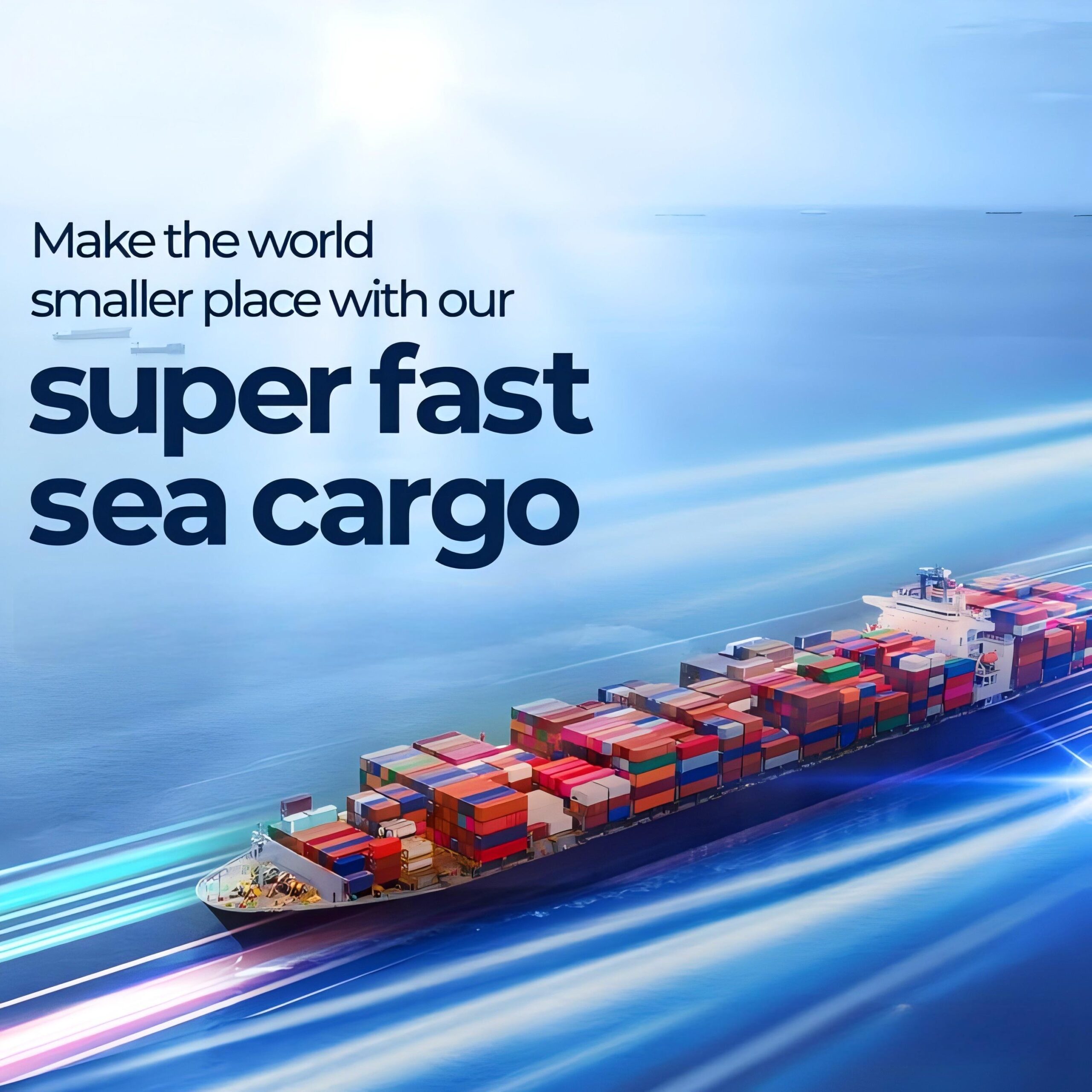
Full Container Load (FCL) shipping involves reserving an entire container for your goods, offering exclusive use and enhanced security. This method is ideal for larger volumes, typically exceeding 15 cubic meters, making it a cost-effective solution for significant imports. Consequently, FCL provides greater control over transit schedules and minimizes handling.
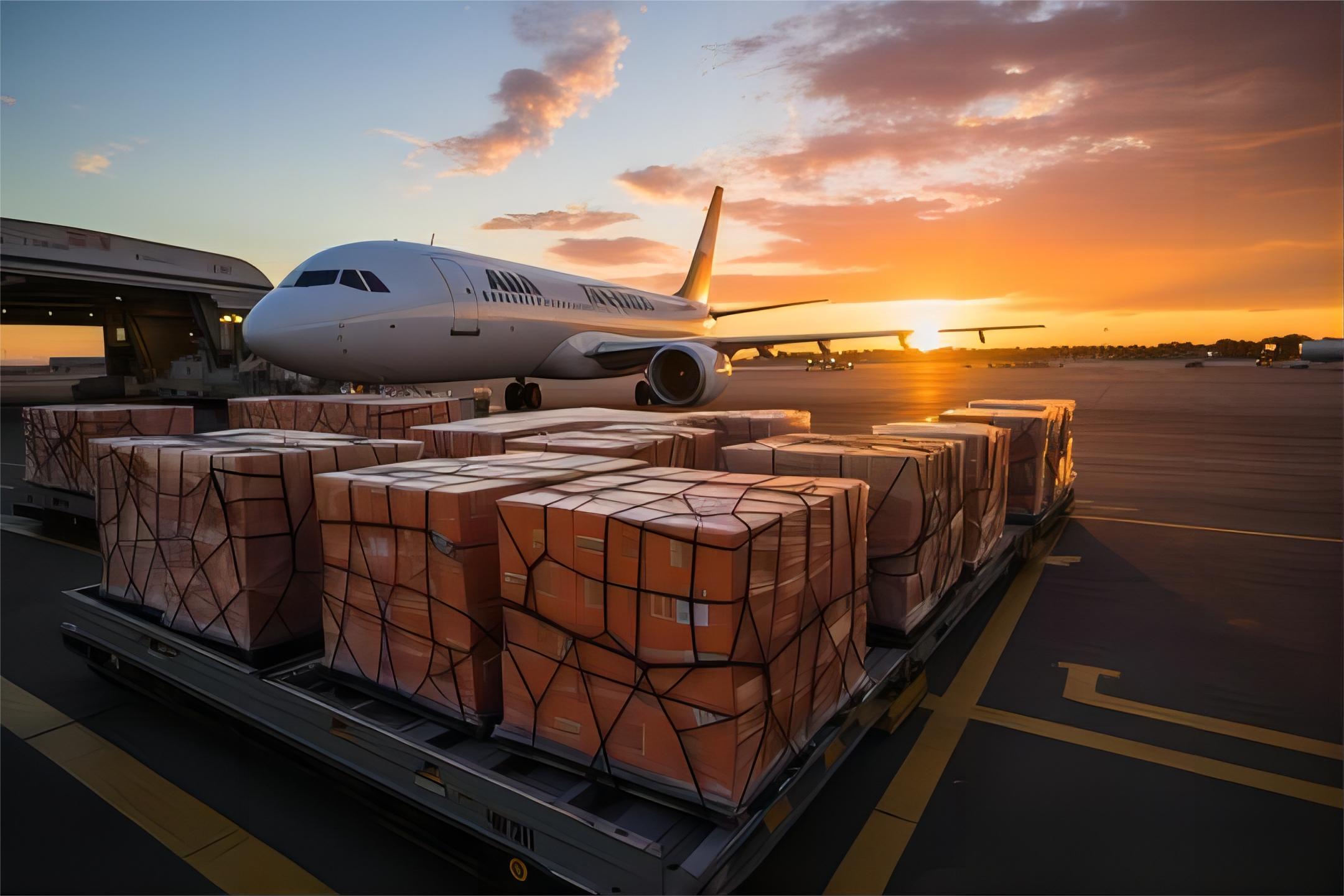
Choosing FCL for your China to Chicago route means your cargo remains sealed from origin to destination, reducing the risk of damage or loss. Furthermore, it often results in faster transit times compared to Less than Container Load (LCL) options. Businesses benefit from predictable delivery schedules and streamlined logistics.
The journey from China to Chicago usually involves a combination of ocean freight and intermodal rail or truck transport. Containers typically arrive at a West Coast port like Los Angeles or Long Beach, then travel by rail to Chicago. Alternatively, some routes utilize East Coast ports such as New York or New Jersey before inland transfer.
| Shipping Method | Cost Range | Transit Time | Best For | Limitations |
|---|---|---|---|---|
| FCL Sea Freight | $2,500 – $6,500 | 30-45 days | Large volumes, cost-efficiency | Slower transit, port congestion |
| LCL Sea Freight | $50 – $150/CBM | 35-55 days | Smaller volumes, flexibility | More handling, longer transit, higher per-unit cost |
| Air Freight | $5,000 – $25,000+ | 5-10 days | Urgent, high-value, small volumes | Very high cost, volume/weight restrictions |
Key Steps in China FCL Customs Clearance for Chicago
Effectively navigating China FCL customs clearance to Chicago requires a structured approach and meticulous planning. The process begins long before your container leaves the port, involving several critical stages. Understanding each step ensures a smooth and compliant import.
Initially, pre-arrival planning is essential. This includes preparing all necessary documentation and coordinating with your freight forwarder or customs broker. They will ensure your shipment adheres to all US import regulations. Indeed, proactive preparation minimizes potential delays at customs.
Next, the Importer Security Filing (ISF) must be submitted to US Customs and Border Protection (CBP) at least 24 hours before the vessel departs China. This crucial step provides advance information about the shipment. Failure to file ISF correctly and on time can result in significant penalties, therefore, accuracy is vital.
Upon vessel arrival at the US port, your customs brokerage partner files the Entry Summary (CBP Form 7501). This document details the goods, their value, and the applicable duties and taxes. Simultaneously, payment of estimated duties and fees is required for release. Consequently, proper classification of goods is critical.
Finally, after customs clearance, the container is released for drayage and inland transport to Chicago. This final leg of the journey involves moving the container from the port to your designated warehouse or facility. Many businesses opt for door-to-door services to simplify this complex logistical challenge.
Essential Documentation for Your Chicago-Bound FCL Shipment
Accurate and complete documentation is the backbone of successful China FCL customs clearance to Chicago. Any discrepancies or missing papers can lead to significant delays, fines, and even seizure of goods. Therefore, meticulous preparation is non-negotiable for importers.
Firstly, the Commercial Invoice details the transaction between the exporter and importer, including product descriptions, quantities, and values. This document is crucial for customs valuation and duty assessment. Thus, its accuracy directly impacts your import costs.
Secondly, a detailed Packing List accompanies the shipment, itemizing the contents of each package or container. It specifies weight, dimensions, and cargo marks, assisting customs officers during inspection. This list helps verify the cargo against the commercial invoice.
Thirdly, the Bill of Lading (BOL) serves as a contract of carriage, a receipt for the goods, and a document of title. For sea freight, it is a fundamental document that confirms the shipment details. Without a valid BOL, cargo cannot be released.
Finally, depending on the nature of your goods, additional permits or certifications may be required from Partner Government Agencies (PGAs) like the FDA, EPA, or USDA. For instance, food products need FDA approval. Always verify specific requirements based on your product category to ensure full compliance.
| Document Type | Purpose | Key Information | Importance |
|---|---|---|---|
| Commercial Invoice | Customs valuation, duty assessment | Product, quantity, value, seller/buyer details | Critical for cost calculation |
| Packing List | Cargo verification, inspection aid | Weight, dimensions, contents per package | Ensures accurate cargo handling |
| Bill of Lading (BOL) | Contract of carriage, title document | Shipper, consignee, cargo details, vessel, port | Required for cargo release |
| ISF (Importer Security Filing) | Advance cargo information to CBP | Importer, consignee, manufacturer, container stuffing location | Mandatory pre-arrival filing (24hr rule) |
| Customs Bond | Guarantees duty/tax payment | Importer’s financial guarantee | Required for commercial imports |
Navigating Customs Duties, Taxes, and Compliance for US Imports
Understanding customs duties and taxes is crucial for accurate cost estimation and successful China FCL customs clearance to Chicago. These charges significantly impact your landed cost, therefore, precise calculation is essential. Misclassification can lead to unexpected expenses or penalties.
Goods imported into the US are classified using the Harmonized Tariff Schedule (HTS) codes. Each HTS code corresponds to a specific duty rate, which can vary widely. Importers must accurately classify their products to ensure correct duty assessment. Consequently, seeking expert advice on HTS classification is highly recommended.
Beyond standard duties, certain products from China may be subject to additional tariffs, such as Section 301 tariffs, or anti-dumping and countervailing duties. These can substantially increase import costs. Staying informed about current trade policies is vital for budgeting and compliance.
Compliance with US import regulations extends beyond duties to include various Partner Government Agency (PGA) requirements. For example, electronics might need FCC approval, while certain textiles have specific labeling rules. Adherence to these regulations prevents delays and ensures market access.
Working with a knowledgeable customs broker is invaluable for navigating these complexities. They can advise on HTS codes, calculate duties, and manage PGA requirements. This expertise ensures your North America imports comply with all legal stipulations, minimizing risks and streamlining the process.
How Does FCL Compare to Other Shipping Options for Chicago?
When shipping from China to Chicago, various methods offer distinct advantages and disadvantages, impacting your overall supply chain strategy. Choosing the right option depends on your cargo type, urgency, and budget. FCL sea freight is just one piece of the puzzle.
FCL (Full Container Load) provides dedicated container space, which is highly efficient for large volumes and offers better cargo security. However, it’s slower and requires you to fill an entire container. In contrast, LCL (Less than Container Load) is suitable for smaller shipments, allowing you to share container space, but it often involves more handling and longer transit times.
For urgent shipments, air freight is significantly faster than sea freight, reducing transit time from weeks to days. However, the cost is substantially higher, making it impractical for heavy or bulky goods. Air freight is best reserved for high-value, time-sensitive, or perishable items.
Rail freight plays a crucial role in the China to Chicago route, especially after ocean transit to a West Coast port. This intermodal solution combines the cost-effectiveness of sea freight with the efficiency of rail for inland distribution. It bridges the gap between ocean arrival and final delivery, offering a balanced approach.
Which Option Should You Choose?
Your decision framework should prioritize budget, speed, and cargo characteristics. For instance, if budget is your primary concern and you have large volumes, FCL sea freight is typically the most economical choice. Conversely, if speed is paramount, air freight is the undisputed winner.
Consider your cargo type carefully. Fragile or high-value goods might benefit from FCL’s reduced handling, while perishable items demand the speed of air freight. Furthermore, volume thresholds are key; shipments under 15 CBM might be more cost-effective via LCL, while larger shipments strongly favor FCL.
Hybrid solutions can also be effective. For example, shipping by sea to a West Coast port and then using expedited rail to Chicago can balance cost and speed. This approach offers flexibility, allowing businesses to adapt to specific delivery schedules and budget constraints. Always consult with a logistics expert to tailor the best solution for your needs.
Real-World Scenarios: China FCL Shipments to Chicago
Examining real-world examples helps illustrate the complexities and successful strategies for China FCL customs clearance to Chicago. These case studies highlight typical costs, transit times, and potential challenges. Based on Q1 2025 market rates, these scenarios offer practical insights.
Note: Freight rates are subject to change based on fuel costs, carrier capacity, and seasonal demand. Contact us for a current quote tailored to your specific shipment.
Case Study 1: Electronics Importer
This case involved an electronics distributor needing to import a large quantity of consumer gadgets for the holiday season. Speed and security were critical, but budget was also a factor, making FCL the ideal choice. The shipment faced typical peak season congestion at the port.
| Detail | Description |
|---|---|
| Route | Shanghai, China Long Beach, USA (rail to Chicago) |
| Cargo | Consumer Electronics, 65 CBM, 10,000 kg |
| Container | 1 x 40HQ |
| Shipping Details | Carrier: COSCO, Port of Loading: Shanghai, Port of Discharge: Long Beach, Route Type: Transshipment via rail to Chicago |
| Cost Breakdown | Ocean Freight: $3,000, Rail Freight (LA-Chicago): $2,000, Origin Charges: $450, Destination Charges: $350, Customs & Duties (estimated): $500, Total Landed Cost: $6,300 |
| Timeline | Booking to Loading: 5 days, Sea Transit: 18 days, Rail Transit: 8 days, Customs Clearance: 3 days, Total Door-to-Door: 34 days |
| Key Insight | Effective communication with the forwarder helped navigate port congestion, ensuring the critical holiday delivery schedule was met. Proper HTS classification minimized duty costs. |

Case Study 2: Industrial Parts Supplier
An industrial supplier required a steady flow of heavy machinery components for their manufacturing plant in Chicago. Cost-efficiency was paramount, and a reliable, consistent delivery schedule was essential. This FCL shipment utilized an East Coast port for direct access to the Midwest.
| Detail | Description |
|---|---|
| Route | Ningbo, China New York/New Jersey, USA (rail to Chicago) |
| Cargo | Industrial Components, 25 CBM, 20,000 kg |
| Container | 1 x 20GP |
| Shipping Details | Carrier: MSC, Port of Loading: Ningbo, Port of Discharge: New York/New Jersey, Route Type: Direct ocean + rail to Chicago |
| Cost Breakdown | Ocean Freight: $3,000, Rail Freight (NY-Chicago): $1,500, Origin Charges: $400, Destination Charges: $300, Customs & Duties (estimated): $400, Total Landed Cost: $5,600 |
| Timeline | Booking to Loading: 6 days, Sea Transit: 32 days, Rail Transit: 6 days, Customs Clearance: 3 days, Total Door-to-Door: 47 days |
| Key Insight | Choosing an East Coast port streamlined inland logistics for heavy cargo, reducing overall transit risk. Proactive customs filing prevented delays during peak season. |
Case Study 3: Apparel Brand Distribution
A fast-growing apparel brand needed to replenish inventory quickly for their Chicago distribution center. While speed was important, FCL offered the best balance of cost and capacity for their high-volume, seasonal shipments. This shipment highlighted efficient documentation handling.
| Detail | Description |
|---|---|
| Route | Shenzhen, China Los Angeles, USA (rail to Chicago) |
| Cargo | Apparel & Accessories, 68 CBM, 9,000 kg |
| Container | 1 x 40HQ |
| Shipping Details | Carrier: Maersk, Port of Loading: Shenzhen, Port of Discharge: Los Angeles, Route Type: Transshipment via rail to Chicago |
| Cost Breakdown | Ocean Freight: $3,200, Rail Freight (LA-Chicago): $2,200, Origin Charges: $500, Destination Charges: $400, Customs & Duties (estimated): $600, Total Landed Cost: $6,900 |
| Timeline | Booking to Loading: 4 days, Sea Transit: 16 days, Rail Transit: 10 days, Customs Clearance: 3 days, Total Door-to-Door: 33 days |
| Key Insight | Leveraging a customs broker with expertise in apparel classification ensured correct duty application and smooth clearance, avoiding common textile-related delays. |
Optimizing Your China to Chicago Supply Chain
Optimizing your supply chain for China FCL customs clearance to Chicago involves strategic planning and continuous improvement. Effective strategies can significantly reduce costs, minimize transit times, and enhance overall efficiency. Therefore, a holistic approach is beneficial.
Choosing the right Incoterms (International Commercial Terms) is a foundational step. These terms define responsibilities and costs between buyer and seller, impacting who manages customs clearance and freight. Selecting appropriate Incoterms, such as DDP or FOB, can clarify obligations and prevent disputes.
Partnering with an experienced freight forwarder is invaluable. A reliable partner offers expertise in international logistics, customs regulations, and local market conditions. They can streamline documentation, manage carrier bookings, and handle unforeseen challenges, thus ensuring a smoother process.
Leveraging technology for shipment tracking and supply chain visibility provides real-time updates on your cargo’s location and status. This transparency allows for proactive management of potential delays and better inventory planning. Indeed, digital tools empower informed decision-making.
Finally, implementing robust risk management strategies is critical. This includes adequate cargo insurance, contingency plans for port congestion or customs holds, and diversification of shipping routes or carriers. Proactive risk mitigation safeguards your investment and maintains business continuity.
Common Challenges and Expert Solutions in FCL Clearance
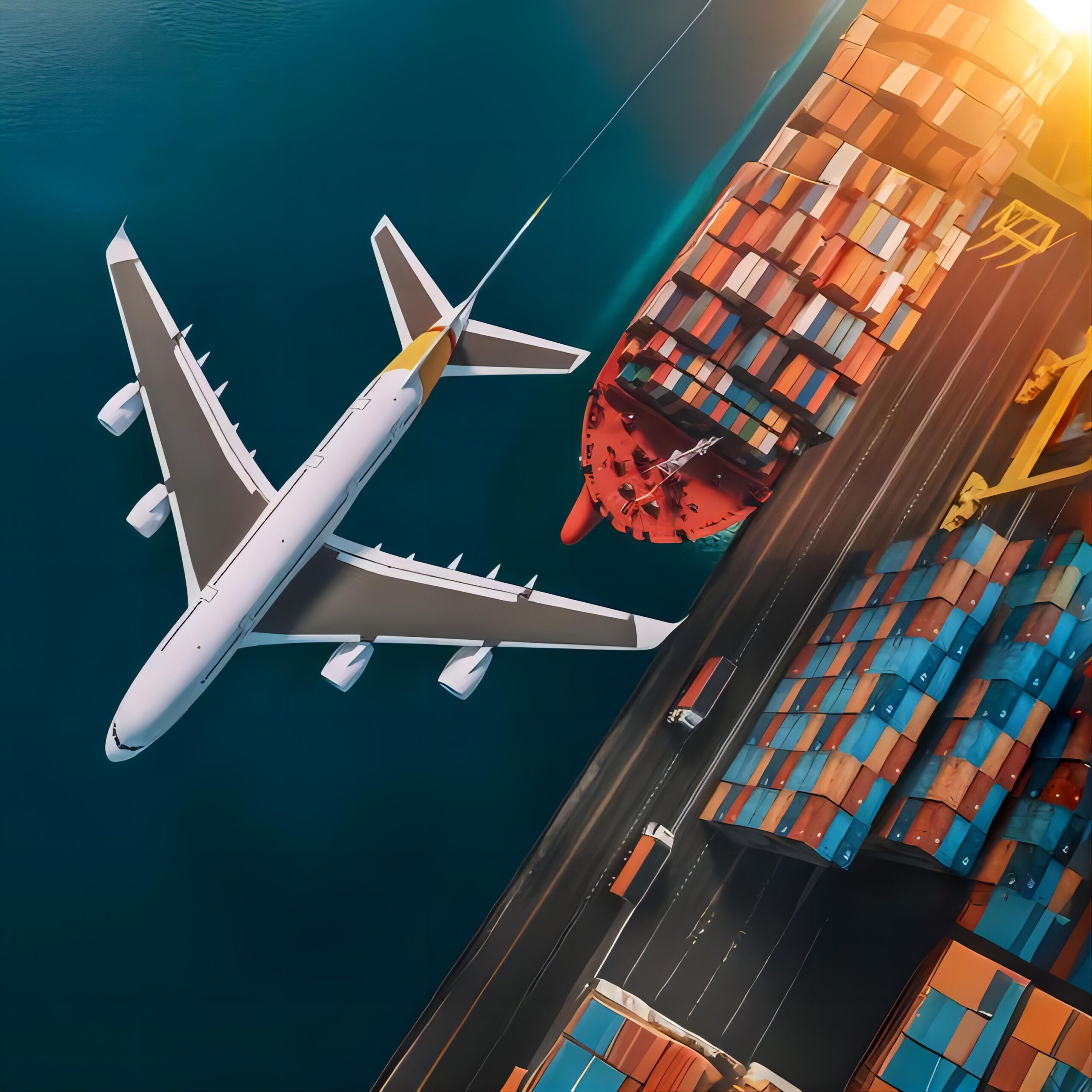
Despite meticulous planning, challenges can arise during China FCL customs clearance to Chicago. Understanding these common hurdles and knowing how to address them is key to maintaining a resilient supply chain. Proactive measures can mitigate many potential issues.
Port congestion, particularly at major US West Coast ports, frequently causes delays. This can impact vessel schedules and inland rail connections to Chicago. To counter this, consider using alternative ports or diversifying carriers. Furthermore, monitoring port conditions and planning with buffer time is advisable.
Customs delays often stem from incomplete or inaccurate documentation, HTS classification errors, or intensive examinations. A qualified customs broker can pre-vet documents and ensure compliance, significantly reducing the likelihood of such delays. Their expertise is invaluable for navigating complex regulations.
Seasonal fluctuations, such as the Chinese New Year or peak shipping seasons (e.g., Q3-Q4), lead to increased freight rates and reduced capacity. Planning shipments well in advance and booking space early can help secure favorable rates and avoid capacity shortages. Consequently, flexibility in your shipping schedule is beneficial.
Lastly, unforeseen circumstances like natural disasters, labor disputes, or geopolitical events can disrupt global shipping. Maintaining open communication with your logistics partners and having contingency plans, such as exploring expedited services for critical shipments, helps manage these disruptions effectively.
Conclusion: Mastering Your China FCL Customs Clearance to Chicago
Successfully managing China FCL customs clearance to Chicago demands a comprehensive understanding of international logistics, regulatory requirements, and potential challenges. From detailed documentation to strategic route planning, every step contributes to a smooth import process. Proactive engagement with experienced partners is truly essential.
By focusing on meticulous preparation, leveraging expert customs brokerage, and staying informed about market conditions, businesses can optimize their supply chain. This approach not only minimizes costs and delays but also ensures compliance and boosts operational efficiency. Therefore, mastering your China FCL customs clearance to Chicago is achievable with the right strategy and support.
Need a tailored shipping solution?
Ready to streamline your China FCL customs clearance to Chicago? Our team of experts is here to provide tailored solutions and ensure your cargo arrives efficiently. Contact us today for a personalized quote and seamless logistics support.