

Cheap Sea Freight from Shenzhen to USA: Your Ultimate Guide
Navigating international shipping can be complex, especially when seeking cost-effective solutions. Many businesses aim to find cheap sea freight from Shenzhen to USA to optimize their supply chain. This comprehensive guide, brought to you by Top China Forwarder, will help you understand the intricacies and secure the best rates for your cargo.

Understanding Cheap Sea Freight from Shenzhen to USA
Indeed, Shenzhen is a major manufacturing hub, making it a critical origin point for goods bound for the United States. Businesses constantly seek ways to reduce shipping costs without compromising reliability. Therefore, understanding the nuances of sea freight is paramount for achieving this balance.
Choosing sea freight often represents the most economical option for bulk or heavy shipments. It offers significant cost savings compared to air freight, particularly for non-urgent deliveries. Consequently, many importers prioritize sea transport for its budget-friendly nature.
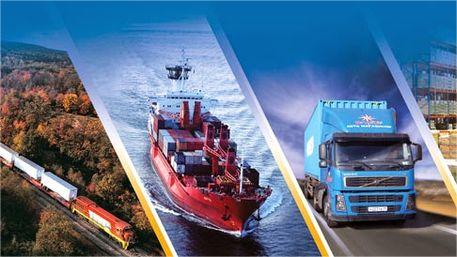
Factors Influencing Sea Freight Costs
Several key elements determine the overall cost of your sea freight shipment from Shenzhen to USA. Naturally, these include the volume and weight of your cargo, the chosen service type, and current market conditions. Moreover, port charges, customs duties, and local delivery fees also play a significant role in the final price.
Market rates fluctuate based on fuel surcharges, vessel capacity, and peak seasons. For instance, rates typically increase during August to October due to holiday demand. Therefore, planning ahead and booking early can often lead to better deals.
As of Q1 2025, freight rates from China to the USA have stabilized after recent global disruptions. However, it is always wise to obtain a current quote for precise planning.
FCL vs. LCL: Which is Right for You?
When shipping goods, you generally have two primary options: Full Container Load (FCL) or Less than Container Load (LCL). Each has distinct cost implications and benefits. Understanding these differences is crucial for selecting the most economical service.
FCL involves booking an entire container (e.g., 20GP, 40GP, 40HQ) for your exclusive use. This option is typically more cost-effective for larger volumes, usually above 15-20 CBM. Conversely, LCL allows you to share container space with other shippers, paying only for the volume your cargo occupies. This makes LCL ideal for smaller shipments.
Furthermore, FCL generally offers faster transit times and reduced handling risks, as your cargo is not consolidated with others. However, LCL can be significantly cheaper for smaller consignments. Consider your cargo volume and urgency carefully. Additionally, managing customs for either can be complex, making customs brokerage services invaluable.
| Feature | FCL (Full Container Load) | LCL (Less than Container Load) |
|---|---|---|
| Volume | Usually > 15-20 CBM | Usually < 15 CBM |
| Cost Efficiency | Better for large volumes | Better for small volumes |
| Transit Time | Generally faster | Can be slower due to consolidation |
| Cargo Handling | Less handling, lower risk | More handling, higher risk |
| Pricing Model | Per container | Per CBM (cubic meter) |
Port Selection and Routing Options
Shenzhen boasts excellent port facilities, including Yantian and Shekou, offering direct routes to major US ports. Choosing the right US port of entry, such as Los Angeles, Long Beach, New York, or Savannah, impacts both transit time and cost. West Coast ports generally offer shorter transit times from Shenzhen.
Direct routes are often faster but can sometimes be pricier. Alternatively, transshipment routes, which involve transferring cargo at an intermediate port, may offer lower rates but extend transit times. For instance, shipping via Singapore can add several days to the journey. Always weigh speed against cost when making this decision.
How Does Sea Freight Compare to Other Shipping Options?
While sea freight excels in cost-effectiveness for large volumes, other shipping methods offer different advantages. Understanding these alternatives helps in making informed decisions for your specific needs. Each method presents a unique balance of speed, cost, and capacity.
Consider the urgency and value of your goods. For example, highly time-sensitive or high-value items might warrant a faster, albeit more expensive, transport method. Therefore, a comprehensive comparison is essential for optimizing your logistics strategy.
| Shipping Method | Cost Range (Shenzhen to USA) | Transit Time (Shenzhen to USA) | Best For | Limitations |
|---|---|---|---|---|
| Sea Freight (FCL) | $2,500 – $6,000 per container | 14-35 days | Large, heavy, non-urgent goods | Slowest transit, potential port delays |
| Sea Freight (LCL) | $50 – $120 per CBM | 20-40 days | Small to medium, non-urgent goods | Longer transit, more handling |
| Air Freight | $4 – $8 per kg | 3-7 days | Urgent, high-value, small volume goods | Most expensive, weight/volume restrictions |
| Express Service | $8 – $15 per kg | 1-3 days | Very urgent, small parcels, samples | Extremely expensive, very limited capacity |

Strategies for Securing Cheap Sea Freight Rates
Finding cheap sea freight from Shenzhen to USA requires a strategic approach. Firstly, consolidating your shipments can significantly reduce costs. Combining multiple smaller orders into a single FCL shipment, or even a larger LCL, leverages economies of scale.
Secondly, booking in advance, especially outside of peak seasons, often yields better rates. Many carriers offer discounts for early commitments. Furthermore, being flexible with your departure and arrival dates can also provide cost-saving opportunities, as some sailings are priced more competitively.
Consider working with a reputable freight forwarder like Top China Forwarder. They have established relationships with multiple carriers and can negotiate better rates on your behalf. Additionally, they provide insights into alternative routes and services, like express service for urgent components, which might be critical for specific parts of your supply chain.
The Sea Freight Process: Step-by-Step
The sea freight journey from Shenzhen to USA involves several distinct stages. Understanding this process helps manage expectations and anticipate potential delays. Initially, it begins with booking and cargo readiness.
Following booking, your goods are transported to the port of loading in Shenzhen. Here, they undergo customs clearance and are loaded onto the vessel. Subsequently, the ocean transit phase commences. Upon arrival at the US port, goods are discharged and clear US customs. Finally, local delivery ensures your cargo reaches its ultimate destination. This entire process can be streamlined with efficient door to door services.
Essential Documentation for USA Imports
Accurate and complete documentation is critical for smooth customs clearance into the USA. Without proper paperwork, your shipment can face significant delays and additional charges. Therefore, meticulous preparation is non-negotiable.
Key documents include the Commercial Invoice, Packing List, Bill of Lading, and potentially a Certificate of Origin. Additionally, specific products may require import licenses, permits, or declarations from US regulatory bodies like the FDA or EPA. Working with experienced forwarders ensures all documentation is correctly handled.
Real-World Case Studies: Shenzhen to USA
These case studies illustrate practical applications of sea freight solutions from Shenzhen to various US destinations. They highlight how different factors impact cost and transit times. Based on Q3 2024 market rates, these examples provide realistic scenarios for importers.
Understanding these scenarios can help you benchmark your own shipping needs. Moreover, they demonstrate the flexibility and cost-efficiency achievable with strategic logistics planning. Note: Freight rates are subject to change based on fuel costs, carrier capacity, and seasonal demand. Contact us for a current quote tailored to your specific shipment.
Case Study 1: Small Business Importing Textiles (LCL)
This example demonstrates how a small e-commerce business successfully managed a smaller volume shipment. LCL proved to be the most cost-effective solution for their specific needs, avoiding the expense of a full container.
The key insight here is the efficiency of LCL for smaller, regular imports, especially when speed is not the absolute top priority. It allowed for manageable inventory levels without significant upfront shipping costs.
| Detail | Description |
|---|---|
| Route | Shenzhen, China -> Los Angeles, USA |
| Cargo | Fashion apparel, 8 CBM, 1200 kg |
| Container | LCL 8 CBM |
| Carrier/Service | Major carrier (e.g., COSCO) |
| Port of Loading | Yantian, Shenzhen |
| Port of Discharge | Port of Los Angeles |
| Route Type | Direct |
| Ocean Freight | $640 (8 CBM x $80/CBM) |
| Origin Charges | $150 |
| Destination Charges | $250 |
| Customs & Duties (est.) | $300 |
| Total Landed Cost | $1,340 |
| Booking to Loading | 5 days |
| Sea Transit | 16 days |
| Customs Clearance | 3 days |
| Total Door-to-Door | 28 days |
| Key Insight | LCL was ideal for cost-effective, smaller volume textile imports, balancing budget and reasonable transit. |
Case Study 2: Medium Enterprise Shipping Electronics (FCL 40HQ)
A medium-sized electronics distributor needed to import a large quantity of consumer gadgets. An FCL 40HQ container was the optimal choice for volume and security. This allowed for significant unit cost savings.
The primary insight was the advantage of FCL for bulk electronics, offering better security and unit cost despite higher initial outlay. Direct routing minimized transit time, crucial for product launches.
| Detail | Description |
|---|---|
| Route | Shenzhen, China -> New York, USA |
| Cargo | Consumer electronics, 65 CBM, 10,000 kg |
| Container | 40HQ |
| Carrier/Service | Major carrier (e.g., Maersk) |
| Port of Loading | Shekou, Shenzhen |
| Port of Discharge | Port of New York/New Jersey |
| Route Type | Direct |
| Ocean Freight | $4,800 |
| Origin Charges | $350 |
| Destination Charges | $500 |
| Customs & Duties (est.) | $1,500 |
| Total Landed Cost | $7,150 |
| Booking to Loading | 7 days |
| Sea Transit | 32 days |
| Customs Clearance | 4 days |
| Total Door-to-Door | 45 days |
| Key Insight | FCL 40HQ provided optimal cost-per-unit for bulk electronics, despite longer East Coast transit. |
Case Study 3: Bulk Goods via Transshipment (FCL 20GP)
This scenario involved a company importing non-time-sensitive bulk raw materials. Opting for a transshipment route, while adding transit time, resulted in notable cost savings. This strategy is perfect for budget-conscious shipments.
The main takeaway is that for non-urgent bulk goods, accepting a slightly longer transit via transshipment can significantly reduce overall shipping expenditure. This flexibility is a powerful cost-saving tool.
| Detail | Description |
|---|---|
| Route | Shenzhen, China -> Houston, USA |
| Cargo | Industrial raw materials, 28 CBM, 20,000 kg |
| Container | 20GP |
| Carrier/Service | Major carrier (e.g., MSC) |
| Port of Loading | Yantian, Shenzhen |
| Port of Discharge | Port of Houston |
| Route Type | Transshipment via Singapore |
| Ocean Freight | $3,200 |
| Origin Charges | $280 |
| Destination Charges | $450 |
| Customs & Duties (est.) | $800 |
| Total Landed Cost | $4,730 |
| Booking to Loading | 6 days |
| Sea Transit | 38 days |
| Customs Clearance | 3 days |
| Total Door-to-Door | 52 days |
| Key Insight | Transshipment offered significant cost savings for non-urgent bulk cargo, despite extended transit time. |
Which Option Should You Choose? (Decision Framework)
Selecting the ideal shipping method for your goods from Shenzhen to USA depends on several critical factors. Evaluating your priorities will guide you toward the most suitable and cost-effective solution. Consider these points carefully before making your decision.
Ultimately, a balanced approach considering all these elements will lead to the most efficient and economical shipping strategy for your business. Partnering with an experienced freight forwarder can provide invaluable guidance.
Budget Priority
If budget is your primary concern, sea freight, particularly LCL for smaller volumes or FCL for larger ones, is almost always the most economical choice. It offers the lowest cost per unit for most cargo types. However, this often comes with longer transit times.
Speed Priority
For urgent shipments where time is critical, air freight or express service is preferable. While significantly more expensive, these options drastically reduce transit times. They are ideal for high-value, time-sensitive, or perishable goods.
Cargo Type Considerations
Heavy, bulky, or non-perishable goods are best suited for sea freight. Fragile or high-value items might benefit from FCL sea freight due to less handling, or air freight for quicker transit. Hazardous materials have specific regulations for all transport modes.
Volume Thresholds for Switching Methods
For shipments under 1-2 CBM and less than 100 kg, express air freight might be competitive. Between 2-15 CBM, LCL sea freight typically becomes more cost-effective. Above 15-20 CBM, FCL sea freight usually offers the best value. These thresholds are crucial for optimizing costs.
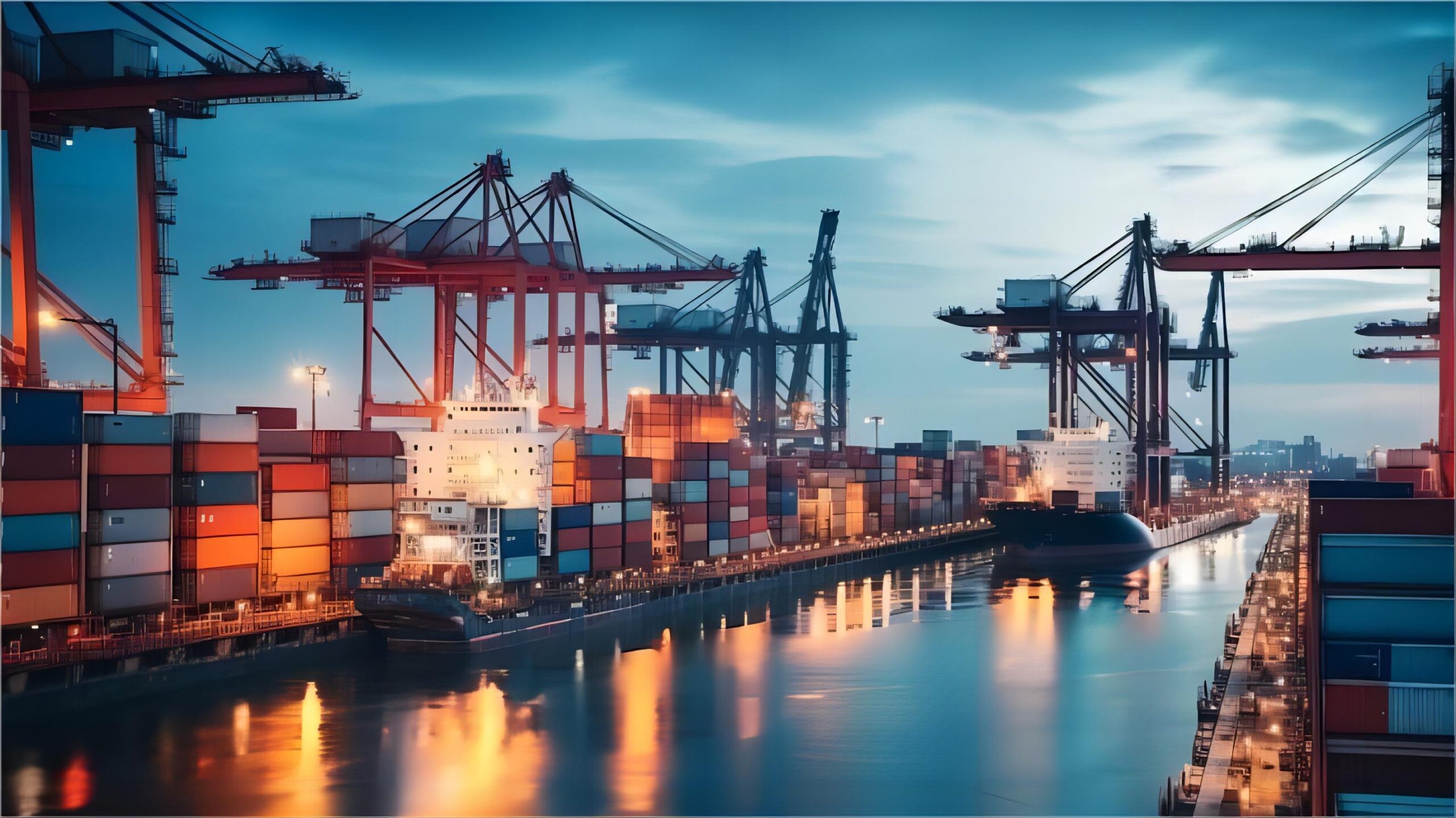
Your Partner for Cheap Sea Freight from Shenzhen to USA
In conclusion, securing cheap sea freight from Shenzhen to USA is achievable with careful planning and the right logistics partner. By understanding cost drivers, comparing shipping methods, and employing smart strategies, businesses can significantly reduce their import expenses. Focus on volume, timing, and documentation for optimal results.
Indeed, Top China Forwarder is dedicated to providing efficient and affordable shipping solutions. We aim to help you navigate the complexities of international trade. Therefore, partnering with an experienced freight forwarder is essential for a seamless and cost-effective supply chain.
Get Your Shipping Quote Today
Ready to optimize your shipping from Shenzhen to USA? Contact us today for a personalized, competitive quote tailored to your specific cargo and requirements. Let Top China Forwarder simplify your logistics and help you find the most economical solution.
Request Quote