

Cheap Sea Freight from Shenzhen to Canada: Your Ultimate Guide
Exploring cheap sea freight from Shenzhen to Canada can significantly reduce your shipping expenses. This comprehensive guide outlines strategies, options, and crucial considerations for cost-effective cargo transport. Our expertise at Top China Forwarder ensures your goods arrive safely and efficiently. We aim to simplify the complexities of international logistics for you.
Understanding Cheap Sea Freight from Shenzhen to Canada
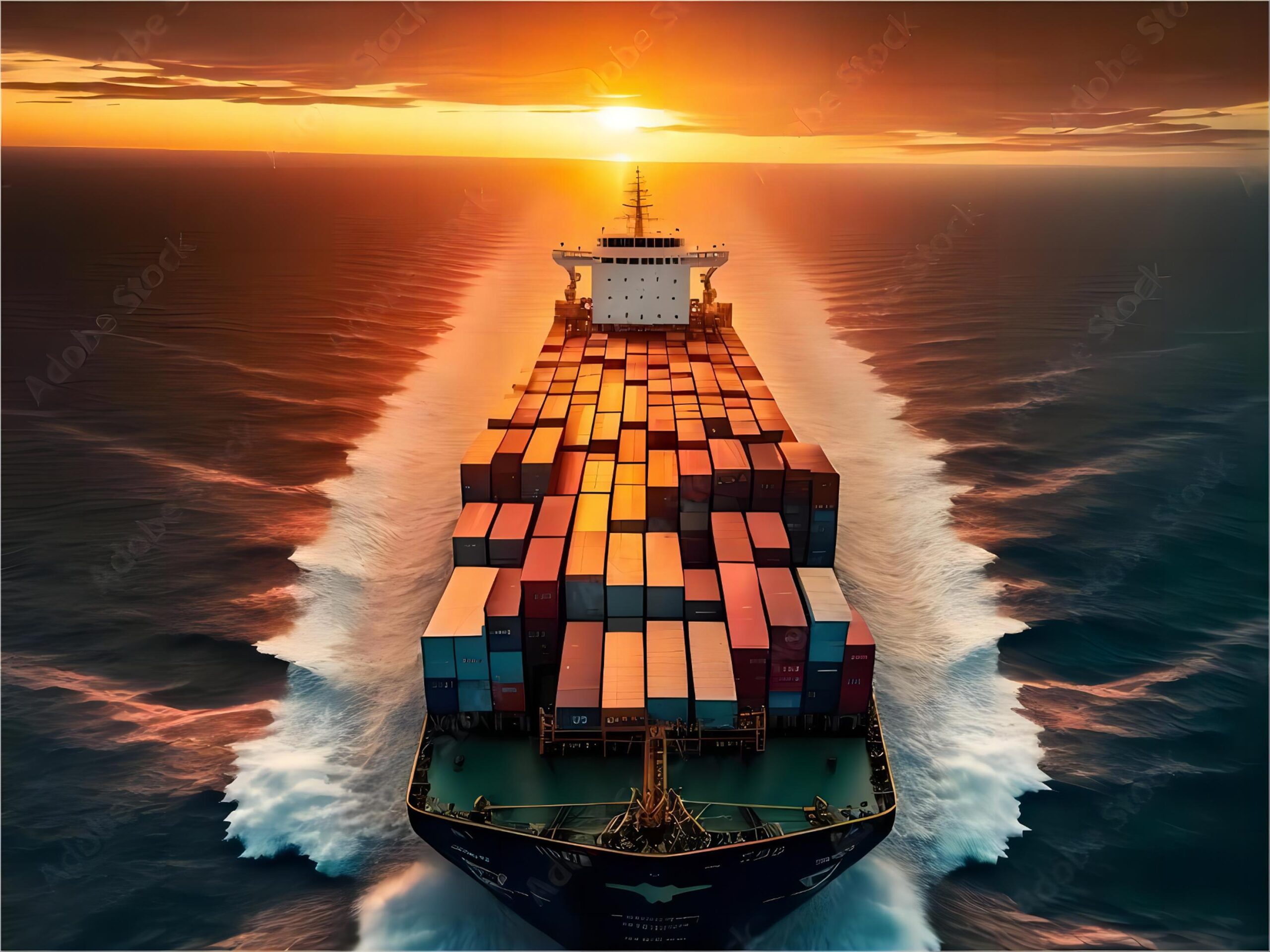
Securing cheap sea freight from Shenzhen to Canada involves more than just finding the lowest initial quote. Indeed, it requires a strategic approach to managing various costs and logistics. Understanding the factors that influence pricing is crucial for optimizing your shipping budget.
Generally, sea freight is the most economical option for large or heavy shipments. Conversely, it offers substantial cost savings compared to air freight. This makes it ideal for businesses importing bulk goods or non-urgent cargo.
Several key elements impact the final cost of your ocean shipment. These include the volume and weight of your cargo, the chosen service type, and current market conditions. Additionally, port charges and fuel surcharges can significantly affect overall freight rates.
Navigating Sea Freight Options: FCL vs. LCL
When considering sea freight from Shenzhen to Canada, you primarily choose between Full Container Load (FCL) and Less than Container Load (LCL). Each option caters to different cargo volumes and budget requirements. Therefore, selecting the right one is essential for achieving cheap sea freight.
FCL shipping means your goods occupy an entire container, typically a 20GP, 40GP, or 40HQ. This method is often more cost-effective for larger shipments, usually exceeding 15 CBM. Moreover, it offers faster transit times and reduced handling risks.
LCL shipping, on the other hand, involves sharing container space with other shippers’ cargo. This is an excellent choice for smaller shipments that do not fill an entire container. While LCL might have slightly longer transit times due to consolidation, it provides a very affordable solution for smaller volumes.
Ultimately, the decision between FCL and LCL depends on your cargo’s size, urgency, and specific budget constraints. Consequently, a careful evaluation ensures you select the most economical and efficient shipping method for your needs.
| Feature | FCL (Full Container Load) | LCL (Less than Container Load) | Best For |
|---|---|---|---|
| Cost Structure | Flat rate per container | Rate per CBM/weight | Larger Shipments |
| Cargo Volume | 15 CBM and above | Under 15 CBM | Smaller Shipments |
| Transit Time | Generally faster, direct route | Slightly longer, consolidation needed | Urgent vs. Non-Urgent |
| Cargo Handling | Less handling, lower risk | More handling, higher risk | Fragile vs. Durable Goods |
| Flexibility | Less flexible for small volumes | Highly flexible for small volumes | Specific Volume Needs |
Essential Steps for Shipping from Shenzhen to Canada
Shipping goods from Shenzhen to Canada involves several critical steps to ensure a smooth and compliant process. Understanding these stages helps in planning and avoiding potential delays. Proper preparation is key to efficient import/export operations.
Initially, accurate documentation is paramount. This includes commercial invoices, packing lists, bills of lading, and certificates of origin. Errors in these documents can lead to significant customs clearance issues and delays at Canadian ports.
Furthermore, engaging reliable customs brokerage services is highly recommended. Customs brokers ensure all Canadian import regulations are met, duties and taxes are correctly calculated, and your cargo clears customs efficiently. They navigate complex tariff codes and compliance requirements.
Upon arrival, cargo handling at the Port of Vancouver or Montreal follows strict procedures. Moreover, efficient coordination between the shipping line, port authorities, and your freight forwarder is vital. This ensures timely offloading and onward transportation of your goods. Consequently, a well-managed process contributes to cheap sea freight from Shenzhen to Canada.
| Document | Purpose | Issuing Party | Notes |
|---|---|---|---|
| Commercial Invoice | Proof of sale, value declaration | Seller/Exporter | Crucial for customs valuation |
| Packing List | Details cargo contents, weight, dimensions | Seller/Exporter | Aids customs inspection and cargo handling |
| Bill of Lading (B/L) | Contract of carriage, title to goods | Carrier/Forwarder | Essential for cargo release at destination |
| Certificate of Origin | Declares country of manufacture | Chamber of Commerce | May impact duty rates under trade agreements |
| Customs Declaration | Formal declaration to Canadian CBSA | Importer/Broker | Mandatory for all imports |
How Does Sea Freight Compare to Other Shipping Options?
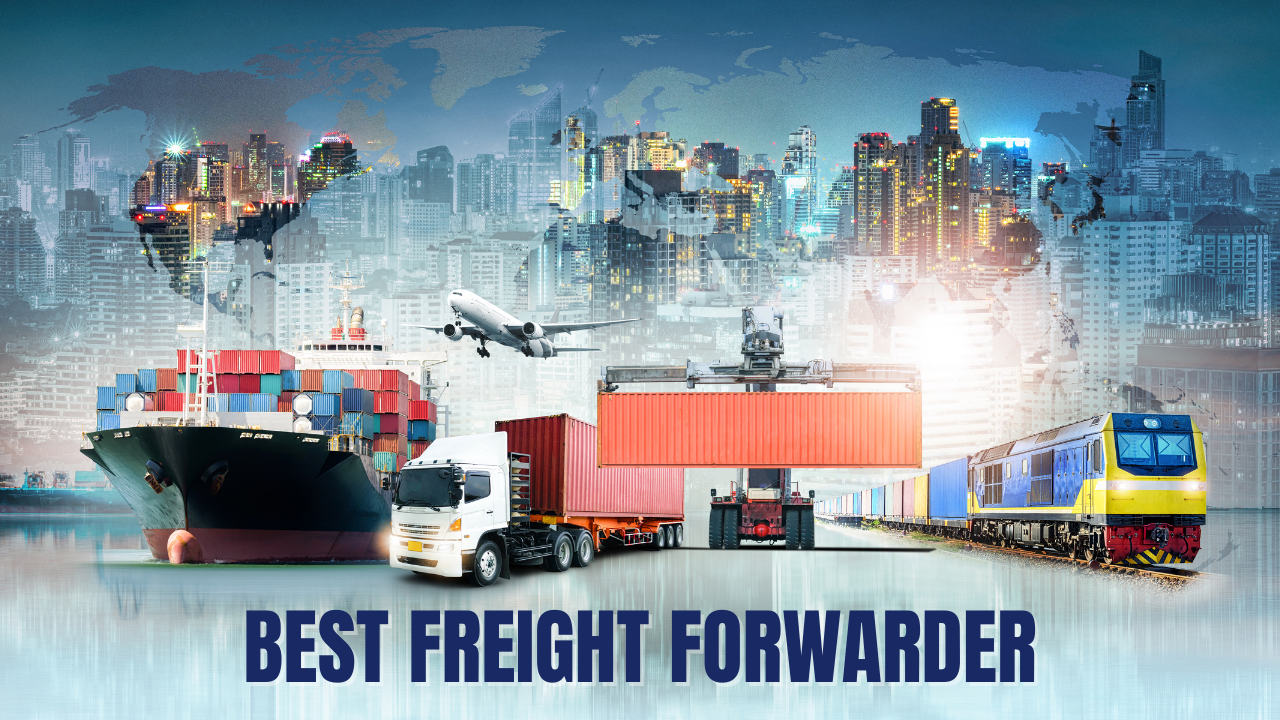
While sea freight offers cheap rates for bulk shipments, other methods might suit different needs. Therefore, evaluating all viable options is crucial for informed decision-making. Each mode of transport has distinct advantages and limitations regarding cost, speed, and capacity.
Firstly, air freight provides unparalleled speed for urgent deliveries. However, its cost is significantly higher, particularly for heavier or voluminous cargo. Consequently, it’s best reserved for high-value, time-sensitive goods or smaller consignments.
Secondly, express service offers door-to-door delivery with rapid transit times, often in just a few days. This premium service is ideal for small packages, samples, or very urgent documents. Nevertheless, the per-kilogram cost is the highest among all options.
Finally, for shipments from China to Canada, direct rail freight isn’t a primary option. However, hybrid solutions like sea-air can combine the benefits of both. This involves sea transport to a transit hub (e.g., US West Coast), followed by air freight to Canada, balancing cost and speed.
Choosing the right option depends heavily on your budget priority, required speed, and cargo type. Therefore, understanding these trade-offs is vital for effective supply chain management. Always consider the total landed cost, not just the freight rate.
| Shipping Method | Cost Range (per kg/CBM) | Transit Time (Shenzhen to Canada) | Best For | Limitations |
|---|---|---|---|---|
| Sea Freight (FCL) | $0.05 – $0.15/kg | 25-40 days | Large, heavy, non-urgent goods | Slow, port congestion |
| Sea Freight (LCL) | $0.10 – $0.25/kg | 30-45 days | Smaller, non-urgent shipments | Slower, more handling, consolidation |
| Air Freight | $5.00 – $10.00/kg | 5-10 days | Urgent, high-value, smaller cargo | High cost, volume restrictions |
| Express Service | $8.00 – $15.00/kg | 2-5 days | Samples, documents, very urgent small parcels | Highest cost, strict weight/size limits |
Which Option Should You Choose?
Your decision framework should prioritize specific aspects of your shipment. Budget priority will almost always lead you towards sea freight, especially for large volumes. This method offers the most economical solution for non-urgent goods.
Conversely, if speed is your absolute priority, air freight or express service are the clear winners. These options ensure rapid delivery, albeit at a significantly higher cost. They are best for perishable goods or critical components.
Cargo type also plays a significant role. For instance, hazardous materials might have specific shipping restrictions by air. Similarly, fragile items benefit from the reduced handling of FCL sea freight. Volume thresholds for switching methods are usually around 1-2 CBM for express, 1-15 CBM for air, and above 15 CBM for FCL sea freight.
Optimizing Your Shipping Budget: Tips for Cheap Sea Freight
Achieving truly cheap sea freight from Shenzhen to Canada requires smart planning and strategic choices. Moreover, small adjustments can lead to significant savings over time. Consider these tips to optimize your shipping budget effectively.
Firstly, choosing the right Incoterms (International Commercial Terms) is vital. For example, FOB (Free On Board) allows you more control over carrier selection and negotiation of freight rates. This contrasts with EXW (Ex Works), where the buyer handles everything from the factory.
Secondly, consolidation strategies can dramatically reduce LCL costs. Grouping multiple smaller orders into one larger shipment, or combining with other importers’ cargo, maximizes container space. This approach directly lowers your per-unit shipping costs.
Thirdly, be aware of seasonal considerations and logistics trends. Freight rates typically increase during peak seasons, such as before major holidays in China or during the Q3-Q4 shipping rush. Planning shipments outside these periods can lead to better deals. Likewise, port congestion can cause delays and additional charges, so monitoring these trends is beneficial.
Finally, always negotiate freight rates with your forwarder. Building a long-term relationship can often secure more favorable terms. Additionally, comparing quotes from multiple reputable freight forwarders ensures you get competitive pricing for your specific delivery schedule.
Door-to-Door Service: Simplifying Your Supply Chain
Opting for a door-to-door service can significantly streamline your import process. This comprehensive solution handles every aspect of your shipment from the supplier’s factory in Shenzhen to your final destination in Canada. It reduces administrative burden and coordination efforts.
The primary benefit of an end-to-end solution is simplified logistics management. You deal with a single point of contact, eliminating the need to coordinate multiple carriers, customs brokers, and local delivery agents. This integrated approach minimizes potential communication gaps and delays.
Furthermore, a door-to-door service often includes all necessary customs brokerage, duties, and taxes. This provides transparent pricing and helps avoid unexpected costs upon arrival in Canada. Consequently, it offers greater predictability for your total landed cost.
Managing local delivery in Canada is also part of this service. Whether your final destination is a warehouse in Toronto, a retail store in Vancouver, or a facility in Montreal, the freight forwarder arranges the final leg of transportation. This ensures a seamless transition from port to recipient.
Real-World Scenarios: Shenzhen to Canada Shipping Case Studies
These case studies illustrate practical applications of cheap sea freight from Shenzhen to Canada. They highlight various shipping scenarios, costs, and transit times based on recent market conditions. Each example provides a realistic overview of typical import operations.
Note: Freight rates are subject to change based on fuel costs, carrier capacity, and seasonal demand. Contact us for a current quote tailored to your specific shipment.
Case Study 1: Importing E-commerce Goods (LCL)
| Detail | Description |
|---|---|
| Route | Shenzhen, China to Toronto, Canada |
| Cargo | Assorted e-commerce products (clothing, small electronics), 8 CBM, 1200 kg |
| Container | LCL 8 CBM |
| Shipping Details | |
| – Carrier/Service | Major carrier (e.g., COSCO via Vancouver) |
| – Port of Loading | Shenzhen |
| – Port of Discharge | Vancouver (then rail to Toronto) |
| – Route Type | Transshipment via Vancouver, then intermodal rail |
| Cost Breakdown (Based on Q4 2024 rates) | |
| – Ocean Freight | $850 |
| – Origin Charges (THC, documentation) | $180 |
| – Destination Charges (DDC, rail freight to Toronto) | $420 |
| – Customs & Duties (estimated) | $300 |
| – Total Landed Cost (estimated) | $1750 |
| Timeline | |
| – Booking to Loading | 5 days |
| – Sea Transit | 28 days (to Vancouver) |
| – Rail Transit to Toronto | 7 days |
| – Customs Clearance | 3 days |
| – Total Door-to-Door | 43 days |
| Key Insight | LCL was ideal for this volume, and intermodal transport via Vancouver was cost-effective for inland delivery. This illustrates typical long-tail logistics trends for Canadian imports. |
Case Study 2: Bulk Raw Materials (FCL)
| Detail | Description |
|---|---|
| Route | Shenzhen, China to Montreal, Canada |
| Cargo | Plastic pellets (raw material), 25,000 kg |
| Container | 1 x 40HQ |
| Shipping Details | |
| – Carrier/Service | Major carrier (e.g., MSC) |
| – Port of Loading | Yantian (Shenzhen) |
| – Port of Discharge | Montreal |
| – Route Type | Direct service |
| Cost Breakdown (Based on Q1 2025 market rates) | |
| – Ocean Freight | $4800 |
| – Origin Charges (THC, documentation) | $350 |
| – Destination Charges | $450 |
| – Customs & Duties (estimated) | $800 |
| – Total Landed Cost (estimated) | $6400 |
| Timeline | |
| – Booking to Loading | 7 days |
| – Sea Transit | 35 days |
| – Customs Clearance | 4 days |
| – Total Door-to-Door | 46 days |
| Key Insight | FCL provided the best unit cost for this bulk shipment. Direct service to Montreal minimized transit time compared to transshipment. This demonstrates efficient supply chain planning for manufacturing inputs. |
Case Study 3: Furniture Import with Consolidation (LCL)
| Detail | Description |
|---|---|
| Route | Shenzhen, China to Vancouver, Canada |
| Cargo | Flat-pack furniture, 12 CBM, 1800 kg |
| Container | LCL 12 CBM |
| Shipping Details | |
| – Carrier/Service | Major carrier (e.g., Maersk) |
| – Port of Loading | Shekou (Shenzhen) |
| – Port of Discharge | Vancouver |
| – Route Type | Direct service |
| Cost Breakdown (Typical rates as of early 2025) | |
| – Ocean Freight | $1100 |
| – Origin Charges (THC, documentation) | $220 |
| – Destination Charges | $380 |
| – Customs & Duties (estimated) | $550 |
| – Total Landed Cost (estimated) | $2250 |
| Timeline | |
| – Booking to Loading | 6 days |
| – Sea Transit | 26 days |
| – Customs Clearance | 2 days |
| – Total Door-to-Door | 38 days |
| Key Insight | Consolidation allowed for a cost-effective LCL shipment. Choosing a direct service to Vancouver ensured relatively fast transit, crucial for retail delivery schedules. This highlights the importance of cargo handling for delicate items. |
Choosing a Reliable Freight Forwarder for Your Canada Shipments
Selecting an experienced and reputable freight forwarder is paramount for successful international shipping. A reliable partner ensures smooth operations, compliance, and competitive pricing. Look for a forwarder with a strong track record in the China-Canada trade lane.
Top China Forwarder specializes in comprehensive logistics solutions, including shipping from China to North America. We offer tailored services to meet diverse import/export needs. Our team possesses in-depth knowledge of customs regulations and optimal routes.
We proactively manage your cargo handling, documentation, and delivery schedule. Furthermore, our extensive network and expertise help mitigate potential port congestion or customs delays. Consequently, we strive to make your cheap sea freight from Shenzhen to Canada as hassle-free as possible.
Our commitment to transparent communication and proactive problem-solving ensures your supply chain remains efficient. We provide personalized support, allowing you to focus on your core business. Trust us to deliver your goods reliably and affordably.
Conclusion: Your Path to Cheap Sea Freight from Shenzhen to Canada
Successfully navigating cheap sea freight from Shenzhen to Canada demands careful planning and an understanding of various logistical elements. From choosing between FCL and LCL to managing customs and selecting a reliable forwarder, every decision impacts your bottom line. By implementing the strategies discussed, businesses can significantly reduce their shipping costs.
Ultimately, partnering with an experienced logistics provider like Top China Forwarder simplifies the entire process. We offer the expertise and services needed to ensure your cargo reaches Canada efficiently and affordably. Optimize your supply chain and achieve cost-effective import solutions with our support.
Need a tailored shipping solution?
Ready to streamline your imports and secure cheap sea freight from Shenzhen to Canada? Contact us today for a personalized quote and expert advice. Our team is prepared to help you optimize your shipping strategy and ensure timely delivery. Visit our website to learn more about our comprehensive logistics solutions.