

Cheap LCL Shipping from Shenzhen to Germany: Your Ultimate Guide
Navigating international logistics can be complex, especially when seeking cheap LCL shipping from Shenzhen to Germany. Businesses often face challenges like high costs and uncertain transit times. This comprehensive guide provides solutions to make your cargo transportation seamless and affordable. We aim to demystify the process, offering insights into optimizing your supply chain.
What is LCL Shipping and Why Choose It?
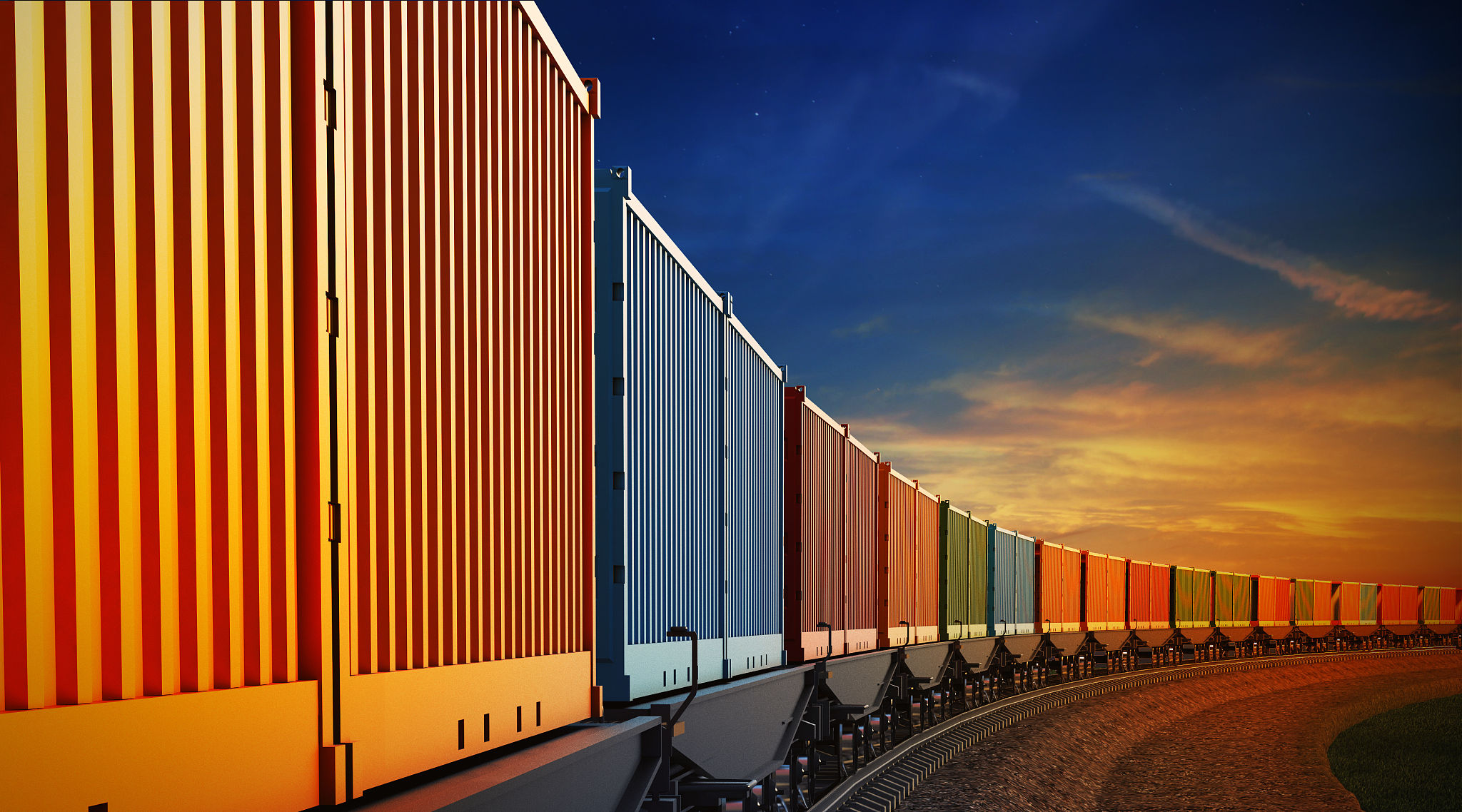
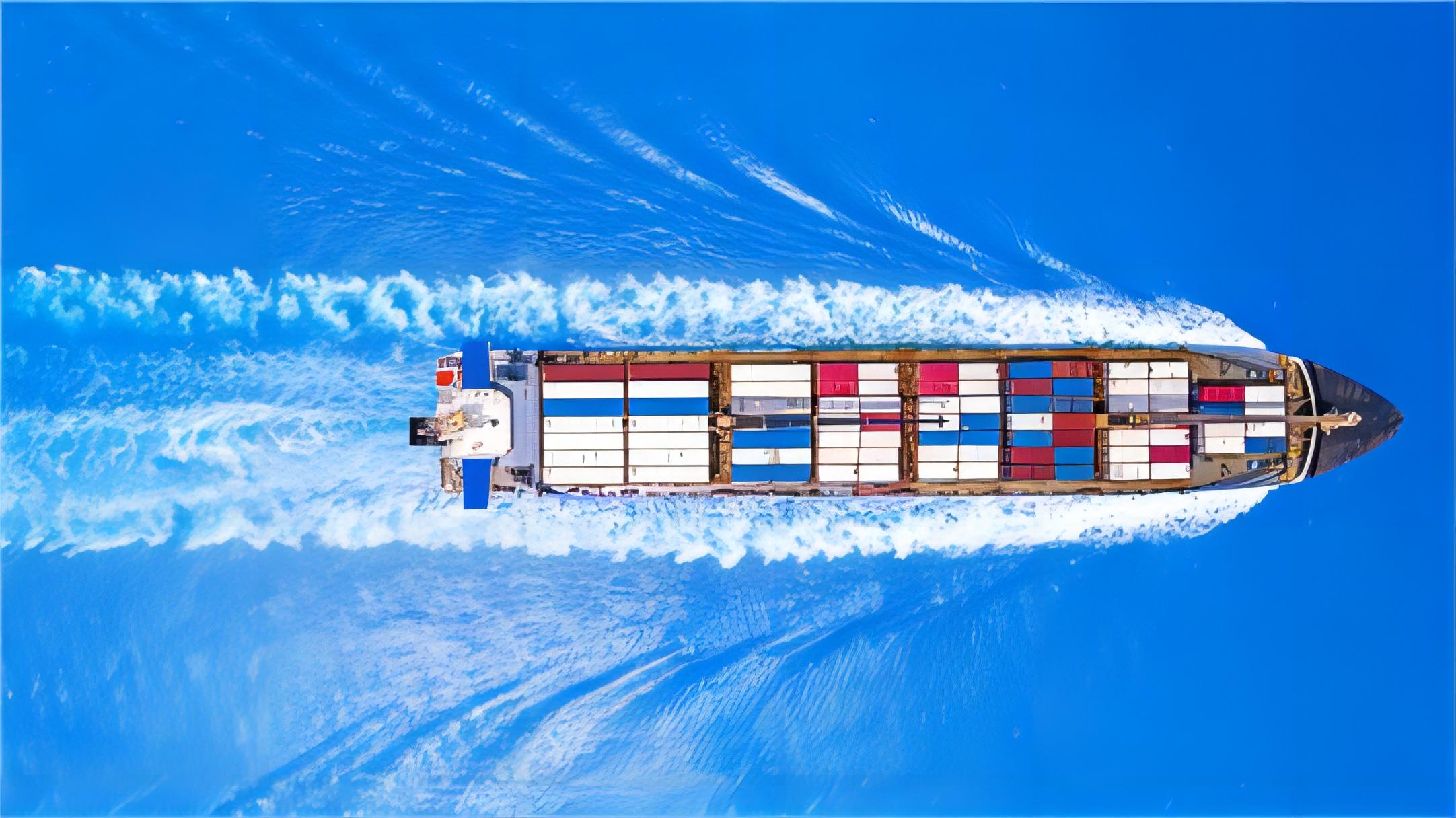
Less than Container Load (LCL) shipping refers to the transportation of cargo that does not fill an entire shipping container. Instead, your goods are consolidated with other shippers’ cargo. This method is particularly suitable for small to medium-sized businesses. It offers a flexible solution for various import needs.
Choosing LCL shipping offers significant cost savings, especially when your volume is insufficient for a Full Container Load (FCL). It provides flexibility and a cost-effective solution for importing goods from China. Many businesses rely on this service to maintain lean inventory and reduce overheads. This approach is highly beneficial for growing enterprises.
Moreover, LCL services from Shenzhen to Germany allow for more frequent shipments. This helps in managing inventory levels more efficiently. It is an ideal choice for businesses with fluctuating demand or those launching new products. Consequently, it ensures a steady flow of goods without excessive upfront costs. Therefore, consider LCL for optimizing your small shipment from Shenzhen to Germany.
Understanding the Costs of Cheap LCL Shipping from Shenzhen to Germany
The overall cost of shipping to Europe via LCL from Shenzhen to Germany involves several components. These include ocean freight, origin charges, destination charges, and customs duties. Understanding each element is crucial for accurate budgeting. This ensures you can truly find cheap LCL shipping from Shenzhen to Germany.
Ocean freight rates are typically calculated per cubic meter (CBM) or per 1000 kilograms, whichever yields a higher cost. This is known as the ‘chargeable weight’ and is a fundamental aspect of freight rates. Consequently, optimizing your cargo’s dimensions and weight is essential for cost control. This directly impacts your LCL shipping costs Shenzhen Germany.
Origin charges cover local handling, trucking to the port, and documentation in Shenzhen. These fees are often referred to as local charges at the port of loading. Furthermore, they encompass various administrative tasks required before the vessel departs. These include terminal handling and export declarations.
Destination charges in Germany include port fees, unpacking, and local delivery. These charges are incurred upon arrival at the port of discharge, such as Hamburg or Bremerhaven. They also cover deconsolidation and making the cargo ready for pickup or final delivery. Therefore, understanding these costs is vital for your total landed cost.
Furthermore, import duties and taxes are significant considerations. These vary based on the Harmonized System (HS) code of your products and Germany’s specific import regulations. Accurate classification prevents delays and unexpected expenses. A clear understanding of these costs helps in securing genuinely cheap LCL shipping from Shenzhen to Germany. This ensures transparency in your financial planning.
Note: Freight rates are subject to change based on fuel costs, carrier capacity, and seasonal demand. Contact us for a current quote tailored to your specific shipment. This ensures the most up-to-date pricing information for your logistics planning.
Key Factors Influencing LCL Freight Rates
Several factors directly impact the cost of your LCL shipment from Shenzhen to Germany. Recognizing these can help you better plan your logistics strategy. The volume and weight of your cargo are primary determinants, as freight is charged per CBM or weight. Thus, efficient packing is paramount for optimizing LCL costs China Europe.
Seasonal demand also plays a significant role in freight rates. For instance, rates typically increase 15-25% during August-October peak season due to holiday shopping preparation. Consequently, planning shipments outside these busy periods can lead to substantial savings. This is a key strategy for affordable freight from China to Germany.
Global events, such as the 2024 Red Sea disruptions, can further influence pricing and transit times. These external factors introduce volatility into the shipping market. Therefore, staying informed about current logistics trends is essential for importers. Market data suggests flexibility is key during such times.
Additionally, the specific port of discharge in Germany (e.g., Hamburg, Bremerhaven) can affect local charges and onward delivery costs. Different ports may have varying efficiency levels and infrastructure. This can impact the overall delivery schedule and final expenses. Therefore, selecting the right port for your consolidated cargo China to Germany is crucial.
The chosen Incoterms (International Commercial Terms) dictate who is responsible for which costs and risks during transit. Understanding these terms is vital for both buyers and sellers. This prevents misunderstandings and unexpected charges. Therefore, careful planning is essential for optimizing LCL shipping costs. It ensures clarity in your international trade agreements.
How Does LCL Shipping Compare to Other Options?
When planning your import strategy, comparing LCL with alternative shipping methods is vital. This comparison helps determine the most suitable and cost-effective approach for your specific needs. Each method offers distinct advantages and disadvantages. Thus, a comprehensive overview is beneficial for making informed decisions.
For example, while air freight provides unparalleled speed, its cost is significantly higher than LCL sea freight. Air transport is ideal for urgent, high-value, or perishable goods. However, its prohibitive pricing often makes it unsuitable for general cargo. Therefore, it is important to weigh speed against shipping costs.
Conversely, Full Container Load (FCL) offers lower per-unit costs for large volumes. It requires you to fill an entire container, be it a 20GP, 40GP, or 40HQ. This option is best for businesses with consistent, high-volume orders. It provides dedicated space and often faster transit than LCL due to less handling.
Moreover, rail freight from China to Germany presents a middle-ground option in terms of speed and cost. This method has gained popularity for its balance between urgency and affordability. It typically offers faster transit than sea freight but at a lower cost than air freight. Understanding these trade-offs is crucial for making informed decisions regarding your supply chain.
Hybrid solutions are also gaining traction. For instance, a sea-air combination might involve shipping by sea to a European hub and then by air to the final destination. This strategy can save time compared to all-sea, while being cheaper than all-air. This flexibility allows for tailored logistics solutions for your small shipment from Shenzhen to Germany.
The following table provides a clear comparison of common shipping methods from Shenzhen to Germany. It highlights key aspects like cost range, transit time, and best-use scenarios. This overview assists in identifying the most appropriate mode for your cargo handling needs. It also helps in understanding the nuances of different freight rates Shenzhen to Hamburg.

| Shipping Method | Cost Range (Shenzhen-Germany) | Transit Time (approx.) | Best For | Limitations |
|---|---|---|---|---|
| LCL Sea Freight | $50-100/CBM | 30-40 days | Small to medium volumes (1-15 CBM), cost-sensitive | Slower, multiple handling points, potential delays |
| FCL Sea Freight (20GP) | $1,800-2,500 (container) | 28-35 days | Large volumes (15+ CBM), dedicated space | Higher upfront cost, less flexible for small loads |
| Air Freight | $4-8/kg | 5-7 days | Urgent, high-value, perishable goods | Very high cost, volume/weight restrictions |
| Rail Freight | $2-4/kg | 18-22 days | Time-sensitive but not urgent, medium-large volumes | Less frequent departures, limited routes, specific cargo types |
Navigating Transit Times and Delivery Schedules
Transit times for sea freight LCL from Shenzhen to Germany typically range from 30 to 40 days. This duration accounts for consolidation, the extensive ocean voyage, and destination port processes. It is essential to factor in these timelines when planning your inventory and delivery schedule.
Several elements can influence the total delivery schedule. These include port congestion at major hubs like Hamburg, customs clearance efficiency, and vessel schedules. Unforeseen port delays can add several days to the journey. Therefore, staying updated on logistics trends is vital for managing expectations.
Direct routes generally offer faster transit compared to routes involving transshipment through intermediary ports. While transshipment might sometimes offer slightly lower freight rates, it often extends the transit time. As a result, careful route selection is important for balancing speed and cost. This directly impacts the transit time LCL Shenzhen Germany.
Furthermore, unforeseen delays can occur due to severe weather conditions or geopolitical events. These external factors are beyond the control of individual shippers. Working with an experienced freight forwarder helps mitigate these risks. They can provide accurate estimates and keep you informed throughout the shipping process. Therefore, realistic expectations are key for planning your imports.
Early booking and clear communication with your forwarder can help secure favorable vessel space and minimize potential hold-ups. This proactive approach supports a smoother logistics process. It contributes significantly to a more predictable delivery schedule. Ultimately, this ensures your small shipment from Shenzhen to Germany arrives on time.
Essential Documentation and Customs Procedures
Successful LCL shipping from Shenzhen to Germany requires meticulous attention to documentation and customs procedures. Proper paperwork ensures smooth clearance and avoids costly delays. Key documents include the commercial invoice, packing list, and bill of lading. Each serves a distinct, critical purpose.
The commercial invoice details the goods, their value, and the terms of sale. It is a crucial document for customs valuation and duty calculation. Accurate and complete information on this document is non-negotiable. It forms the basis of your import declaration.
The packing list provides a comprehensive inventory of items within each package or carton. It specifies quantities, dimensions, and weights. This document assists customs officials in verifying the cargo. It also helps in efficient cargo handling at both origin and destination.
The bill of lading (B/L) acts as a contract of carriage, a receipt for the goods, and a document of title. Issued by the carrier, it outlines the terms of transportation. This legal document is essential for claiming your goods at the destination port. Therefore, its accuracy is paramount.
Moreover, importers must comply with German import regulations and EU standards. This often involves specific product certifications, safety declarations, or conformity declarations. Failure to comply can lead to significant fines or cargo seizure. Thus, understanding import duties Germany from China is vital.
Engaging a professional for customs brokerage services is highly recommended. They ensure all declarations are accurate and submitted on time. This streamlines the import process and minimizes risks. Based on current market rates, an experienced broker can significantly reduce potential issues. This expertise is invaluable for navigating the complexities of international trade and ensuring compliance. It is a smart investment for reliable LCL service Germany.
Real-World Examples: Successful LCL Shipments
Examining real case studies provides practical insights into optimizing your supply chain. These examples illustrate how businesses achieve cheap LCL shipping from Shenzhen to Germany. They highlight common challenges and effective solutions in international logistics. Based on Q3 2024 market rates, these scenarios offer valuable lessons. They demonstrate effective supply chain solutions Shenzhen Germany.
Case Study 1: E-commerce Retailer of Small Electronics
This case involved an e-commerce business importing consumer electronics. They frequently required smaller, regular shipments to keep up with demand. The priority was balancing cost-effectiveness with consistent delivery schedules. LCL proved to be the ideal solution for their operational model.
| Detail | Description |
|---|---|
| Route | Shenzhen, China -> Hamburg, Germany |
| Cargo | Small electronics (gadgets, accessories), 5 CBM, 1200 kg |
| Container | LCL 5 CBM |
| Shipping Details – Carrier/Service | Major carrier (e.g., COSCO via direct service) |
| Shipping Details – Port of Loading | Shenzhen |
| Shipping Details – Port of Discharge | Hamburg |
| Shipping Details – Route Type | Direct |
| Cost Breakdown – Ocean Freight | $450 |
| Cost Breakdown – Origin Charges | $180 |
| Cost Breakdown – Destination Charges | $250 |
| Cost Breakdown – Customs & Duties (estimated) | $300 |
| Cost Breakdown – Total Landed Cost | $1180 |
| Timeline – Booking to Loading | 5 days |
| Timeline – Sea Transit | 32 days |
| Timeline – Customs Clearance | 3 days |
| Timeline – Total Door-to-Door | 40 days |
| Key Insight | Consistent small volume shipments benefited greatly from LCL’s flexibility and lower per-shipment cost, avoiding warehousing fees. |
Case Study 2: Boutique Apparel Brand Importing Textiles
A boutique apparel brand needed to import textiles for seasonal collections. Their shipments were moderate in size, not enough for a full container. They sought a balance between speed for new collections and budget-friendly options. LCL provided the necessary flexibility for their fashion cycles.
| Detail | Description |
|---|---|
| Route | Shenzhen, China -> Bremerhaven, Germany |
| Cargo | Textiles, fabric rolls, 8 CBM, 2500 kg |
| Container | LCL 8 CBM |
| Shipping Details – Carrier/Service | Major carrier (e.g., Maersk via transshipment) |
| Shipping Details – Port of Loading | Shenzhen |
| Shipping Details – Port of Discharge | Bremerhaven |
| Shipping Details – Route Type | Transshipment via Port Klang |
| Cost Breakdown – Ocean Freight | $720 |
| Cost Breakdown – Origin Charges | $220 |
| Cost Breakdown – Destination Charges | $350 |
| Cost Breakdown – Customs & Duties (estimated) | $500 |
| Cost Breakdown – Total Landed Cost | $1790 |
| Timeline – Booking to Loading | 7 days |
| Timeline – Sea Transit | 38 days |
| Timeline – Customs Clearance | 4 days |
| Timeline – Total Door-to-Door | 49 days |
| Key Insight | Transshipment routes offered slightly lower ocean freight but added a few days to transit. This was acceptable for non-urgent seasonal stock. |
Case Study 3: Industrial Parts Supplier for Machinery
An industrial supplier regularly imports specialized machinery parts. These parts are often heavy but occupy minimal volume. Reliability and careful cargo handling were paramount, alongside competitive pricing. LCL enabled them to manage spare parts inventory efficiently without significant capital outlay.
| Detail | Description |
|---|---|
| Route | Shenzhen, China -> Hamburg, Germany |
| Cargo | Machinery components, 3 CBM, 3000 kg |
| Container | LCL 3 CBM |
| Shipping Details – Carrier/Service | Major carrier (e.g., MSC via direct service) |
| Shipping Details – Port of Loading | Shenzhen |
| Shipping Details – Port of Discharge | Hamburg |
| Shipping Details – Route Type | Direct |
| Cost Breakdown – Ocean Freight | $300 (weight-based calculation) |
| Cost Breakdown – Origin Charges | $150 |
| Cost Breakdown – Destination Charges | $200 |
| Cost Breakdown – Customs & Duties (estimated) | $400 |
| Cost Breakdown – Total Landed Cost | $1050 |
| Timeline – Booking to Loading | 4 days |
| Timeline – Sea Transit | 30 days |
| Timeline – Customs Clearance | 2 days |
| Timeline – Total Door-to-Door | 36 days |
| Key Insight | Heavy, low-volume cargo often results in weight-based charges for LCL, which can still be more cost-effective than FCL for very small loads. Prioritizing direct services ensured faster delivery for critical parts. |
Optimizing Your Supply Chain for Cost-Effective LCL
Achieving truly cheap LCL shipping from Shenzhen to Germany involves more than just finding the lowest freight rate. It requires a holistic approach to your supply chain. Consolidating multiple smaller orders into one larger LCL shipment can significantly reduce per-unit costs. This strategy is key for optimizing LCL costs China Europe.

Careful packaging also plays a crucial role. Optimizing package dimensions and weight minimizes wasted space and potential damage. This can prevent additional charges based on volumetric weight. Furthermore, using durable packaging protects your goods during the multiple handling points inherent in LCL. Therefore, invest in quality packaging.
Furthermore, consider shipping during off-peak seasons when rates are generally lower. Historically, rates typically increase 15-25% during August-October peak season. Planning your shipments strategically around these periods can lead to substantial savings over time. This is a proven method for securing affordable freight from China to Germany.
Exploring different Incoterms can also impact your overall landed cost. For instance, shifting from EXW (Ex Works) to FOB (Free On Board) might transfer some origin charges to the seller. This potentially reduces your upfront expenses. Understanding these terms empowers you to negotiate better shipping agreements. Consequently, this affects your overall LCL shipping costs Shenzhen Germany.
Moreover, a robust door to door service simplifies logistics dramatically. This ensures seamless delivery from the factory floor in Shenzhen to your warehouse in Germany. It minimizes handling, reduces the risk of loss or damage, and provides a single point of contact. This convenience often outweighs slightly higher upfront costs by preventing unforeseen issues.
Finally, maintaining strong communication with your suppliers and freight forwarder is paramount. This proactive approach helps anticipate and resolve potential issues before they become costly problems. Effective communication is a cornerstone of efficient international trade. It contributes significantly to a reliable LCL service Germany. This collaborative effort ensures smooth cargo handling.
Which Option Should You Choose? A Decision Framework
Selecting the optimal shipping method depends heavily on your specific business priorities and cargo characteristics. A structured decision framework can guide you toward the most suitable solution. Consider your budget, urgency, and the nature of your goods. This ensures you make an informed choice for your import/export operations.
If budget is your primary concern, LCL sea freight is usually the most economical choice for shipments under 15-20 CBM. It offers significant savings compared to air freight. However, be prepared for longer transit times, typically 30-40 days to Germany. This trade-off is often acceptable for non-urgent inventory.
For urgent deliveries, air freight is unmatched in speed, delivering goods in 5-7 days. However, this comes at a premium cost, often several times that of sea freight. This option is best reserved for high-value, time-critical, or perishable items. Therefore, it is crucial to balance speed with shipping costs.
When speed is important but air freight is too costly, rail freight offers a compelling alternative. With transit times of 18-22 days, it balances cost and speed effectively. This makes it suitable for medium-sized cargo that needs to arrive faster than sea freight allows. It represents a good middle-ground solution.
Cargo type also influences the decision. Fragile or hazardous goods may require specialized handling and packaging, potentially increasing costs. Perishable goods, for instance, demand refrigerated containers or faster transit. Therefore, understanding your product’s specific needs is critical for safe transport.
For very large volumes (over 15-20 CBM), FCL sea freight becomes more cost-effective than multiple LCL shipments. It offers economies of scale and dedicated container space. This reduces the risk of damage from co-loading. Consequently, FCL is ideal for businesses with consistent, high-volume orders. This is a key consideration for your logistics trends.
Hybrid solutions, such as sea-air combinations, are also emerging as flexible alternatives. For example, shipping by sea to a European hub and then by air to the final destination can save time compared to all-sea. This approach is often cheaper than all-air. This flexibility allows for tailored shipping solutions. It caters to specific delivery schedule requirements.
Conclusion: Your Path to Cheap LCL Shipping Success
Securing cheap LCL shipping from Shenzhen to Germany requires a strategic approach. It involves understanding costs, transit times, and documentation. By carefully considering all factors, businesses can significantly optimize their international logistics. This ensures efficient and economical cargo transport.
Partnering with a reliable freight forwarder is crucial for navigating the complexities of global trade. They can offer expertise in consolidation, customs, and route optimization. This partnership simplifies the process, making international shipping accessible and affordable for all. It truly enhances your supply chain solutions Shenzhen Germany.
Ultimately, informed decisions and proactive planning are key. They unlock the full potential of LCL shipping. This allows your business to thrive in the competitive European market. We are here to support your success every step of the way.
Need a tailored shipping solution?
Ready to optimize your shipping strategy and secure cheap LCL shipping from Shenzhen to Germany? Contact us today for a personalized quote. Our experts at Top China Forwarder are here to help you navigate the complexities of international logistics and find the most cost-effective solutions for your cargo.