

Cheap FCL Shipping from Shenzhen to USA: Your Ultimate Guide
Navigating international logistics can be complex, especially when seeking cheap FCL shipping from Shenzhen to USA. Businesses frequently face challenges like fluctuating freight rates, lengthy transit times, and intricate customs procedures. This comprehensive guide, brought to you by Top China Forwarder, aims to demystify the process, offering practical strategies and insights to optimize your full container load shipments from China to America.

Why Choose FCL Shipping from Shenzhen to USA?
Full Container Load (FCL) shipping offers significant advantages for businesses importing goods from Shenzhen to the USA. Primarily, it provides dedicated space for your cargo, meaning your goods are the sole occupants of the container. Consequently, this minimizes handling and reduces the risk of damage or loss during transit.
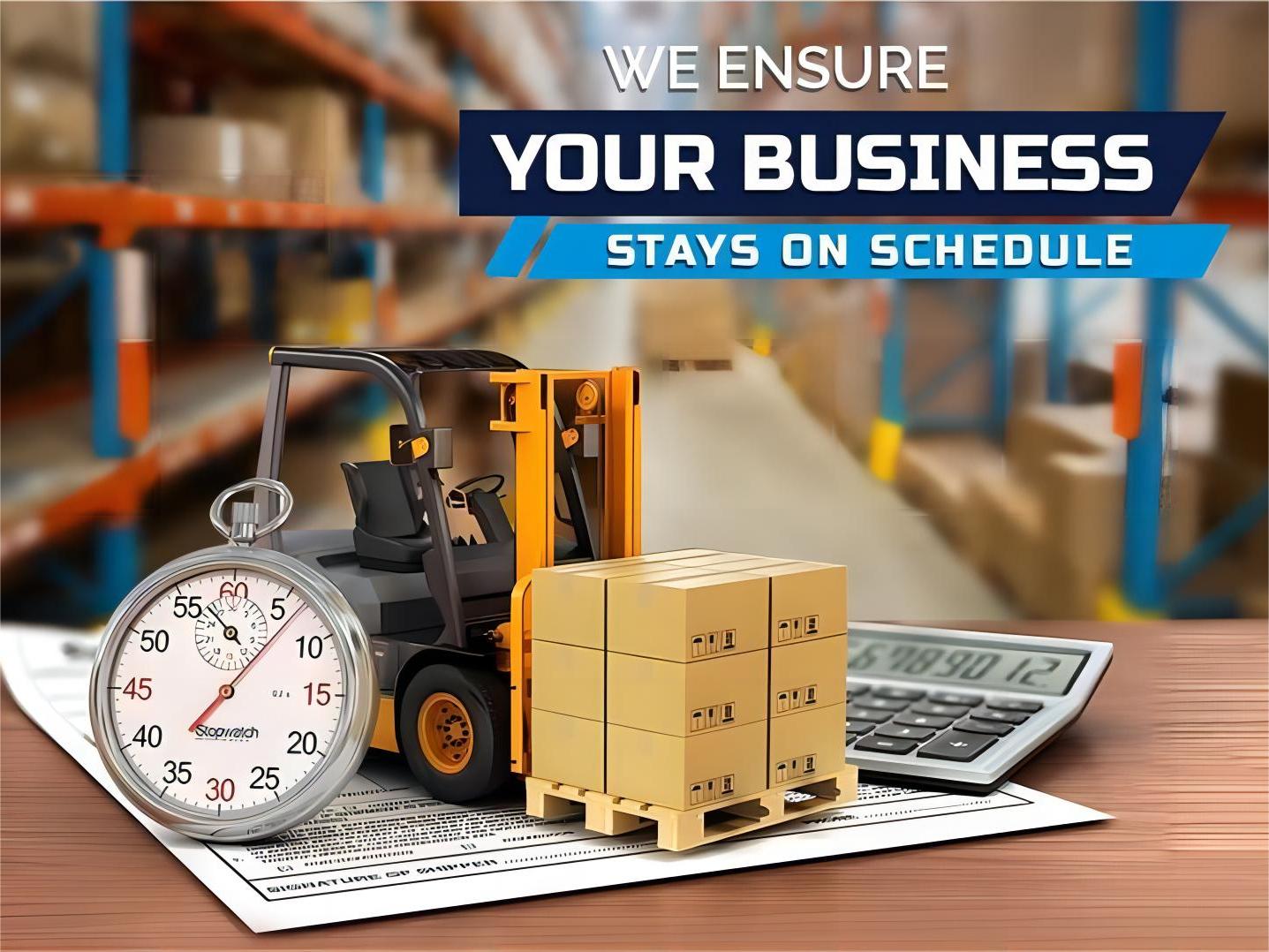
Moreover, FCL shipping often proves more cost-effective for larger volumes compared to Less than Container Load (LCL) options. When your cargo volume exceeds approximately 15-20 cubic meters, an FCL shipment typically becomes the more economical choice. Therefore, understanding your cargo volume is crucial for optimizing your freight spend.
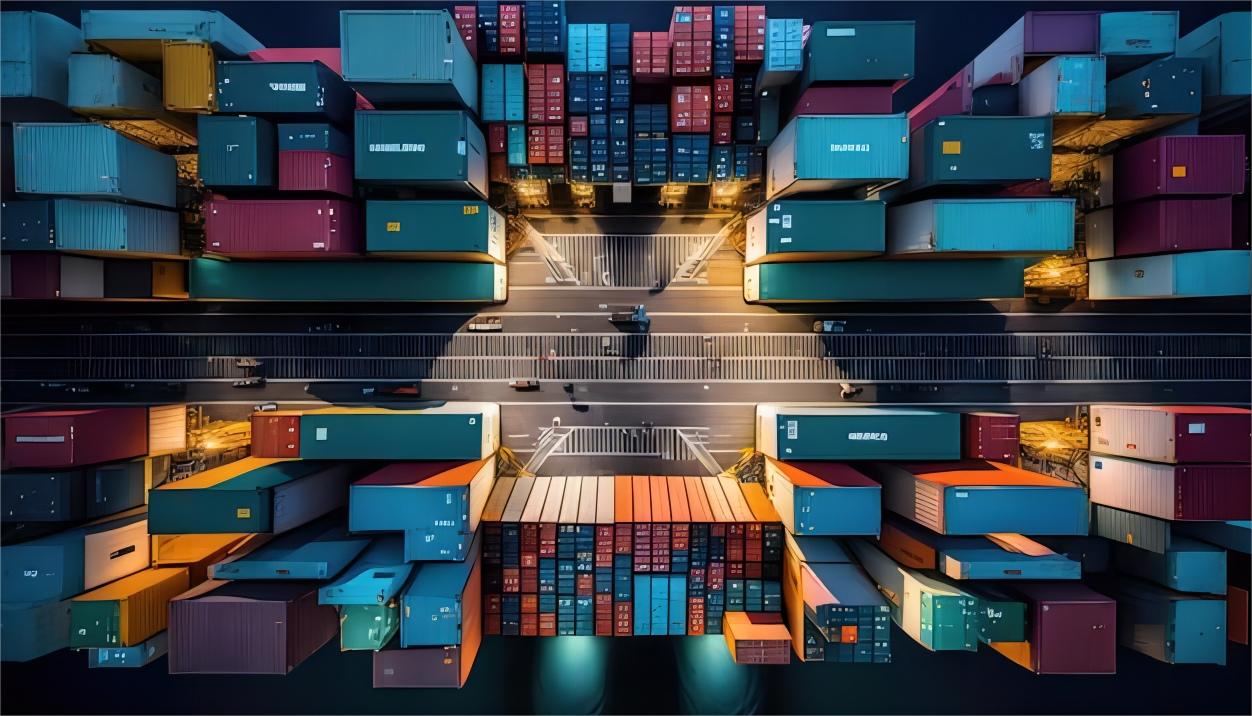
Furthermore, FCL shipments generally boast faster transit times and a more predictable delivery schedule. Since the container doesn’t need to be consolidated or deconsolidated with other shipments, it moves directly from the port of loading to the port of discharge. This streamlined process is essential for maintaining a consistent supply chain.
Ultimately, choosing FCL shipping from Shenzhen to USA provides better control over your logistics. You dictate the loading and unloading schedules, which can significantly impact your overall supply chain efficiency. This level of control is invaluable for businesses with time-sensitive inventory.
Understanding the Cost Factors for Cheap FCL Shipping from Shenzhen to USA
Several key factors influence the overall cost of FCL shipping from Shenzhen to USA. Being aware of these elements allows businesses to make informed decisions and potentially secure more affordable full container load shipping rates. Freight rates are dynamic, fluctuating based on market demand and capacity.
Indeed, the size and type of container significantly impact pricing. Standard options include 20-foot GP, 40-foot GP, and 40-foot HQ containers, with larger containers generally offering better value per cubic meter. Additionally, specialized containers like open-top or reefer units will incur higher costs due to their specific functionalities.
Furthermore, the specific route and destination port in the USA play a vital role in determining costs. Shipping to West Coast ports like Los Angeles or Long Beach is typically faster and cheaper than to East Coast ports such as New York or Savannah. This is due to geographical proximity and established trade lanes, influencing transit times and fuel surcharges.
Seasonal demand also heavily affects freight rates. Peak shipping seasons, particularly before major holidays like Chinese New Year or during the Q3/Q4 holiday shopping rush, often see a surge in prices. Booking in advance or shipping during off-peak times can lead to significant savings on your FCL logistics from Shenzhen to US.
Beyond the base ocean freight, various surcharges contribute to the total cost. These can include Bunker Adjustment Factor (BAF), Terminal Handling Charges (THC) at both origin and destination, Currency Adjustment Factor (CAF), and Peak Season Surcharges (PSS). Understanding these additional fees is crucial for an accurate cost estimation.
| Cost Factor | Description | Impact on Price | Optimization Tip |
|---|---|---|---|
| Ocean Freight Rate | Base cost for transporting the container by sea | High | Book early, consider off-peak seasons |
| Container Size | 20GP, 40GP, 40HQ, etc. | Medium | Match container size to cargo volume precisely |
| Route & Destination | Specific ports of loading and discharge | High | Prioritize West Coast ports for speed/cost if feasible |
| Surcharges | BAF, THC, CAF, PSS, etc. | Medium | Factor into total cost, negotiate with forwarder |
| Inland Transportation | Haulage from factory to port and port to final destination | Medium | Optimize truck routes, use reliable local carriers |
| Customs & Duties | Clearance fees, tariffs, taxes | Medium | Ensure accurate documentation, understand Incoterms |
How to Secure Cheap FCL Shipping from Shenzhen to USA
Achieving cost-effective FCL freight from China to US requires strategic planning and collaboration with experienced partners. Several approaches can help reduce your overall shipping expenditure. Therefore, proactive engagement and informed decision-making are paramount.
Firstly, obtaining multiple quotes from various freight forwarders is essential. Different forwarders have access to different carrier contracts and may offer varying rates for the same service. Comparing quotes helps you find the most competitive pricing for your Shenzhen to USA container rates. However, always compare ‘apples to apples’ – ensure all quotes include the same services and surcharges.
Secondly, consider flexible shipping schedules. If your inventory allows, shipping during off-peak seasons can lead to substantial savings. Furthermore, being flexible with your departure dates can sometimes allow forwarders to secure better rates on less popular vessel sailings. This approach can significantly reduce your budget FCL ocean freight.
Thirdly, optimizing your cargo packing and container loading is vital. Efficiently utilizing every cubic meter within the container minimizes wasted space, preventing you from paying for unused capacity. Proper planning of carton dimensions and stacking strategies can maximize your container’s potential. This contributes directly to saving money on container shipping.
Finally, partnering with a reputable freight forwarder like Top China Forwarder is key. An experienced forwarder can leverage their network and expertise to negotiate better rates, manage complex logistics, and provide valuable advice on optimizing FCL shipping costs. They also offer crucial services like customs brokerage, ensuring smooth clearance.
The FCL Shipping Process: Step-by-Step
The FCL shipping process from Shenzhen to the USA involves several critical stages, each requiring careful attention to detail. Understanding these steps can help streamline your operations and avoid costly delays. Consequently, clear communication with your freight forwarder is essential throughout.
Initially, the process begins with booking your container and confirming your shipping schedule. You’ll need to provide details about your cargo, including its type, volume, weight, and any specific handling requirements. The forwarder then reserves space on a vessel and arranges for container pick-up at the depot.
Next, your cargo is loaded into the container at your factory or warehouse in Shenzhen. Proper loading and securing of goods are crucial to prevent damage during transit. Following this, the loaded container is transported to the port of loading, typically Yantian or Shekou in Shenzhen, for export customs clearance.
Upon arrival at the destination port in the USA, the container undergoes import customs clearance. This stage requires accurate documentation, including the Bill of Lading, commercial invoice, packing list, and any necessary permits or licenses. Expert customs brokerage services are invaluable here.
Finally, after customs clearance, the container is transported from the port to your final destination in the USA. This is often part of a comprehensive door-to-door service, ensuring seamless delivery. Throughout this journey, regular updates on your cargo’s status are provided by your logistics partner.
How Does FCL Shipping Compare to Other Options?
When considering cheap FCL shipping from Shenzhen to USA, it’s vital to compare it with alternative shipping methods. Each option presents different trade-offs in terms of cost, speed, and suitability for various cargo types. Therefore, selecting the right method depends heavily on your specific business needs and priorities.
For instance, air freight offers significantly faster transit times, often delivering goods within 3-7 days. However, it comes at a much higher cost, making it suitable only for high-value, urgent, or small volume shipments. Conversely, FCL ocean freight is the most economical for bulk goods.
LCL (Less than Container Load) shipping is another alternative, ideal for smaller shipments that don’t fill an entire container (typically under 15-20 CBM). While it’s cheaper than FCL for small volumes, LCL involves consolidation and deconsolidation, which can lead to longer transit times and increased handling risks. For larger volumes, FCL becomes more competitive.
Rail freight is not directly applicable for shipping from Shenzhen to the USA across the ocean. However, it is an important option for intra-continental shipping or as part of a multimodal solution within the USA after ocean arrival. For China to Europe routes, rail is a viable alternative to sea or air.
Ultimately, the choice hinges on balancing your budget, urgency, and cargo characteristics. Understanding these distinctions is crucial for optimizing your supply chain and achieving reliable FCL shipping solutions.
| Shipping Method | Cost Range (Shenzhen-USA) | Transit Time (Shenzhen-USA) | Best For | Limitations |
|---|---|---|---|---|
| FCL Ocean Freight | $2,500 – $6,000 (40HQ) | 14-35 days | Large volumes (15+ CBM), heavy goods, cost-sensitive | Longer transit times, port congestion risks |
| LCL Ocean Freight | $80 – $150 per CBM | 20-45 days | Small volumes (<15 CBM), non-urgent, budget-friendly | Longer transit, more handling, less control |
| Air Freight | $4 – $8 per kg | 3-7 days | Urgent, high-value, small/light cargo | Very high cost, volume/weight restrictions |
Which FCL Shipping Option Should You Choose?
Deciding on the best FCL shipping strategy requires evaluating your specific business priorities. Different scenarios call for different approaches, influencing whether you prioritize speed, cost, or specialized handling. Therefore, a clear assessment of your needs is the first step.
If **budget is your primary concern**, then standard FCL ocean freight to a West Coast port like Los Angeles or Long Beach will generally be the most economical. Consider booking during off-peak seasons and allow for longer transit times. This strategy is ideal for non-time-sensitive goods.
For **speed priority**, while FCL is inherently slower than air freight, you can still optimize for quicker transit. Opt for direct vessel services without transshipment, and choose West Coast ports over East Coast. Also, ensure all documentation is flawless to avoid customs delays, especially when shipping to North America.
When **cargo type considerations** are critical, such as for hazardous materials or temperature-sensitive goods, specialized FCL containers (e.g., IMO tanks, reefer containers) are necessary. While these incur higher costs, they ensure the safe and compliant transport of your specific products. Always declare your cargo accurately.
Regarding **volume thresholds**, FCL becomes significantly more cost-effective once your shipment volume exceeds approximately 15-20 CBM. Below this, LCL might seem cheaper initially, but FCL offers better per-unit cost and faster transit for larger volumes. Accurately measuring your cargo is crucial for this decision.
Real-World FCL Shipping Case Studies from Shenzhen to USA
Examining actual shipping scenarios provides valuable insights into optimizing FCL logistics and achieving cheap FCL shipping from Shenzhen to USA. These examples highlight how different choices impact cost, transit time, and overall efficiency. These case studies are based on typical rates as of early 2025.
These examples underscore the importance of selecting the right partners and strategies for your specific import needs. Each situation demands a tailored approach to balance cost-effectiveness with timely delivery. Therefore, a detailed understanding of your supply chain is paramount.
Case Study 1: Large Volume, Cost-Sensitive Consumer Goods
This client prioritized cost-efficiency for a high-volume, non-urgent shipment of consumer goods.
| Detail | Value |
|---|---|
| Route | Shenzhen, China -> Los Angeles, USA |
| Cargo | Electronics accessories, 58 CBM, 9,500 kg |
| Container | 1 x 40HQ |
| Shipping Details | Major carrier (e.g., COSCO), Port of Loading: Yantian, Port of Discharge: Long Beach, Route Type: Direct |
| Cost Breakdown | Ocean Freight: $3,200, Origin Charges: $450, Destination Charges: $600, Customs & Duties (estimated): $800, Total Landed Cost: $5,050 |
| Timeline | Booking to Loading: 5 days, Sea Transit: 14 days, Customs Clearance: 3 days, Total Door-to-Door: 22 days |
| Key Insight | Direct route to West Coast optimized for speed and cost. Booking during off-peak season (Q1) helped secure competitive rates. Consistent communication with the forwarder ensured smooth customs processing. |
Case Study 2: Medium Volume, Time-Sensitive Industrial Components
For this shipment, the client needed a balance between cost and a relatively quick turnaround for industrial components.
| Detail | Value |
|---|---|
| Route | Shenzhen, China -> Houston, USA |
| Cargo | Machine parts, 28 CBM, 12,000 kg |
| Container | 1 x 20GP |
| Shipping Details | Major carrier (e.g., OOCL), Port of Loading: Shekou, Port of Discharge: Houston, Route Type: Transshipment via Busan |
| Cost Breakdown | Ocean Freight: $3,800, Origin Charges: $380, Destination Charges: $750, Customs & Duties (estimated): $1,200, Total Landed Cost: $6,130 |
| Timeline | Booking to Loading: 7 days, Sea Transit: 28 days, Customs Clearance: 4 days, Total Door-to-Door: 39 days |
| Key Insight | Choosing a transshipment route saved approximately 10-15% on ocean freight compared to a direct East Coast route, albeit adding a few days to transit. Proactive customs documentation prevented delays. Q4 peak season rates were 15% higher than Q2. |
Case Study 3: Specialized Goods, East Coast Delivery
This example involved specialized goods requiring careful handling and delivery to an East Coast destination.
| Detail | Value |
|---|---|
| Route | Shenzhen, China -> New York, USA |
| Cargo | Medical devices (non-hazardous), 62 CBM, 10,000 kg |
| Container | 1 x 40HQ |
| Shipping Details | Major carrier (e.g., Maersk), Port of Loading: Yantian, Port of Discharge: New York, Route Type: Direct |
| Cost Breakdown | Ocean Freight: $5,200, Origin Charges: $500, Destination Charges: $850, Customs & Duties (estimated): $1,500, Total Landed Cost: $8,050 |
| Timeline | Booking to Loading: 6 days, Sea Transit: 30 days, Customs Clearance: 3 days, Total Door-to-Door: 40 days |
| Key Insight | Direct service to the East Coast (NY) was chosen for faster overall transit despite higher ocean freight. Early booking during Q2 helped mitigate potential rate increases. Comprehensive customs pre-filing ensured a smooth clearance for specialized goods. |
| Note | Freight rates are subject to change based on fuel costs, carrier capacity, and seasonal demand. Contact us for a current quote tailored to your specific shipment. |
Navigating Customs and Documentation for Shenzhen to USA FCL Shipments
Efficient customs clearance is a cornerstone of successful and cheap FCL shipping from Shenzhen to USA. Errors in documentation can lead to significant delays, fines, and increased costs. Therefore, meticulous preparation and adherence to regulations are crucial.
Firstly, key documents required include the Commercial Invoice, Packing List, Bill of Lading (B/L), and potentially a Certificate of Origin. The commercial invoice must accurately declare the goods’ value, quantity, and description for duty calculation. An incorrect value can trigger audits or penalties.
Secondly, understanding Incoterms (International Commercial Terms) is essential. These terms define the responsibilities of the buyer and seller for the delivery of goods, including costs, risks, and insurance. Common Incoterms for FCL shipments include FOB (Free On Board) and EXW (Ex Works). Your chosen Incoterm directly impacts who is responsible for which leg of the journey and associated costs.
Thirdly, compliance with U.S. Customs and Border Protection (CBP) regulations is paramount. This includes proper product labeling, adherence to safety standards, and obtaining any necessary permits from agencies like the FDA or EPA, depending on your cargo. Pre-filing information, such as the Importer Security Filing (ISF), is also mandatory before the vessel departs China.
Finally, leveraging an experienced customs brokerage service is highly recommended. These professionals can navigate the complexities of import regulations, ensure all documentation is correct, and expedite the clearance process. Their expertise helps prevent common pitfalls that can derail your delivery schedule and increase costs.
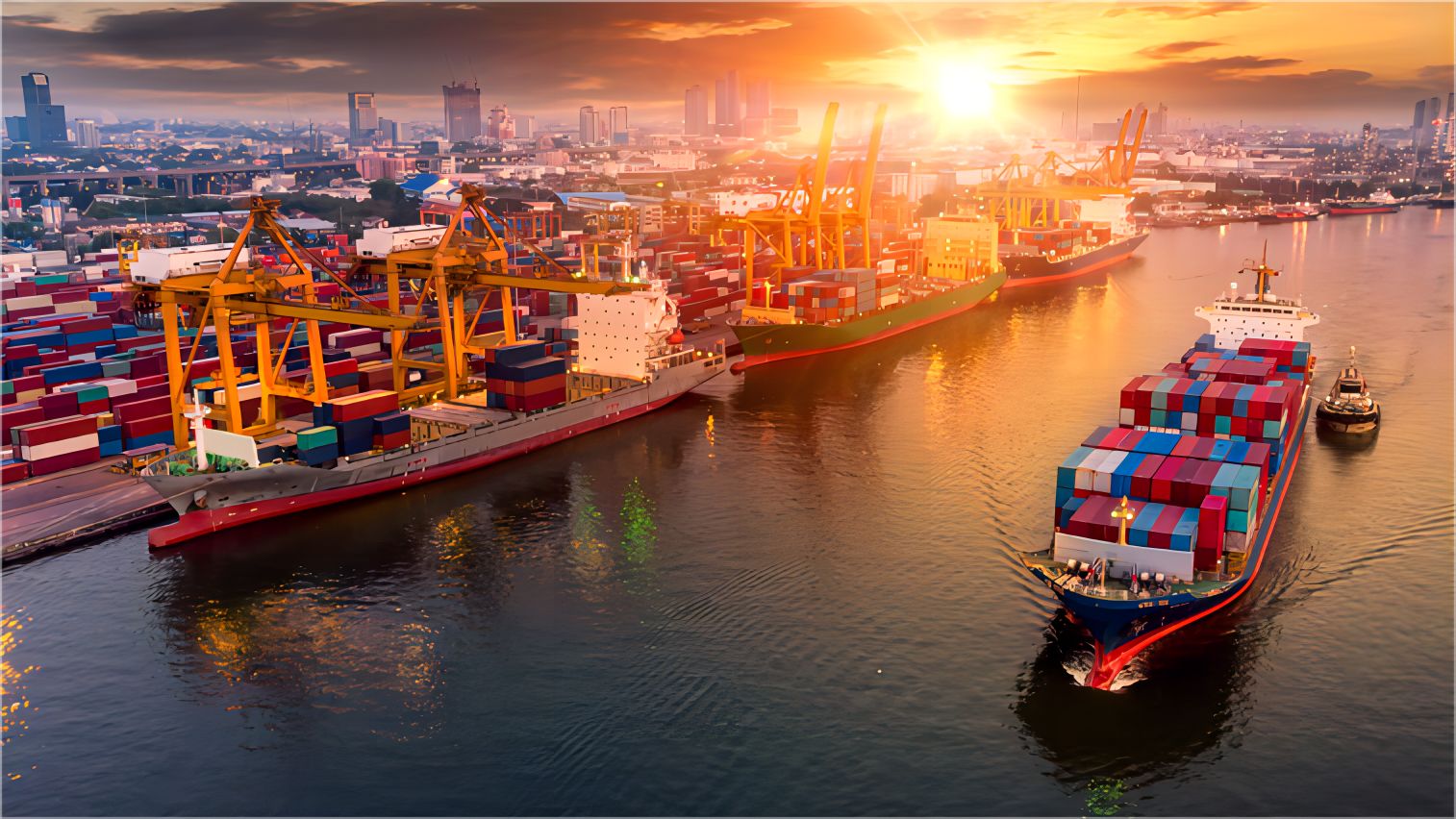
Common Challenges and Solutions in FCL Shipping from Shenzhen to USA
Despite its advantages, FCL shipping from Shenzhen to USA can present various challenges. Anticipating these issues and having contingency plans in place is vital for maintaining a smooth supply chain. Consequently, proactive risk management is a key differentiator for successful importers.
One frequent challenge is **port congestion**, particularly at major US ports like Los Angeles or Long Beach. This can lead to significant delays in vessel berthing and container offloading. To mitigate this, consider diversifying your destination ports or working with forwarders who have strong relationships with carriers to prioritize your cargo.
**Fluctuating freight rates** pose another significant hurdle, making it difficult to budget accurately. Rates can change rapidly due to global events, fuel price shifts, or sudden increases in demand. Implementing long-term contracts with carriers or locking in rates well in advance can provide some stability, especially for regular shipments.
**Customs delays** often stem from incomplete or inaccurate documentation. Even minor errors can cause your shipment to be held up, incurring demurrage and detention charges. A robust internal documentation process, coupled with expert customs brokerage, is the best defense against such issues.
**Lack of visibility** into your shipment’s status can also be frustrating. Modern logistics trends emphasize real-time tracking and communication. Partnering with a freight forwarder that offers comprehensive tracking systems and proactive updates ensures you’re always informed about your cargo’s journey. This transparency is crucial for managing expectations and planning your inventory.
Your Path to Cheap FCL Shipping from Shenzhen to USA
In conclusion, achieving cheap FCL shipping from Shenzhen to USA is entirely possible with the right strategies and partnerships. By understanding the cost factors, optimizing your cargo, and navigating customs efficiently, businesses can significantly reduce their freight expenditures.
Ultimately, partnering with an experienced and reliable freight forwarder is paramount to streamlining your import process. They can provide invaluable expertise, access to competitive rates, and ensure smooth delivery, making your supply chain more predictable and cost-effective. Focus on long-term relationships for consistent service and support. Our team is ready to assist you in finding the most affordable full container load shipping options.
Need a tailored shipping solution?
Ready to optimize your supply chain and secure cheap FCL shipping from Shenzhen to USA? Contact our experts today for a personalized quote and discover how our reliable FCL shipping solutions can benefit your business. We are here to help you navigate international logistics with ease.