

Cheap FCL Shipping from Shenzhen to Italy: Your Ultimate Guide
“Navigating international logistics can be complex, especially when seeking affordable FCL shipping from Shenzhen to Italy. Businesses constantly look for cost-effective ways to transport large volumes of goods across continents. This comprehensive guide provides essential insights into optimizing your full container load shipments from China to Italy, ensuring efficiency and savings. For reliable freight solutions, consider partnering with Top China Forwarder.”
Understanding FCL Shipping: Why It Matters for Your Business
❖Full Container Load (FCL) shipping involves booking an entire container exclusively for your cargo. This method is ideal for businesses with substantial shipment volumes, offering greater security and faster transit times compared to sharing space. When shipping from Shenzhen to Italy, FCL ensures your goods remain undisturbed throughout the journey.
Opting for FCL can significantly streamline your supply chain. It eliminates the need for consolidation and deconsolidation processes, which often add delays and potential risks. Consequently, businesses benefit from improved predictability in their delivery schedules and reduced handling risks.

Key Factors Influencing Cheap FCL Shipping Costs from Shenzhen to Italy
❖Several critical factors determine the overall cost of your FCL shipment from Shenzhen to Italy. Understanding these elements helps in securing more affordable FCL rates. Freight rates are dynamic, influenced by global demand, fuel prices, and vessel capacity.
Moreover, port charges at both origin and destination, customs duties, and additional surcharges like BAF (Bunker Adjustment Factor) or CAF (Currency Adjustment Factor) contribute to the final price. Seasonal variations, particularly during peak seasons like Chinese New Year or pre-holiday periods, can also drive up costs significantly. Therefore, planning ahead is crucial for optimizing FCL shipping costs.
Comparing Shipping Methods: FCL vs. Alternatives for Italy
❖When considering freight from Shenzhen to Italy, businesses often weigh FCL against other shipping methods. While FCL is excellent for large volumes, alternatives might suit different needs. Each option presents a unique balance of speed, cost, and capacity.
Understanding these differences helps in making an informed decision for your specific cargo. For instance, air freight offers speed but at a premium, whereas LCL (Less than Container Load) is suitable for smaller shipments but involves longer transit times due to consolidation. Sea freight is generally the most cost-effective for FCL.
| Shipping Method | Cost Range (40HQ est.) | Transit Time | Best For | Limitations |
|---|---|---|---|---|
| FCL Sea Freight | $3,000 – $4,200 | 28-35 days | Large volumes, heavy goods, cost-sensitive | Slower transit, port congestion risks |
| LCL Sea Freight | $50 – $80 per CBM | 35-45 days | Smaller shipments (<15 CBM), flexible | Longer transit, higher per-unit cost, more handling |
| Air Freight | $15,000 – $25,000 | 5-7 days | Urgent, high-value, perishable goods | Very high cost, volume/weight restrictions |
| Rail Freight (to Europe) | $8,000 – $12,000 | 18-22 days | Time-sensitive, mid-volume, specific routes | Limited direct routes to Italy, transshipment needed |
Optimizing Your Route: Shenzhen to Key Italian Ports
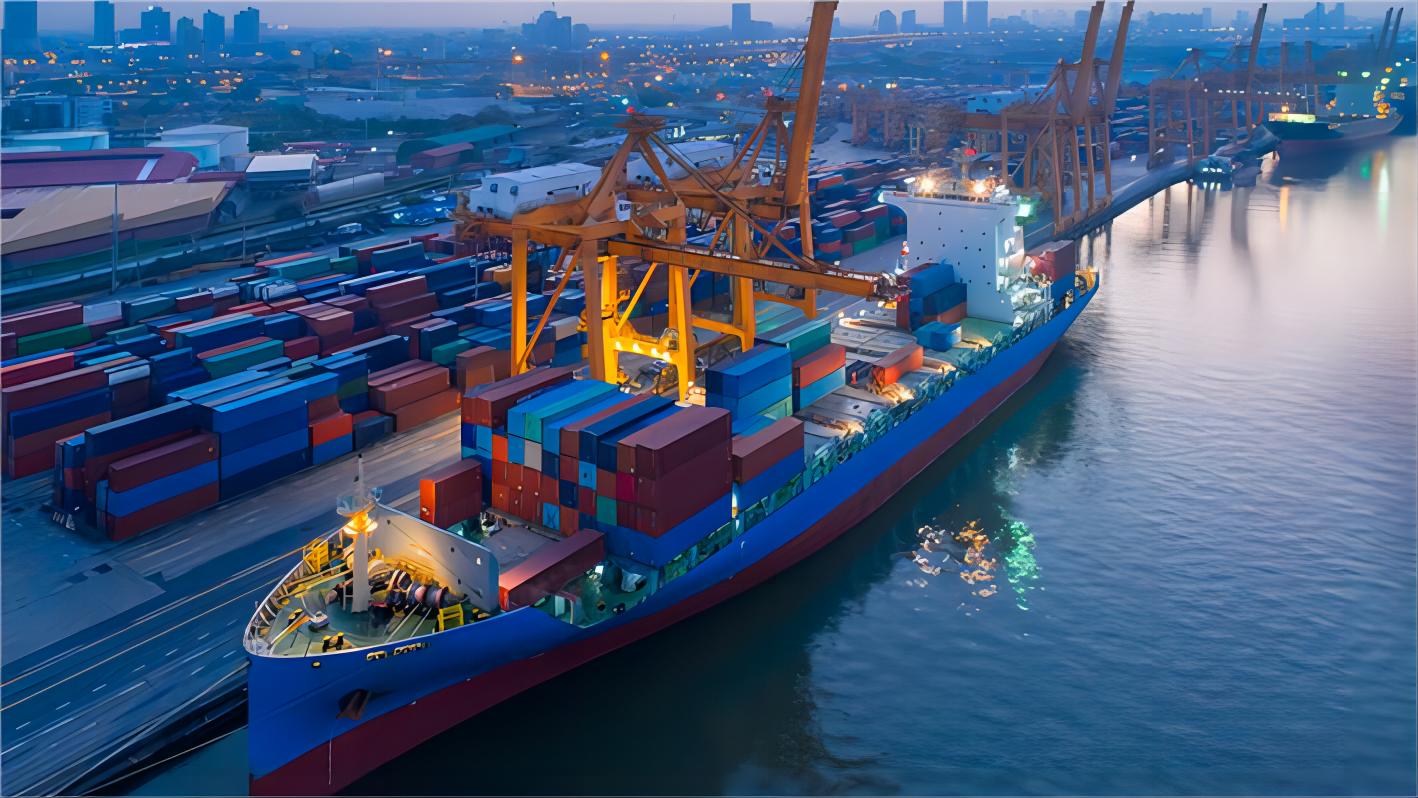
❖Selecting the right Italian port is crucial for efficient and cheap FCL shipping. Italy boasts several major ports that serve as key entry points for goods from Asia. Each port offers varying advantages in terms of hinterland connections and customs efficiency.
Major ports like Genoa, La Spezia, and Naples are popular choices due to their strategic locations and robust infrastructure. Genoa and La Spezia, for instance, offer excellent connections to Northern Italy’s industrial heartland. Understanding the final destination within Italy helps in choosing the most direct and cost-effective port of discharge, minimizing inland transportation costs.
Real-World Scenarios: Achieving Affordable FCL Shipping
❖Examining actual shipping cases provides practical insights into managing costs and timelines. These examples highlight common challenges and successful strategies for cheap FCL shipping from Shenzhen to Italy. Each scenario demonstrates how different factors impact the final outcome, offering valuable lessons for importers.
Case Study 1: Electronics Importer to Milan
A medium-sized electronics distributor in Milan needed to import a consistent volume of consumer electronics. Their priority was a balance between cost and a predictable delivery schedule. They opted for a reliable FCL service during a moderate demand period.
| Detail | Value |
|---|---|
| Route | Shenzhen, China -> Genoa, Italy |
| Cargo | Consumer Electronics, 65 CBM, 12,000 kg |
| Container | 1 x 40HQ |
| Carrier/Service | Major carrier (e.g., MSC) |
| Port of Loading | Shenzhen |
| Port of Discharge | Genoa |
| Route Type | Direct |
| Ocean Freight | $3,850 |
| Origin Charges (THC, documentation) | $450 |
| Destination Charges | $580 |
| Customs & Duties (estimated) | $1,200 |
| Total Landed Cost | $6,080 |
| Booking to Loading | 5 days |
| Sea Transit | 30 days |
| Customs Clearance | 3 days |
| Total Door-to-Door | 38 days |
| Key Insight | Strategic booking during off-peak season (Q1 2025) secured competitive rates and smooth transit, avoiding Red Sea surcharges. |

Case Study 2: Apparel Manufacturer to Florence
An Italian apparel manufacturer required a cost-effective solution for importing textiles and accessories from multiple suppliers in Southern China. Their primary concern was managing multiple vendors and ensuring all goods arrived at a central point for distribution. They opted for a combined FCL strategy with efficient cargo handling.
| Detail | Value |
|---|---|
| Route | Shenzhen, China -> La Spezia, Italy |
| Cargo | Textiles and Apparel, 55 CBM, 9,000 kg |
| Container | 1 x 40GP |
| Carrier/Service | COSCO via agent |
| Port of Loading | Shenzhen |
| Port of Discharge | La Spezia |
| Route Type | Transshipment via Singapore |
| Ocean Freight | $3,100 |
| Origin Charges (THC, documentation) | $420 |
| Destination Charges | $550 |
| Customs & Duties (estimated) | $950 |
| Total Landed Cost | $5,020 |
| Booking to Loading | 6 days |
| Sea Transit | 35 days |
| Customs Clearance | 4 days |
| Total Door-to-Door | 45 days |
| Key Insight | Utilizing a transshipment route offered a lower base freight rate, although it added a few extra days to transit. Effective customs brokerage ensured smooth clearance. |
Case Study 3: Industrial Equipment to Venice
A company importing specialized industrial equipment needed a secure and reliable FCL solution. The cargo was high-value and required careful handling. They prioritized security and a comprehensive service from origin to destination, opting for a door-to-door solution.
| Detail | Value |
|---|---|
| Route | Shenzhen, China -> Venice (via Trieste), Italy |
| Cargo | Industrial Machinery Parts, 25 CBM, 15,000 kg |
| Container | 1 x 20GP |
| Carrier/Service | Maersk |
| Port of Loading | Shenzhen |
| Port of Discharge | Trieste |
| Route Type | Direct |
| Ocean Freight | $2,400 |
| Origin Charges (THC, documentation) | $400 |
| Destination Charges | $500 |
| Customs & Duties (estimated) | $800 |
| Total Landed Cost | $4,100 |
| Booking to Loading | 4 days |
| Sea Transit | 32 days |
| Customs Clearance | 2 days |
| Total Door-to-Door | 39 days |
| Key Insight | Choosing a less congested port like Trieste and utilizing a door-to-door service provided seamless delivery, despite potential Red Sea rerouting impacts on transit time (as of Q3 2024). |
Strategies for Cost-Effective FCL Shipping to Italy
❖Achieving cheap FCL shipping from Shenzhen to Italy requires strategic planning and execution. Implementing smart logistics practices can significantly reduce your overall freight expenditure. Businesses should explore various avenues to cut costs without compromising service quality or reliability.
Firstly, consider booking well in advance, especially during peak shipping seasons. Secondly, optimize container loading to maximize space utilization, thus avoiding unnecessary container bookings. Moreover, being flexible with shipping dates can also lead to better rates, as carriers often offer discounts during off-peak times. Furthermore, understanding Incoterms is essential for defining cost and risk responsibilities.
Negotiating Freight Rates and Carrier Selection
Engaging with multiple freight forwarders allows you to compare quotes and negotiate better rates. Different carriers have varying service agreements and pricing structures for the Shenzhen-Italy route. Therefore, obtaining several competitive bids is a fundamental step in securing cheap FCL shipping.
Additionally, building long-term relationships with reliable forwarders can lead to preferential rates and better service during challenging market conditions. They can offer insights into market trends and suggest alternative routes or services, such as a combination of air freight for urgent components and sea freight for bulk. Always clarify all-inclusive pricing to avoid hidden charges.
Customs Clearance and Documentation Management
Efficient customs clearance is vital to avoid costly delays and demurrage charges at Italian ports. Proper documentation, including commercial invoices, packing lists, and bills of lading, must be meticulously prepared. Any discrepancies can lead to significant hold-ups and fines. Consequently, working with experienced customs brokers is highly recommended.
Understanding Italian import regulations and tariffs beforehand helps in budgeting accurately and preventing surprises. Furthermore, ensuring compliance with all local and international shipping laws is non-negotiable. Proactive management of paperwork is a cornerstone of smooth and affordable FCL shipping.
Market Insights: Current Trends Affecting Shenzhen-Italy FCL Rates
❖The global shipping landscape is constantly evolving, with several factors influencing FCL freight rates from Shenzhen to Italy. Staying informed about these trends helps businesses anticipate changes and plan accordingly. Market volatility necessitates a flexible approach to logistics planning.
As of Q1 2025, freight rates from China to Europe have largely stabilized following the significant disruptions in the Red Sea. However, geopolitical events can still introduce unpredictability, leading to rerouting via the Cape of Good Hope. This longer route increases transit times and fuel costs, subsequently impacting overall shipping expenses. Moreover, vessel capacity management by carriers also plays a role in rate fluctuations. Industry data suggests that while rates are lower than peak pandemic levels, they remain higher than pre-2020 averages. Seasonal rate increases, typically 15-25% during August-October peak season, are still a factor to consider.
Which Option Should You Choose for Your Shipments?
❖Deciding on the best shipping method requires a careful evaluation of your specific needs and priorities. There is no one-size-fits-all solution for shipping from Shenzhen to Italy. Instead, a tailored approach based on cargo characteristics, budget, and urgency yields the best results.
Consider these criteria to inform your decision. Each factor plays a significant role in determining the most suitable and cost-effective shipping strategy. By aligning your logistics choices with your business objectives, you can achieve optimal outcomes.
| Priority/Consideration | Recommendation | Why |
|---|---|---|
| Budget Priority | FCL Sea Freight (Off-peak) | Offers the lowest per-unit cost for large volumes, especially when booked strategically. |
| Speed Priority | Air Freight | Significantly faster transit (5-7 days) for urgent or time-sensitive goods. |
| Mid-range Speed/Cost | Rail Freight (to EU hub + truck) | Faster than sea, cheaper than air, suitable for specific European destinations. |
| Cargo Volume (under 15 CBM) | LCL Sea Freight | More economical than FCL if you don’t fill a full container, though with longer transit. |
| High-Value/Fragile Cargo | FCL Sea Freight (direct route) | Minimizes handling and transshipment risks, offering greater security. |
| Large, Heavy, Non-Urgent Cargo | FCL Sea Freight | The most economical choice for bulk goods where transit time is less critical. |
| Supply Chain Flexibility | Hybrid Solutions (e.g., Sea-Air) | Combines cost-effectiveness for bulk with speed for critical components. |
Secure Your Cheap FCL Shipping from Shenzhen to Italy Today
In conclusion, achieving cheap FCL shipping from Shenzhen to Italy is entirely possible with proper planning, market awareness, and the right logistics partner. By understanding the factors influencing costs, comparing shipping methods, and implementing smart strategies, businesses can significantly reduce their freight expenses. Focusing on efficient documentation and strategic port selection further enhances cost-effectiveness.
Partnering with an experienced freight forwarder is paramount to navigating the complexities of international shipping. They can provide invaluable insights, negotiate competitive rates, and ensure a smooth, compliant journey for your full container loads. Ultimately, a well-managed FCL strategy ensures your goods reach Italy efficiently and affordably.
Ready to streamline your logistics?
Ready to optimize your supply chain and secure cheap FCL shipping from Shenzhen to Italy? Contact our experts today for a personalized quote and tailored logistics solutions. We are here to help you navigate the complexities of international freight with ease and efficiency.
Request Quote