

Table of Contents
Shipping cargo in full container loads requires accuracy and perfect timing, especially when targeting major California ports like Los Angeles, Long Beach, or Oakland. Because delays often come from unclear procedures, missing documents, or late space booking, many importers now focus on optimizing the booking process for FCL shipping from China to California. As supply chain expectations increase, businesses also rely more on experienced partners such as Top China Forwarder to secure space, manage customs workflows, and coordinate pre-carriage more efficiently.

What Makes the FCL Booking Process Important for China–California Trade?
Although FCL shipping appears straightforward, the operational flow includes multiple stakeholders—factories, forwarders, carriers, customs brokers, drayage teams, and U.S. terminals. Because each step influences the next, one mistake can disrupt the entire timeline. Moreover, fluctuations in freight rates, transit time, and carrier space further complicate planning. Therefore, a structured booking system is the only way to maintain shipping reliability and reduce unnecessary costs.
How Should Shippers Prepare Before Booking FCL Space?
Before submitting a booking request, exporters must prepare several pieces of data that determine equipment availability, routing options, and carrier schedules. Additionally, early preparation ensures shippers avoid last-minute rate changes or rolled shipments.
Information Required for FCL Pre-Booking
| Data Required | Purpose | Risk Avoided |
|---|---|---|
| Cargo weight & CBM | Ensures correct container type | Overweight penalties |
| Commodity details | Determines customs category | Inspection delays |
| Pickup location | Plans inland trucking | Wrong dispatch routing |
| Desired ETD | Matches carrier schedules | Vessel rollovers |
| Consignee & EIN | Required for U.S. import | ISF filing issues |
Because incomplete information causes booking rejection or rework, many exporters coordinate documentation with professional sea freight teams early in the process.
Why Timing Matters in the Booking Process for FCL Shipping
Booking too late often results in limited space, while booking too early sometimes leads to inaccurate cargo readiness dates. Furthermore, California ports experience peak seasons where space becomes highly competitive. Therefore, coordinating the booking window with factory production schedules becomes essential.
Typical Booking Timeline (China → California)
| Stage | Ideal Timing | Outcome |
|---|---|---|
| Cargo readiness confirmed | 10–14 days before ETD | Stable planning |
| Space booking | 7–10 days before ETD | Higher acceptance rate |
| VGM submission | 1–2 days after stuffing | Avoids delays |
| ISF filing | At least 24 hours before loading | U.S. compliance |
| Customs clearance | Pre-arrival | Faster terminal pickup |
Since California terminals operate with heavy container volume, this timeline helps businesses maintain predictable shipping schedules.
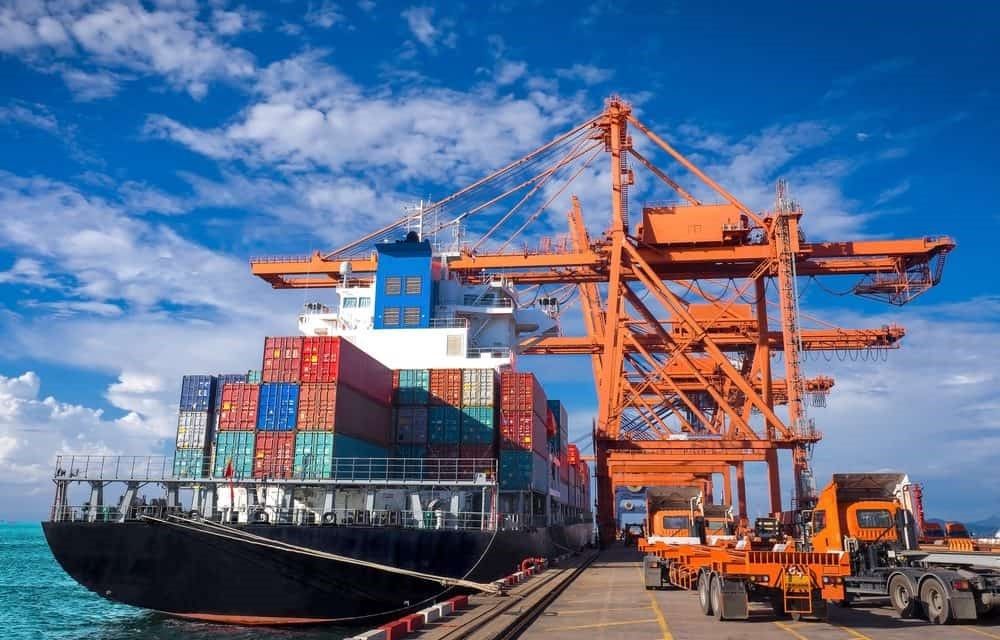
How the Booking Process Works From Start to Finish
Although routing options vary, the booking workflow generally includes eight major steps. Additionally, shippers must monitor each step because delays in one stage often cascade into extra storage costs.
1. Confirm cargo details
Shippers validate packaging, weight, dimensions, and container suitability.
2. Select the carrier and schedule
Forwarders review transit time, reliability, and rate options.
3. Submit booking request
The booking includes shipper/consignee details, cargo description, and vessel preference.
4. Receive booking confirmation (BKG)
Carriers release a booking number, cutoff dates, and free-time information.
5. Arrange container pickup
Trucking teams collect empty containers for loading or deliver them to the factory.
6. Load and seal the container
Shippers complete stuffing, label the seal, and prepare VGM.
7. Return full container to the port
Before the cutoff, the container must enter the terminal.
8. Monitor vessel departure and customs status
With tracking, importers prepare for clearance and final delivery in California.
Because the U.S. requires strict import compliance, early documentation review can prevent customs delays and reduce storage fees.
What Documents Are Needed for a Smooth Booking Experience?
Documentation accuracy significantly affects the success of FCL shipping from China to California. Moreover, errors in commodity description or HS codes often trigger customs reviews.
Essential Documentation for FCL Booking and Customs
| Document | Purpose | Helps Prevent |
|---|---|---|
| Commercial Invoice | Declares value & product type | Misclassification |
| Packing List | Lists cartons, weights, sizes | Inspection delays |
| HS Code | Categorizes cargo | Duty calculation issues |
| ISF Data (10+2) | Required by CBP | Penalties up to $5,000 |
| Bill of Lading Draft | Confirms shipment details | Draft corrections |
| Power of Attorney | Allows broker to file entries | Clearance delays |
To avoid mistakes, importers often rely on expert customs brokerage support for ISF and entry filing.
What Transit Times Should Shippers Expect From China to California?
Transit time influences the entire booking process because importers must align clearance, warehouse availability, and inland distribution.
China → California FCL Transit Time Overview
| Route | Average Transit Time | Notes |
|---|---|---|
| Shanghai → Los Angeles | 12–15 days | Fastest route |
| Ningbo → Los Angeles | 14–17 days | Stable service |
| Shenzhen → Long Beach | 15–18 days | Occasional congestion |
| Qingdao → Oakland | 17–20 days | Northbound schedule variance |
Because vessel schedules shift due to weather or terminal congestion, tracking helps importers optimize planning.
Real Case Studies
- Container: 40HQ
- Cost: USD 3,280
- Transit: 15 days
- Result: Early ISF filing prevented CBP review and saved 48 hours of clearance time.
- Container: 20GP
- Cost: USD 2,150
- Transit: 18 days
- Result: Booking completed 10 days before ETD; no rollover during peak season.
- Container: 40GP
- Cost: USD 3,450
- Transit: 16 days
- Result: Tracking helped importer coordinate trucking, minimizing dwell time to under 24 hours.
How Shippers Can Reduce the Risk of Booking Errors
Booking errors often come from unclear communication or mismatched expectations. However, implementing structured workflows greatly reduces risk.
Important Prevention Steps
- Validate ETD with real-time carrier schedules
- Confirm container availability two days before pickup
- Review HS codes before submitting ISF
- Cross-check shipper/consignee spelling
- Monitor cut-off changes
- Use reliable freight partners
Since errors often cause rerouting fees or clearance delays, early verification protects the overall supply chain.
How Top China Forwarder Enhances the Booking Process
With vast trade volume between China and California, Top China Forwarder provides integrated solutions including freight planning, schedule optimization, customs preparation, and final-mile coordination. Additionally, our team manages route selection and cost comparisons similar to our expertise in shipping from China to the USA. As a result, shippers enjoy smoother workflows, fewer mistakes, and more predictable cargo handling.
How to Ensure Faster Clearance and Avoid Delays at California Ports
Because CBP maintains strict import rules, shippers must prepare documents early and maintain visibility across the logistics process.
Practical Tips
- Submit ISF as early as possible
- Pre-clear documents before vessel arrival
- Verify container status immediately after discharge
- Schedule trucking before the vessel arrives
- Check terminal appointment availability daily
Following these steps reduces waiting time and supports more predictable FCL deliveries across California.
Conclusion
In summary, the booking process for FCL shipping from China to California requires clear coordination, accurate documentation, and early schedule planning. When shippers maintain structured workflows and use reliable tracking tools, delays decrease sharply and overall logistics performance improves. With expert support from Top China Forwarder, importers achieve stable scheduling, smoother customs interactions, and far more efficient cargo movement across California’s ports.
Need a quote?
Ready to get started? Contact us now to request a free shipping quote.
Frequently Asked Questions (FAQ)
How early should I book FCL space from China to California?
Ideally 7–10 days before ETD to avoid space shortages and secure better routing.
Does ISF filing affect the booking process?
Yes. Missing or late ISF causes customs delays, so filing early ensures smooth clearance.
Which ports in California handle most FCL imports?
Los Angeles, Long Beach, and Oakland are the primary gateways for China shipments.
Can delays be avoided during peak season?
Early booking, accurate documents, and schedule monitoring help minimize peak-season rollovers.
What container sizes are most common?
20GP, 40GP, and 40HQ are the main types used for China–California trade.