

Best Freight Forwarder from China to India: Your Ultimate Guide
“Navigating international shipping can be complex, especially when importing goods from China to India. Finding the best freight forwarder from China to India is paramount for ensuring timely delivery and cost efficiency. This comprehensive guide will help you understand the intricacies of this vital trade route, offering insights into various shipping methods and expert tips for a smooth logistics experience.”
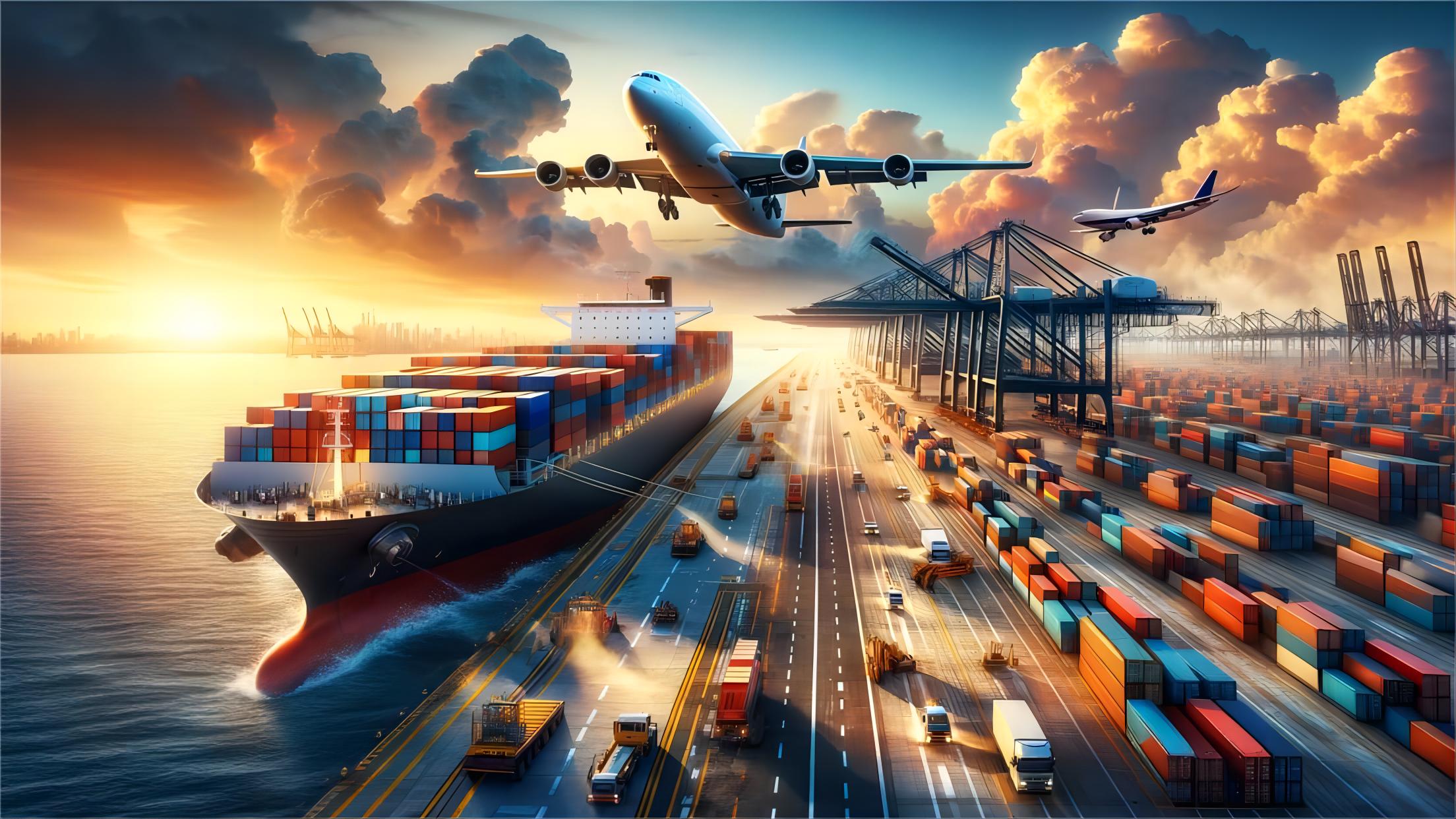
Why is Choosing the Right Freight Forwarder Crucial for China-India Trade?
❖The trade corridor between China and India is one of the busiest globally, presenting both immense opportunities and significant challenges. Selecting an experienced freight forwarder is not merely about moving goods; it is about strategic supply chain management.
Indeed, a competent partner can streamline your operations, minimize delays, and significantly reduce overall shipping costs. They act as your indispensable ally, ensuring compliance with complex customs regulations and managing unexpected logistical hurdles.
What are the Primary Shipping Methods from China to India?
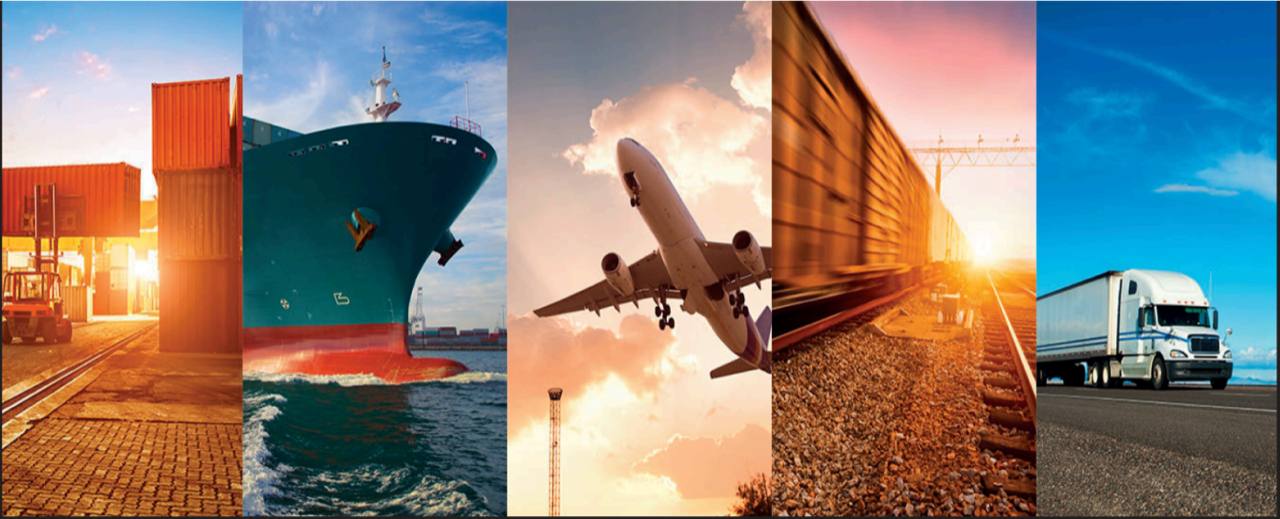
❖Importers have several options when shipping goods from China to India, each with distinct advantages regarding speed, cost, and capacity. The choice largely depends on your cargo’s nature, urgency, and budget.
Understanding these methods is the first step toward optimizing your import strategy. Therefore, let’s explore the most common routes and their typical characteristics for this busy trade lane.
Sea Freight: The Cost-Effective Choice
For large volumes and non-urgent shipments, sea freight remains the most economical option. It is ideal for bulk goods, heavy machinery, and products where transit time is less critical. Shipments can be sent as Full Container Load (FCL) or Less than Container Load (LCL).
Consequently, major ports like Shanghai, Ningbo, and Shenzhen in China connect to Indian ports such as Mumbai (Nhava Sheva), Chennai, and Mundra. Typical transit times range from 18 to 30 days, depending on the specific route and carrier.
Air Freight: Speed and Reliability
When time is of the essence, air freight offers the fastest transit times, typically 3-7 days. This method is perfect for high-value goods, perishable items, or urgent e-commerce deliveries. Although more expensive than sea freight, it provides unparalleled speed and reliability.
Moreover, major airports like Shanghai Pudong (PVG), Guangzhou Baiyun (CAN), and Beijing Capital (PEK) frequently serve Indian hubs such as Delhi (DEL), Mumbai (BOM), and Bengaluru (BLR). Air freight also offers enhanced security for sensitive cargo.
Express Service: Door-to-Door Convenience
For small packages and urgent documents, express service providers offer rapid door-to-door solutions. These services, often handled by global integrators, ensure quick pick-up, transit, and delivery, complete with tracking. Transit times are usually 2-5 days.
However, this method is significantly more expensive per kilogram and is best suited for small, lightweight, and high-priority shipments. It simplifies the logistics process for businesses needing quick, hassle-free delivery.
How Does Each Shipping Method Compare for China-India Routes?
❖Selecting the optimal shipping method requires a clear understanding of the trade-offs between cost, speed, and suitability. Each option caters to different logistical needs and budget constraints. This comparison helps in making an informed decision for your specific cargo.
Consequently, consider your product’s lifecycle, market demand, and inventory management strategy when evaluating these choices. The table below outlines key differences to guide your selection process effectively.
| Shipping Method | Cost Range (per kg/CBM) | Transit Time (approx.) | Best For | Limitations |
|---|---|---|---|---|
| Sea Freight (LCL) | USD 50-80/CBM | 18-30 days | Bulky, heavy, non-urgent goods, cost-sensitive | Slow, potential for port congestion, longer lead times |
| Sea Freight (FCL) | USD 1500-3000/20GP; USD 2500-4500/40HQ | 18-28 days | Large volume, regular shipments, stable supply chain | Requires full container, longer lead times, susceptible to port delays |
| Air Freight | USD 4-8/kg (depends on volume/urgency) | 3-7 days | High-value, perishable, urgent, time-sensitive | High cost, weight/volume restrictions, fuel surcharges |
| Express Service | USD 8-15/kg (depends on carrier/speed) | 2-5 days | Small packages, documents, samples, e-commerce | Very high cost for larger items, limited capacity |
Which Option Should You Choose for Your Shipments?
❖Making the right choice depends entirely on your business priorities and the specific characteristics of your cargo. A strategic approach considers budget, urgency, and the nature of the goods being shipped.
Therefore, aligning your shipping method with your business objectives is crucial for efficient operations and customer satisfaction. Here’s a framework to guide your decision-making process.
Budget Priority
If cost savings are your primary concern, sea freight (especially LCL for smaller volumes or FCL for larger ones) is undoubtedly the most economical option. It offers the lowest per-unit cost for bulk shipments. However, be prepared for longer transit times.
Consider optimizing container space and consolidating shipments to maximize cost efficiency further. This approach is ideal for businesses with flexible inventory schedules.
Speed Priority
For urgent deliveries, high-value goods, or products with a short shelf life, air freight or express service is indispensable. These methods significantly cut down transit times, ensuring products reach their destination quickly.
Nevertheless, the higher cost associated with speed must be weighed against the potential benefits of faster market entry or reduced inventory holding costs. Express is particularly effective for very small, time-critical parcels.
Cargo Type and Volume
The type and volume of your cargo also dictate the best shipping method. Heavy and bulky items are best suited for sea freight. Conversely, small, lightweight, or delicate electronics might benefit more from air or express services.
For instance, if your shipment exceeds 15 CBM, FCL sea freight often becomes more cost-effective than LCL. Always consider cargo insurance to protect against unforeseen damages during transit.
Navigating Customs and Documentation for China-India Shipments
❖Customs clearance is a critical, often complex, part of international shipping. Both China and India have specific regulations and documentation requirements that must be met to avoid delays and penalties. A proficient freight forwarder with strong customs brokerage capabilities is invaluable here.
Indeed, proper documentation is key to smooth transit. Any discrepancies can lead to significant hold-ups at ports or airports, incurring demurrage and detention charges. Therefore, meticulous preparation is essential for efficient cargo handling.
Essential Documents Checklist
Ensuring all necessary paperwork is correctly prepared and submitted is paramount. Missing or incorrect documents are a common cause of delays. Therefore, work closely with your freight forwarder to prepare these items.
This proactive approach minimizes risks and accelerates the customs process, facilitating a faster delivery schedule for your goods.
| Document Type | Purpose | Issued By |
|---|---|---|
| Commercial Invoice | Details goods, value, seller, buyer | Exporter |
| Packing List | Details contents of each package | Exporter |
| Bill of Lading (B/L) / Air Waybill (AWB) | Contract of carriage, title to goods | Carrier/Forwarder |
| Certificate of Origin | Declares country of manufacture | Chamber of Commerce/Exporter |
| Import/Export License | Required for restricted goods | Government Authority |
| Customs Declaration | Formal declaration to customs | Importer/Customs Broker |
Role of a Customs Broker
A freight forwarder often provides integrated customs brokerage services, which is a huge advantage. They possess expert knowledge of tariffs, duties, taxes, and import regulations specific to India. This expertise helps prevent costly errors.
Moreover, they can advise on HS codes, assist with duty calculations, and represent you during customs inspections. This ensures your shipments comply with all legal requirements and clear customs without unnecessary complications.
Real-World Success Stories: China to India Logistics
❖Examining actual shipment scenarios provides practical insights into how different strategies play out in the real world. These case studies highlight the importance of choosing the right service for specific needs and the value of an experienced freight forwarder.
Based on Q3 2024 market rates and typical transit times, these examples illustrate effective solutions for common import challenges. Note: Freight rates are subject to change based on fuel costs, carrier capacity, and seasonal demand. Contact us for a current quote tailored to your specific shipment.
Case Study 1: E-commerce Garments via Air Freight
An online fashion retailer needed to replenish popular garment stock quickly to meet peak season demand in India. Speed was paramount to avoid lost sales.
This shipment demonstrates how air freight effectively supports fast-moving e-commerce businesses.
| Detail | Description |
|---|---|
| Route | Guangzhou, China -> Mumbai, India |
| Cargo | Fashion Garments, 1.5 CBM, 250 kg |
| Shipping Method | Air Freight |
| Carrier/Service | Major airline cargo |
| Port of Loading | Guangzhou Baiyun (CAN) |
| Port of Discharge | Mumbai (BOM) |
| Cost Breakdown (Estimated) | Air Freight: $1,250 (approx. $5/kg), Origin Charges: $150, Destination Charges: $100, Customs & Duties (est.): $300, Total Landed Cost: $1,800 |
| Timeline | Booking to Loading: 2 days, Air Transit: 3 days, Customs Clearance: 1 day, Total Door-to-Door: 6 days |
| Key Insight | Fast transit allowed rapid inventory turnover, maximizing sales during a critical period despite higher per-unit shipping costs. |
Case Study 2: Auto Parts via LCL Sea Freight
A small auto parts distributor in Delhi required a regular supply of components from multiple Chinese suppliers. Consolidating these smaller shipments was key to managing costs.
LCL sea freight offered a balanced solution, optimizing costs while maintaining a predictable supply chain for diverse goods.
| Detail | Description |
|---|---|
| Route | Ningbo, China -> Nhava Sheva (Mumbai), India |
| Cargo | Assorted Auto Parts, 8 CBM, 3,500 kg |
| Container | LCL (Less than Container Load) |
| Shipping Method | Sea Freight |
| Carrier/Service | COSCO via transshipment |
| Port of Loading | Ningbo |
| Port of Discharge | Nhava Sheva |
| Cost Breakdown (Estimated) | Ocean Freight: $560 (approx. $70/CBM), Origin Charges: $200, Destination Charges: $250, Customs & Duties (est.): $800, Total Landed Cost: $1,810 |
| Timeline | Booking to Loading: 5 days, Sea Transit: 22 days, Customs Clearance: 3 days, Total Door-to-Door: 30 days |
| Key Insight | Consolidation of multiple suppliers into a single LCL shipment significantly reduced shipping costs compared to individual air freight or express parcels. |
Case Study 3: Industrial Machinery via FCL Sea Freight
A manufacturing plant in Chennai needed to import new industrial machinery for a facility expansion. The equipment was large, heavy, and required a dedicated container.
FCL sea freight provided the necessary capacity and cost-effectiveness for this substantial capital investment, ensuring secure transport.
| Detail | Description |
|---|---|
| Route | Shanghai, China -> Chennai, India |
| Cargo | Industrial Production Line, 40HQ container |
| Container | 40HQ |
| Shipping Method | Sea Freight |
| Carrier/Service | Maersk direct service |
| Port of Loading | Shanghai |
| Port of Discharge | Chennai |
| Cost Breakdown (Estimated) | Ocean Freight: $3,800, Origin Charges: $400, Destination Charges: $500, Customs & Duties (est.): $2,500, Total Landed Cost: $7,200 |
| Timeline | Booking to Loading: 7 days, Sea Transit: 20 days, Customs Clearance: 4 days, Total Door-to-Door: 31 days |
| Key Insight | Utilizing a dedicated 40HQ container ensured the safe and cost-effective transport of large, heavy machinery, critical for the plant’s expansion project. |
Key Factors to Consider When Selecting Your Freight Forwarder
❖Choosing the right freight forwarder is a strategic decision that impacts your entire supply chain. Several factors differentiate a good forwarder from an excellent one. Consider these elements carefully to ensure a successful partnership.
Indeed, a thorough evaluation will help you find a partner who aligns with your business needs and can effectively manage the complexities of international logistics.
Experience and Reputation
Look for a forwarder with a proven track record specifically for the China-India route. Their experience translates into better knowledge of local regulations, optimal routes, and potential challenges. Reputable firms often have established relationships with carriers and customs officials.
Furthermore, check client testimonials and industry recognition. A strong reputation indicates reliability and quality service in the competitive logistics landscape.
Service Offerings
Ensure the forwarder offers the specific services you need, such as FCL/LCL sea freight, air freight, customs brokerage, warehousing, and door-to-door solutions. Comprehensive service offerings can simplify your logistics management by consolidating multiple tasks under one provider.
Additionally, inquire about cargo insurance options and value-added services like packaging or quality control checks. These can enhance the security and efficiency of your shipments.
Communication and Transparency
Effective communication is vital. Your forwarder should provide regular updates on your shipment status and respond promptly to inquiries. Transparency in pricing and processes builds trust and prevents unexpected costs.
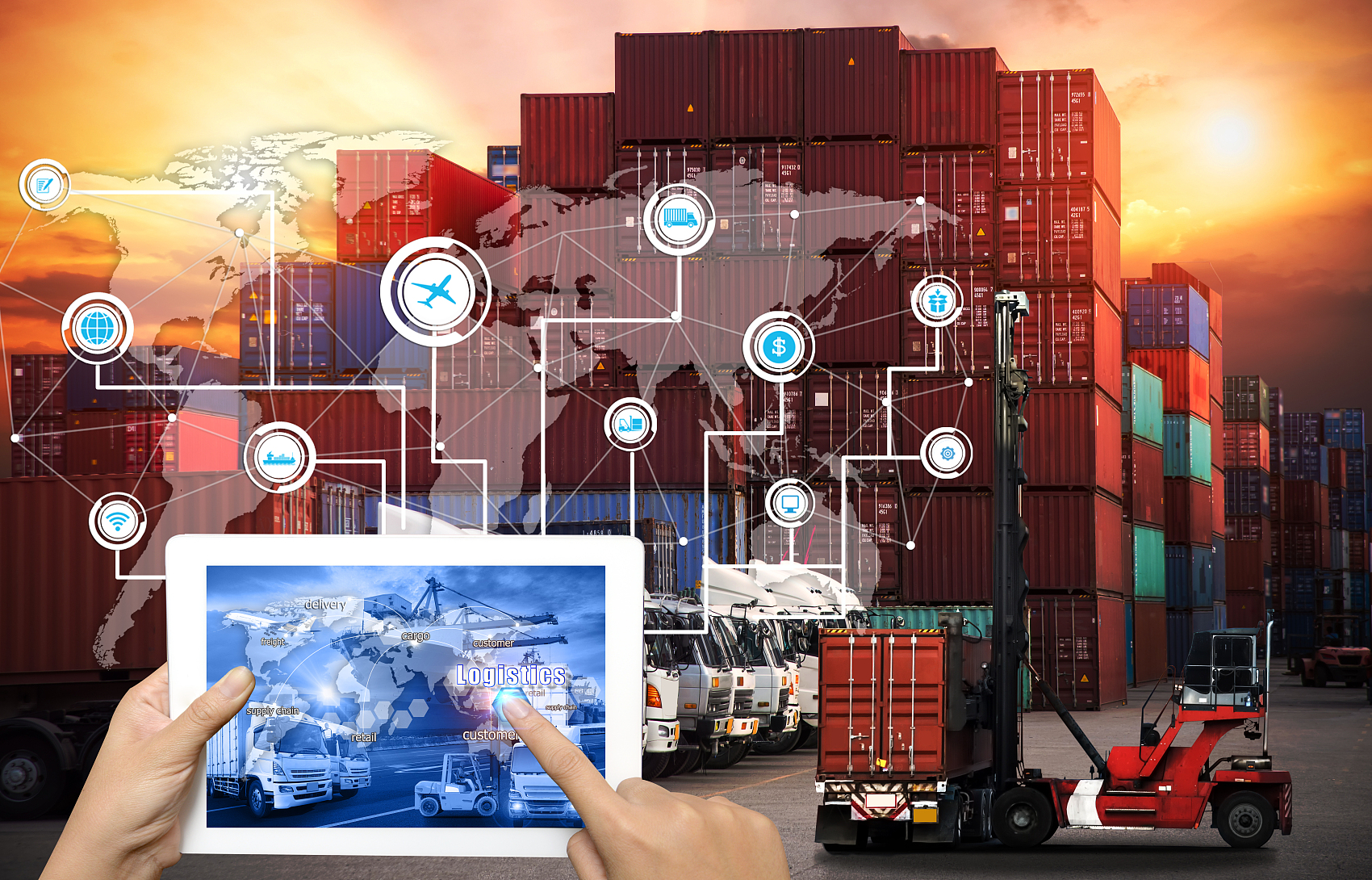
Moreover, access to online tracking systems can offer real-time visibility, allowing you to monitor your cargo’s journey from origin to destination. This level of insight is crucial for proactive supply chain management.
Network and Partnerships
A strong global network, particularly robust connections in both China and India, is a significant advantage. This ensures better access to carrier capacity, competitive freight rates, and efficient local handling at both ends.
Consequently, forwarders with extensive networks can offer more flexible and resilient shipping solutions, even during peak seasons or unforeseen disruptions in logistics trends.
How Can a Professional Freight Forwarder Optimize Your Supply Chain?
❖Partnering with a professional freight forwarder goes beyond simply transporting goods; it’s about strategic optimization of your entire supply chain. They bring expertise that can significantly enhance efficiency, reduce costs, and mitigate risks.
Therefore, viewing your freight forwarder as a strategic partner can unlock substantial benefits for your import business, especially on a complex route like China to India.
Cost Savings and Efficiency
Forwarders can leverage their volume and relationships with carriers to negotiate better freight rates, resulting in direct cost savings for you. They also optimize routes and consolidate shipments, further reducing expenses. This is crucial for managing shipping costs effectively.
Furthermore, their efficiency in handling documentation and customs clearance minimizes delays, avoiding costly demurrage and storage fees. This directly contributes to a more predictable delivery schedule.
Risk Management and Compliance
Experienced forwarders are adept at navigating complex international trade regulations and customs procedures, ensuring full compliance. They also help manage risks associated with transit, such as cargo damage or loss, often through comprehensive cargo insurance options. This is vital for secure cargo handling.
Moreover, they can provide guidance on import/export restrictions and necessary permits, preventing legal issues and ensuring a smooth flow of goods. Their expertise in logistics trends keeps your shipments compliant.
Streamlined Operations
By handling the intricate details of logistics, a forwarder allows you to focus on your core business activities. They manage everything from pick-up to final delivery, offering a seamless experience. This includes managing warehousing and last-mile delivery.
In addition, many offer advanced tracking and reporting, providing you with real-time visibility and control over your shipments. This transparency is key to effective supply chain management.
Conclusion
Successfully importing goods from China to India requires a strategic approach, a clear understanding of shipping methods, and meticulous attention to customs procedures. The choice of the best freight forwarder from China to India significantly influences the efficiency, cost, and reliability of your supply chain.
By carefully evaluating your needs against the services offered, you can select a partner who not only transports your goods but also adds substantial value through expertise, communication, and comprehensive solutions. Ultimately, a strong logistics partner is an investment in your business’s growth and stability in the dynamic global market.
Ready to streamline your logistics?
Ready to streamline your imports from China to India? Choosing the best freight forwarder from China to India is a critical decision for your business’s success. Contact us today for a personalized quote and discover how our expert team can optimize your shipping process and ensure smooth, efficient delivery.
Request Quote