

Best FCL Shipping from Shenzhen to Australia: Your Ultimate Guide
Are you seeking the best FCL shipping from Shenzhen to Australia for your bulk cargo? Navigating international logistics can be complex, often riddled with challenges like fluctuating freight rates and customs hurdles. At Top China Forwarder, we understand these pain points and offer streamlined solutions to ensure your goods arrive safely and on schedule.
What is FCL Shipping and Why Choose It for Australia?
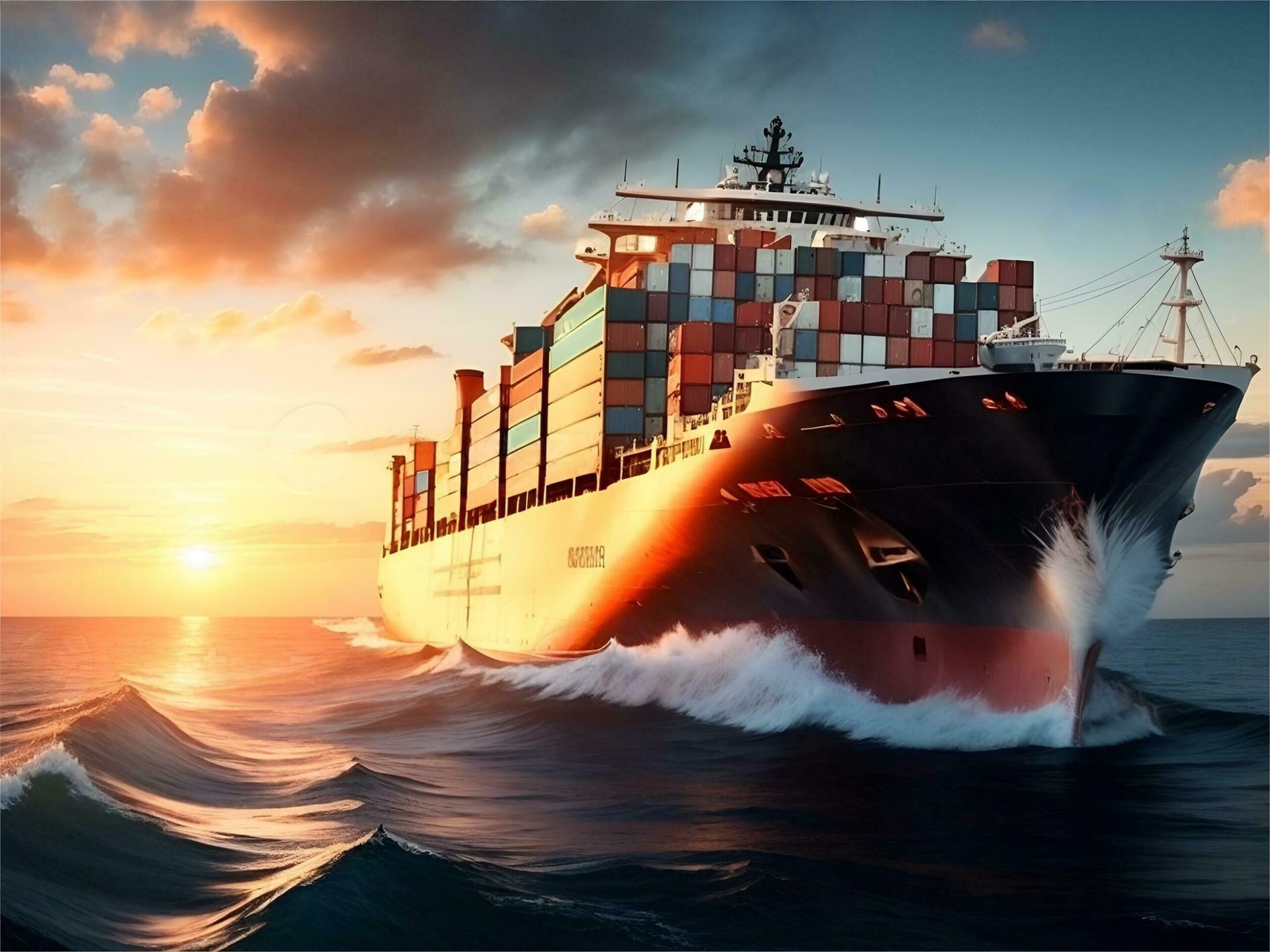
Full Container Load (FCL) shipping involves reserving an entire container exclusively for your cargo. This method is especially beneficial for businesses importing large volumes of goods, ensuring your products are sealed and transported securely. Moreover, it significantly reduces the risk of damage or loss compared to sharing container space.
Choosing FCL shipping from Shenzhen to Australia offers numerous advantages. Primarily, it provides greater control over your shipment’s transit time and handling. Furthermore, for substantial cargo, FCL is often more cost-effective per unit than Less than Container Load (LCL) options, making it the preferred choice for many importers. Therefore, understanding its benefits is crucial for optimizing your supply chain.
Key Factors Influencing FCL Shipping from Shenzhen to Australia
Several critical factors impact the efficiency and cost of your FCL shipping from Shenzhen to Australia. Firstly, freight rates fluctuate based on market demand, fuel prices, and carrier capacity. Consequently, understanding current logistics trends is vital for budgeting.
Secondly, transit time is a major consideration. Direct routes typically offer faster delivery schedules, whereas routes with transshipment points may take longer. Additionally, the specific ports of loading in Shenzhen (e.g., Yantian, Shekou) and discharge in Australia (e.g., Sydney, Melbourne, Brisbane) also influence overall transit durations. Lastly, customs regulations and documentation requirements play a significant role in preventing delays, underscoring the need for meticulous preparation.
How Does FCL Shipping Compare to Other Options?
When planning to import goods from China to Australia, evaluating various shipping methods is essential. While FCL shipping from Shenzhen to Australia is ideal for large volumes, other options might suit different needs. Therefore, a comprehensive comparison helps in making informed decisions for your specific cargo handling requirements.
Indeed, understanding the trade-offs between speed, cost, and capacity is paramount. For instance, air freight offers unparalleled speed but comes with a significantly higher price tag. Conversely, LCL shipping is economical for smaller shipments but involves longer transit times due to consolidation. Consequently, selecting the optimal method directly impacts your delivery schedule and overall logistics costs.
| Shipping Method | Cost Range | Transit Time | Best For | Limitations |
|---|---|---|---|---|
| FCL Sea Freight | $1,200-$2,500 (40HQ) | 12-18 days | Large volumes, cost-efficiency, secure cargo | Slower than air, port congestion risks |
| LCL Sea Freight | $50-$80 per CBM | 18-25 days | Small to medium shipments (under 15 CBM), budget-friendly | Longer transit, higher damage risk, less control |
| Air Freight | $5-$10 per kg | 3-7 days | Urgent, high-value, small shipments | Very high cost, volume/weight restrictions |
| Express Service | $8-$15 per kg | 2-5 days | Samples, documents, very small urgent parcels | Highest cost, strict size/weight limits |
Navigating the FCL Shipping Process: A Step-by-Step Guide
Successfully executing FCL shipping from Shenzhen to Australia requires a clear understanding of each procedural step. Initially, you must secure a booking with a reliable freight forwarder, specifying your container size and preferred shipping schedule. This early planning is crucial for smooth operations.
Subsequently, preparing accurate documentation, including the Bill of Lading, commercial invoice, and packing list, is mandatory. Proper paperwork ensures compliance with both Chinese export and Australian import regulations. Moreover, efficient customs brokerage is indispensable for swift clearance at both origin and destination ports. Finally, arranging inland transport from the factory to the port and from the Australian port to your warehouse completes the journey, ensuring seamless delivery.
Choosing the Best FCL Shipping Partner for Your Needs
Identifying the best FCL shipping partner for your Shenzhen to Australia route is pivotal for a successful import operation. A reputable freight forwarder offers not just competitive freight rates but also invaluable expertise in international logistics. Therefore, look for partners with a strong track record and transparent communication.
Consider their network, experience with the specific trade lane, and their ability to handle various cargo types. Furthermore, a good partner provides comprehensive sea freight services, including origin handling, vessel scheduling, and destination support. Ultimately, choosing an experienced and reliable logistics provider minimizes risks and optimizes your shipping costs.
Optimizing Your FCL Shipments: Tips and Strategies
Maximizing the efficiency of your FCL shipping from Shenzhen to Australia involves several strategic approaches. Firstly, ensure optimal container utilization by planning your cargo layout meticulously. Consequently, this can reduce dead space and potentially lower your per-unit shipping costs.
Secondly, strategic planning around peak seasons and holidays can help avoid surcharges and delays. For example, booking well in advance during Chinese New Year or pre-Christmas periods is advisable. Furthermore, negotiating favorable terms with carriers and considering marine insurance for added protection are smart financial moves. Implementing these strategies can significantly enhance your supply chain efficiency and reduce overall logistics expenses for importing goods from China to Australia.
Real-World FCL Shipping Success Stories
Examining actual case studies illustrates the practical application and benefits of well-managed FCL shipping from Shenzhen to Australia. These examples highlight how tailored logistics solutions can overcome common challenges, ensuring smooth and efficient delivery schedules. Indeed, understanding these scenarios provides valuable insights for your own import operations.
Case Study 1: Electronics Distributor to Sydney
A Sydney-based electronics distributor needed to import a large volume of consumer electronics from multiple suppliers in Shenzhen. The challenge was consolidating various products into a single FCL shipment while meeting a tight delivery schedule for a product launch. Our team provided comprehensive support, streamlining the entire process.
| Detail | Description |
|---|---|
| Route | Shenzhen (Yantian) -> Sydney, Australia |
| Cargo | Consumer Electronics, 60 CBM, 15,000 kg |
| Container | 1 x 40HQ |
| Shipping Details | Major Carrier (e.g., COSCO), Direct Service |
| Cost Breakdown | Ocean Freight: $1,650; Origin Charges: $450; Destination Charges: $380; Customs & Duties (estimated): $1,200; Total Landed Cost: $3,680 |
| Timeline | Booking to Loading: 5 days; Sea Transit: 14 days; Customs Clearance: 2 days; Total Door-to-Door: 21 days |
| Key Insight | Efficient consolidation and direct route selection saved 7-10 days compared to transshipment options, crucial for product launch timing. Based on Q3 2024 market rates. |
Case Study 2: Apparel Importer to Melbourne
An Australian apparel brand required a consistent supply of textile products from Shenzhen to Melbourne, focusing on cost-effectiveness and reliable delivery. The primary goal was to minimize shipping costs without compromising on the integrity of the delicate fabric shipments. We designed a solution tailored to their budget and product needs.
| Detail | Description |
|---|---|
| Route | Shenzhen (Shekou) -> Melbourne, Australia |
| Cargo | Textile Products, 65 CBM, 12,000 kg |
| Container | 1 x 40HQ |
| Shipping Details | Major Carrier (e.g., Maersk), Direct Service |
| Cost Breakdown | Ocean Freight: $1,780; Origin Charges: $480; Destination Charges: $410; Customs & Duties (estimated): $1,500; Total Landed Cost: $4,170 |
| Timeline | Booking to Loading: 6 days; Sea Transit: 16 days; Customs Clearance: 3 days; Total Door-to-Door: 25 days |
| Key Insight | Leveraged favorable off-peak season rates (early 2025) and optimized container packing to achieve significant cost savings while maintaining acceptable transit times. |
Case Study 3: Industrial Equipment to Brisbane
A manufacturing company in Brisbane needed to import specialized industrial machinery from a supplier near Shenzhen. The cargo was high-value and required careful handling and timely delivery to avoid production delays. Our team managed the complex logistics, ensuring safe and punctual arrival.
| Detail | Description |
|---|---|
| Route | Shenzhen (Yantian) -> Brisbane, Australia |
| Cargo | Industrial Machinery, 28 CBM, 22,000 kg |
| Container | 1 x 20GP (heavy cargo) |
| Shipping Details | Major Carrier (e.g., MSC), Direct Service |
| Cost Breakdown | Ocean Freight: $1,100; Origin Charges: $350; Destination Charges: $300; Customs & Duties (estimated): $2,500; Total Landed Cost: $4,250 |
| Timeline | Booking to Loading: 7 days; Sea Transit: 17 days; Customs Clearance: 2 days; Total Door-to-Door: 26 days |
| Key Insight | Specialized handling for heavy cargo and proactive communication mitigated potential port delays, ensuring critical machinery reached the client on schedule. Typical rates as of early 2025. |
Understanding Costs and Transit Times for Shenzhen to Australia FCL
When planning your FCL shipping from Shenzhen to Australia, a clear understanding of the financial and temporal aspects is essential. The total shipping cost encompasses various components beyond just the ocean freight. Therefore, a detailed breakdown helps in accurate budgeting for your import goods from China to Australia.
Typical transit times for FCL shipments from major Shenzhen ports (Yantian, Shekou) to key Australian ports like Sydney, Melbourne, and Brisbane generally range from 12 to 18 days for direct services. However, these times can extend during peak seasons or due to unforeseen port congestion. For comprehensive services, including inland transport and delivery, explore our shipping from China to Australia page.
Note: Freight rates are subject to change based on fuel costs, carrier capacity, and seasonal demand. Contact us for a current quote tailored to your specific shipment.
| Cost Component | Description | Typical Range (USD) |
|---|---|---|
| Ocean Freight | Base cost for container transport by sea | $800 – $2,000 (per container) |
| Origin Charges | Terminal handling, documentation, customs in Shenzhen | $300 – $500 |
| Destination Charges | Terminal handling, documentation, port fees in Australia | $300 – $600 |
| Customs & Duties | Australian import duties, taxes, processing fees | Varies widely (e.g., 5-15% of cargo value) |
| Inland Transport (Origin) | From factory to Shenzhen port | Varies (e.g., $100 – $400) |
| Inland Transport (Destination) | From Australian port to warehouse | Varies (e.g., $200 – $800) |
| Insurance | Cargo insurance premium | 0.1% – 0.5% of cargo value |
Addressing Common Challenges in FCL Shipping
Despite its advantages, FCL shipping from Shenzhen to Australia can present several challenges that importers must navigate. Port congestion, particularly at major hubs during peak seasons, can lead to unexpected delays. Furthermore, customs inspections, if not properly prepared for, can also prolong transit times and incur additional costs.
Moreover, accurate and complete documentation is paramount. Errors in paperwork can result in holds or penalties, significantly impacting your delivery schedule. Therefore, partnering with a logistics provider that offers robust door-to-door services can alleviate many of these burdens, providing end-to-end management and peace of mind. Proactive communication and experienced handling are key to overcoming these hurdles.
Your Partner for Best FCL Shipping from Shenzhen to Australia
In conclusion, selecting the best FCL shipping from Shenzhen to Australia involves careful consideration of costs, transit times, and service reliability. This guide has highlighted the critical factors, processes, and strategies for optimizing your full container load shipments. By understanding the nuances of international logistics and partnering with an experienced freight forwarder, you can ensure your goods arrive efficiently and cost-effectively.
Ultimately, a well-executed FCL shipping strategy contributes significantly to your business’s success. Therefore, leverage expert knowledge and comprehensive services to navigate the complexities of this crucial trade lane. We remain dedicated to supporting your import endeavors with unparalleled professionalism and efficiency.
Need a tailored shipping solution?
Ready to streamline your FCL shipping from Shenzhen to Australia? Contact our expert team today for a personalized quote and discover how our tailored logistics solutions can benefit your business. We are committed to providing reliable and efficient service for your valuable cargo.