

Air Freight from China to Australia Time: Your Essential Guide
Navigating international logistics can be complex, especially when time is critical for your business. Understanding the exact air freight from China to Australia time is crucial for effective supply chain planning. This comprehensive guide will demystify transit times, costs, and key factors influencing your shipment’s journey.
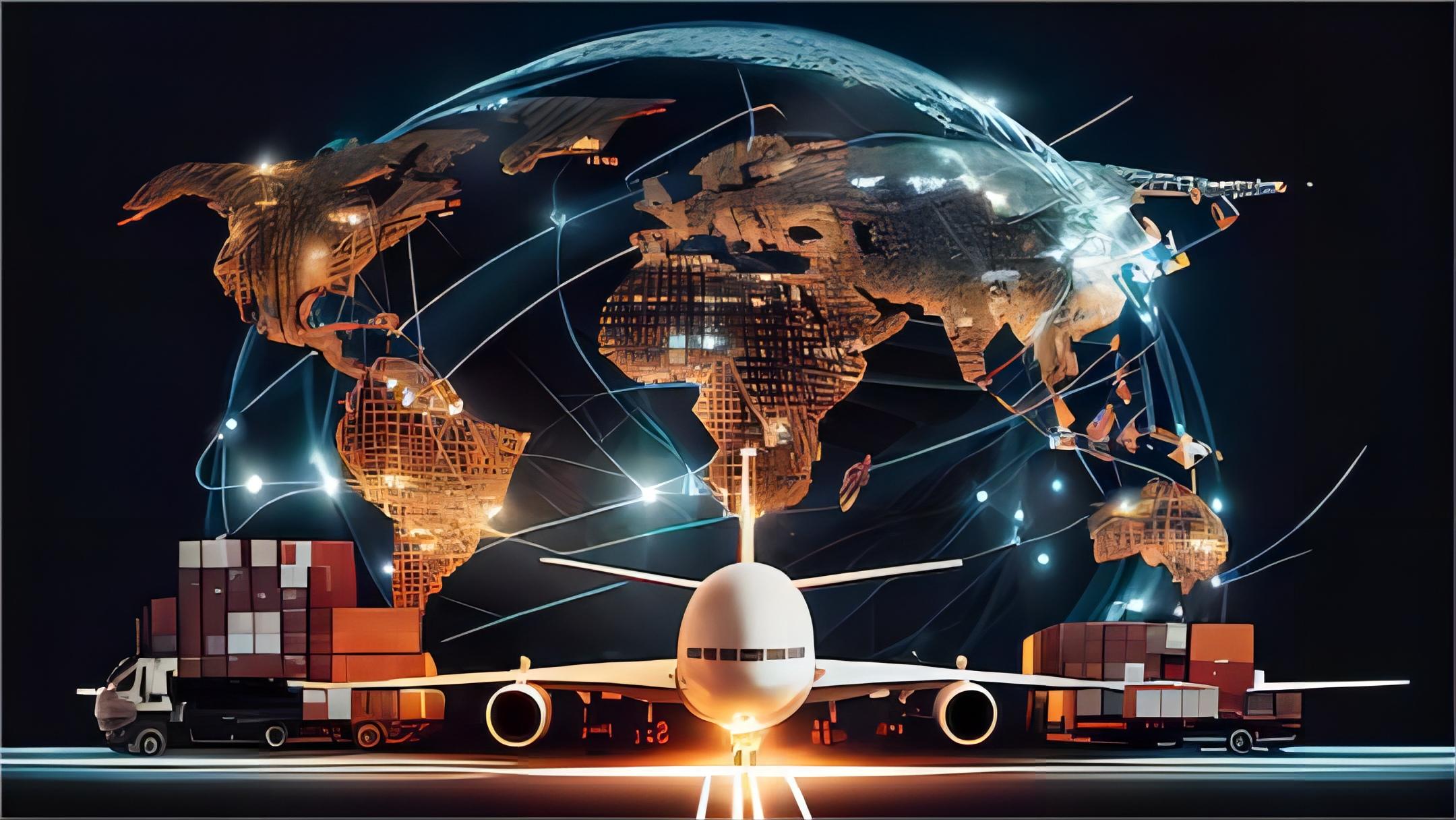
What Factors Influence Air Freight from China to Australia Time?
Determining the precise air freight from China to Australia time involves several interconnected variables. Each element plays a significant role in the overall transit duration. Understanding these factors helps in setting realistic expectations for your delivery schedules.
Consequently, careful consideration of each stage, from origin to final destination, is paramount. This proactive approach minimizes unforeseen delays and ensures a smoother shipping experience for your valuable cargo.
Distance and Route Efficiency
Geographical distance is a primary determinant of transit time. Flights from major Chinese hubs like Shanghai or Guangzhou to Australian cities often involve direct routes or minimal layovers. Therefore, direct flights significantly reduce overall travel time.
However, less common routes or smaller airports might necessitate additional transshipment points. Such connections, naturally, can add extra days to the delivery schedule. Optimizing the route is key for faster arrival.
Airline Capacity and Flight Schedules
The availability of cargo space on flights directly impacts how quickly your shipment departs. During peak seasons, capacity can be tight, leading to potential delays. Airlines operate on fixed schedules, which influences departure and arrival times.
Furthermore, unexpected flight cancellations or changes can disrupt the planned delivery. A reliable freight forwarder can often secure space even during busy periods. This expertise is invaluable for time-sensitive goods.
Customs Clearance Processes
Customs procedures in both China and Australia are critical checkpoints. Efficient customs brokerage is essential to prevent hold-ups. Incomplete or incorrect documentation can lead to significant delays, sometimes extending transit by several days.
Moreover, certain goods require specific permits or inspections, which adds to the processing time. Pre-clearing shipments where possible can considerably accelerate this stage. Accurate paperwork is non-negotiable for seamless entry.
Cargo Type and Handling Requirements
The nature of your cargo also influences handling and transit time. Perishable goods or hazardous materials require specialized handling and may have restricted flight options. This extra care can sometimes extend the overall delivery period.
Conversely, general cargo is usually processed more swiftly. Bulky or oversized items might also face limitations regarding aircraft type and available space. Consequently, proper classification and preparation are vital.
Weather Conditions and External Factors
Adverse weather conditions, such as typhoons or severe storms, can cause flight delays or cancellations. Such events are beyond human control but can significantly impact schedules. Airlines prioritize safety, sometimes leading to unavoidable interruptions.
Additionally, global events or unforeseen disruptions can also affect air traffic and airport operations. Therefore, building in a buffer for unexpected circumstances is always a prudent strategy. Flexibility is essential in international shipping.
Typical Transit Times for Air Freight from China to Australia
Generally, the air freight from China to Australia time is remarkably efficient. Most standard air cargo shipments can expect to arrive within a short timeframe. However, the exact duration depends on the specific origin and destination airports.
Indeed, express services offer even faster delivery, often prioritizing urgent consignments. It is important to distinguish between airport-to-airport transit and full door-to-door solutions. The latter includes pickup and final delivery, adding a few extra days.
| Origin City (China) | Destination City (Australia) | Typical Transit Time (Days) | Notes |
|---|---|---|---|
| Shanghai | Sydney/Melbourne | 3-5 | Direct flights common |
| Guangzhou | Sydney/Melbourne | 3-5 | Major cargo hubs |
| Shenzhen | Perth/Brisbane | 4-6 | May involve transshipment |
| Beijing | Adelaide | 4-7 | Often requires connections |
| Any major airport | Regional Australia | 5-9 | Includes domestic onward shipping |
How Does Air Freight Compare to Other Shipping Options?
When considering shipping from China to Australia, air freight is one of several viable options. Its advantages and disadvantages become clear when compared against alternatives. Evaluating your priorities, such as speed, cost, and cargo volume, is crucial for an informed decision.
Consequently, understanding the trade-offs between different modes of transport is vital for optimizing your supply chain. This section provides a comprehensive overview of how air freight stands against other common methods for this route.
| Shipping Method | Cost Range (per kg/CBM) | Transit Time (China-Australia) | Best For | Limitations |
|---|---|---|---|---|
| Air Freight | High (e.g., $4-8/kg) | 3-7 days | Urgent, high-value, perishable goods | Expensive, volume/weight restrictions |
| Sea Freight (FCL/LCL) | Low (e.g., $50-80/CBM) | 12-25 days | Large volumes, heavy, non-urgent cargo | Slow, longer lead times |
| Express Service | Very High (e.g., $8-15/kg) | 1-3 days | Small, urgent, high-value parcels | Very expensive, strict size/weight limits |
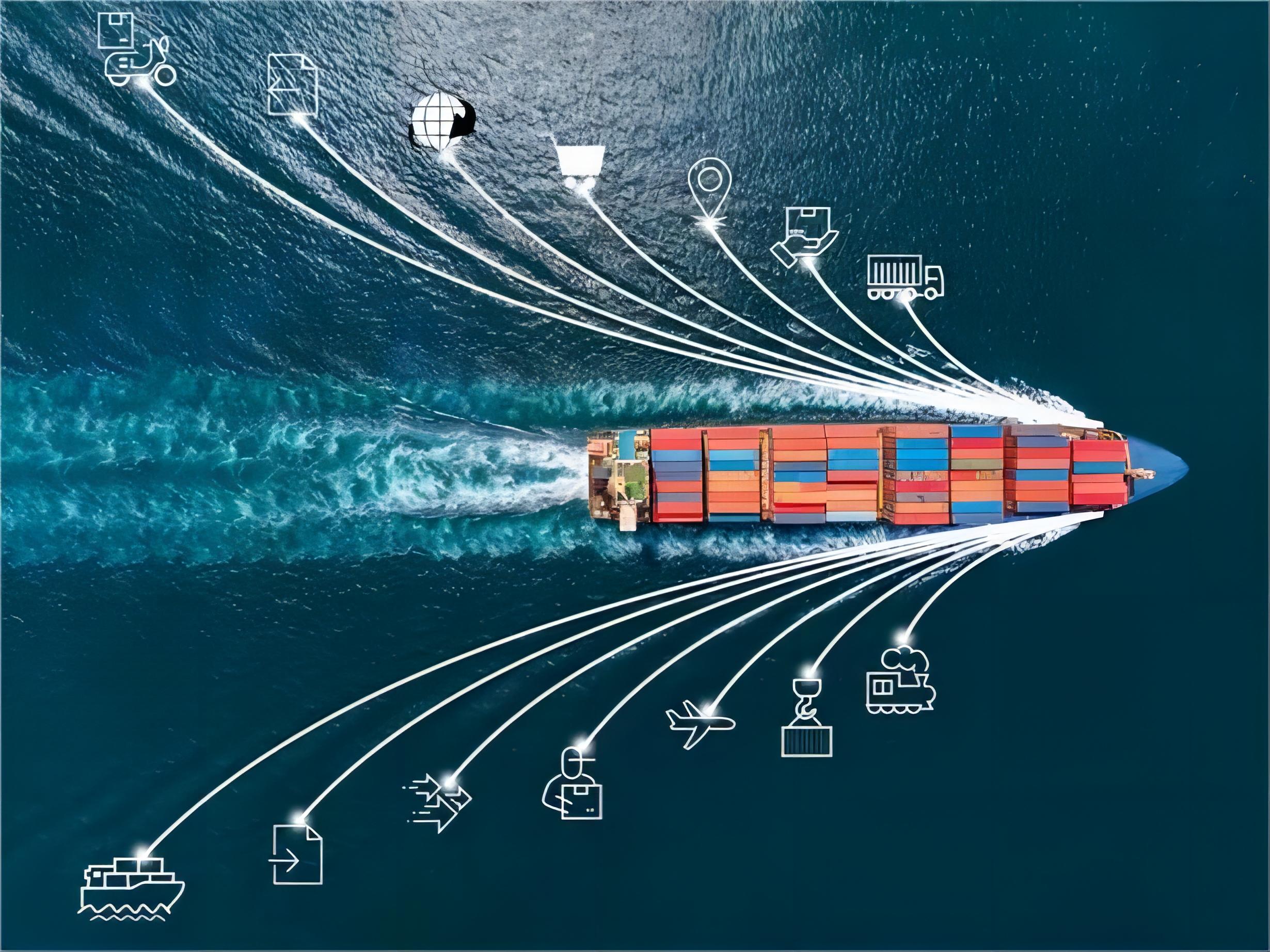
Sea Freight: Cost-Effective for Bulk
For large volumes and non-urgent shipments, sea freight is typically the most economical choice. While sea transit from China to Australia can take 12-25 days, the cost per unit is significantly lower than air freight. This makes it ideal for heavy or bulky goods.
However, the extended transit time requires meticulous planning and larger inventory holding. It remains the backbone for many global supply chains, especially for durable consumer goods and raw materials. Consider LCL for smaller volumes.
Express Service: Fastest for Small Parcels
Express service, often handled by integrators like DHL, FedEx, or UPS, offers the fastest transit times, sometimes as low as 1-3 days. This method is generally for smaller, high-value, or extremely urgent parcels. It includes door-to-door delivery and integrated customs clearance.
Nevertheless, express service comes with a premium price tag, making it less suitable for larger or less time-critical shipments. It is invaluable for samples, documents, or emergency parts. The convenience and speed are unparalleled for specific needs.
Understanding Air Freight Costs from China to Australia
The cost of air freight from China to Australia is not just a single figure; it comprises several components. These costs fluctuate based on market conditions, fuel surcharges, and carrier availability. Therefore, obtaining a detailed quote is always recommended.
Based on current market rates as of early 2025, air freight costs can range significantly. Factors such as the weight and volume of your cargo, along with the service level chosen, directly influence the final price. This complexity necessitates a clear understanding of the breakdown.
Key Cost Components
Firstly, the air freight charge itself is based on either actual weight or volumetric weight, whichever is greater. This is often calculated in dollars per kilogram. Additionally, fuel surcharges, security fees, and terminal handling charges (THC) at both origin and destination airports are standard.
Moreover, there are charges for customs clearance, documentation, and potentially storage if there are delays. For air freight services that offer door-to-door, local pickup and delivery fees also apply. These add to the overall landed cost of your goods.
Factors Affecting Price
Several variables cause air freight rates to fluctuate. Peak seasons, such as Christmas or Chinese New Year, generally see higher demand and increased prices. Similarly, sudden shifts in global supply chain logistics, like port congestion or capacity shortages, can drive up rates.
Furthermore, the type of goods, hazardous materials requiring special handling, or oversized cargo will incur additional costs. The specific airline chosen and the speed of service (e.g., economy vs. priority) also play a significant role in pricing. Always request a current quote.
Optimizing Your Air Freight Shipments
To ensure the most efficient and cost-effective air freight from China to Australia time, strategic planning is essential. Proper preparation and selection of partners can significantly streamline the process. Consequently, optimizing each step leads to better outcomes and reduced stress.
Indeed, proactive management of your logistics can mitigate potential issues before they arise. This includes careful attention to documentation, packaging, and carrier selection. A well-executed shipping plan saves both time and money in the long run.
Choosing the Right Forwarder
Partnering with an experienced and reputable freight forwarder is paramount. A good forwarder possesses extensive networks, negotiating power, and expertise in international regulations. They can secure better rates and ensure smooth transit.
Moreover, they can provide valuable insights into optimal routes and customs requirements. Look for a forwarder with proven experience on the China-Australia lane. Their knowledge is key to avoiding common pitfalls and achieving reliable delivery.
Documentation and Compliance
Accurate and complete documentation is critical for avoiding customs delays. This includes commercial invoices, packing lists, air waybills, and any necessary permits or certificates. Errors can lead to significant hold-ups and additional charges.
Therefore, double-checking all paperwork before shipment departure is a simple yet effective step. Staying compliant with both Chinese export and Australian import regulations prevents costly penalties. Attention to detail here is non-negotiable.
Packaging and Preparation
Proper packaging protects your goods during transit and can also optimize space utilization. Securely packed and clearly labeled cargo is less prone to damage and easier for handlers to process. This contributes to a smoother logistical flow.
Furthermore, ensuring your cargo dimensions and weight are accurately declared prevents discrepancies that could lead to delays or unexpected fees. Effective preparation before dispatch is fundamental for a trouble-free journey. It’s an investment in efficiency.

Real-World Scenarios: Air Freight from China to Australia
Examining actual case studies provides practical insights into the complexities and outcomes of air freight shipments. These examples highlight how various factors influence the air freight from China to Australia time and costs. They offer a glimpse into real-world logistics challenges and solutions.
Consequently, understanding these scenarios can help businesses anticipate potential issues and plan more effectively. The following cases are based on typical rates and transit times observed in Q4 2024, illustrating common shipping situations.
Case Study 1: Urgent Electronics Shipment
This scenario involved a client needing to replenish high-value electronics quickly due to unexpected demand. Speed was the absolute priority over cost. The rapid transit ensured minimal disruption to their sales pipeline, justifying the higher expense.
| Detail | Value |
|---|---|
| Route | Shenzhen, China Sydney, Australia |
| Cargo | Consumer Electronics, 2 CBM, 450 kg |
| Shipping Method | Priority Air Cargo |
| Carrier/Service | Major airline via direct flight |
| Port of Loading | Shenzhen Bao’an International Airport (SZX) |
| Port of Discharge | Sydney Airport (SYD) |
| Route Type | Direct |
| Air Freight Cost | $3,600 (approx. $8/kg volumetric) |
| Origin Charges | $250 |
| Destination Charges | $300 |
| Customs & Duties (est.) | $450 |
| Total Landed Cost | $4,600 |
| Booking to Loading | 1 day |
| Air Transit | 2 days |
| Customs Clearance | 1 day |
| Total Door-to-Airport | 4 days |
| Key Insight | Prioritizing speed for high-demand, high-value goods is feasible with priority air freight. |
Case Study 2: Fashion Apparel for Seasonal Launch
A fashion retailer needed to receive a new clothing line before a major seasonal launch. They required a balance of speed and manageable cost for a moderate volume. Standard air freight provided the necessary speed without the premium of express service, meeting their market window effectively.
| Detail | Value |
|---|---|
| Route | Guangzhou, China Melbourne, Australia |
| Cargo | Seasonal Apparel, 5 CBM, 800 kg |
| Shipping Method | Standard Air Cargo |
| Carrier/Service | Major carrier via transshipment (e.g., Singapore) |
| Port of Loading | Guangzhou Baiyun International Airport (CAN) |
| Port of Discharge | Melbourne Airport (MEL) |
| Route Type | Transshipment via Singapore |
| Air Freight Cost | $4,400 (approx. $5.5/kg volumetric) |
| Origin Charges | $300 |
| Destination Charges | $350 |
| Customs & Duties (est.) | $600 |
| Total Landed Cost | $5,650 |
| Booking to Loading | 2 days |
| Air Transit | 4 days |
| Customs Clearance | 1 day |
| Total Door-to-Airport | 7 days |
| Key Insight | Standard air freight with a transshipment can offer a good balance of speed and cost for non-extreme urgency. |
Which Shipping Option Should You Choose?
Selecting the optimal shipping method for your goods from China to Australia depends entirely on your specific business needs. There is no one-size-fits-all solution in international logistics. Hence, a clear decision framework is essential for making the right choice.
Evaluating your priorities across budget, speed, and cargo characteristics will guide you toward the most suitable option. This systematic approach ensures that your supply chain operates efficiently and effectively. Consider these key criteria carefully.
Prioritizing Speed and Urgency
If your primary concern is speed, especially for high-value, time-sensitive, or perishable items, air freight is the undisputed choice. For extremely urgent small parcels, an express service will deliver the fastest results. These methods drastically reduce the air freight from China to Australia time.
However, be prepared for a higher cost associated with this speed. The trade-off is often justified by avoiding production downtime, meeting tight deadlines, or capturing market opportunities quickly. Speed comes at a premium, but it can be worth the investment.
Balancing Cost and Efficiency
For businesses focused on cost-effectiveness, especially with larger volumes, sea freight offers a significant advantage. While slower, the per-unit cost is substantially lower. This method requires longer lead times and more extensive inventory management.
A hybrid approach, such as shipping the bulk via sea and a smaller, urgent portion via air, can also be considered. This strategy balances cost savings with timely delivery for critical components. It’s about optimizing the entire supply chain.
Considering Cargo Specifications
The type, size, and weight of your cargo are critical determinants. Very large, heavy, or hazardous materials often necessitate sea freight due to air cargo restrictions. Conversely, small, lightweight, or delicate items are well-suited for air or express delivery.
Furthermore, items requiring specific temperature control or specialized handling might lean towards particular carriers or methods. Always consult with your freight forwarder to assess the best option for your unique product. Their expertise is invaluable here.
Mastering Air Freight from China to Australia for Your Business
In conclusion, the air freight from China to Australia time is typically short, ideal for urgent or high-value shipments. While faster, it incurs higher costs than sea freight. Key factors like route, airline capacity, and customs procedures influence the final delivery schedule.
Choosing the right shipping partner and meticulously preparing documentation are paramount for a smooth process. Understanding these dynamics helps businesses manage logistics effectively, ensuring timely, efficient delivery of goods. Always get a current quote for precise rates.
Start Your Shipment
Ready to optimize your supply chain and get precise air freight from China to Australia time estimates? Contact us today for a personalized quote and expert guidance. Our team is here to streamline your international shipping process.
Request Quote