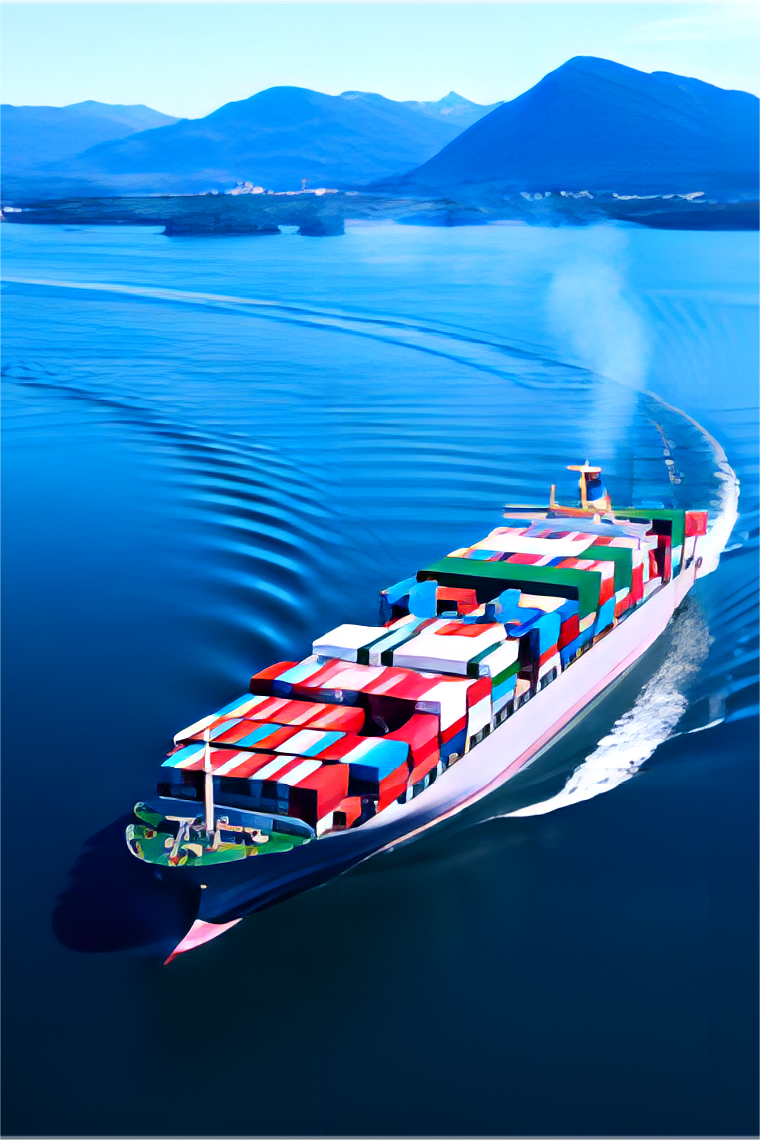
Customs Clearance Service China: 2026 Professional Logistics Guide
Navigating the complexities of international trade requires a robust strategy to manage regulations and avoid costly delays at the border. Many businesses struggle with evolving trade policies, but a professional customs clearance service china provides the necessary expertise to ensure smooth cargo movement. At Top China Forwarder, we specialize in bridging the gap between Chinese manufacturers and global markets through efficient logistics solutions.
✦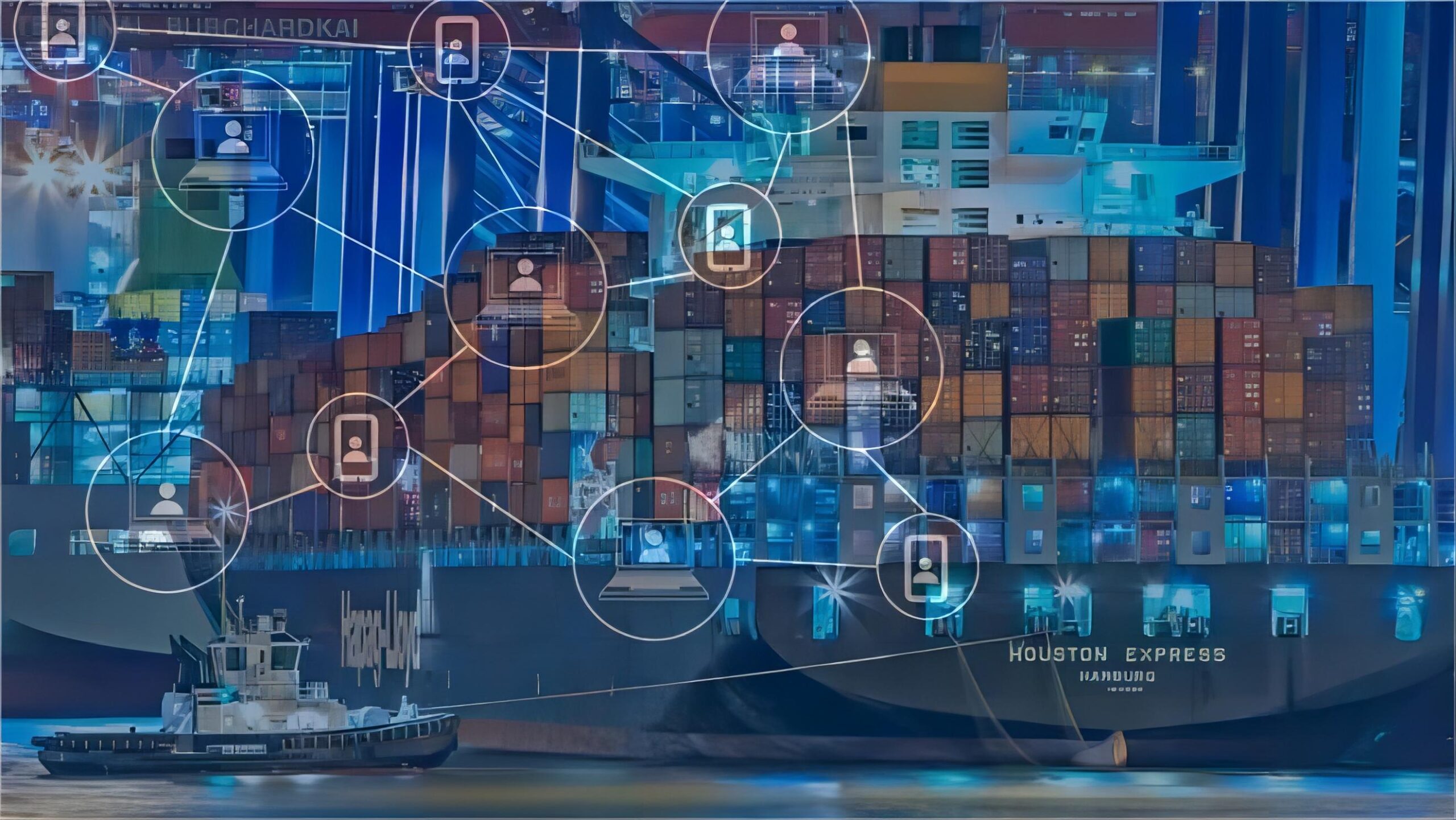
What is a Customs Clearance Service China?
A customs clearance service China acts as the essential intermediary between your business and the General Administration of Customs of the People’s Republic of China. Moreover, these professionals handle the intricate details of HS code classification, which determines the specific duty rates and regulatory requirements for your goods. Consequently, using an experienced provider reduces the risk of cargo seizures or heavy fines that arise from incorrect documentation.
Choosing a reliable customs brokerage partner ensures that your commercial invoices and packing lists comply with the latest 2026 standards. Furthermore, these experts monitor real-time changes in trade agreements and tariff schedules to optimize your landed costs. Indeed, a proactive approach to compliance is the foundation of a resilient global supply chain.
How Does Customs Clearance Service China Compare to Other Shipping Options?
Evaluating different transport modes is vital for balancing speed and budget in the current 2026 market environment. For instance, while air transport offers unparalleled speed, sea transport remains the most economical choice for high-volume shipments. Additionally, rail options have gained popularity for inland European destinations due to their stability and moderate pricing.
Each method requires a specific approach to customs handling to prevent bottlenecks at the point of entry. Therefore, understanding the trade-offs between cost, transit time, and reliability will help you make an informed decision for your specific cargo type.
| Shipping Method | Cost Range | Transit Time | Best For | Limitations |
|---|---|---|---|---|
| Sea Freight | $1,500 – $4,500 | 18 – 40 Days | Bulk goods and FCL | Slow transit speed |
| Air Freight | $5.00 – $12.00/kg | 3 – 7 Days | High-value items | Expensive for heavy cargo |
| Rail Freight | $2,000 – $5,000 | 15 – 22 Days | Europe-bound cargo | Limited to rail networks |
| Express Service | $8.00 – $20.00/kg | 2 – 5 Days | Small samples/parcels | Highest overall cost |
Essential Documents for Seamless Customs Clearance
Documentation serves as the backbone of every successful import and export transaction involving Chinese ports. Specifically, the Bill of Lading, Commercial Invoice, and Packing List are the primary documents required for every shipment. Meanwhile, certain commodities like electronics or chemicals may require additional certificates such as CCC or MSDS to pass inspection.
Accuracy in these documents is non-negotiable because even a minor typo can lead to significant transit delays. Accordingly, our team meticulously reviews every piece of paperwork before submission to ensure it meets the rigorous standards of the customs authorities. Without a doubt, proper documentation is the fastest way to clear your goods through the green channel.
The Role of HS Codes in Duty Calculation
Harmonized System codes are used globally to categorize products and determine the applicable taxes. Nevertheless, misclassification is a common error that leads to overpaying duties or facing legal penalties. Therefore, our experts verify your product specifications to assign the most accurate code possible.
Understanding the Step-by-Step Process in 2026
The process begins with the preparation of the export declaration once the goods are ready at the factory. Subsequently, the sea freight or air carrier receives the cargo and issues the transport documents. Meanwhile, the customs broker submits the electronic entry to the customs system for risk assessment.
If the system flags the shipment for inspection, officers will physically examine the cargo to verify its contents against the declaration. However, most shipments from reputable forwarders pass through without physical intervention. Finally, once the duties are paid and the release order is issued, the cargo can proceed to its final destination.
Real Case Studies: Successful Logistics Operations
Examining real-world examples provides valuable insights into how professional logistics management overcomes common hurdles. These cases reflect the actual market conditions and pricing observed in early 2026. For example, a recent electronics shipment to Europe demonstrated the efficiency of combined rail and road transport.
Another case involving large-scale machinery to North America highlighted the importance of pre-clearing documents to avoid port storage fees. These scenarios illustrate that planning and expertise are the keys to maintaining a predictable delivery schedule.
Case Study 1: Electronics Distribution to Europe
+———————————————————+ | Route: Shenzhen, China to Hamburg, Germany | | Cargo: Consumer Electronics, 12 CBM, 2400 kg | | Container: LCL 12 CBM | | | | Shipping Details: | | – Carrier/Service: Major Ocean Carrier | | – Port of Loading: Shenzhen | | – Port of Discharge: Hamburg | | – Route Type: Direct | | | | Cost Breakdown: | | – Ocean Freight: $980 | | – Origin Charges: $350 | | – Destination Charges: $420 | | – Customs and Duties: $1,250 | | – Total Landed Cost: $3,000 | | | | Timeline: | | – Booking to Loading: 3 days | | – Sea Transit: 32 days | | – Customs Clearance: 2 days | | – Total Door-to-Door: 40 days | | | | Key Insight: Early HS code verification saved 15% duty | +———————————————————+
Case Study 2: Fast-Track Apparel to USA
+———————————————————+ | Route: Shanghai, China to Los Angeles, USA | | Cargo: Textile Goods, 500 kg | | Container: Air Freight | | | | Shipping Details: | | – Carrier/Service: Premium Air Cargo | | – Port of Loading: Shanghai PVG | | – Port of Discharge: Los Angeles LAX | | – Route Type: Direct | | | | Cost Breakdown: | | – Air Freight: $3,250 | | – Origin Charges: $150 | | – Destination Charges: $200 | | – Customs and Duties: $850 | | – Total Landed Cost: $4,450 | | | | Timeline: | | – Booking to Loading: 1 day | | – Air Transit: 14 hours | | – Customs Clearance: 1 day | | – Total Door-to-Door: 4 days | | | | Key Insight: Use of Express Service for urgent restock | +———————————————————+
Decision Framework: Which Option Should You Choose?
Selecting the right strategy depends on your specific business priorities and the nature of your goods. If budget is your primary concern, sea freight is typically the most sustainable long-term option. Conversely, if you are dealing with perishable items or tight deadlines, air freight is necessary despite the higher costs.
For shipments that require a balance of both, consider a door to door service that manages the entire process from factory to warehouse. Furthermore, businesses shipping to Central Asia or Europe should evaluate rail freight as a reliable alternative to ocean transport. Ultimately, the best choice aligns with your inventory turnover and profit margins.
| Priority | Recommended Method | Key Criteria | 2026 Trend |
|---|---|---|---|
| Lowest Cost | Sea Freight (FCL) | Volume > 15 CBM | Rates stabilizing |
| Maximum Speed | Air Freight | Time-sensitive | Increased capacity |
| Reliability | Rail Freight | Inland destinations | Consistent schedule |
| Convenience | Door to Door | Small/Medium Biz | Simplified pricing |
Common Challenges in China Customs Brokerage
Language barriers and time zone differences often complicate the communication between importers and Chinese officials. Moreover, the frequent updates to environmental regulations in 2026 mean that packaging materials must now meet stricter sustainability standards. Consequently, failing to stay updated on these nuances can lead to unexpected cargo inspections.
Another significant challenge is the accurate valuation of goods for tax purposes. Indeed, customs authorities are increasingly vigilant about under-invoicing, which can result in severe penalties and blacklisting. Therefore, working with a transparent partner who insists on honest declarations is the only way to protect your business reputation.
Cost Factors and 2026 Market Trends
Freight rates from China have shown a trend toward stabilization in early 2026 following the disruptions of previous years. However, seasonal peaks such as the period leading up to the Lunar New Year still cause temporary price surges. Additionally, fuel surcharges remain a variable factor that can affect your total shipping costs.
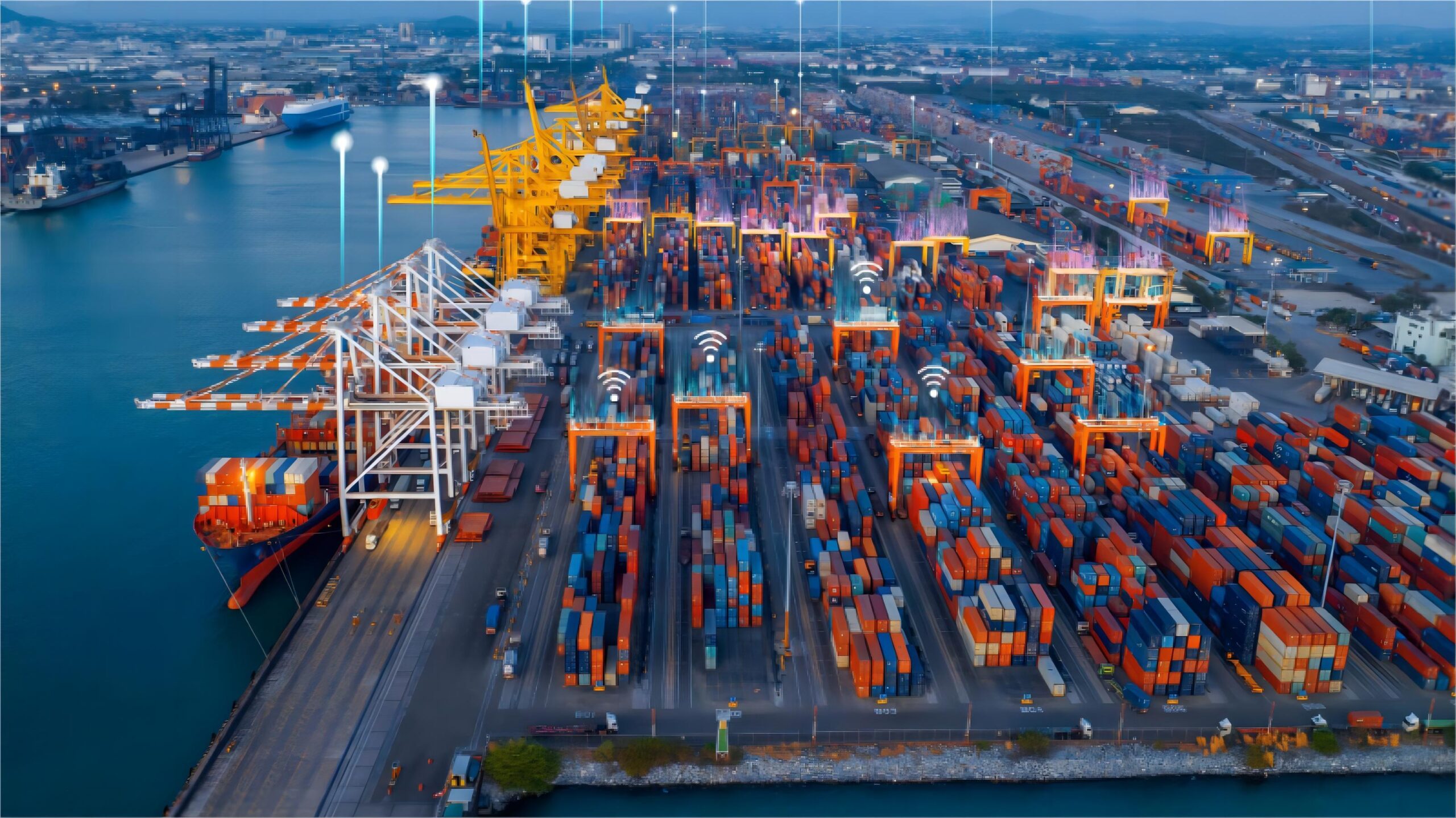
Digitalization is the most prominent trend in the 2026 logistics landscape. For instance, automated customs filing systems are now standard, significantly reducing the time required for data entry and processing. As a result, companies that embrace these technological advancements enjoy faster clearance times and lower administrative overhead.
Note: Freight rates are subject to change based on fuel costs, carrier capacity, and seasonal demand. Contact us for a current quote tailored to your specific shipment.
Mastering Your Supply Chain with Expert Customs Clearance
Successfully managing a customs clearance service china is essential for any business looking to thrive in the global marketplace. By understanding the documentation requirements and choosing the right transport mode, you can minimize risks and maximize efficiency. Furthermore, staying informed about market trends and regulatory changes ensures that your logistics strategy remains competitive.
Top China Forwarder is dedicated to providing transparent, efficient, and cost-effective solutions for all your shipping needs. Whether you are moving small parcels or full containers, our team is here to support your growth every step of the way. Invest in professional customs brokerage today to secure the future of your international operations.