

China FBA Shipping Rates 2026: The Ultimate Cost Guide
Navigating the complexities of china fba shipping rates is essential for maintaining healthy profit margins in 2026. As global trade dynamics evolve, understanding how to balance speed and cost becomes a competitive advantage for Amazon sellers. Consequently, this guide provides a deep dive into current logistics trends and pricing structures to help you optimize your supply chain efficiently.

Why China FBA Shipping Rates Matter for Your Business
Shipping costs often represent the largest variable expense for Amazon sellers sourcing products from overseas. Specifically, fluctuations in fuel prices and carrier demand can significantly impact your landed cost per unit.
Understanding current market trends allows you to budget more accurately for the upcoming quarters. Furthermore, selecting the right shipping method ensures your inventory arrives at Amazon fulfillment centers before peak shopping events.
Managing these logistics effectively requires a clear view of the total cost of ownership. Therefore, sellers must analyze more than just the base freight price to include duties and local handling fees.
How Does Sea Freight Compare to Other Shipping Options?
While sea freight remains the most popular choice for large volumes, it requires the longest lead times. In 2026, many sellers utilize ocean transport to move bulky items or high-density goods that would be cost-prohibitive by air.
Moreover, sea freight offers two primary modes: Full Container Load (FCL) and Less than Container Load (LCL). Choosing between them depends entirely on your total shipment volume and urgency.
For shipments exceeding 15 cubic meters, FCL is generally more economical and faster because it avoids the consolidation process. In contrast, LCL serves small-to-medium enterprises that cannot fill an entire container but still want to benefit from ocean rates.
| Shipping Method | Cost Range | Transit Time | Best For | Limitations |
|---|---|---|---|---|
| Sea Freight (FCL) | $2,500 – $4,500 per 40HQ | 18 – 35 Days | High volume inventory | Slowest transit speed |
| Air Freight | $4.50 – $8.50 per kg | 5 – 9 Days | High-value electronics | Very expensive for bulk |
| Rail Freight | $1,200 – $2,200 per 20GP | 18 – 25 Days | European destinations | Limited to land routes |
| Express Shipping | $7.00 – $12.00 per kg | 3 – 5 Days | Urgent restocks | Highest overall cost |
Evaluating Air Freight for High-Value Cargo
When speed is the primary priority, air freight provides the fastest reliable connection between China and Amazon warehouses. This method is particularly useful for launching new products or responding to unexpected spikes in consumer demand.
Indeed, air transport reduces the risk of damage and theft due to shorter handling times at airports. However, the cost per kilogram is significantly higher than sea or rail alternatives.
Market data suggests that air freight rates in 2026 have remained stable but sensitive to seasonal peaks like Black Friday. Consequently, booking your space at least two weeks in advance is highly recommended.
Rail Freight: The Middle Ground for European Sellers
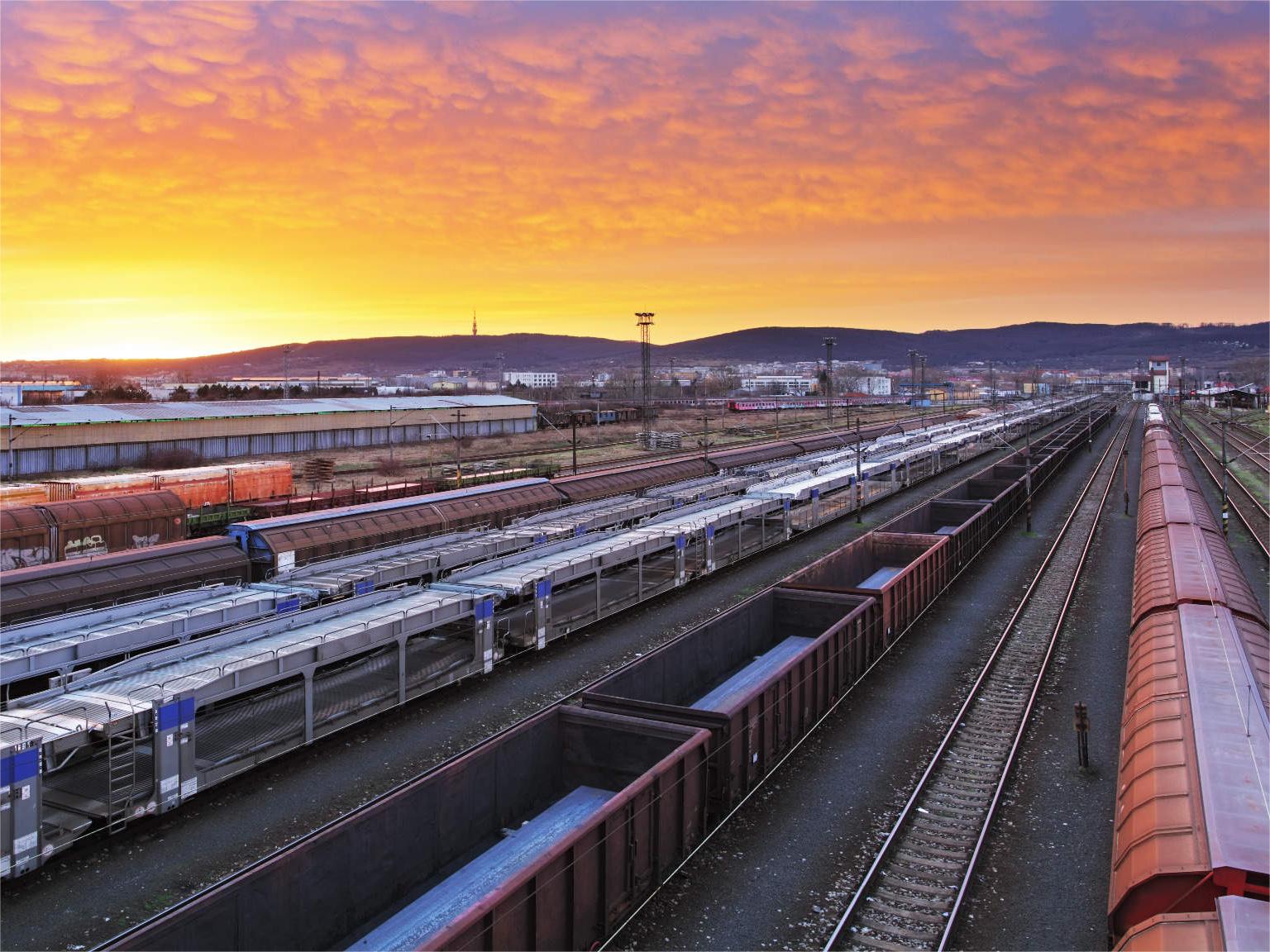
For shipments heading to the Europe region, rail freight offers a strategic balance between cost and speed. It is approximately 50% faster than sea freight and 60% cheaper than air freight.
Additionally, the expanding rail network across Central Asia has improved reliability for Amazon FBA sellers in Germany, Poland, and France. This method is ideal for medium-weight goods that are too heavy for air but too urgent for sea.
Nevertheless, rail freight is subject to geopolitical stability and weather conditions along the northern routes. Sellers should always have a contingency plan involving sea-air hybrid solutions during winter months.
Key Factors Affecting China FBA Shipping Rates in 2026
Several variables influence the final price you pay for logistics services. For instance, the weight and volume of your cargo determine whether you are charged based on actual weight or volumetric weight.
Fuel surcharges also play a critical role, as they fluctuate based on global oil prices throughout the year. In addition, peak season surcharges typically apply from August through October as retailers prepare for the holidays.
Customs duties and taxes must also be factored into your landed cost calculations. Without a doubt, working with an experienced partner can help you navigate these complex fee structures effectively.
Case Study 1: Shipping Electronics to the USA
Case Study 1: High-Volume Electronics Restock
Route: Shenzhen, China to Los Angeles, USA. Cargo: 1,200 kg of smart home devices. Method: Sea Freight LCL.
Shipping Details: Carrier: Major ocean carrier. Port of Loading: Shenzhen. Port of Discharge: Los Angeles. Route Type: Direct.
Cost Breakdown: Ocean Freight: $1,450. Origin Charges: $350. Destination Charges: $550. Customs and Duties: $1,800. Total Landed Cost: $4,150.
Timeline: Booking to Loading: 4 days. Sea Transit: 16 days. Customs Clearance: 3 days. Total Door-to-Door: 23 days.
Key Insight: Using sea freight for this heavy shipment saved the seller over $6,000 compared to air freight quotes for the same period.

Case Study 2: Shipping Home Goods to Europe
Case Study 2: Seasonal Apparel Launch
Route: Ningbo, China to Hamburg, Germany. Cargo: 15 CBM of cotton textiles. Method: Rail Freight LCL.
Shipping Details: Carrier: China-Europe Railway Express. Port of Loading: Ningbo (via rail hub). Port of Discharge: Hamburg. Route Type: Direct Rail.
Cost Breakdown: Rail Freight: $2,100. Origin Charges: $400. Destination Charges: $650. Customs and Duties: $2,400. Total Landed Cost: $5,550.
Timeline: Booking to Loading: 6 days. Rail Transit: 20 days. Customs Clearance: 4 days. Total Door-to-Door: 30 days.
Key Insight: Rail freight allowed the seller to meet their launch date while maintaining a lower cost-per-unit than air cargo.
Which Option Should You Choose? Decision Framework
Selecting the optimal shipping method requires a clear understanding of your business priorities. If your primary concern is the lowest possible cost, sea freight is almost always the winner for shipments over 200kg.
On the other hand, if you are facing a stock-out situation, the high cost of air freight is justified by the revenue saved from staying in stock. Meanwhile, rail freight serves as a perfect compromise for non-urgent European shipments.
Cargo type also dictates the method; for example, hazardous materials or batteries may have restricted options. Always consult with your forwarder to ensure compliance with international safety regulations.
| Priority | Recommended Method | Volume Threshold | Transit Goal |
|---|---|---|---|
| Budget | Sea Freight | Over 2 CBM | 30+ Days |
| Speed | Air Freight | Under 500 kg | Under 10 Days |
| Balanced | Rail Freight | Any Size | 20-25 Days |
| Urgency | Express | Under 100 kg | Under 5 Days |
Essential Customs Documentation for FBA Shipments
Proper documentation is the backbone of smooth customs brokerage and clearance. Missing or incorrect paperwork can lead to expensive storage fees and delivery delays at the Amazon warehouse.
Specifically, you must provide a commercial invoice, a packing list, and a Bill of Lading for every shipment. Furthermore, if you are importing branded goods, you may need authorization letters to avoid trademark issues.
In 2026, digital filing has become the standard for most major ports. Therefore, ensuring your forwarder uses modern electronic data interchange systems will speed up the clearance process significantly.
Optimizing Door to Door Delivery for Amazon
Most successful sellers prefer door to door services to simplify their logistics chain. This comprehensive service covers everything from the factory pickup in China to the final delivery at the FBA center.
Consequently, you do not have to worry about coordinating between different carriers or handling local trucking in the destination country. Moreover, this approach often includes customs clearance, providing a truly hands-off experience for the importer.
While the upfront quote might seem higher, the reduction in administrative overhead and hidden fees usually results in better long-term value. Indeed, many sellers find that the peace of mind is worth the marginal increase in service cost.
Final Thoughts on 2026 Logistics Trends
Mastering china fba shipping rates requires a combination of strategic planning and market awareness. By comparing sea, air, and rail options, you can tailor your logistics strategy to match your specific budget and timeline needs.
As we move through 2026, staying flexible and informed will be your best defense against market volatility. Remember that the cheapest rate is not always the best value if it results in missed deadlines or damaged goods.
Note: Freight rates are subject to change based on fuel costs, carrier capacity, and seasonal demand. Contact us for a current quote tailored to your specific shipment.

Ready to streamline your logistics?
Ready to optimize your supply chain and secure the best china fba shipping rates for your next shipment? Contact our expert team today for a personalized quote and professional logistics advice. Send Inquiry: https://topchinaforwarder.com
Request Quote