

China to Amazon Fulfillment Center Shipping: 2026 Logistics Guide
Navigating the complexities of china to amazon fulfillment center shipping remains a significant hurdle for many e-commerce entrepreneurs in 2026. As global trade dynamics shift and consumer expectations for fast delivery grow, understanding the nuances of international logistics is more critical than ever. Working with a reliable partner like Top China Forwarder can streamline your supply chain and prevent costly delays at the border. This comprehensive guide provides actionable insights into managing your FBA inventory, from selecting the right freight method to ensuring your products meet strict Amazon compliance standards.
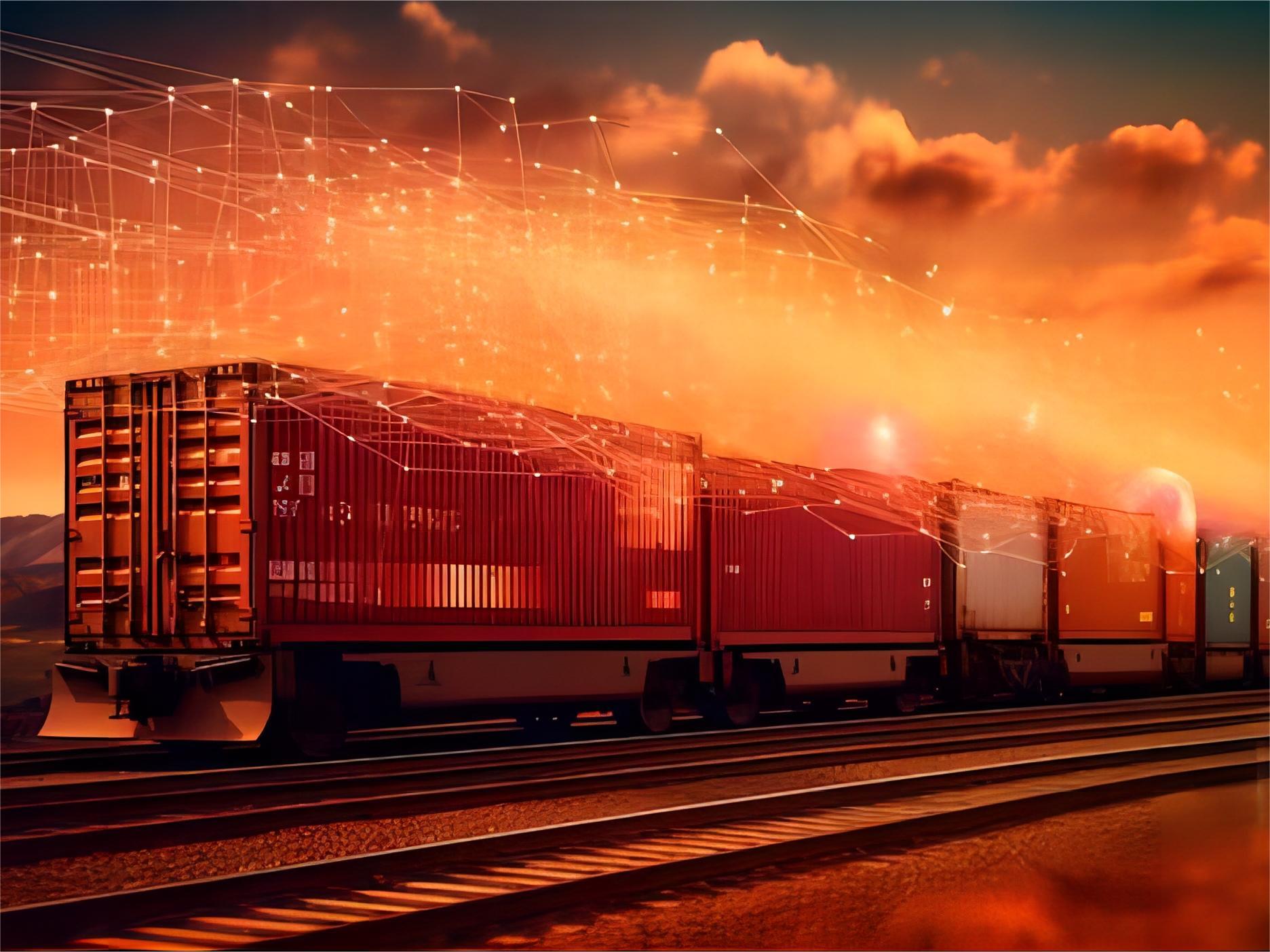
What is China to Amazon Fulfillment Center Shipping?
Shipping directly from Chinese manufacturers to Amazon warehouses involves a specialized logistical process known as FBA (Fulfillment by Amazon) shipping. This method requires precise coordination between the factory, the freight forwarder, and Amazon’s receiving centers.
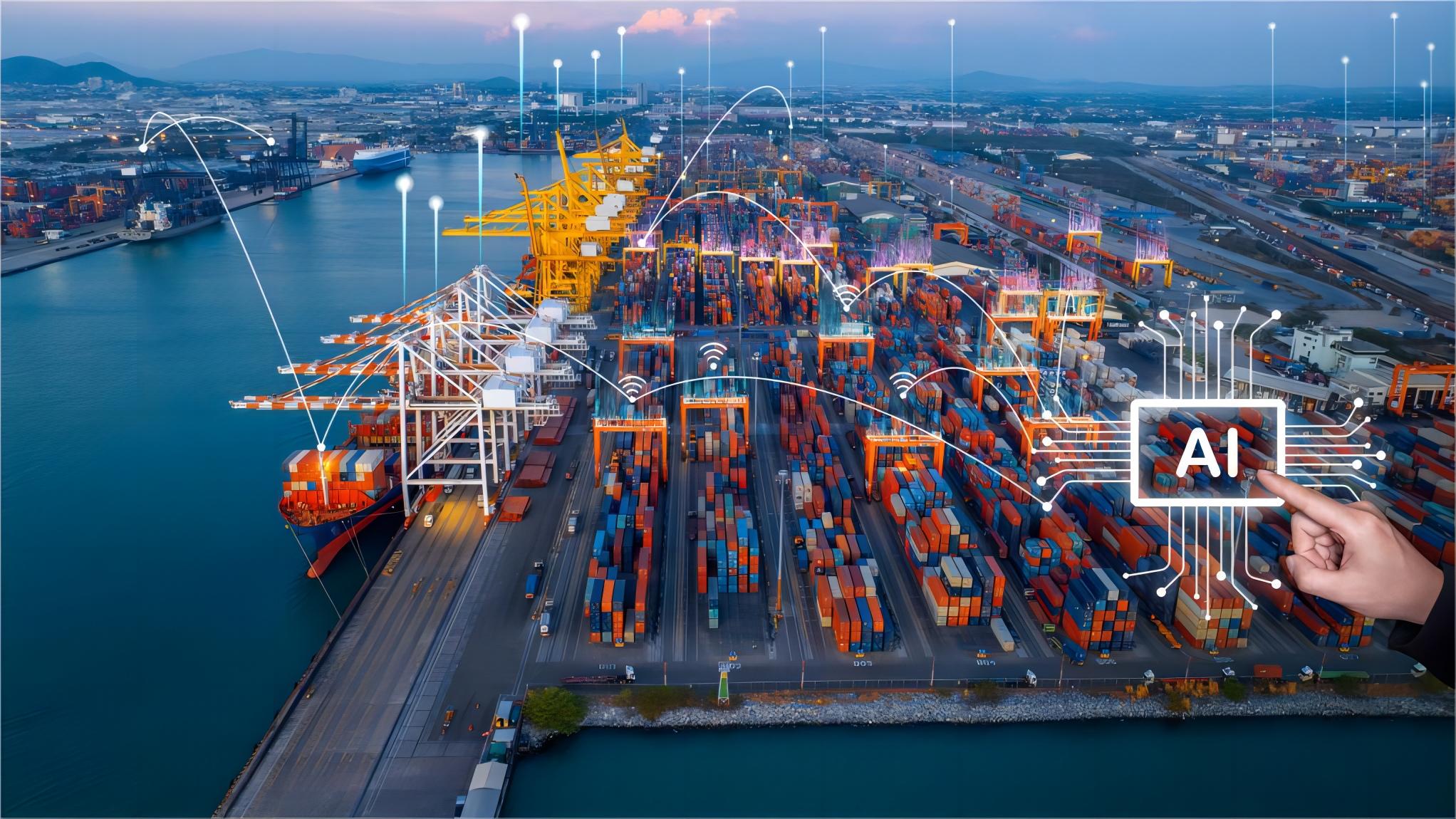
Sellers must ensure that every shipment complies with strict packaging, labeling, and palletization rules to avoid rejection at the fulfillment center. Consequently, choosing a forwarder with specific experience in Amazon’s requirements is essential for maintaining a healthy seller account.
Moreover, the process encompasses several stages, including factory pickup, export customs clearance, international transit, and final mile delivery. Each step presents unique challenges that can impact your overall profit margins if not managed correctly.
In 2026, the integration of digital tracking and automated customs filing has improved transparency for sellers. However, the physical movement of goods still relies on robust infrastructure and strategic planning to navigate peak seasons and potential disruptions.
How Does Sea Freight Compare to Other Shipping Options?
When evaluating sea freight for your Amazon inventory, you must weigh the significant cost savings against the longer transit times. For large volumes of heavy or bulky goods, ocean transport remains the most economical choice by a wide margin.
On the other hand, air freight offers unparalleled speed for high-value items or urgent restocks that cannot wait for a vessel. While the cost per kilogram is substantially higher, the reduction in lead time can prevent out-of-stock scenarios that hurt your Amazon ranking.
Furthermore, hybrid solutions like sea-air or rail-sea combinations have gained popularity in early 2026 as middle-ground alternatives. These methods provide a balance of moderate pricing and faster delivery than traditional ocean routes.
Additionally, small parcel express services are ideal for initial product launches or very small batches. These services handle the entire door-to-door process but come at a premium price point that may not be sustainable for high-volume scaling.
| Shipping Method | Cost Range | Transit Time | Best For |
|---|---|---|---|
| Sea Freight (FCL) | $3,000 – $4,500 | 25-40 Days | High volume, heavy goods |
| Air Freight | $5.00 – $9.00/kg | 5-9 Days | Urgent restocks, high value |
| Rail Freight | $1.50 – $2.50/kg | 18-25 Days | Mid-size Europe shipments |
| Express Service | $8.00 – $12.00/kg | 3-5 Days | Samples and small batches |
Understanding the Benefits of Air Freight for FBA
Utilizing air freight is often the best strategy for sellers dealing with lightweight products or high-margin electronics. Speed is the primary advantage here, allowing you to respond quickly to sudden spikes in consumer demand.
Moreover, air transport reduces the risk of damage and theft compared to longer sea voyages. The shorter time spent in transit also means your capital is tied up in inventory for a much shorter duration.
Nevertheless, you must account for the volumetric weight calculations used by airlines, which can significantly increase costs for bulky items. Therefore, optimizing your product packaging to reduce dead space is vital when shipping by air.
Indeed, many successful Amazon sellers use a split-shipping strategy where they send a small portion by air and the bulk by sea. This approach ensures they have stock available while waiting for the more cost-effective ocean shipment to arrive.
The Strategic Use of Rail Freight to Europe
For sellers targeting the European market, rail freight offers a compelling alternative to both sea and air. It provides a faster transit time than ocean vessels while being significantly cheaper than air transport.
Consequently, rail has become a staple for mid-sized shipments heading to Germany, France, and Poland in 2026. The stability of rail rates compared to the volatile ocean market makes it an attractive option for budget planning.
Furthermore, rail transport is considered more environmentally friendly than air or sea freight, which aligns with the growing consumer preference for sustainable brands. This can be a subtle but effective marketing advantage for your Amazon listing.
However, rail routes are subject to geopolitical stability and infrastructure maintenance along the trans-Eurasian corridors. Always check with your forwarder for the most current route availability and potential transit delays.
Navigating Customs Brokerage and Compliance
Successful china to amazon fulfillment center shipping depends heavily on efficient customs brokerage services. Incorrect documentation is one of the leading causes of shipment delays and unexpected storage fees at the port.
Therefore, you must ensure that your commercial invoice, packing list, and bill of lading are perfectly aligned. Additionally, specialized products like electronics or toys may require specific certifications such as FCC or CE markings for entry.
Moreover, using a DDP (Delivered Duty Paid) service can simplify the process significantly for Amazon sellers. Under DDP terms, the forwarder handles all taxes and duties, allowing the shipment to proceed directly to the fulfillment center without seller intervention.
Indeed, failing to account for anti-dumping duties or section 301 tariffs can evaporate your profit margins instantly. Always perform a thorough duty calculation before finalizing your product sourcing from China.
Transit Times and Regional Considerations for 2026
Shipping to North America usually involves different timelines depending on whether you are targeting West Coast or East Coast warehouses. West Coast ports like Los Angeles and Long Beach typically offer the fastest sea transit times from China.
On the other hand, shipping to the East Coast via the Panama Canal or Suez Canal can take an additional 10 to 15 days. Consequently, many sellers choose to ship to the West Coast and use Amazon’s internal network or third-party trucking for transcontinental movement.
Meanwhile, transit times to Europe have stabilized in early 2026, with most sea shipments arriving within 35 days. Rail options have also improved, often reaching central European hubs in just under three weeks.
In contrast, shipping to Australia is relatively fast due to its geographical proximity to China. Sea freight to major Australian ports typically takes between 12 and 18 days, making it one of the most efficient international routes.
| Destination Region | Sea Transit (Days) | Air Transit (Days) | Reliability Level |
|---|---|---|---|
| USA West Coast | 14-20 | 4-7 | High |
| USA East Coast | 28-35 | 5-8 | Medium |
| Western Europe | 30-38 | 5-9 | High |
| Australia | 12-18 | 3-6 | Very High |
Case Studies: Real-World FBA Shipping Scenarios
Case Study 1: Electronics to California
Route: Shenzhen, China to Los Angeles, USA. Cargo: 500 units of wireless headphones, 4 CBM, 850 kg. Method: LCL Sea Freight. Cost: $1,250 total landed. Transit Time: 22 days door-to-door. Key Insight: Consolidating multiple small orders into one LCL shipment saved the seller 30% compared to air express.
Case Study 2: Home Decor to Germany
Route: Ningbo, China to Hamburg, Germany. Cargo: Ceramic vases, 15 CBM, 2,200 kg. Method: Rail Freight. Cost: $3,100 total landed. Transit Time: 26 days door-to-door. Key Insight: Choosing rail over sea allowed the seller to meet a Q4 seasonal deadline that would have been missed by ocean transit.
Cost-Saving Strategies and Door to Door Efficiency
Implementing a door to door shipping strategy can significantly reduce the administrative burden on your business. This service covers everything from the factory floor to the Amazon dock, minimizing the risk of communication gaps.
Moreover, you can save money by optimizing your carton dimensions to fit perfectly on standard pallets. Amazon has strict rules regarding pallet height and weight, and exceeding these can lead to expensive rework fees.
Furthermore, consider using a third-party prep center in China if your manufacturer cannot meet Amazon’s labeling standards. This is often cheaper than paying Amazon’s own prep fees or fixing errors after the goods have reached the US or Europe.
Additionally, booking your shipments at least 2-3 weeks in advance can help you secure better freight rates. Last-minute bookings during peak seasons like the lead-up to Prime Day or Black Friday often come with heavy surcharges.
Which Option Should You Choose?
Deciding on the best china to amazon fulfillment center shipping method depends on your specific business priorities. If your primary goal is maximizing profit margins on non-urgent goods, sea freight is the clear winner.
However, if you are launching a new product and need to gain reviews quickly, air freight provides the speed necessary to maintain momentum. For those in between, rail freight or sea-air hybrids offer a balanced approach to cost and speed.
Without a doubt, the size and weight of your products will be the biggest hardware constraints on your choice. Always calculate the landed cost for at least two different methods before making a final decision.
Ultimately, the most successful Amazon sellers are those who maintain a flexible supply chain. Being able to pivot between different shipping methods allows you to navigate market fluctuations and keep your inventory levels optimized.
| Priority | Recommended Method | Volume Threshold | Key Trade-off |
|---|---|---|---|
| Lowest Cost | Sea Freight (LCL/FCL) | > 2 CBM | Longest transit time |
| Maximum Speed | Express / Air Freight | < 500 kg | Highest price point |
| Balanced Value | Rail Freight | 1-10 CBM | Limited to land routes |
| Small Batches | Express Courier | < 100 kg | Low margin per unit |
Final Thoughts on FBA Shipping Success
Mastering china to amazon fulfillment center shipping is a continuous process of optimization and adaptation. By understanding the various freight methods and staying compliant with Amazon’s evolving requirements, you can build a resilient and profitable e-commerce business.
Remember that the cheapest shipping option is not always the best if it results in stockouts or damaged goods. Focus on reliability and clear communication with your freight forwarder to ensure your inventory flows smoothly from China to the world’s largest marketplace.

Get Your Shipping Quote Today
Ready to optimize your china to amazon fulfillment center shipping? Contact our expert team today for a customized quote and let us handle the complexities of your FBA logistics.
Request Quote