

40HQ FCL Best Route for Textiles from China to Houston
Shipping high volumes of fabrics and garments requires a strategic approach to logistics to maintain profit margins. Selecting the 40HQ FCL best route for textiles from China to Houston is essential for businesses looking to optimize their supply chain. By partnering with a reliable partner like Top China Forwarder, importers can navigate the complexities of international trade with confidence. This guide explores the most efficient shipping lanes, cost-saving strategies, and operational tips for your textile cargo.
Why the 40HQ FCL Best Route for Textiles from China to Houston Matters
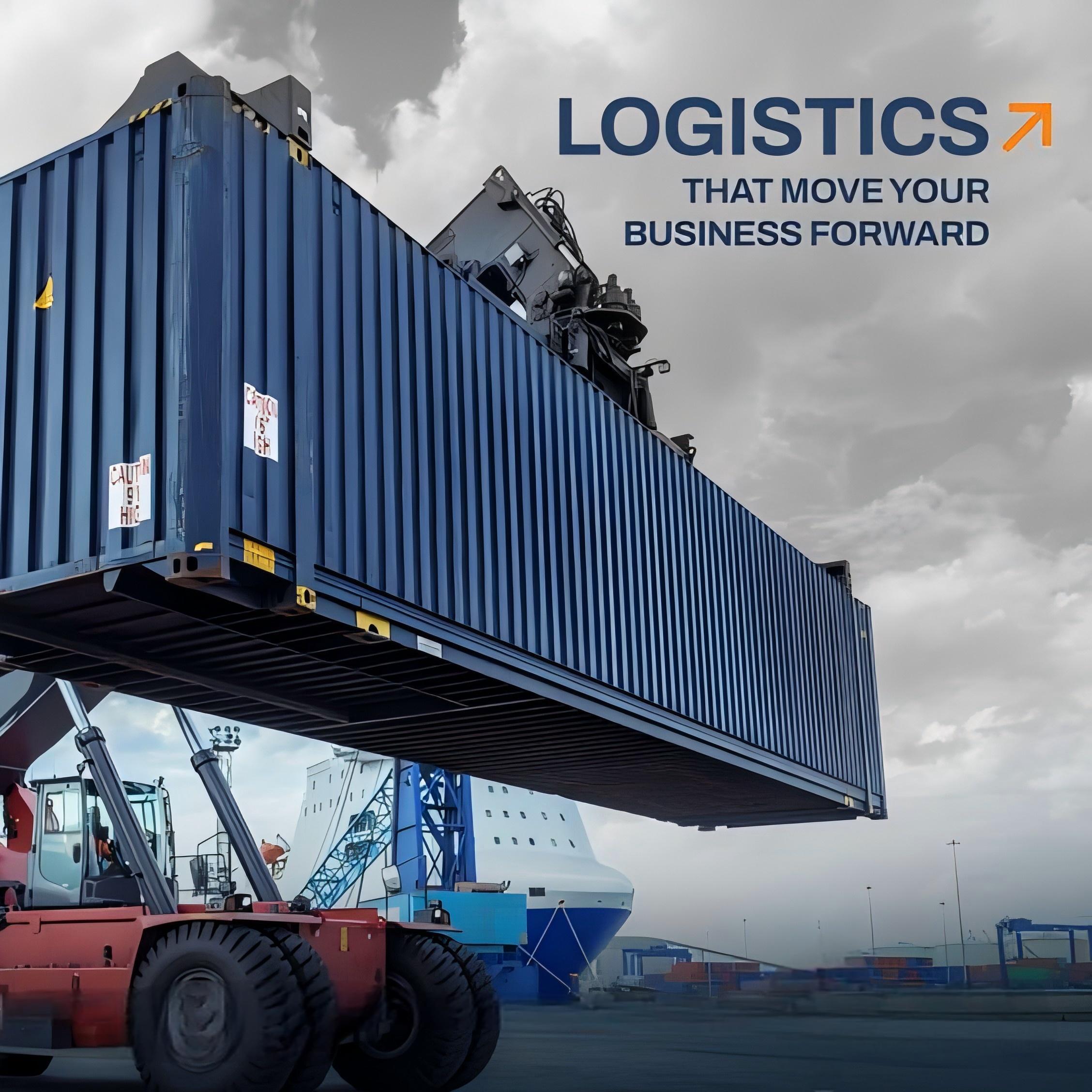
Textiles are typically high-volume but relatively low-weight goods, making the 40-foot High Cube (40HQ) container the industry standard. This container type offers an extra foot of vertical space compared to standard units, allowing for significantly more rolls of fabric or cartons of apparel. Maximizing this space is the first step in reducing your per-unit shipping cost.
Choosing the right maritime lane ensures that your seasonal inventory arrives exactly when the market demands it. Houston serves as a primary gateway for the Southern United States, providing direct access to major distribution hubs. Efficient routing minimizes the risk of delays at transshipment points, which is critical for the fast-paced fashion and home goods industries.
Logistics experts often recommend sea freight as the primary mode for these shipments due to the massive volume involved. While air freight is faster, the cost-to-volume ratio for textiles usually makes ocean transport the only viable long-term solution. Consequently, understanding the nuances of the Houston route becomes a competitive advantage for your business.
Analyzing the Primary Shipping Routes to Houston
Two main paths dominate the shipping landscape from Chinese ports like Shanghai, Ningbo, or Shenzhen to Houston. The first is the All-Water route via the Panama Canal, which brings the vessel directly into the Gulf of Mexico. This path is favored for its simplicity and reduced cargo handling, which lowers the chance of damage to delicate textiles.
Alternatively, the Mini Land Bridge (MLB) route involves shipping cargo to a West Coast port like Los Angeles or Long Beach and then moving it by rail to Houston. While this can be faster, it involves more handling and can be subject to rail congestion. Therefore, the choice between these two often depends on the current balance of sea freight rates and rail surcharges.
Recent logistics trends suggest that the All-Water route is regaining popularity as Panama Canal transit slots stabilize. Importers must monitor delivery schedules closely, as seasonal weather patterns in the Pacific or Caribbean can influence total transit time. Indeed, a proactive approach to route selection can save both time and money.
| Route Type | Average Transit Time | Primary Ports | Key Advantage |
|---|---|---|---|
| All-Water (Panama) | 30-35 Days | Shanghai to Houston | Lower handling risks |
| Mini Land Bridge | 22-28 Days | Shenzhen to LA to Rail | Faster delivery |
| All-Water (Suez) | 40-45 Days | Ningbo to Houston | Avoids Panama congestion |
Cost Factors for 40HQ FCL Textile Shipments
Freight rates for a 40HQ container are influenced by several variables, including fuel surcharges, peak season demands, and equipment availability. During the peak months of August through October, rates can spike by 20 percent or more as retailers stock up for the holidays. Budgeting for these fluctuations is vital for maintaining consistent pricing for your customers.
Port charges at both the origin in China and the destination in Houston also contribute to the total landed cost. These include Terminal Handling Charges (THC), documentation fees, and security filings. Additionally, textile importers must account for specific tariffs and duties that apply to various fabric compositions.
Market data suggests that as of early 2025, ocean freight costs for the China to Houston route have settled into a predictable range. However, sudden shifts in global trade policy or maritime regulations can still cause volatility. To mitigate these risks, many businesses utilize customs brokerage services to ensure accurate duty classification and compliance.
| Expense Category | Estimated Cost (USD) | Frequency | Note |
|---|---|---|---|
| Ocean Freight | $4,500 – $6,200 | Per Container | Varies by carrier |
| Origin Charges | $300 – $500 | Per Shipment | Includes THC and Docs |
| Houston Port Fees | $400 – $700 | Per Container | Includes drayage |
| Insurance | 0.3% – 0.5% | Of Cargo Value | Highly recommended |
How Does 40HQ FCL Compare to Other Shipping Options?
Evaluating the 40HQ FCL best route for textiles from China to Houston requires a comparison with alternative methods like LCL or air transport. For shipments exceeding 15 cubic meters, FCL is almost always more economical than Less than Container Load (LCL) options. Furthermore, FCL provides better security as the container remains sealed from the factory to the warehouse.
Air freight remains an option for high-value fashion samples or urgent stock replenishments, but it is rarely sustainable for bulk textiles. The cost of air freight can be ten times higher than sea freight for the same volume. Meanwhile, rail options are largely restricted to domestic transits within the US or Eurasia, making them a secondary component of the China-Houston route.
Hybrid solutions, such as sea-air combinations, are sometimes used to balance cost and speed. However, for most textile importers, the 40HQ container offers the perfect balance of capacity and cost-efficiency. It is the workhorse of the global textile supply chain for a reason.
| Method | Cost Range | Transit Time | Best For |
|---|---|---|---|
| 40HQ FCL | $4,500 – $6,500 | 30-35 Days | Bulk textile rolls |
| LCL Shipping | $80 – $150 per CBM | 35-40 Days | Small boutique orders |
| Air Freight | $5 – $9 per kg | 5-8 Days | Urgent samples |
| Express | $10+ per kg | 3-5 Days | Document/Small items |
Which Option Should You Choose?
Budget priority dictates that you should almost always choose the All-Water 40HQ FCL route. This method offers the lowest cost per cubic meter and avoids the complexities of multiple handling points. If your priority is speed, the Mini Land Bridge via Los Angeles can shave a week off the transit time, albeit at a higher price point.
Cargo type considerations also play a role in your decision-making process. For heavy denim or industrial fabrics, container weight limits are more concerning than volume. Conversely, for lightweight apparel, the 40HQ is essential to maximize the cubic capacity of the shipment. Volume thresholds usually suggest that if you have more than 12-15 pallets, FCL is the superior choice.
Strategic importers often use a mix of methods depending on the season. During the Chinese New Year period, booking door to door services early is critical to avoid the massive backlog. Planning your inventory cycles around these market realities will ensure a smoother logistics experience.
Real-World Case Studies for Houston Textile Imports
Case Study 1: A textile wholesaler based in Dallas needed to move 1,200 rolls of polyester fabric from Ningbo to Houston. By choosing a 40HQ FCL All-Water route, they achieved a total landed cost of $5,800 per container. The transit time was 34 days, and the cargo arrived in perfect condition, allowing them to meet their Q3 distribution targets.
Case Study 2: An apparel brand in Houston required a faster turnaround for a new seasonal collection from Shenzhen. They utilized the Mini Land Bridge route, docking at the Port of Long Beach before rail transit to Texas. Although the cost was 15 percent higher than All-Water, the 24-day transit time allowed them to launch their retail campaign two weeks ahead of their competitors.
Case Study 3: A small boutique importer initially considered LCL for 12 CBM of silk fabrics. After analyzing the risks of damage in shared containers, they opted for a 20GP FCL shipment. This decision provided them with a dedicated container, ensuring the delicate silk was not contaminated by other cargo, demonstrating that FCL is sometimes about quality as much as volume.
Optimizing Customs and Cargo Handling
Navigating the Port of Houston requires a thorough understanding of local customs procedures and drayage logistics. Textiles are subject to strict labeling requirements and origin verification under various trade agreements. Failure to provide accurate documentation can lead to expensive demurrage charges and lengthy inspections.
Working with an experienced provider ensures that your cargo handling is managed professionally from start to finish. Proper packing of the 40HQ container is also vital; rolls should be stacked to prevent shifting during rough sea transits. Furthermore, using moisture-absorbing silica gel packs can protect textiles from the high humidity often found in the Gulf of Mexico.
Logistics trends indicate that digital tracking is becoming standard for the China to Houston route. Real-time visibility allows you to coordinate with your warehouse team in Houston for immediate unloading upon arrival. This level of supply chain efficiency is what separates successful importers from the rest of the market.
Final Thoughts on Shipping Textiles to Houston
To summarize, finding the 40HQ FCL best route for textiles from China to Houston involves balancing speed, cost, and cargo safety. The All-Water route remains the most cost-effective choice for bulk shipments, while the Mini Land Bridge offers a faster alternative for time-sensitive goods. By understanding the market trends and port dynamics, you can make informed decisions that benefit your bottom line.
Reliable logistics partnerships are the foundation of any successful import business. Whether you are shipping raw fabrics or finished garments, the right strategy ensures your products reach the Houston market efficiently. Note: Freight rates are subject to change based on fuel costs, carrier capacity, and seasonal demand. Contact us for a current quote tailored to your specific shipment.
Ready to streamline your logistics?
Maximize your profit margins by securing the 40HQ FCL best route for textiles from China to Houston today. Our team provides comprehensive logistics support, from factory pickup to final delivery at your Houston warehouse. Contact us now to receive a customized quote and optimize your textile supply chain with our expert sea freight solutions. Visit our website to learn more about how we can streamline your international shipping operations.
Request Quote