Space Availability for FCL Shipping from China to Germany: 2025 Guide
Navigating the complexities of international logistics requires a deep understanding of market capacity and equipment supply. Many importers currently face challenges securing consistent space availability for FCL shipping from China to Germany due to fluctuating demand and maritime disruptions. However, partnering with a reliable partner like Top China Forwarder ensures your cargo moves efficiently through the global supply chain. This guide provides actionable insights into managing your full container load shipments while optimizing costs and transit times in the current economic climate.
What Defines Space Availability for FCL Shipping from China to Germany?
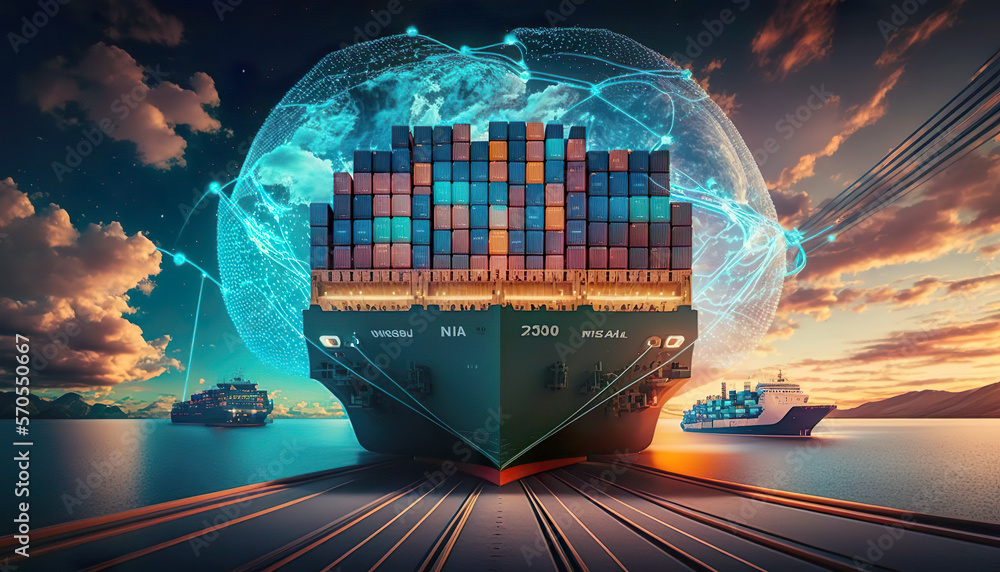
Space availability refers to the vacant slots on container vessels allocated by carriers for specific trade lanes. For the China to Germany route, this capacity depends heavily on the weekly schedules of major alliances like 2M, Ocean Alliance, and THE Alliance. Consequently, shippers must compete for these slots during peak periods when demand for European consumer goods surges.
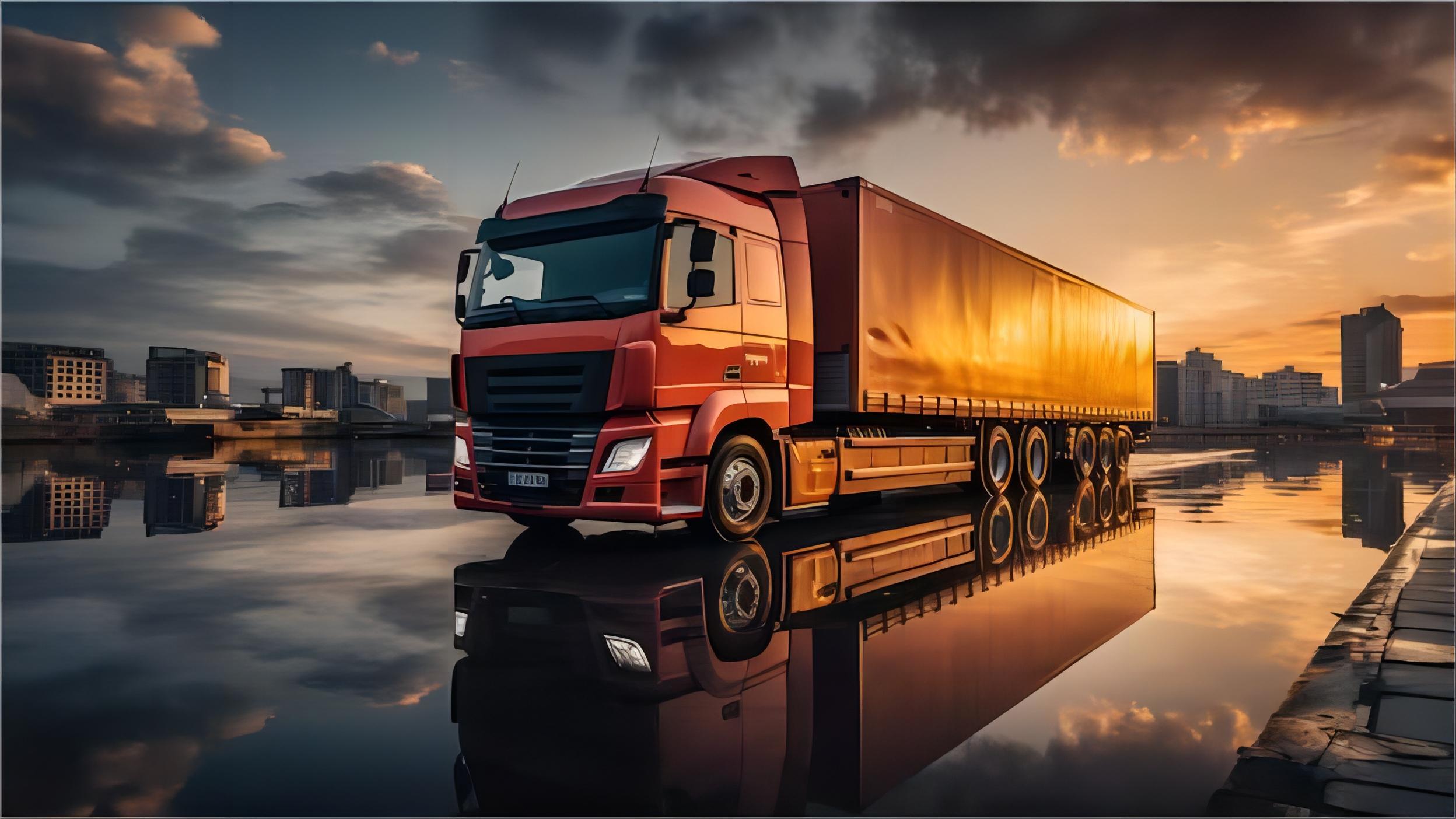
Moreover, the physical availability of empty containers at Chinese inland depots directly impacts your ability to book a shipment. Even if a vessel has room, a shortage of 40HQ or 20GP units can stall your logistics operations. Therefore, understanding the balance between vessel capacity and equipment supply is crucial for successful importing.
Additionally, seasonal trends play a massive role in how easily you can secure a booking. For instance, the weeks leading up to the Chinese New Year often see a massive spike in volume, leading to rolled cargo and increased rates. Meanwhile, the third quarter usually brings the pre-Christmas rush, further tightening the market for available space.

How Does FCL Shipping Compare to Other Shipping Options?
While FCL is often the preferred choice for large volumes, it is important to analyze how it stands against alternatives. For shipments exceeding 15 cubic meters, sea freight in a full container usually offers the best price-per-unit ratio. However, smaller shipments might benefit from LCL or rail options depending on the urgency.
On the other hand, air freight provides unmatched speed but at a significantly higher cost. If your inventory is low and demand is high, the expense of air transport might be justified to avoid stockouts. Nevertheless, for the majority of industrial and retail goods, ocean freight remains the backbone of the China-Germany trade corridor.
Furthermore, rail freight has emerged as a strong middle-ground solution. It offers faster transit than the sea while remaining more affordable than air. Consequently, many businesses use a hybrid strategy to balance their budget and delivery requirements.
| Shipping Method | Cost Range | Transit Time | Best For |
|---|---|---|---|
| FCL Sea Freight | $2,800 – $4,200 | 30-45 Days | Large volumes, bulk goods |
| LCL Sea Freight | $50 – $120/CBM | 35-50 Days | Small shipments < 15 CBM |
| Rail Freight | $4,500 – $6,500 | 18-24 Days | Urgent industrial parts |
| Air Freight | $4.50 – $8.00/kg | 5-8 Days | High-value electronics |
Factors Influencing Space Availability for FCL Shipping from China to Germany
Geopolitical events frequently disrupt the traditional maritime routes between Asia and Europe. For example, recent diversions around the Cape of Good Hope have extended transit times and tied up vessel capacity. As a result, the total number of available slots per month has decreased, making early booking more vital than ever.
In addition, port congestion in major German hubs like Hamburg and Bremerhaven can create a backlog. When ships are delayed at the destination, they cannot return to China on schedule to start their next voyage. This ripple effect causes sudden drops in space availability for FCL shipping from China to Germany across the entire industry.
Furthermore, carrier blank sailings are a tactical tool used to manage supply and demand. By canceling specific departures, shipping lines can keep freight rates high even when volume is low. Shippers must stay informed about these schedule changes to avoid unexpected delays in their supply chain.
Alternative Strategies for Managing Limited Capacity
When primary routes are full, savvy importers look for alternative gateways. Instead of only focusing on Shanghai to Hamburg, consider using secondary ports like Ningbo or Xiamen. Similarly, discharging at Wilhelmshaven or even Rotterdam for truck delivery into Germany can sometimes bypass local bottlenecks.
Another effective strategy involves utilizing door to door services that manage the entire process. These providers often have blocked space agreements with carriers, giving them priority access even during peak seasons. Indeed, outsourcing the logistics allows you to focus on your core business while experts handle the space procurement.
Moreover, implementing a rolling forecast with your freight forwarder helps them secure space in advance. If you can provide a three-week outlook on your container needs, you are much more likely to get a confirmed booking. Consequently, communication and data sharing become your strongest tools in a tight market.
Decision Framework: Which Option Should You Choose?
Choosing the right shipping method depends on your specific business priorities and cargo characteristics. If your primary goal is cost reduction, FCL sea freight is almost always the winner for significant volumes. However, you must be prepared for longer lead times and potential space constraints during the holidays.
For those prioritizing speed, rail freight offers a compelling alternative that shaves two weeks off the sea transit time. This is particularly useful for seasonal fashion or automotive components that need to reach German factories quickly. Without a doubt, the higher cost of rail is often offset by reduced inventory carrying costs.
Finally, always consider the nature of your goods and their margin. High-value items can absorb the cost of premium shipping services that guarantee space availability for FCL shipping from China to Germany. In contrast, low-margin commodities require the most economical sea freight options to remain competitive in the German market.
Budget Priority Considerations
If budget is your main concern, focus on booking at least 4-5 weeks in advance. This allows you to access ‘Early Bird’ rates and secures your spot before the vessel fills up. Additionally, being flexible with your departure date can lead to significant savings.
Speed and Reliability Needs
When speed is critical, look for direct services rather than transshipment options. While direct routes might cost 10% more, they eliminate the risk of your container being left behind at an intermediate hub like Singapore or Colombo.

Real-World Case Studies for China-Germany Routes
To illustrate how these factors work in practice, let us examine two recent shipments managed during different market conditions. These examples highlight the importance of flexibility and professional customs brokerage in ensuring smooth delivery.
According to industry benchmarks, these cases reflect the typical experiences of medium-to-large importers in the current year. Each scenario demonstrates a different approach to solving the problem of limited space and rising costs.
Case Study 1: Electronics from Shenzhen to Hamburg
Case Study 1: Peak Season Electronics Export
Route: Shenzhen, China to Hamburg, Germany
Cargo: Consumer Electronics, 68 CBM, 14,000 kg
Container: 40HQ
Shipping Details:
– Carrier: Major Ocean Alliance Carrier
– Port of Loading: Yantian (Shenzhen)
– Port of Discharge: Hamburg
– Route Type: Direct
Cost Breakdown:
– Ocean Freight: $3,950
– Origin Charges: $420
– Destination Charges: $550
– Customs and Duties: $1,200
– Total Landed Cost: $6,120
Timeline:
– Booking to Loading: 10 days
– Sea Transit: 34 days
– Customs Clearance: 2 days
– Total Door-to-Door: 46 days
Key Insight: By booking 3 weeks in advance, the shipper secured space despite the Q4 rush. Based on late 2024 market rates.
Case Study 2: Machinery Parts from Ningbo to Bremen
Case Study 2: Urgent Industrial Machinery
Route: Ningbo, China to Bremen, Germany
Cargo: Industrial Parts, 25 CBM, 8,500 kg
Container: 20GP
Shipping Details:
– Carrier: Independent Premium Service
– Port of Loading: Ningbo
– Port of Discharge: Bremerhaven (Bremen)
– Route Type: Transshipment via Rotterdam
Cost Breakdown:
– Ocean Freight: $2,400
– Origin Charges: $380
– Destination Charges: $490
– Customs and Duties: $850
– Total Landed Cost: $4,120
Timeline:
– Booking to Loading: 5 days
– Sea Transit: 38 days
– Customs Clearance: 3 days
– Total Door-to-Door: 46 days
Key Insight: Using a premium service allowed for a shorter booking window when an urgent order arose. Market data suggests this is typical for early 2025.
Navigating Customs and Logistics Trends in 2025
The regulatory environment for shipping to Europe is constantly evolving. New environmental regulations, such as the EU ETS (Emissions Trading System), have added small surcharges to every container arriving in German ports. Consequently, shippers must account for these extra costs in their landed cost calculations.
Moreover, digital transformation is making space availability for FCL shipping from China to Germany more transparent. Real-time tracking and online booking platforms allow for faster decision-making when capacity suddenly opens up. Therefore, staying connected to a forwarder with strong digital capabilities is a significant competitive advantage.
In addition, the focus on sustainability is driving many German companies to explore ‘green’ shipping options. While these services might have limited space currently, they are expected to grow as carbon taxes become more stringent. Indeed, preparing for these changes now will future-proof your supply chain for the rest of the decade.
Final Thoughts on FCL Capacity to Germany
To summarize, managing space availability for FCL shipping from China to Germany is a dynamic process that requires constant monitoring. By understanding the factors that influence vessel capacity and equipment supply, you can make informed decisions that protect your bottom line. Whether you choose sea, rail, or a hybrid approach, the key is early planning and strong communication with your logistics partner.
Market data suggests that while rates have stabilized, volatility remains a constant threat. Consequently, diversifying your shipping routes and maintaining flexibility in your schedule are the best ways to mitigate risk. Always remember that the cheapest rate is not always the best if it results in rolled cargo and missed deadlines.
Note: Freight rates are subject to change based on fuel costs, carrier capacity, and seasonal demand. Contact us for a current quote tailored to your specific shipment.
Ready to streamline your logistics?
Securing space availability for FCL shipping from China to Germany requires expertise and proactive planning. Our team at Top China Forwarder specializes in finding reliable capacity even during the most challenging market conditions. Contact us today to receive a personalized quote and ensure your cargo reaches Germany on schedule. Visit our website to start your inquiry: https://topchinaforwarder.com
Request Quote