

40HQ FCL space availability for solar panels from China to Georgia: A Complete Guide
Finding reliable 40HQ FCL space availability for solar panels from China to Georgia is a critical challenge for renewable energy importers in the Caucasus region. Navigating the complexities of the ocean freight market requires a deep understanding of container availability and seasonal demand shifts. This comprehensive guide provides the latest market intelligence to help you secure cargo space and optimize your Top China Forwarder logistics strategy today.
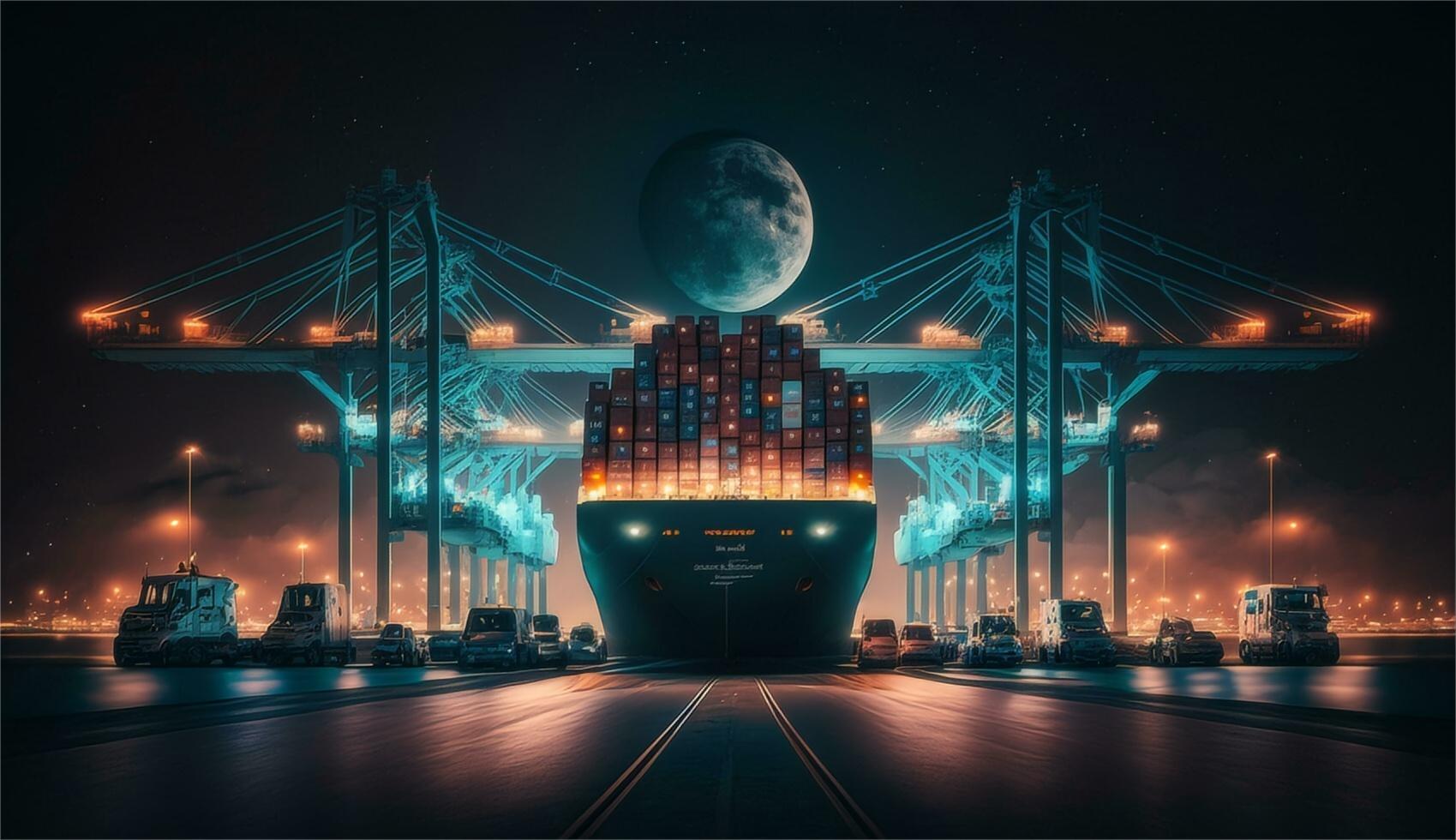
Understanding 40HQ FCL space availability for solar panels from China to Georgia
Current market data suggests that 40HQ FCL space availability for solar panels from China to Georgia remains relatively stable but is subject to sudden fluctuations. Because solar panels are high-volume, low-weight items, the High Cube container is the industry standard for maximizing load efficiency. Shipping from major hubs like Ningbo or Shanghai to Georgian ports like Poti or Batumi requires booking at least three weeks in advance during peak periods.
Furthermore, the geopolitical landscape in the Black Sea region often influences carrier schedules and equipment distribution. Most carriers prioritize long-haul routes to Europe or North America, which can occasionally lead to a shortage of 40HQ units for regional routes like the Caucasus. Consequently, importers must monitor weekly allocation reports to ensure their solar energy supply chain remains uninterrupted.
Solar modules require specific handling and stacking protocols to prevent micro-cracks during the long sea voyage. Freight forwarders often recommend using 40HQ containers because they provide the extra vertical space needed for reinforced palletization. Additionally, the extra height allows for better airflow and protection against moisture, which is vital for sensitive PV technology.
Why 40HQ High Cube Containers are Ideal for Solar Cargo
Choosing a 40HQ container over a standard 40GP unit provides approximately 12 percent more volume, which is essential for solar panel packaging. Most solar panels are packed in large vertical pallets that exceed the height limits of standard containers. While a 40GP might accommodate the weight, the height restriction often prevents the efficient loading of high-density solar modules.
Additionally, utilizing sea freight for 40HQ containers offers the most cost-effective solution for large-scale solar projects. High Cube containers allow for the transport of approximately 600 to 700 standard solar panels per shipment, depending on the specific module dimensions. Therefore, the cost per unit is significantly reduced when compared to smaller container sizes or less-than-container load options.
Moreover, the structural integrity of a 40HQ container is designed to handle the specific weight distribution of solar pallets. Carriers typically offer better rates for 40HQ units on the China-Georgia route due to the high demand for return cargo from the Caucasus. Indeed, this equipment imbalance often works in favor of the importer if they can secure space during the right shipping window.
How Does Sea Freight Compare to Other Shipping Options?
Shipping solar panels from China to Georgia can be accomplished through various methods, each offering distinct trade-offs in terms of cost and speed. Although sea freight is the most common choice, rail and air options provide alternatives for urgent project deadlines. Understanding the difference between these modes is crucial for managing your delivery schedule and budget effectively.
While sea freight offers the lowest cost, rail freight via the Middle Corridor is becoming a popular secondary option. Rail transport can reduce transit times by up to 15 days, though it typically costs 30 to 50 percent more than ocean transport. For extremely urgent components like inverters or specialized mounting hardware, air freight remains the fastest but most expensive solution.
Choosing the right method depends on your specific cargo volume and the urgency of the installation project. For instance, large-scale utility projects always rely on FCL sea freight to maintain financial viability. In contrast, smaller residential installations might occasionally use LCL or air freight for missing parts or urgent replacements.
| Shipping Method | Cost Range (USD) | Transit Time | Best For |
|---|---|---|---|
| Sea Freight (40HQ) | $3,200 – $4,500 | 30-40 Days | Bulk Solar Panels |
| Rail Freight | $5,500 – $7,000 | 18-25 Days | Time-Sensitive Projects |
| Air Freight | $15,000+ | 5-8 Days | Urgent Spare Parts |
| LCL Sea Freight | $80 – $120/CBM | 35-45 Days | Small Shipments |
Key Factors Influencing Freight Rates to Georgia in 2025
Freight rates for the China to Georgia route are heavily influenced by fuel surcharges and seasonal equipment availability. Typically, rates increase during the third quarter as retailers prepare for the end-of-year peak season. Consequently, solar panel importers should aim to finalize their bookings in the first or second quarter to avoid these price spikes.
Market data suggests that port congestion in transshipment hubs like Istanbul or Piraeus can also impact the final landed cost. When containers are delayed at these ports, additional storage fees and demurrage charges can accumulate quickly. Therefore, working with a forwarder who has strong carrier relationships is essential for minimizing these unforeseen expenses.
Georgia’s unique position as a transit hub for the wider Caucasus region also affects container availability in Poti and Batumi. Because many containers are moved inland to Azerbaijan or Armenia, the turnaround time for empty 40HQ units can be longer than average. This creates a localized equipment shortage that can drive up rates for outbound and inbound shipments alike.

Alternative Strategies and Hybrid Solutions
Implementing a hybrid shipping strategy can often mitigate the risks of 40HQ FCL space shortages. For example, some importers use a sea-rail combination, shipping to a major European port before moving the cargo by rail to Georgia. While this adds complexity, it can sometimes bypass congestion in the traditional Black Sea routes.
Another effective strategy involves diversifying your loading ports in China to take advantage of different carrier allocations. If space is tight in Ningbo, checking availability in Shenzhen or Qingdao might reveal open slots on different vessel strings. Moreover, splitting a large order into several smaller shipments can sometimes make it easier to secure space on multiple vessels.
For shipments under 15 CBM, consider whether LCL might be more economical than a partially empty 40HQ container. However, for solar panels, the risk of damage increases with the extra handling involved in LCL consolidation. As a result, most professional importers prefer to wait for 40HQ availability to ensure maximum cargo safety.
Essential Shipping Documentation and Customs Clearance in Georgia
Navigating the customs brokerage process in Georgia requires meticulous attention to detail regarding solar technology specifications. Georgian customs officials require a commercial invoice, a detailed packing list, and a certificate of origin for all renewable energy imports. Additionally, ensuring that your HS codes are correctly classified is vital for avoiding delays at the border.
Georgia offers certain tax incentives for renewable energy equipment, which can significantly reduce the overall import cost. Nevertheless, these exemptions must be applied for correctly during the initial documentation phase. If the paperwork is incomplete, the shipment may be held at the port, leading to high storage fees and project delays.
Documentation for solar panels must also include technical data sheets and safety certifications to meet local quality standards. Because the Georgian market is growing rapidly, customs regulations are subject to frequent updates and changes. Consequently, partnering with a local expert who understands the nuances of the Poti and Batumi customs offices is highly recommended.
| Document Type | Required By | Purpose | Criticality |
|---|---|---|---|
| Bill of Lading | Carrier/Customs | Title of Goods | Mandatory |
| Commercial Invoice | Customs | Tax Valuation | Mandatory |
| Packing List | Port/Customs | Cargo Inspection | Mandatory |
| Certificate of Origin | Customs | Duty Preference | High |

Real Case Studies: China to Georgia Solar Logistics
Every successful shipment provides valuable lessons for future logistics planning and cost management. Below are two real-world examples of how businesses have managed 40HQ FCL space availability for solar panels from China to Georgia in the current market environment.
Case Study 1: Utility Scale Project in Tbilisi +———————————————————+ | Route: Ningbo, China to Poti, Georgia | | Cargo: 650 Monocrystalline Solar Panels, 22,000 kg | | Container: 40HQ FCL | | Shipping Details: | | – Carrier: MSC via Istanbul transshipment | | – Port of Loading: Ningbo | | – Port of Discharge: Poti | | Cost Breakdown: | | – Ocean Freight: $3,850 | | – Origin/Dest Charges: $650 | | – Total Landed Cost: $4,500 | | Timeline: | | – Sea Transit: 34 days | | – Total Door-to-Door: 42 days | | Key Insight: Early booking secured space during Q3. | +———————————————————+
Case Study 2: Residential Distributor in Batumi +———————————————————+ | Route: Shenzhen, China to Batumi, Georgia | | Cargo: 400 Solar Panels and 20 Inverters, 18,500 kg | | Container: 40HQ FCL | | Shipping Details: | | – Carrier: COSCO Direct Service | | – Port of Loading: Shenzhen | | – Port of Discharge: Batumi | | Cost Breakdown: | | – Ocean Freight: $4,100 | | – Origin/Dest Charges: $720 | | – Total Landed Cost: $4,820 | | Timeline: | | – Sea Transit: 31 days | | – Total Door-to-Door: 38 days | | Key Insight: Direct route saved 5 days of transit time. | +———————————————————+
Decision Framework: Choosing the Right Shipping Method
If your primary goal is cost minimization, sea freight to Poti remains the most logical choice for 40HQ shipments. However, if the project site is closer to the Turkish border, Batumi might offer better inland logistics advantages. Utilizing a door to door service can simplify this decision by including the final trucking leg in the initial quote.
When speed is the priority, the Middle Corridor rail route provides a significant advantage despite the higher price tag. This route bypasses the maritime congestion often found in the Mediterranean and Black Seas. Nevertheless, rail space is even more limited than container ship space, requiring even earlier booking confirmations.
Cargo safety should never be compromised for the sake of a lower freight rate. Solar panels are fragile, and every additional touchpoint in the logistics chain increases the risk of damage. Therefore, FCL is always recommended over LCL for any shipment exceeding 12 pallets of solar modules.
Summary of Solar Logistics to Georgia
Successfully managing 40HQ FCL space availability for solar panels from China to Georgia is the cornerstone of a profitable renewable energy business. By understanding the seasonal trends and equipment requirements, you can navigate the complexities of the Black Sea shipping routes with confidence. Always prioritize early booking and robust documentation to avoid unnecessary delays at the port.
Reliable logistics partners play a vital role in securing space and competitive rates in a fluctuating market. Whether you choose sea, rail, or a hybrid solution, the goal remains the same: safe and timely delivery. Start planning your next solar shipment today to capitalize on the growing energy demand in Georgia.

Ready to streamline your logistics?
Securing 40HQ FCL space availability for solar panels from China to Georgia requires proactive planning and expert execution. Our team specializes in renewable energy logistics, ensuring your panels arrive safely and on schedule. Contact us today to receive a customized quote and secure your container space for 2025. Visit our inquiry page to start your shipment process. Send Inquiry
Request Quote