

40HQ FCL freight rate for auto parts from China to Ireland: 2025 Guide
Securing a competitive 40HQ FCL freight rate for auto parts from China to Ireland is essential for maintaining a healthy automotive supply chain. Many Irish businesses struggle with fluctuating shipping costs and complex international logistics when importing components from Chinese manufacturers. Top China Forwarder provides reliable solutions to streamline your international shipping process and reduce operational overhead. This comprehensive guide explores the variables affecting current freight rates and offers actionable insights for your next bulk shipment.

What Factors Determine the 40HQ FCL Freight Rate for Auto Parts?
Understanding the components of a 40HQ FCL freight rate for auto parts from China to Ireland requires a look at several market variables. Primarily, ocean freight rates fluctuate based on global fuel prices and carrier capacity on the Asia-Europe trade lanes. sea freight remains the most cost-effective method for high-volume automotive parts, yet prices are never static. Carriers frequently adjust their General Rate Increases based on seasonal demand and port congestion levels.
Moreover, the specific nature of auto parts can influence handling requirements and insurance premiums. Heavy items like engine blocks or brake assemblies may approach weight limits before the container is volumetrically full. Consequently, shippers must balance the 76 cubic meter capacity of a 40HQ container with the maximum allowable weight of approximately 26 to 28 tons. Furthermore, peak seasons such as the lead-up to Chinese New Year often see rates spike by 20 percent or more due to limited vessel space.
Market data from early 2025 suggests that rates have stabilized following the disruptions seen in previous years. Nevertheless, geopolitical events and changes in maritime regulations continue to impact the base ocean freight cost. Importers should also account for the Bunker Adjustment Factor which compensates for changes in marine fuel prices. Indeed, staying informed about these variables allows businesses to time their orders more effectively and secure better contracts with logistics providers.
How Does Sea Freight Compare to Other Shipping Options?
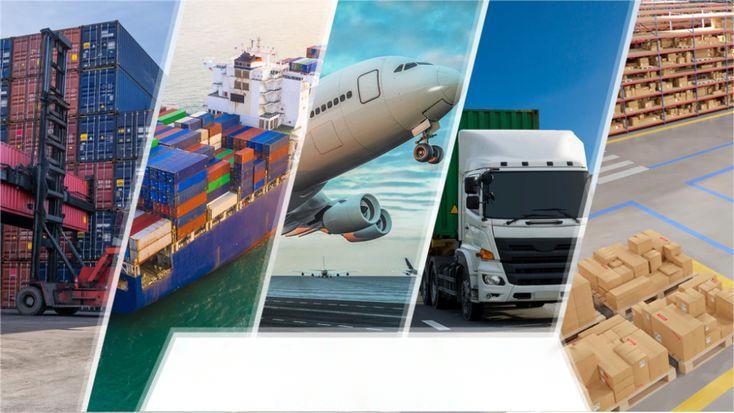
Choosing the right transportation mode involves balancing speed, cost, and the specific needs of your inventory. While air freight offers the fastest delivery for urgent spare parts, its cost is often prohibitive for bulk stock. For instance, a 40HQ container can hold thousands of individual components at a fraction of the per-unit cost of air transport. On the other hand, sea freight requires longer lead times, which necessitates better inventory planning for Irish distributors.
Additionally, businesses might consider hybrid solutions or Less than Container Load options for smaller batches. However, for full-scale manufacturing or distribution, the 40HQ container offers the best economies of scale. Rail freight to Europe followed by road transport to Ireland is another alternative, though it involves complex transshipment. To summarize, sea freight remains the dominant choice for the automotive sector due to its capacity and lower environmental impact per ton-kilometer.
Note: Freight rates are subject to change based on fuel costs, carrier capacity, and seasonal demand. Contact us for a current quote tailored to your specific shipment.
| Shipping Method | Cost Range (USD) | Transit Time | Best For |
|---|---|---|---|
| Sea FCL (40HQ) | $3,200 – $4,800 | 35 – 45 Days | Bulk inventory and heavy parts |
| Sea LCL | $80 – $150 per CBM | 40 – 50 Days | Small batches and samples |
| Air Freight | $4.50 – $8.00 per kg | 5 – 8 Days | Urgent repairs and high-value items |
| Rail-Sea Hybrid | $2,500 – $3,800 | 25 – 30 Days | Mid-range urgency and cost |
Why Choose 40HQ Containers for Automotive Components?
Automotive parts often vary significantly in size and shape, making the extra height of a 40HQ container highly beneficial. Specifically, the High Cube container provides an additional foot of vertical space compared to standard 40GP units. This extra volume allows for more efficient stacking of palletized goods like radiators, bumpers, and body panels. As a result, the cost per cubic meter is typically lower in a 40HQ than in any other container size.
Furthermore, the structural integrity of these containers ensures that sensitive electronic components or glass parts remain protected during the long voyage. Logistics managers often prefer FCL because it reduces the risk of damage associated with handling multiple times in LCL warehouses. Consequently, the shipment remains sealed from the factory in China until it reaches the warehouse in Ireland. This security is vital for high-value aftermarket accessories and precision-engineered engine parts.
Typically, a 40HQ container can accommodate roughly 20 to 22 standard pallets, depending on the stacking configuration. Importers should work closely with their suppliers to optimize the loading plan to maximize every inch of space. Indeed, a well-planned load can reduce the number of containers needed per year, significantly lowering the total landed cost of the goods.

Navigating Customs and Documentation for Irish Imports
Importing auto parts into Ireland requires strict adherence to European Union customs regulations and Irish Revenue requirements. Utilizing a professional customs brokerage service is often the best way to avoid costly delays at the port of Dublin. Importers must ensure they have a valid EORI number before the shipment arrives to facilitate the clearance process. Additionally, the correct TARIC codes must be applied to each type of automotive component to determine the applicable duty rates.
Moreover, documentation such as the Bill of Lading, Commercial Invoice, and Packing List must be meticulously prepared. Any discrepancies in these documents can lead to inspections and additional storage fees at the terminal. Historically, the Irish customs authorities have been very thorough with automotive imports to ensure compliance with safety and environmental standards. Therefore, providing clear certificates of origin and conformity is essential for a smooth transition through the border.
In addition to duties, importers must account for the Value Added Tax (VAT) applicable in Ireland. While some businesses can benefit from postponed VAT accounting, others must pay it at the point of entry. To illustrate, a delay in customs clearance of just three days can add hundreds of Euros in demurrage charges to your 40HQ FCL freight rate for auto parts from China to Ireland. Consequently, proactive document management is a cornerstone of successful international trade.
Transit Times and Route Options to Irish Ports
Shipping routes from China to Ireland usually involve transshipment at major European hubs like Rotterdam, Antwerp, or Felixstowe. While direct calls to Irish ports are less common for deep-sea vessels, the feeder network ensures consistent connectivity. shipping to Europe and then onto Ireland typically takes between 35 and 45 days. Transit times can vary depending on the port of loading in China, with southern ports like Shenzhen often offering slightly faster departures.
Significantly, the choice of carrier can impact both the transit time and the reliability of the schedule. Some carriers prioritize direct routes to the UK before transshipping to Ireland, while others may utilize continental hubs. Importers should evaluate the trade-off between a slightly cheaper rate and a faster, more reliable transit time. For instance, a delay in the feeder vessel connection can easily add a week to the total door-to-door duration.
Currently, most shipments originate from the industrial hubs of Shanghai, Ningbo, and Qingdao. These ports offer high frequency and competitive rates due to the volume of trade they handle. Meanwhile, the port of Dublin serves as the primary gateway for automotive imports, though Cork and Waterford also handle significant container traffic. Understanding these regional nuances helps in selecting the most efficient route for your specific supply chain needs.
| Origin Port | Destination Port | Sea Transit (Days) | Total Door-to-Door |
|---|---|---|---|
| Shanghai | Dublin | 36 – 40 | 42 – 48 Days |
| Shenzhen | Dublin | 32 – 36 | 38 – 44 Days |
| Ningbo | Cork | 38 – 42 | 44 – 50 Days |
| Qingdao | Dublin | 40 – 45 | 46 – 52 Days |
Real-World Case Studies of Auto Parts Shipments
+———————————————————+ | Case Study 1: Aftermarket Body Kits from Shenzhen | +———————————————————+ | Route: Shenzhen, China to Dublin, Ireland | | Cargo: Fiberglass Body Kits, 68 CBM, 8,500 kg | | Container: 40HQ FCL | | | | Shipping Details: | | – Carrier: COSCO Shipping | | – Port of Loading: Yantian | | – Port of Discharge: Dublin (via Rotterdam) | | – Route Type: Transshipment | | | | Cost Breakdown: | | – Ocean Freight: $3,850 | | – Origin Charges: $450 | | – Destination Charges: $620 | | – Customs & Duties: $1,200 (estimated) | | – Total Landed Cost: $6,120 | | | | Timeline: | | – Booking to Loading: 5 days | | – Sea Transit: 34 days | | – Customs Clearance: 2 days | | – Total Door-to-Door: 41 days | | | | Key Insight: Optimized stacking allowed the importer to | | fit 15% more units than a standard 40GP container. | +———————————————————+
+———————————————————+ | Case Study 2: Brake Systems from Ningbo | +———————————————————+ | Route: Ningbo, China to Cork, Ireland | | Cargo: Brake Discs and Pads, 45 CBM, 24,000 kg | | Container: 40HQ FCL | | | | Shipping Details: | | – Carrier: Maersk Line | | – Port of Loading: Ningbo-Zhoushan | | – Port of Discharge: Cork | | – Route Type: Direct Feeder from Felixstowe | | | | Cost Breakdown: | | – Ocean Freight: $4,100 | | – Origin Charges: $500 | | – Destination Charges: $750 | | – Customs & Duties: $2,400 (estimated) | | – Total Landed Cost: $7,750 | | | | Timeline: | | – Booking to Loading: 7 days | | – Sea Transit: 39 days | | – Customs Clearance: 3 days | | – Total Door-to-Door: 49 days | | | | Key Insight: High weight density required careful weight | | distribution to meet Irish road transport regulations. | +———————————————————+
Note: Freight rates are subject to change based on fuel costs, carrier capacity, and seasonal demand. Contact us for a current quote tailored to your specific shipment.
Strategies to Reduce Your 40HQ FCL Shipping Costs
Implementing cost-saving strategies can significantly lower the 40HQ FCL freight rate for auto parts from China to Ireland. One effective method is to consolidate orders from multiple suppliers into a single container. This approach maximizes the utilization of the 40HQ’s volume and reduces the fixed costs associated with documentation and port handling. Furthermore, choosing door to door shipping can often provide better transparency and lower overall margins compared to managing each leg separately.
Moreover, negotiating long-term contracts with freight forwarders can protect your business from sudden market spikes. While spot rates might be lower during off-peak periods, contract rates offer budget stability for large-scale importers. Additionally, consider shipping during the ‘slack’ season, typically between March and June, when demand for vessel space is at its lowest. In contrast, avoiding the pre-Christmas rush can save you thousands of dollars per container.
Another vital strategy involves optimizing your packaging to reduce wasted space within the container. Using stackable crates or custom pallets designed for 40HQ dimensions can increase the total unit count per shipment. Consequently, the freight cost is spread over more items, improving your competitive edge in the Irish market. Ultimately, a combination of smart timing, volume optimization, and professional logistics management yields the best results.
Which Option Should You Choose for Your Business?
Determining the best shipping method depends on your specific business priorities and inventory cycles. If your primary goal is budget optimization, FCL sea freight in 40HQ containers is the undisputed leader for large volumes. This method provides the lowest cost per unit and offers a high level of security for the goods. However, if you are dealing with a stockout of critical engine components, the speed of air freight might justify the higher expense.
For medium-sized shipments that do not fill a whole container, LCL is a viable alternative, though it comes with higher handling risks and slower transit. On the other hand, if you require a balance between speed and cost, a rail-sea hybrid route via continental Europe might be worth exploring. Specifically, this option can shave 10 to 15 days off the total transit time compared to a traditional sea route. To summarize, your choice should align with your cash flow requirements and the urgency of your customer demand.
Logistics trends in 2025 suggest that more businesses are moving toward integrated supply chain solutions. By partnering with a forwarder that offers end-to-end visibility, you can better manage the risks associated with international shipping. Whether you prioritize cost, speed, or reliability, having a clear understanding of the trade-offs is essential for long-term success. Indeed, the right shipping strategy is a powerful tool for growing your automotive business in Ireland.
Final Thoughts on Importing Auto Parts to Ireland
Successfully managing the 40HQ FCL freight rate for auto parts from China to Ireland requires a blend of market knowledge and strategic planning. By understanding the factors that drive costs, from fuel surcharges to seasonal demand, importers can make more informed decisions. Furthermore, leveraging the high volume of 40HQ containers and optimizing loading patterns ensures the best value for every shipment.
Navigating the complexities of Irish customs and international maritime routes is easier with the right logistics partner. Whether you are importing aftermarket accessories or essential engine components, consistency and reliability are key. Consequently, staying proactive and adapting to market trends will help your business maintain its competitive edge. Ultimately, efficient shipping is the backbone of a successful automotive distribution network in Ireland.
Ready to streamline your logistics?
Ready to optimize your automotive supply chain? Contact us today to receive a customized 40HQ FCL freight rate for auto parts from China to Ireland. Our team of experts is standing by to provide you with the most competitive quotes and reliable logistics support in the industry. Visit Top China Forwarder to start your inquiry and streamline your shipping process now.
Request Quote