

Container Shortage Solution for FCL Shipping from China to Ireland
Navigating the complexities of international trade requires a robust container shortage solution for FCL shipping from China to Ireland to ensure your supply chain remains uninterrupted. As global demand fluctuates, businesses often face significant hurdles in securing equipment for their Full Container Load (FCL) shipments. Consequently, partnering with a reliable Top China Forwarder becomes essential for navigating these logistical bottlenecks efficiently. This guide provides actionable insights and strategic alternatives to help you manage your imports to Dublin or Cork without unnecessary delays.

The Reality of Container Scarcity in 2024-2025
Global trade lanes have experienced unprecedented volatility over the last few years, leading to localized equipment imbalances. Specifically, the route from China to Europe frequently suffers from a lack of empty 40HQ units at major loading ports like Ningbo and Shanghai. Therefore, importers must understand the underlying causes of these shortages to implement an effective container shortage solution for FCL shipping from China to Ireland.
Moreover, seasonal peaks such as the period leading up to the Lunar New Year often exacerbate these issues. During these times, carriers prioritize high-yield routes, which can leave smaller markets like Ireland facing longer wait times for equipment. Consequently, businesses that fail to plan ahead may find their cargo stranded at the origin port for weeks.
Additionally, port congestion in major transshipment hubs like Rotterdam or Antwerp can delay the return of empty containers to China. Because the supply chain is a closed loop, any disruption in Europe eventually affects the availability of containers in Asia. Businesses must therefore look beyond traditional booking methods to secure their space.
What is the Best Container Shortage Solution for FCL Shipping from China to Ireland?
Finding a viable container shortage solution for FCL shipping from China to Ireland often involves diversifying your equipment choices. For instance, if 40HQ containers are unavailable, utilizing two 20GP containers or a non-operating reefer (NOR) can serve as an immediate fix. Although this might slightly increase handling costs, it ensures your goods move rather than sitting in a warehouse.
Furthermore, utilizing sea freight through a freight forwarder with direct carrier contracts can provide better access to equipment. These forwarders often have priority allocations that individual shippers cannot access on the spot market. Indeed, long-term relationships between forwarders and carriers are often the most reliable defense against equipment scarcity.
Meanwhile, shippers should consider shifting their departure ports to less congested areas. While Shanghai and Shenzhen are the primary hubs, ports like Qingdao or Xiamen might have better container availability during peak crunch periods. This flexibility is a cornerstone of a modern container shortage solution for FCL shipping from China to Ireland.

How Does FCL Compare to Other Shipping Options?
While sea freight costs for a 40HQ typically range from $3,500 to $4,500, air freight for the same volume would be prohibitively expensive for most commodities. However, air freight remains the fastest alternative when a container shortage threatens a critical production deadline. To illustrate, air transit takes only 5-8 days compared to the 35-45 days required for ocean transport.
On the other hand, rail freight offers a middle-ground solution for those shipping to Ireland via mainland Europe. Cargo travels by rail from China to hubs like Hamburg or Rotterdam, then moves via short-sea ferry to Dublin. This method can save 10-15 days compared to a full sea voyage while remaining significantly cheaper than air transport.
Moreover, LCL (Less than Container Load) shipping can be a strategic container shortage solution for FCL shipping from China to Ireland. If you cannot secure a full container, splitting your shipment into multiple LCL lots ensures a steady flow of inventory. Although the per-CBM cost is higher, the risk of total shipment delay is greatly reduced.
| Shipping Method | Cost Range (USD) | Transit Time | Best For |
|---|---|---|---|
| Sea Freight (FCL 40HQ) | $3,500 – $4,800 | 35-45 Days | Bulk goods, high volume |
| Sea Freight (LCL) | $90 – $150 per CBM | 40-50 Days | Small shipments, consistent flow |
| Rail-Sea Hybrid | $4,000 – $6,000 | 22-28 Days | Time-sensitive retail goods |
| Air Freight | $5.00 – $8.00 per kg | 5-8 Days | High-value, urgent cargo |
Strategic Inventory Management and Booking Early
Early booking is perhaps the most straightforward container shortage solution for FCL shipping from China to Ireland. Specifically, we recommend placing your booking at least 4-6 weeks before the cargo ready date. This lead time allows your forwarder to secure equipment and space before the carrier’s allocation is exhausted.
Additionally, maintaining a buffer stock in your Irish warehouse can mitigate the impact of shipping delays. By increasing your safety stock levels, you reduce the pressure to secure a container during peak shortage weeks. Consequently, your business operations remain stable even if a particular shipment is rolled to a later vessel.
Furthermore, using SOC (Shipper Owned Containers) is an advanced strategy for high-volume importers. By purchasing your own containers, you eliminate the reliance on carrier-provided equipment. While this requires a higher upfront investment and management of the empty unit return, it provides absolute certainty in equipment availability.
How Customs Brokerage Helps Navigate Delays
Efficient customs brokerage is vital when dealing with the repercussions of a container shortage. When shipments are delayed or rerouted, documentation must be updated quickly to avoid additional port storage charges (demurrage). Therefore, having a broker who understands Irish Revenue requirements is essential for maintaining a smooth flow.
Notably, the transition to the AIS (Automated Import System) in Ireland has changed how declarations are processed. A professional broker ensures that all H1 and H2 declarations are filed accurately, preventing further delays once the container finally arrives in Dublin. Indeed, the last thing an importer needs after a container shortage is a customs-related hold at the port.
In addition, your broker can advise on duty suspension schemes or bonded warehousing. These financial tools can help offset the increased shipping costs associated with equipment shortages. Specifically, deferring VAT and duties can improve your cash flow during periods of high freight rates.
| Document Name | Purpose | Responsible Party | Criticality |
|---|---|---|---|
| Commercial Invoice | Value verification | Exporter (China) | High |
| Packing List | Cargo details | Exporter (China) | High |
| Bill of Lading | Title of goods | Carrier/Forwarder | High |
| Cert. of Origin | Preferential duties | Exporter (China) | Medium |
Case Studies: Overcoming Logistics Challenges
Examining real-world scenarios provides clarity on how to implement a container shortage solution for FCL shipping from China to Ireland. Below are two examples of how different strategies were used to maintain supply chain continuity during periods of high demand.
Note: Freight rates are subject to change based on fuel costs, carrier capacity, and seasonal demand. Contact us for a current quote tailored to your specific shipment.
Case Study 1: Electronics from Shenzhen to Dublin
Case Study 1: Strategic Equipment Substitution Route: Shenzhen, China to Dublin, Ireland Cargo: Consumer Electronics, 65 CBM, 12,000 kg Container: 40HQ (Substituted with 2x20GP due to shortage) Shipping Details: – Carrier/Service: MSC via Sines – Port of Loading: Shenzhen – Port of Discharge: Dublin – Route Type: Transshipment Cost Breakdown: – Ocean Freight: $4,200 – Origin Charges: $450 – Destination Charges: $500 – Customs and Duties: $1,200 – Total Landed Cost: $6,350 Timeline: – Booking to Loading: 10 days – Sea Transit: 34 days – Customs Clearance: 2 days – Total Door-to-Door: 46 days Key Insight: By accepting two 20GP containers instead of waiting for a 40HQ, the importer avoided a 3-week delay at the origin port.
Case Study 2: Furniture from Ningbo to Cork
Case Study 2: Early Booking Strategy Route: Ningbo, China to Cork, Ireland Cargo: Home Furniture, 28 CBM, 8,000 kg Container: 20GP Shipping Details: – Carrier/Service: COSCO – Port of Loading: Ningbo – Port of Discharge: Cork – Route Type: Direct to European hub, then feeder Cost Breakdown: – Ocean Freight: $2,400 – Origin Charges: $350 – Destination Charges: $450 – Customs and Duties: $900 – Total Landed Cost: $4,100 Timeline: – Booking to Loading: 25 days (Pre-booked) – Sea Transit: 40 days – Customs Clearance: 1 day – Total Door-to-Door: 66 days Key Insight: Booking 4 weeks in advance allowed the shipper to lock in a lower rate and guaranteed equipment during the pre-Golden Week rush.
Door to Door Services: A Seamless Solution
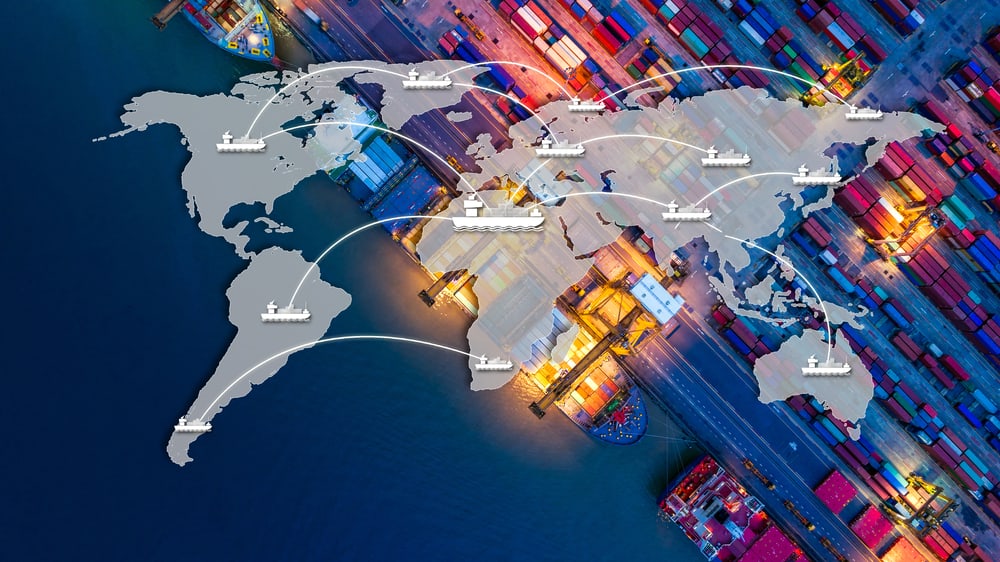
Choosing door to door services can simplify the entire process of finding a container shortage solution for FCL shipping from China to Ireland. When you opt for an all-inclusive service, the forwarder takes full responsibility for sourcing the container, managing the trucking in China, and handling the final delivery in Ireland. This reduces the administrative burden on your team.
Consequently, the forwarder has more flexibility to choose the best route and equipment type to meet your deadline. Because they manage the entire chain, they can quickly pivot if a particular port or carrier becomes congested. This proactive management is often the difference between a successful shipment and a costly delay.
Finally, door-to-door services provide better visibility through integrated tracking systems. Knowing exactly where your container is at every stage allows you to provide accurate updates to your customers. In a market defined by uncertainty, reliable information is a powerful tool for maintaining customer trust.
Which Option Should You Choose? Decision Framework
Selecting the right container shortage solution for FCL shipping from China to Ireland depends on your specific priorities. If budget is your primary concern, sticking with FCL sea freight and booking 6 weeks in advance is the most economical path. However, you must be prepared for potential 5-10 day fluctuations in transit time.
If speed is the priority, air freight is the only viable choice, though it is only cost-effective for high-margin or lightweight goods. For those seeking a balance, the rail-sea hybrid route via mainland Europe offers a significant speed advantage over pure ocean freight without the extreme cost of air transport.
Volume thresholds also play a role in your decision. For shipments between 10 and 15 CBM, LCL might actually be more reliable than FCL during a severe container shortage. Conversely, for volumes over 20 CBM, FCL remains the standard, but you should consider equipment substitution (like using a 40GP if a 40HQ is missing) to keep cargo moving.
| Priority | Recommended Method | Reasoning | Trade-off |
|---|---|---|---|
| Lowest Cost | FCL Sea Freight | Economy of scale | High risk of delay |
| Maximum Speed | Air Freight | Direct and fast | Very high cost |
| Reliability | LCL Sea Freight | Easier to find space | Higher cost per CBM |
| Balanced | Rail-Sea Hybrid | Faster than sea | Complex handling |
Mastering Your China to Ireland Logistics
In summary, while equipment scarcity presents a significant challenge, implementing a proactive container shortage solution for FCL shipping from China to Ireland can protect your business from major disruptions. By combining early booking, equipment flexibility, and diverse shipping modes, you can maintain a resilient supply chain even in volatile market conditions.
Successfully importing from China to Ireland requires a blend of strategic planning and local expertise. Whether you choose sea, air, or a hybrid rail-sea solution, the key is to remain adaptable. Partnering with an experienced forwarder will ensure that your FCL shipments are handled with the care and urgency they deserve, regardless of global container availability.
Ready to streamline your logistics?
Securing a container shortage solution for FCL shipping from China to Ireland is easier with the right partner. Our team at Top China Forwarder specializes in navigating equipment scarcity and ensuring your cargo reaches Dublin or Cork on schedule. Contact us today for a personalized quote and let us optimize your China-Ireland supply chain. Visit our website to start your inquiry now.
Request Quote