

China FCL DDP shipping to Portugal: The Ultimate Logistics Guide
Navigating the complexities of international trade requires a reliable partner for your China FCL DDP shipping to Portugal needs. Many businesses struggle with hidden costs and customs delays when importing goods from Asian markets. By choosing a professional logistics provider like Top China Forwarder, you ensure a seamless transition from factory to warehouse. This guide explores everything you need to know about Full Container Load (FCL) shipments under Delivered Duty Paid (DDP) terms.
What is China FCL DDP shipping to Portugal?
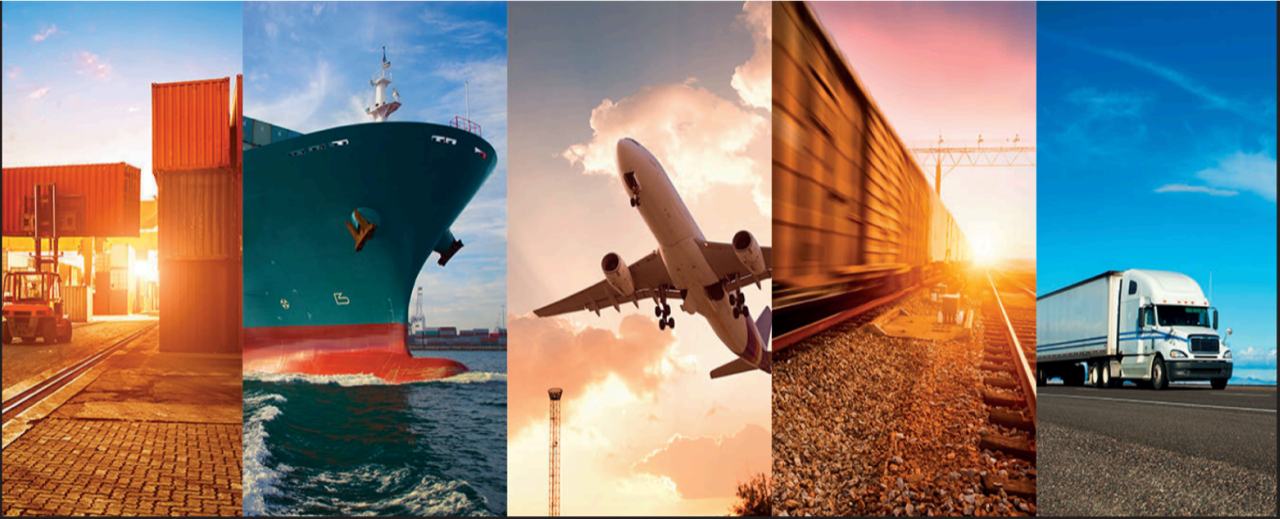
Understanding the terminology is the first step toward successful importing. FCL refers to Full Container Load, meaning you rent an entire 20ft or 40ft container for your goods exclusively. Consequently, this method offers better security and faster handling compared to shared containers.
DDP stands for Delivered Duty Paid, an Incoterm where the seller assumes all responsibility. Specifically, the seller handles shipping, insurance, and all import duties or taxes in Portugal. Therefore, the buyer only needs to receive the goods at their specified destination without worrying about port fees.
Choosing sea freight as your primary transport mode ensures cost-effectiveness for large volumes. Moreover, combining FCL with DDP terms provides a comprehensive door-to-door solution that simplifies the entire supply chain. Businesses often prefer this arrangement to maintain predictable landed costs.
How Does FCL DDP Compare to Other Shipping Options?
Comparing different shipping methods allows you to balance speed and budget effectively. While FCL is ideal for large volumes, LCL (Less than Container Load) might suit smaller shipments. However, LCL often involves more handling and a higher risk of damage during transit.
Air freight offers the fastest delivery but comes at a significantly higher price point. In contrast, rail options provide a middle ground for those seeking faster transit than sea without the air freight expense. Each method serves a specific business need depending on the urgency and nature of the cargo.
Market data suggests that FCL remains the most popular choice for bulk commodities. Additionally, the DDP framework removes the administrative burden from the Portuguese importer. This allows companies to focus on sales rather than complex logistics paperwork.
| Shipping Method | Cost Range (USD) | Transit Time | Best For |
|---|---|---|---|
| FCL Sea DDP | $3,000 – $5,500 | 28-35 Days | Bulk Inventory |
| LCL Sea DDP | $150 – $300/CBM | 35-45 Days | Small Batches |
| Air Freight DDP | $5 – $9 / kg | 5-8 Days | Urgent Goods |
| Rail Freight DDP | $2,500 – $4,000 | 22-30 Days | Mid-range Speed |
Key Benefits of Full Container Load for Portugal Imports
Security is a primary advantage when utilizing FCL services for your international trade. Since the container is sealed at the origin and only opened at the destination, the risk of theft decreases. Furthermore, the lack of co-loading with other shippers’ goods reduces the chance of contamination or physical damage.
Cost efficiency improves as you scale your shipping volume. While the upfront cost for a full container is higher, the price per unit of cargo is usually much lower than LCL. Consequently, high-volume importers can significantly improve their profit margins by optimizing container space.
Scheduling becomes more predictable with FCL because there is no need to wait for other shipments to fill the container. Most major carriers offer direct weekly departures from Chinese hubs like Ningbo and Shenzhen. As a result, your production timeline remains synchronized with your delivery schedule in Portugal.
Navigating the DDP Process and Customs Brokerage
Managing customs requirements is often the most challenging aspect of importing into the European Union. By utilizing a professional customs brokerage service, you ensure compliance with Portuguese regulations. Indeed, the DDP terms mean your forwarder handles the VAT and customs duties on your behalf.
Documentation must be precise to avoid lengthy delays at the Port of Lisbon or Leixoes. For instance, the commercial invoice and packing list must accurately reflect the container’s contents. Additionally, specific products may require CE marking or other safety certifications to enter the Portuguese market.
Typical challenges include tariff classification errors which can lead to unexpected fines. However, an experienced logistics partner will verify all codes before the ship leaves China. This proactive approach minimizes the risk of cargo being held by Portuguese authorities for inspection.
Transit Times and Major Port Logistics for Portugal
Shipping from China to the Atlantic coast of Europe involves a significant journey. Generally, vessels depart from major eastern ports like Shanghai or Qingdao and transit through the Suez Canal. Afterward, they enter the Mediterranean before reaching the Portuguese coastline.
Transit times vary based on the specific port of loading and the shipping line used. For example, a direct service from Shenzhen to Lisbon might take approximately 30 days. Meanwhile, shipments from northern ports like Tianjin could require up to 40 days due to the additional distance.
Our door to door service accounts for both sea transit and local haulage. Once the container arrives at the port, it must clear customs and then travel by truck to your warehouse. Consequently, you should factor in an additional 3-5 days for final delivery after the ship docks.
| China Port | Portugal Port | Average Days | Frequency |
|---|---|---|---|
| Shenzhen | Lisbon | 28-32 Days | Weekly |
| Shanghai | Leixoes | 32-36 Days | Weekly |
| Ningbo | Lisbon | 30-35 Days | Bi-weekly |
| Qingdao | Leixoes | 38-42 Days | Weekly |
Cost Breakdown: What Influences Your Freight Rates?
Freight rates are highly volatile and depend on several global economic factors. For instance, fuel surcharges fluctuate based on oil prices, directly impacting the base ocean freight cost. Moreover, peak seasons like the months leading up to Christmas often see rates spike by 20 percent or more.
Container availability also plays a crucial role in pricing for China FCL DDP shipping to Portugal. During periods of high demand, a shortage of 40HQ containers can drive prices upward. Therefore, booking your shipment at least 3-4 weeks in advance is highly recommended to secure better rates.
Landed costs under DDP include the ocean freight, port charges, customs duties, and local delivery fees. Note: Freight rates are subject to change based on fuel costs, carrier capacity, and seasonal demand. Contact us for a current quote tailored to your specific shipment.
Essential Documentation for Portugal Customs Clearance
Preparing the correct paperwork is vital for a smooth import experience. Without a valid Bill of Lading, the Portuguese port authorities will not release your container. Furthermore, the EORI number is a mandatory requirement for any business importing goods into the European Union.
Customs officials in Portugal are particularly strict about value declarations. Consequently, your commercial invoice must clearly state the transaction value and the currency used. Additionally, a detailed packing list helps inspectors verify the contents without needing to unload the entire container.
Specific goods like textiles or electronics might require a Certificate of Origin to qualify for certain trade agreements. Indeed, having these documents ready before the ship arrives prevents costly demurrage charges at the port. Most successful importers maintain a digital checklist for every shipment.
| Document Name | Purpose | Required By | Format |
|---|---|---|---|
| Bill of Lading | Title to Goods | Carrier/Customs | Original/Digital |
| Commercial Invoice | Value Declaration | Customs | Digital/Paper |
| Packing List | Content Detail | Port Authority | Digital |
| EORI Number | EU Registration | EU Customs | Registration Code |
Which Shipping Option Should You Choose?
Deciding between different logistics strategies depends on your specific business priorities. If your primary goal is to minimize costs and you have high volume, FCL sea freight is the clear winner. However, if you are testing a new product line, LCL might be a safer initial investment.
Speed-sensitive cargo, such as fashion items or seasonal electronics, might benefit from rail freight solutions. While more expensive than sea, rail can cut transit time by nearly two weeks. Nevertheless, for the majority of industrial and consumer goods, sea freight remains the most sustainable option.
Budget-conscious shippers should prioritize FCL DDP to avoid the volatility of destination port fees. By locking in a DDP rate, you eliminate the risk of unexpected storage or handling charges in Lisbon. Ultimately, the best choice balances transit time, security, and total landed cost.
Real Case Studies: China to Portugal FCL DDP
Case Study 1: Electronics Distribution from Shenzhen +———————————————————+ | Route: Shenzhen, China to Lisbon, Portugal | | Cargo: Consumer Electronics, 25 CBM, 8500 kg | | Container: 20GP | | | | Shipping Details: | | – Carrier: COSCO | | – Port of Loading: Shenzhen | | – Port of Discharge: Lisbon | | – Route Type: Direct | | | | Cost Breakdown: | | – Ocean Freight: $2,850 | | – Origin Charges: $450 | | – Destination Charges: $600 | | – Customs & Duties: $1,200 | | – Total Landed Cost: $5,100 | | | | Timeline: | | – Booking to Loading: 5 days | | – Sea Transit: 30 days | | – Customs Clearance: 2 days | | – Total Door-to-Door: 37 days | | | | Key Insight: Direct routing from Shenzhen saved 5 days. | +———————————————————+
Case Study 2: Home Furniture from Ningbo +———————————————————+ | Route: Ningbo, China to Leixoes, Portugal | | Cargo: Flat-pack Furniture, 65 CBM, 12000 kg | | Container: 40HQ | | | | Shipping Details: | | – Carrier: Maersk | | – Port of Loading: Ningbo | | – Port of Discharge: Leixoes | | – Route Type: Transshipment via Tangier | | | | Cost Breakdown: | | – Ocean Freight: $3,900 | | – Origin Charges: $550 | | – Destination Charges: $750 | | – Customs & Duties: $2,100 | | – Total Landed Cost: $7,300 | | | | Timeline: | | – Booking to Loading: 7 days | | – Sea Transit: 35 days | | – Customs Clearance: 3 days | | – Total Door-to-Door: 45 days | | | | Key Insight: 40HQ container maximized cost efficiency. | +———————————————————+
Mastering Your Portugal Supply Chain
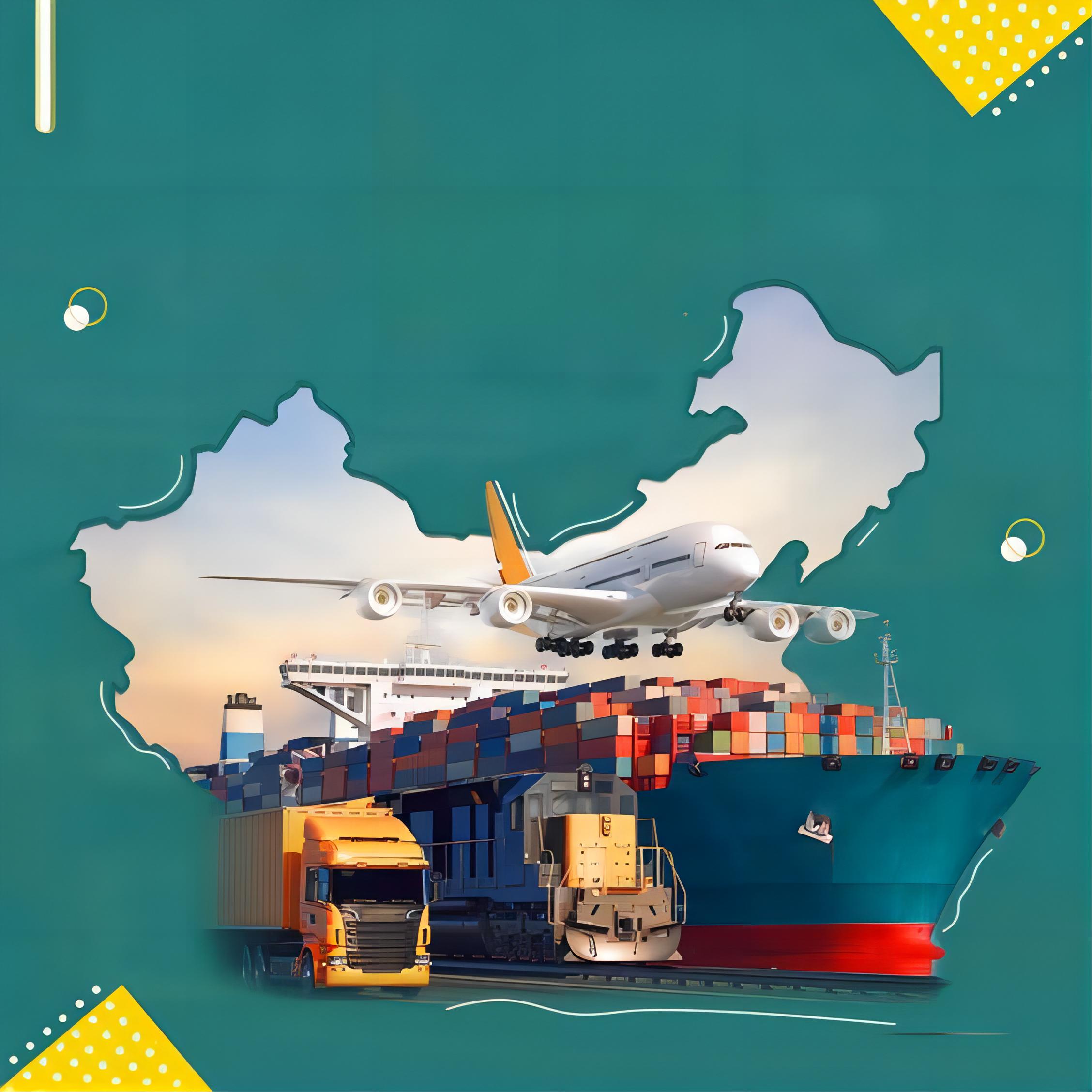
Successfully managing China FCL DDP shipping to Portugal requires attention to detail and a strong logistics partner. By understanding the benefits of FCL and the simplicity of DDP terms, you can significantly reduce your operational stress. Furthermore, accurate documentation and strategic port selection will ensure your goods arrive on time and within budget.
As market conditions evolve in 2025, staying informed about freight trends is more important than ever. Whether you are shipping electronics, furniture, or industrial machinery, the FCL DDP model offers the reliability your business needs. Start optimizing your cargo handling today and watch your international trade operations flourish.
Ready to streamline your logistics?
Ready to streamline your import business with China FCL DDP shipping to Portugal? Contact Top China Forwarder today for a customized quote and expert guidance on your next shipment. Our team is standing by to handle every detail from the factory floor to your warehouse door. Visit our website to request your free freight analysis now.
Request Quote