

China FCL DDU shipping to California: The Ultimate Guide to Cost-Efficient Logistics
China FCL DDU shipping to California represents a vital link in the global supply chain for businesses seeking reliable delivery. Navigating the complexities of international trade requires a deep understanding of logistics frameworks and cost structures. By partnering with Top China Forwarder, importers can streamline their operations and ensure that cargo reaches its destination efficiently. This comprehensive guide explores everything from transit times to cost-saving strategies for your next shipment.
Understanding the Fundamentals of China FCL DDU shipping to California
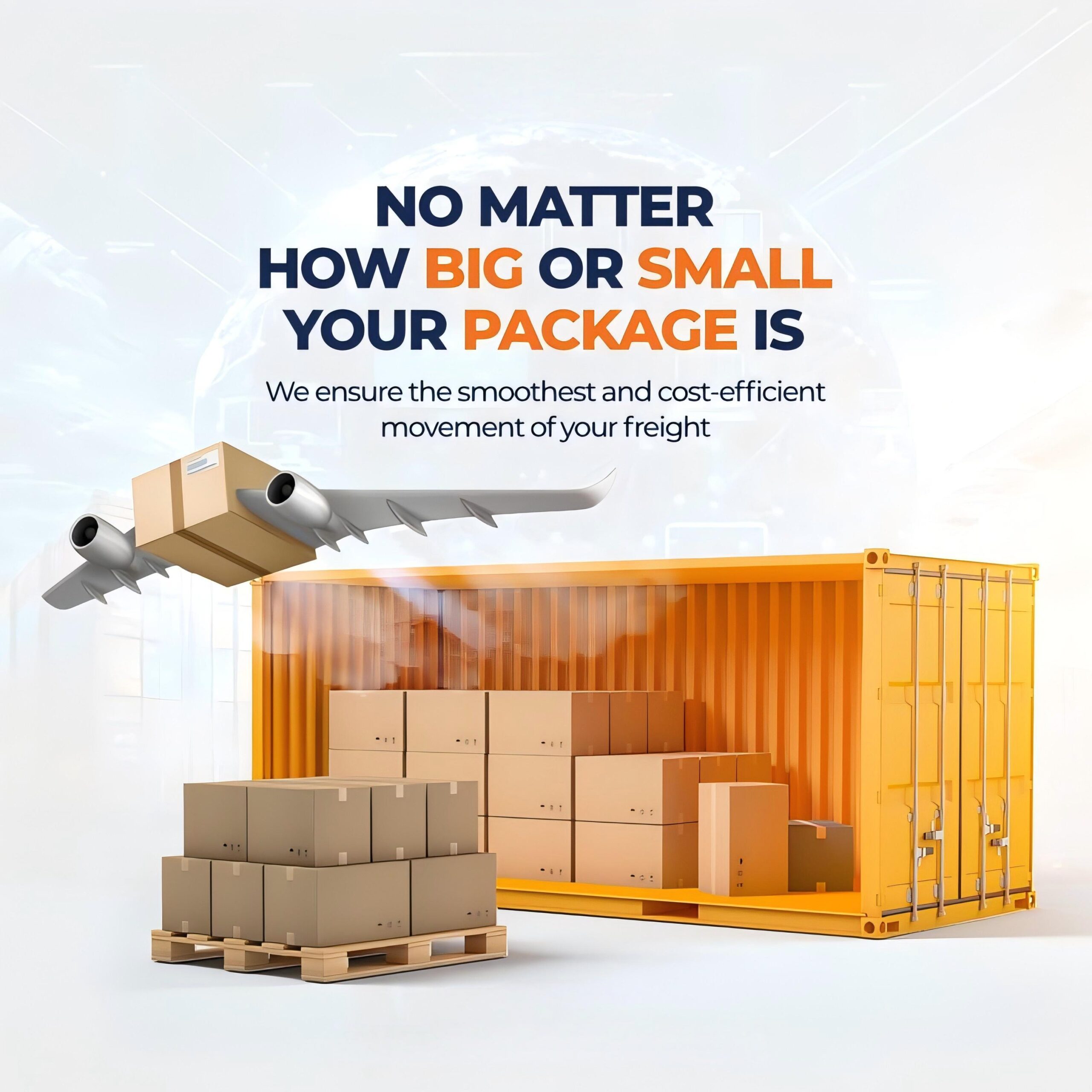
Full Container Load (FCL) shipping offers a dedicated space for your goods, ensuring that your cargo remains undisturbed throughout the journey. Specifically, the DDU (Delivered Duty Unpaid) Incoterm means the seller is responsible for the safe delivery of goods to a named destination in California. However, the buyer must handle the payment of import duties and taxes upon arrival. This arrangement provides a balance of control and responsibility for both parties involved in the transaction.
Choosing FCL over other methods often results in faster transit times because the container does not need to be consolidated with other shipments. Consequently, businesses can maintain tighter inventory schedules and reduce the risk of damage during handling. Moreover, California serves as the primary gateway for Asian imports, boasting world-class infrastructure at the ports of Los Angeles and Long Beach. Understanding these logistics dynamics is essential for any company looking to optimize its transpacific trade routes.
Selecting the right equipment is the next logical step in the process. Most importers utilize standard 20ft or 40ft containers depending on their specific volume requirements. Furthermore, specialized containers like the 40HQ (High Cube) offer extra vertical space for lightweight but bulky items. By evaluating your cargo dimensions accurately, you can maximize container utilization and lower your overall shipping costs from China to California.
How Does FCL DDU Compare to Other Shipping Options?
Comparing different shipping modes allows businesses to make informed decisions based on their budget and urgency. While sea freight remains the most economical choice for large volumes, it requires longer lead times than air transport. On the other hand, air freight provides unmatched speed but comes at a significantly higher price point. Therefore, FCL DDU serves as a middle ground for those who prioritize cost-efficiency for bulk shipments.
Alternative strategies such as LCL (Less than Container Load) might seem attractive for smaller volumes. Nevertheless, LCL often involves higher per-unit costs and increased handling risks at CFS (Container Freight Station) facilities. In contrast, FCL DDU ensures your goods stay inside one sealed unit from the factory to your California warehouse. Additionally, hybrid solutions like sea-air combinations can offer a compromise between speed and cost for time-sensitive cargo.
Evaluating the trade-offs between DDU and DDP (Delivered Duty Paid) is also crucial. DDU allows the buyer to use their own bond and manage tax deferment strategies, which can improve cash flow. Conversely, DDP puts the entire administrative burden on the seller, which might lead to higher service fees. Most experienced importers prefer DDU as it allows for greater transparency in the customs brokerage process and direct control over tax payments.
| Shipping Method | Cost Range | Transit Time | Best For | Limitations |
|---|---|---|---|---|
| FCL Sea Freight | $2,500 – $4,500 | 14-22 Days | Bulk Inventory | Slower than Air |
| LCL Sea Freight | $50 – $150/CBM | 20-28 Days | Small Batches | Higher Handling |
| Air Freight | $5 – $12/kg | 3-7 Days | Urgent Goods | Very High Cost |
| Express Service | $8 – $15/kg | 2-5 Days | Samples/Docs | Weight Limits |

Analyzing Transit Times and California Port Logistics
Ocean freight transit time from major Chinese ports to California is among the fastest transpacific routes. Typically, a direct vessel from Shanghai or Ningbo to Los Angeles takes between 14 and 18 days. However, factors such as weather conditions, port congestion, and carrier schedules can influence the final delivery date. Consequently, it is wise to factor in an additional 5-7 days for container discharge and local trucking within the state.
Southern California ports, specifically Los Angeles (POLA) and Long Beach (POLB), handle the vast majority of FCL traffic. These ports are equipped with advanced automated terminals that speed up the unloading process significantly. Meanwhile, Northern California’s Port of Oakland serves as a strategic alternative for deliveries destined for the San Francisco Bay Area. Choosing the correct port of discharge can save hundreds of dollars in inland drayage costs.
Reliable door to door services include the final leg of the journey via truck or rail. For deliveries within a 100-mile radius of the port, trucking is the most efficient option. Nevertheless, if your warehouse is located further inland, intermodal rail might offer a more sustainable and cost-effective solution. Always coordinate with your forwarder to ensure that the delivery appointment aligns with your warehouse receiving hours.
| Origin Port | Destination Port | Service Type | Average Days |
|---|---|---|---|
| Shanghai | Los Angeles | Direct Fast | 14-16 |
| Shenzhen | Long Beach | Direct Standard | 16-18 |
| Ningbo | Oakland | Direct | 18-21 |
| Qingdao | Los Angeles | Transshipment | 22-25 |
Real-World Case Studies: China FCL DDU shipping to California
Case Study 1: Electronics from Shenzhen to Los Angeles. Route: Shenzhen, China to Los Angeles, California. Cargo: Consumer Electronics, 65 CBM, 15,000 kg. Container: 40HQ. Shipping Details: Major carrier direct service. Port of Loading: Shenzhen. Port of Discharge: Los Angeles. Cost Breakdown: Ocean Freight: $3,200. Origin Charges: $450. Destination Charges: $600. Customs and Duties: $4,200 (Paid by Buyer). Total Landed Cost: $8,450. Timeline: Booking to Loading: 4 days. Sea Transit: 16 days. Customs Clearance: 2 days. Total Door-to-Door: 25 days. Key Insight: Using a direct fast-boat service minimized the risk of holiday season delays.
Case Study 2: Furniture from Ningbo to Sacramento. Route: Ningbo, China to Sacramento, California. Cargo: Wooden Furniture, 28 CBM, 8,000 kg. Container: 20GP. Shipping Details: Standard ocean service with inland drayage. Port of Loading: Ningbo. Port of Discharge: Oakland. Cost Breakdown: Ocean Freight: $1,900. Origin Charges: $350. Destination Charges: $850 (includes drayage). Customs and Duties: $1,200 (Paid by Buyer). Total Landed Cost: $4,300. Timeline: Booking to Loading: 5 days. Sea Transit: 19 days. Customs Clearance: 3 days. Total Door-to-Door: 30 days. Key Insight: Discharging at Oakland instead of Los Angeles saved $400 in trucking fees for the Sacramento destination.
Note: Freight rates are subject to change based on fuel costs, carrier capacity, and seasonal demand. Contact us for a current quote tailored to your specific shipment. Market data suggests that rates for China FCL DDU shipping to California typically peak during the Q3 months as retailers prepare for the holiday season.
Which Option Should You Choose? A Decision Framework
Determining the best shipping strategy requires a clear assessment of your business priorities. If your primary goal is budget optimization and you are shipping more than 15 CBM, FCL sea freight is the clear winner. However, if you are launching a new product and need immediate market presence, air freight might be necessary despite the cost. Therefore, analyzing your profit margins against transit times is a vital exercise for every shipment.
Cargo type also plays a significant role in the decision-making process. Fragile or high-value items benefit from the reduced handling of FCL units. Additionally, heavy industrial equipment is often restricted to sea freight due to aircraft weight limitations. For those shipping to North America, the massive infrastructure of the West Coast makes FCL DDU an incredibly reliable choice for consistent supply chain flow.
Volume thresholds often dictate when to switch from LCL to FCL. Usually, once a shipment exceeds 13-15 cubic meters, the cost of a full 20ft container becomes cheaper than paying individual CBM rates for LCL. Furthermore, FCL gives you the flexibility to use your own packing materials and optimize the internal space. Consequently, many growing businesses find that moving to FCL is a major milestone in their logistics maturity.
Essential Documentation and Customs Procedures
Navigating the paperwork for DDU shipments is critical to avoid expensive demurrage and detention charges. The Commercial Invoice and Packing List must be accurate and match the details on the Bill of Lading. Additionally, you will need to provide an ISF (Importer Security Filing) 10+2 form to US Customs at least 24 hours before the vessel departs from China. Failure to comply with these regulations can result in significant fines and cargo holds.
Effective customs brokerage ensures that your HTS (Harmonized Tariff Schedule) codes are correctly applied. This is particularly important for DDU shipments where the buyer is responsible for paying the duties. Moreover, certain products may require additional permits from agencies like the FDA or EPA. By preparing these documents in advance, you can ensure a seamless transition from the port to your final destination in California.
Insurance is another factor that should never be overlooked in international trade. While carriers provide limited liability, marine cargo insurance offers comprehensive protection against theft, damage, or loss at sea. Typically, the cost of insurance is a small fraction of the cargo value, providing peace of mind for high-stakes shipments. Indeed, many professional forwarders recommend ‘All Risk’ coverage for FCL containers to mitigate the financial impact of unforeseen maritime incidents.
Final Thoughts on Shipping FCL DDU to California
To summarize, China FCL DDU shipping to California offers a robust and cost-effective solution for businesses of all sizes. By leveraging the speed of transpacific ocean routes and the efficiency of California’s ports, importers can maintain a competitive edge. It is essential to remember that while the seller handles the logistics, the buyer must remain proactive in managing customs duties and documentation.
Success in international shipping depends on planning, clear communication, and choosing the right logistics partner. Whether you are shipping electronics, furniture, or industrial parts, the FCL DDU model provides the security and control needed in today’s volatile market. As logistics trends continue to evolve, staying informed about rate fluctuations and port conditions will ensure your supply chain remains resilient and profitable.
Ready to streamline your logistics?
Ready to optimize your supply chain with reliable China FCL DDU shipping to California? Contact Top China Forwarder today to receive a customized quote and expert guidance on your next shipment. Visit our website to learn more or send an inquiry to start your logistics journey with a partner you can trust. Visit https://topchinaforwarder.com/ for more information.
Request Quote