

Best Route for FCL Shipping from China to Belgium: A Comprehensive Logistics Guide
Finding the best route for FCL shipping from China to Belgium is a critical decision for businesses aiming to optimize their global supply chains and reduce overhead costs. Selecting the right logistics path involves balancing transit speed, freight reliability, and total landed costs to ensure your inventory arrives safely at Belgian ports or warehouses. Top China Forwarder provides professional guidance to help importers navigate the complexities of international trade between these two major economic hubs.

What Is the Best Route for FCL Shipping from China to Belgium?
Determining the best route for FCL shipping from China to Belgium depends heavily on your specific cargo requirements and budget constraints. Most businesses prioritize the maritime route connecting major Chinese ports like Shanghai or Ningbo to the Port of Antwerp, which serves as a primary gateway to Europe. This route offers the most competitive pricing for large volumes and provides consistent weekly schedules from major carriers.
Moreover, the geopolitical landscape and sea conditions can influence which specific path is most efficient at any given time. While the Suez Canal remains the traditional artery for this trade lane, some carriers may opt for the Cape of Good Hope route during periods of regional instability. Consequently, staying informed about current maritime trends is essential for maintaining a predictable delivery schedule.
Alternatively, rail freight has emerged as a powerful contender for those seeking a middle ground between speed and cost. The New Silk Road connects industrial hubs in inland China directly to Belgian rail terminals, significantly cutting down the transit time compared to ocean voyages. Indeed, choosing the right mode of transport requires a deep understanding of current market dynamics and infrastructure capabilities.
Exploring Sea Freight Options to the Port of Antwerp
Shipping via sea freight remains the most popular choice for Full Container Load (FCL) shipments due to its unmatched capacity. Major Chinese ports such as Shenzhen, Qingdao, and Xiamen handle thousands of containers destined for Belgium every month. These vessels typically traverse the South China Sea and the Indian Ocean before entering the Mediterranean and finally reaching the North Sea.
Notably, the Port of Antwerp-Bruges stands as the second-largest port in Europe, offering world-class infrastructure for cargo handling and distribution. Furthermore, the efficiency of this port ensures that customs clearance and inland transportation to other Belgian cities like Ghent or Brussels occur rapidly. Therefore, most high-volume importers prefer this direct maritime link for its reliability and cost-effectiveness.
Shipping rates for 20GP and 40HQ containers on this route are currently influenced by fuel surcharges and seasonal demand shifts. As of early 2025, market data suggests that ocean freight rates have stabilized, though peak season spikes still occur between August and October. Importers should plan their bookings at least 3-4 weeks in advance to secure space on the best vessels.
| Port of Loading | Typical Transit Time | Frequency | Best For |
|---|---|---|---|
| Shanghai | 30-35 Days | Daily | General Merchandise |
| Ningbo | 32-36 Days | Daily | Industrial Machinery |
| Shenzhen | 28-32 Days | Multiple Weekly | Electronics and Tech |
| Qingdao | 35-40 Days | Weekly | Heavy Raw Materials |
The Rise of Rail Freight via the New Silk Road
Utilizing rail freight has become a strategic alternative for businesses that need faster delivery than sea freight but cannot justify the high cost of air transport. The China-Europe Railway Express connects cities like Xi’an, Chengdu, and Zhengzhou to European hubs, with many trains terminating or transshipping near Liege or Antwerp. This land-based route typically reduces transit time by 10 to 15 days compared to the traditional sea voyage.
However, rail capacity is more limited than ocean freight, making it vital to book slots early during high-demand periods. Additionally, rail transport is particularly beneficial for high-value goods like automotive parts or specialized electronics that require a faster time-to-market. Consequently, many Belgian retailers are incorporating rail solutions into their diversified supply chain strategies.
Market intelligence indicates that rail rates have become more competitive as infrastructure improvements continue across Central Asia and Eastern Europe. While rail is generally 50% to 70% more expensive than sea freight, the savings in inventory carrying costs often justify the investment. Without a doubt, the rail route provides a reliable backup when sea lanes face congestion or delays.

How Does FCL Sea Freight Compare to Other Shipping Options?
Objective analysis of all shipping methods is necessary to determine the most profitable strategy for your business. While sea freight is the king of volume, air freight offers unparalleled speed for urgent shipments. Meanwhile, rail freight occupies the middle tier, offering a balanced approach for medium-urgency cargo. Each method carries specific trade-offs regarding cost, speed, and environmental impact.
For instance, a 40HQ container might cost $3,500 via sea but would be impossible to move via air for a similar price point. On the other hand, if your production is delayed and you risk missing a product launch, the speed of air freight becomes invaluable despite the premium price. Understanding these nuances allows logistics managers to switch between methods as market conditions evolve.
Hybrid solutions, such as sea-air or rail-sea combinations, are also gaining traction among sophisticated importers. These strategies involve shipping goods via sea to a hub like Dubai or Singapore and then flying them to Belgium to save time. Nevertheless, for the majority of FCL shipments, the direct sea route remains the primary choice for Belgian importers.
| Shipping Method | Cost Range (40HQ) | Transit Time | Best For |
|---|---|---|---|
| Sea Freight | $3,000 – $4,500 | 30-40 Days | Large volumes, Low cost |
| Rail Freight | $6,000 – $8,500 | 18-22 Days | High-value, Medium speed |
| Air Freight | $25,000+ | 3-7 Days | Urgent, Small/Light |
| Sea-Air Hybrid | $12,000 – $18,000 | 15-20 Days | Balanced urgency |
Customs Clearance and Documentation in Belgium
Navigating customs brokerage is a fundamental step in ensuring your FCL shipment enters Belgium without legal hurdles or extra storage fees. Belgian customs authorities require precise documentation, including the commercial invoice, packing list, and bill of lading. Furthermore, specific goods may require additional certificates such as CE markings for electronics or phytosanitary certificates for agricultural products.
Incorrect paperwork often leads to expensive port storage charges, also known as demurrage and detention. Therefore, working with an experienced customs partner helps you classify goods correctly under the Harmonized System (HS) codes. Consequently, you can ensure that the correct VAT and import duties are calculated, preventing audits and financial penalties down the line.
Belgium serves as a major entry point for the entire European Union, meaning customs procedures here are highly standardized but rigorous. Importers must have a valid EORI number to conduct trade within the EU. Additionally, utilizing a fiscal representation service in Belgium can provide cash flow advantages regarding VAT payments upon import.
Shipping from China to Europe: Regional Logistics Hubs
Strategic positioning in Europe makes Belgium an ideal location for regional distribution centers. Beyond the Port of Antwerp, the airport in Liege acts as a massive hub for e-commerce and air cargo, connecting seamlessly with the Belgian rail and road network. This interconnectedness allows businesses to move goods from China to anywhere in Western Europe within 24 to 48 hours of arrival.
Moreover, the proximity to major markets like Germany, France, and the Netherlands enhances the value of choosing Belgium as your primary discharge point. Logistics trends suggest that more companies are moving toward decentralized warehousing, using Belgium as their main European anchor. Accordingly, the demand for efficient FCL routes to this region continues to grow annually.
In addition to infrastructure, the Belgian logistics sector is known for its high level of digitalization and cargo security. This environment reduces the risk of theft or damage during the final leg of the journey. To summarize, the best route for FCL shipping from China to Belgium is not just about the sea voyage, but also about the superior inland connectivity offered by the country.
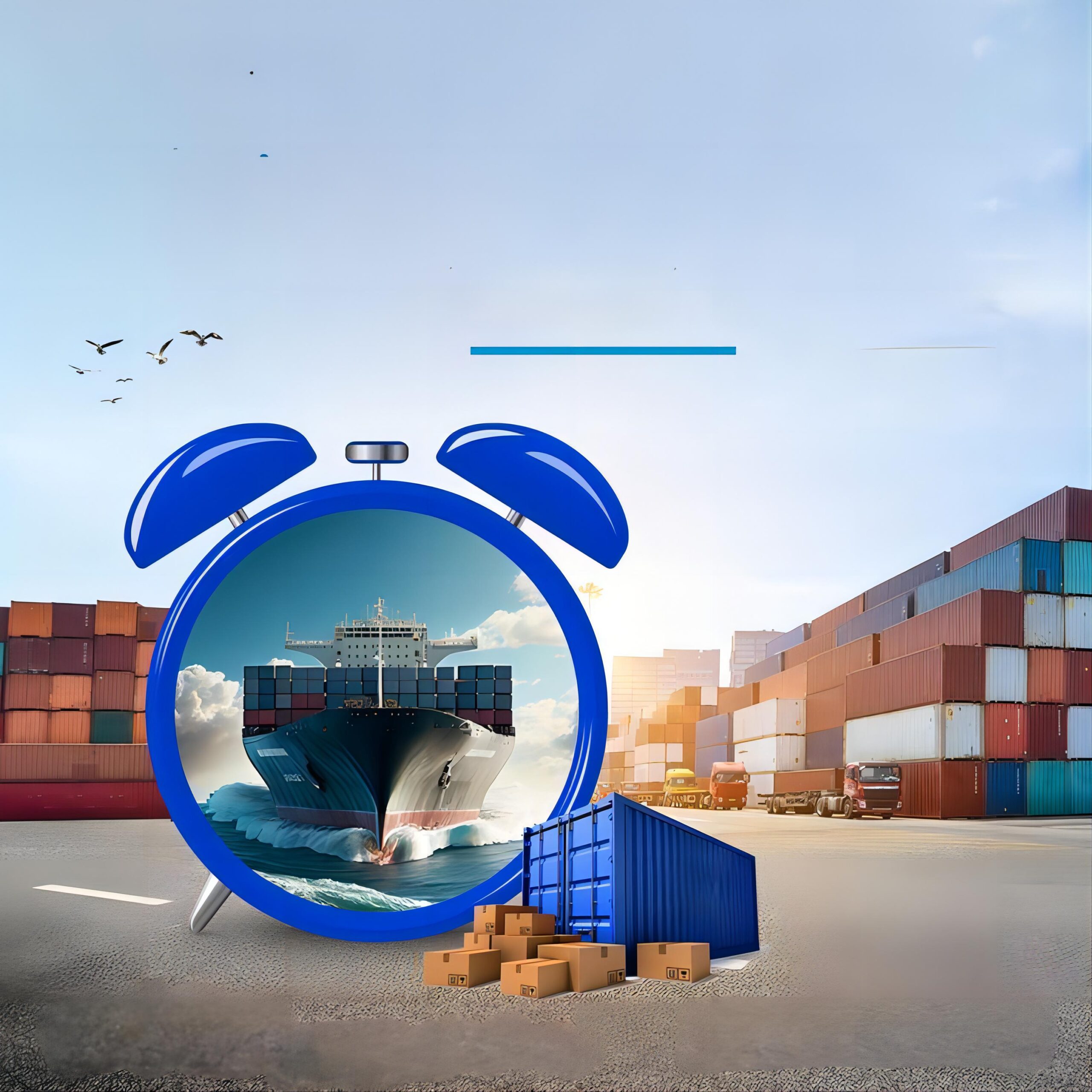
Case Study 1: Sea Freight Success from Shenzhen to Antwerp
Case Study 1: Electronics Distribution
Route: Shenzhen, China to Antwerp, Belgium
Cargo: Consumer Electronics, 68 CBM, 14,500 kg
Container: 40HQ
Shipping Details:
– Carrier: Maersk
– Port of Loading: Shenzhen (Yantian)
– Port of Discharge: Antwerp
– Route Type: Direct
Cost Breakdown:
– Ocean Freight: $3,850
– Origin Charges: $450
– Destination Charges: $600
– Customs and Duties: $4,200
– Total Landed Cost: $9,100
Timeline:
– Booking to Loading: 5 days
– Sea Transit: 31 days
– Customs Clearance: 2 days
– Total Door-to-Door: 38 days
Key Insight: This shipment benefited from a direct sailing, avoiding transshipment delays in Singapore. Based on Q4 2024 market rates, the client saved $1,200 by booking three weeks before the Golden Week holiday.
Case Study 2: Rail Freight Efficiency from Xi’an to Liege
Case Study 2: Industrial Spare Parts
Route: Xi’an, China to Liege, Belgium
Cargo: Machine Components, 28 CBM, 8,000 kg
Container: 20GP
Shipping Details:
– Carrier: China-Europe Railway Express
– Port of Loading: Xi’an Inland Terminal
– Port of Discharge: Liege Rail Terminal
– Route Type: Rail Direct
Cost Breakdown:
– Rail Freight: $5,200
– Origin Handling: $300
– Destination Handling: $450
– Customs and Duties: $2,800
– Total Landed Cost: $8,750
Timeline:
– Booking to Loading: 7 days
– Rail Transit: 19 days
– Customs Clearance: 1 day
– Total Door-to-Door: 27 days
Key Insight: The client chose rail because their production schedule was delayed by two weeks. While the freight cost was higher than sea, the faster transit time allowed them to fulfill their contract with a Belgian manufacturer on time. Typical rates as of early 2025.
Which Option Should You Choose? Decision Framework
Choosing the ideal shipping method requires a systematic evaluation of your business priorities and the nature of your cargo. If your primary goal is cost reduction and you have a flexible lead time, sea freight is undoubtedly the most suitable option for your FCL needs. Conversely, if you are handling high-value goods with a short shelf life or strict contract deadlines, rail freight provides the necessary speed.
Budget priority: Recommend sea freight via the Port of Antwerp for maximum savings. This is best for non-perishable consumer goods and raw materials where profit margins are tight. Speed priority: Recommend rail freight or air freight for urgent inventory replenishment. This is crucial for maintaining stock levels during unexpected demand surges.
Cargo type considerations: Heavy machinery and bulk commodities are best suited for 20GP or 40GP containers via ocean routes. Fragile or high-tech equipment often benefits from the smoother ride and reduced handling involved in rail or air transport. Volume thresholds: For shipments exceeding 15 CBM, FCL is almost always more economical than LCL, regardless of the route chosen.
Ultimately, a multi-modal approach often yields the best results. By splitting your inventory between a slow, cheap sea route and a fast rail route, you can manage cash flow while ensuring you never run out of stock. Consult with a professional forwarder to tailor these strategies to your specific operational needs.
Maximizing Efficiency with Door to Door Solutions
Implementing a door to door service model simplifies the entire logistics chain by placing responsibility on a single provider. This approach eliminates the need for the importer to coordinate between multiple truckers, warehouse operators, and customs agents. Consequently, it reduces the risk of communication errors that lead to costly delays at the port.
Furthermore, door-to-door shipping provides a clear, all-in price, making it easier for businesses to calculate their exact landed costs per unit. This level of transparency is vital for accurate pricing and financial planning in competitive markets. Indeed, most modern importers are moving away from port-to-port shipping in favor of these comprehensive end-to-end solutions.
Our team specializes in managing every detail from the factory floor in China to the final delivery at your Belgian facility. We handle the pickup, container loading, export documentation, international transit, and final mile delivery. This holistic management ensures that the best route for FCL shipping from China to Belgium is executed flawlessly every time.
Final Thoughts on FCL Shipping to Belgium
Selecting the best route for FCL shipping from China to Belgium involves a careful balance of cost, speed, and reliability. Whether you choose the traditional sea route to the Port of Antwerp or the accelerated rail path via the New Silk Road, understanding the nuances of each method is key to success. By partnering with an experienced forwarder, you can mitigate risks and ensure your goods arrive on time and within budget.
As market conditions continue to evolve in 2025, staying adaptable and informed will provide your business with a significant competitive advantage. Always consider your specific cargo needs and use the decision frameworks provided to make the most informed choice for your logistics operations. Note: Freight rates are subject to change based on fuel costs, carrier capacity, and seasonal demand. Contact us for a current quote tailored to your specific shipment.
Ready to streamline your logistics?
Optimizing your international logistics requires expertise and a deep understanding of the best route for FCL shipping from China to Belgium. Contact our team today to receive a customized freight quote and discover how we can streamline your supply chain. Let us help you navigate the complexities of global trade with ease. Send Inquiry link:
Request Quote