

FCL shipping for lighting from China to Czech Republic: The Complete Guide
Navigating the complexities of international logistics requires a strategic approach, especially when dealing with delicate and high-value items like lighting fixtures. This comprehensive guide explores the nuances of FCL shipping for lighting from China to Czech Republic to help you optimize your supply chain costs and efficiency. By partnering with a reliable Top China Forwarder, businesses can ensure their products arrive safely and on schedule.

Why Choose FCL Shipping for Lighting from China to Czech Republic?
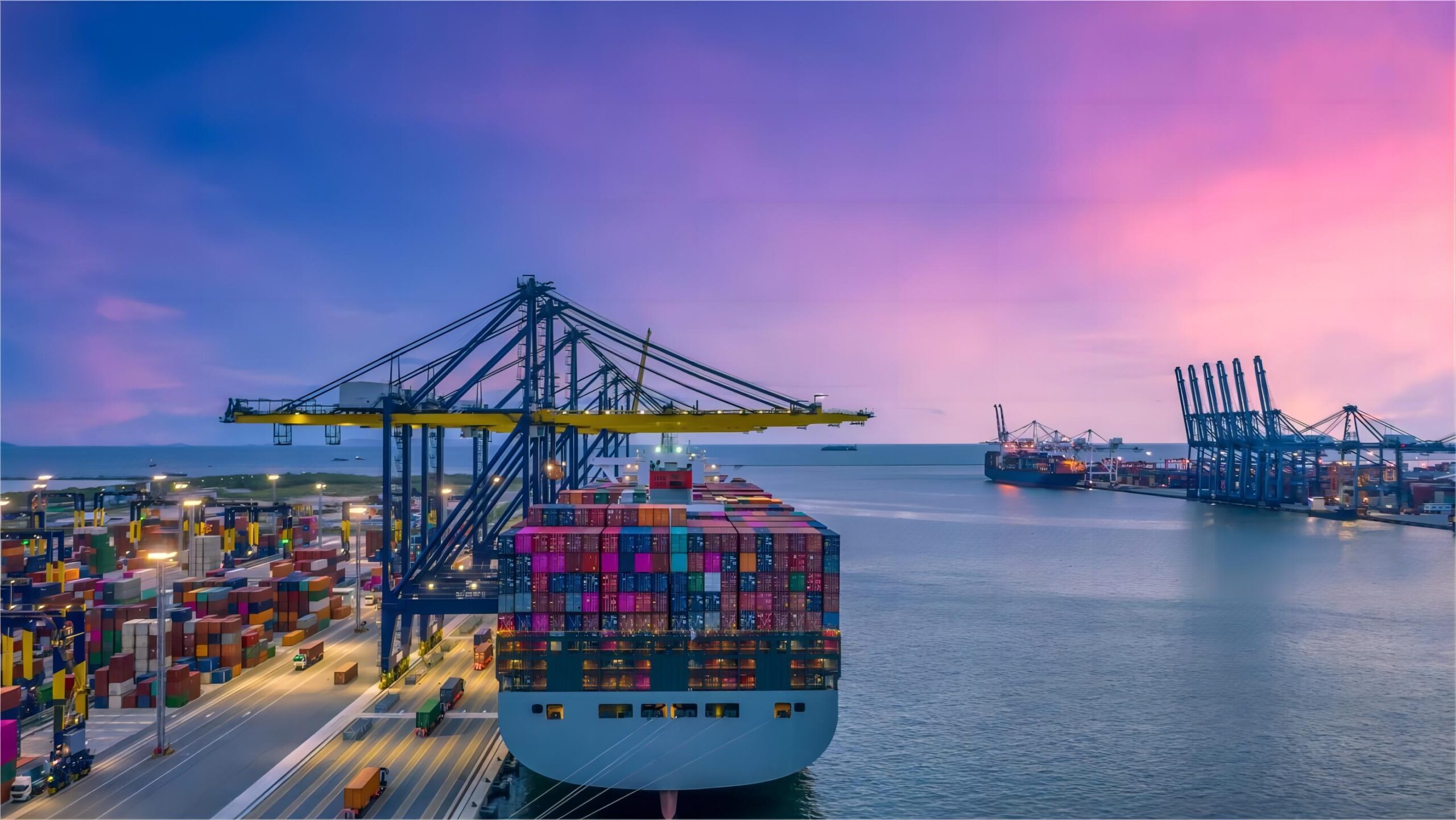
Choosing Full Container Load (FCL) services offers significant advantages for importers who need to move large volumes of lighting equipment safely. Since your goods occupy the entire container, the risk of damage from other shippers’ cargo is virtually eliminated during the journey. Furthermore, FCL shipments generally experience fewer delays at the port because they do not require the consolidation or deconsolidation processes associated with smaller shipments.

Selecting sea freight as your primary mode of transport provides a cost-effective solution for bulky items like chandeliers or commercial LED panels. Consequently, businesses can maintain higher profit margins by reducing the landed cost per unit of their lighting products. Indeed, the stability of FCL shipping makes it the preferred choice for long-term supply chain planning.
Moreover, FCL allows for better control over the loading and unloading process at the origin and destination. You can implement specific stacking protocols to protect fragile glass components or sensitive electronic drivers. Therefore, this method remains the industry standard for high-quality lighting imports into Central Europe.
How Does FCL Shipping for Lighting Compare to Other Shipping Options?
Evaluating different transport modes is essential to find the right balance between speed and budget for your specific lighting project. While FCL is excellent for volume, some scenarios might demand the speed of air or the middle-ground efficiency of rail. On the other hand, smaller shipments might be better suited for Less than Container Load (LCL) services if you cannot fill a 20-foot container.
Consider rail freight as a viable alternative when you need faster delivery than sea but cannot afford the high premiums of air transport. As a result of the ‘New Silk Road’ initiatives, rail connections between China and the Czech Republic have become increasingly reliable. For instance, rail transit typically takes about 18 to 22 days, which is nearly half the time of traditional sea routes.
Without a doubt, each method has its trade-offs regarding cost and transit time. For example, sea freight costs between 2,000 and 3,500 USD for a 40HQ container, whereas air freight for the same volume would be prohibitively expensive. In contrast, air freight is indispensable for urgent samples or high-demand product launches.
| Shipping Method | Cost Range | Transit Time | Best For | Limitations |
|---|---|---|---|---|
| FCL Sea Freight | 1,800 – 4,200 USD | 30 – 45 Days | Bulk orders, low cost | Longest transit time |
| Rail Freight | 4,000 – 6,500 USD | 18 – 22 Days | Mid-range urgency | Weather disruptions |
| Air Freight | 5 – 9 USD per kg | 5 – 7 Days | Urgent/High value | Very expensive |
| LCL Sea Freight | 50 – 120 USD/CBM | 35 – 50 Days | Small shipments | Higher damage risk |
Transit Times and Major Routes to the Czech Republic
Shipping from major Chinese hubs like Shenzhen, Ningbo, or Shanghai involves a journey through the Suez Canal to reach European ports. Typically, containers arrive at ports like Hamburg, Koper, or Rotterdam before being transported by truck or rail to Czech cities like Prague or Brno. However, the specific transit time depends heavily on the chosen port of discharge and the efficiency of the inland connection.
Recent market data suggests that direct sea routes to Adriatic ports like Koper can save several days for shipments destined for Central Europe. Nevertheless, many importers still prefer Northern European ports due to their massive capacity and frequent sailing schedules. Additionally, seasonal weather patterns in the South China Sea can occasionally impact departure dates during the autumn months.
To summarize, you should allow for 35 to 40 days for a standard sea freight journey from port to port. In addition, factor in at least 5 to 7 days for local drayage and customs processing at both ends. Consequently, planning your orders at least two months in advance is a prudent strategy for maintaining consistent inventory levels.
Cost Breakdown for Lighting Shipments
Understanding the total landed cost is vital for any business involved in FCL shipping for lighting from China to Czech Republic. Beyond the base ocean freight rate, you must account for terminal handling charges, documentation fees, and local delivery costs. Furthermore, lighting products often attract specific import duties based on their HS codes and energy efficiency ratings.
According to industry benchmarks, a 20GP container from Shanghai to Prague might cost approximately 2,200 USD in ocean freight during the off-peak season. On the other hand, during the Q4 peak season, these rates can jump by 20 percent or more due to increased demand. Therefore, locking in contracts early can save your business thousands of dollars annually.
Market intelligence indicates that fuel surcharges and currency fluctuations also play a role in monthly pricing shifts. For this reason, we recommend requesting a comprehensive quote that includes all ‘hidden’ fees. Note: Freight rates are subject to change based on fuel costs, carrier capacity, and seasonal demand. Contact us for a current quote tailored to your specific shipment.
| Container Type | Capacity (CBM) | Avg. Rate (2025) | Typical Cargo |
|---|---|---|---|
| 20GP Standard | 28 – 30 CBM | 1,800 – 2,500 USD | Heavy LED drivers |
| 40GP Standard | 58 – 60 CBM | 2,800 – 3,800 USD | General lighting |
| 40HQ (High Cube) | 68 – 70 CBM | 3,000 – 4,200 USD | Lightweight fixtures |
Customs Brokerage and Compliance for Lighting Imports
Navigating the legal requirements for importing electronics into the European Union is a complex task that requires precision. You must ensure all lighting products carry the CE mark and comply with RoHS directives regarding hazardous substances. Additionally, using a professional customs brokerage service can prevent costly seizures or fines at the Czech border.
Importing into the Czech Republic specifically requires a valid EORI number and accurate classification of goods. For instance, LED lamps and traditional decorative fixtures have different HS codes, which directly impacts the duty rate you will pay. Consequently, providing detailed packing lists and commercial invoices is non-negotiable for a smooth clearance process.
Meanwhile, the Czech Customs Administration is known for its strict adherence to safety standards for electrical goods. If your documentation is incomplete, your container could be held for inspection, leading to significant demurrage charges. Indeed, proactive compliance is the most effective way to ensure your supply chain remains uninterrupted.
Essential Packaging for Delicate Lighting Cargo
Protecting your investment begins at the factory floor with high-quality packaging materials designed for long-distance transport. Since FCL shipping for lighting from China to Czech Republic involves multiple handling points, use double-walled corrugated boxes and internal foam bracing. Furthermore, moisture-absorbing silica gel packets are essential to prevent condensation damage during the sea voyage.
Palletizing your cargo within the container provides an extra layer of security and simplifies the unloading process at the warehouse. Nevertheless, you must ensure the pallets are heat-treated and stamped according to ISPM 15 standards to pass international phytosanitary inspections. Accordingly, choosing the right pallet size can also help you maximize the vertical space inside a 40HQ container.
For instance, fragile glass chandeliers require custom wooden crates rather than standard cardboard boxes. Although this increases the initial packaging cost, it significantly reduces the rate of returns and insurance claims. To summarize, the quality of your packaging is just as important as the quality of the shipping service itself.
Case Studies: Real-World Lighting Shipments
Case Study 1: Commercial LED Project. Route: Shenzhen, China to Prague, Czech Republic. Cargo: 1,500 LED Office Panels, 65 CBM. Container: 40HQ. Shipping Details: Major carrier via Hamburg. Total Landed Cost: 5,400 USD (excluding duties). Transit Time: 38 days door-to-door. Key Insight: Utilizing a 40HQ allowed the client to fit the entire order in one container, saving 15% compared to two 20GP units.
Case Study 2: High-End Decorative Lighting. Route: Guzhen, China to Brno, Czech Republic. Cargo: Luxury Glass Chandeliers, 25 CBM. Container: 20GP. Shipping Details: Direct rail service. Total Landed Cost: 4,800 USD. Transit Time: 21 days. Key Insight: Rail was chosen to meet a strict hotel opening deadline, providing the necessary speed without the expense of air freight.
These examples demonstrate how different business needs dictate the choice of shipping method. Whether you prioritize cost or speed, understanding the variables involved in FCL shipping for lighting from China to Czech Republic is the key to success. Based on early 2025 market rates, these scenarios reflect typical costs for professional importers.
Which Option Should You Choose?
Determining the best logistics strategy depends on your inventory turnover and budget constraints. If you are managing a high-volume wholesale business, sea-based FCL is almost always the most economical choice. On the other hand, if you are fulfilling a specific project contract with a tight deadline, door to door rail services might be the better investment.
Budget priority: Choose sea freight FCL for maximum savings on large volumes. Speed priority: Opt for rail freight or air freight depending on the urgency. Cargo type considerations: Use FCL for fragile or high-value items to minimize handling risks. Volume thresholds: If your shipment exceeds 15 CBM, FCL usually becomes more cost-effective than LCL.
Additionally, consider a hybrid approach for complex supply chains. You might ship the bulk of your inventory via sea while sending a small portion via air to handle immediate demand. Therefore, flexibility in your logistics planning can provide a significant competitive advantage in the Czech lighting market.
Final Thoughts on Lighting Logistics
Successfully managing FCL shipping for lighting from China to Czech Republic requires a blend of careful planning, robust packaging, and reliable partnerships. By understanding the cost drivers and transit options available, you can make informed decisions that benefit your bottom line. Furthermore, staying updated on customs regulations and market trends will help you avoid common pitfalls.
In conclusion, while the journey from Chinese factories to Czech warehouses is long, the right logistics strategy makes it manageable and profitable. Whether you choose the cost-efficiency of the sea or the speed of the rails, your focus should always be on safety and compliance. We are here to help you navigate every step of this vital supply chain process.

Ready to streamline your logistics?
Streamline your international logistics today by choosing a partner who understands the intricacies of the lighting industry. Our team provides expert guidance on FCL shipping for lighting from China to Czech Republic to ensure your business stays ahead of the competition. Contact us now for a personalized quote and professional support. Send Inquiry link: https://topchinaforwarder.com/contact-us/
Request Quote