

Flat Rack FCL shipping cost for auto parts from China to Germany: 2025 Guide
Managing the logistics of oversized automotive components requires specialized equipment and precise planning. For many businesses, partnering with a reliable Top China Forwarder is the first step toward securing a stable supply chain. Understanding the Flat Rack FCL shipping cost for auto parts from China to Germany is essential for accurate budgeting and operational efficiency. This comprehensive guide explores current market trends, pricing variables, and the strategic advantages of using flat rack containers for your automotive cargo.
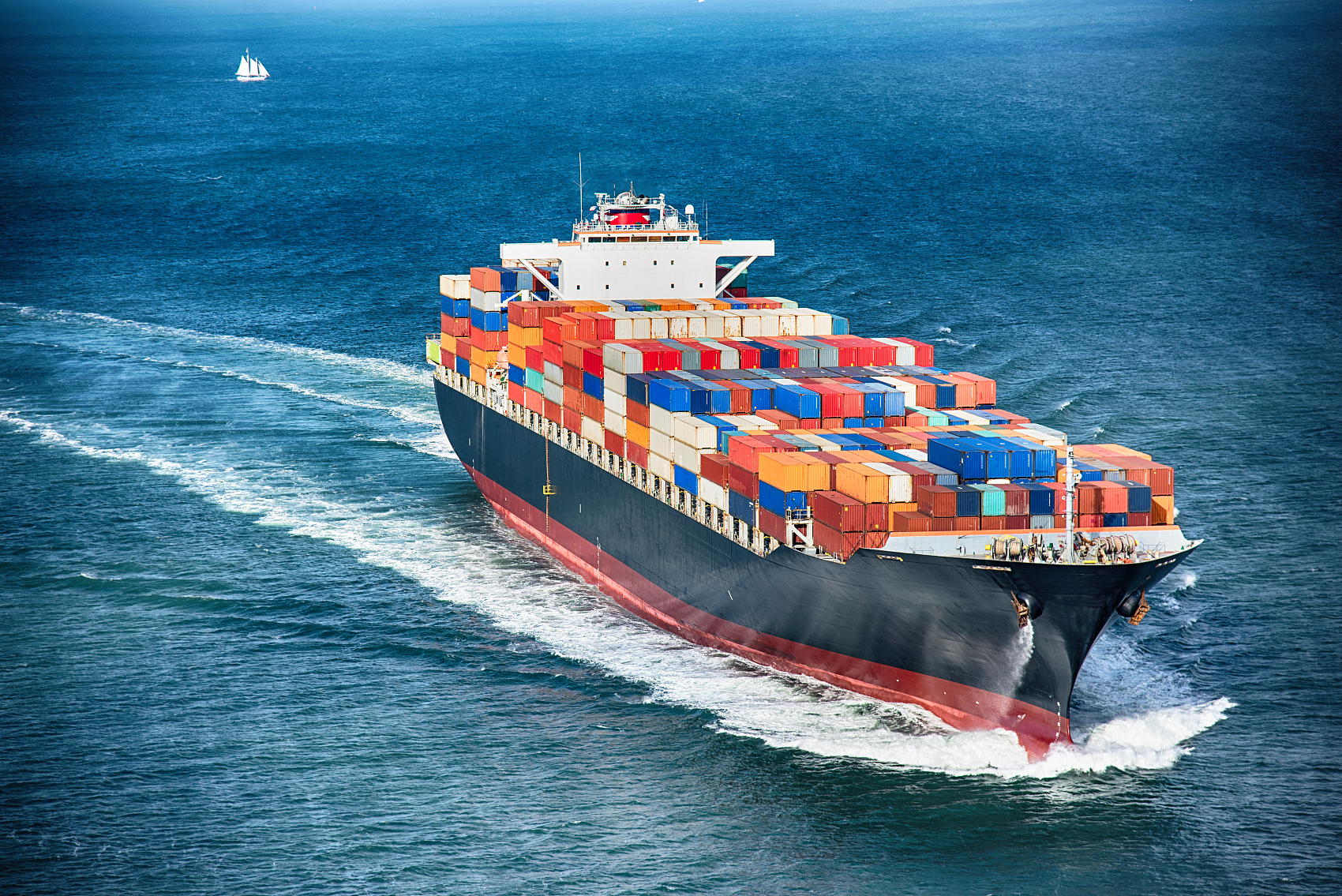
What is Flat Rack FCL and Why is it Essential for Auto Parts?
Flat rack containers are specialized shipping units featuring collapsible or fixed ends without side walls or a roof. This unique design allows for the transport of heavy or oversized cargo that cannot fit into standard dry containers.
Automotive manufacturers frequently use these containers for large components like engine blocks, chassis assemblies, and industrial stamping dies. Consequently, using a flat rack ensures that these bulky items are handled with the necessary structural support.
Choosing sea freight via flat rack offers a balance between cost-efficiency and the ability to move out-of-gauge (OOG) cargo. Moreover, the open-access nature of these units simplifies the loading process for heavy machinery.
Therefore, shippers must understand that while these units provide flexibility, they also come with specific pricing structures. Indeed, the Flat Rack FCL shipping cost for auto parts from China to Germany is typically higher than standard container rates due to the specialized equipment required.
Current Flat Rack FCL shipping cost for auto parts from China to Germany
Market rates for specialized containers fluctuate based on seasonal demand, fuel surcharges, and equipment availability. As of early 2025, freight rates have stabilized but remain higher than pre-2024 levels due to global maritime shifts.
Typically, a 20ft flat rack container from major Chinese ports to Germany costs between 4,500 and 5,800 USD. On the other hand, a 40ft flat rack usually ranges from 6,000 to 8,500 USD depending on the specific dimensions of the cargo.
Additionally, shippers must account for out-of-gauge surcharges if the cargo exceeds the standard width or height of the container frame. These fees can add 20 to 50 percent to the base ocean freight cost.
Note: Freight rates are subject to change based on fuel costs, carrier capacity, and seasonal demand. Contact us for a current quote tailored to your specific shipment.
| Container Type | Origin Port | Destination Port | Estimated Cost (USD) |
|---|---|---|---|
| 20ft Flat Rack | Shanghai | Hamburg | 4,800 – 5,500 |
| 40ft Flat Rack | Shenzhen | Bremerhaven | 6,500 – 7,800 |
| 20ft Flat Rack | Ningbo | Wilhelmshaven | 4,700 – 5,400 |
| 40ft Flat Rack | Qingdao | Hamburg | 6,700 – 8,200 |
How Does Flat Rack Compare to Other Shipping Options?
Comparing different transport methods is vital for optimizing your logistics budget and meeting delivery deadlines. While flat racks are ideal for oversized parts, other methods like rail freight might offer faster transit times for certain regions.
Standard containers are significantly cheaper but only if the auto parts can be dismantled to fit within the enclosed space. However, the labor costs for dismantling and reassembling often outweigh the savings in freight.
Furthermore, roll-on/roll-off (RORO) shipping is an alternative for wheeled automotive cargo, though it is less common for individual components. Consequently, flat racks remain the gold standard for heavy, non-wheeled automotive parts.
Meanwhile, air freight remains the fastest option but is prohibitively expensive for heavy automotive components. Most businesses reserve air transport only for urgent replacement parts or high-value prototypes.
| Method | Cost Range | Transit Time | Best For |
|---|---|---|---|
| Flat Rack Sea | High | 30-40 Days | Oversized Parts |
| Standard FCL | Medium | 30-40 Days | Standard Parts |
| Rail Freight | Medium-High | 18-22 Days | Mid-size Cargo |
| Air Freight | Very High | 3-7 Days | Urgent/Small |
Factors Influencing Your Total Landed Cost
Several variables beyond the base ocean freight contribute to the total Flat Rack FCL shipping cost for auto parts from China to Germany. For instance, terminal handling charges (THC) at both the origin and destination can vary significantly.
Securing and lashing the cargo is another critical expense that shippers often overlook during the initial planning phase. Specialized lashing materials and professional labor are required to ensure the parts do not shift during transit.
Moreover, insurance premiums for OOG cargo are generally higher because the risk of damage is perceived to be greater. Therefore, investing in comprehensive cargo insurance is a necessary step for high-value automotive components.
Documentation and customs brokerage fees also play a role in the final invoice. Ensuring that all HS codes are correctly classified can prevent costly delays and fines at the German border.
Major Shipping Routes and Transit Times
The primary maritime route from China to Germany involves departing from major hubs like Shanghai, Ningbo, or Shenzhen. These vessels typically traverse the South China Sea, the Indian Ocean, and the Suez Canal before reaching Northern Europe.
Transit times usually range from 30 to 45 days depending on the specific port rotation and weather conditions. Nevertheless, port congestion in major hubs like Hamburg can occasionally extend these timelines by several days.
In contrast, choosing a direct service can reduce the risk of transshipment delays, although these routes may carry a premium price. Many automotive companies prefer direct calls to Bremerhaven due to its specialized vehicle handling facilities.
Accordingly, planning your shipment at least 4 to 6 weeks in advance is recommended to secure equipment and space. During peak seasons, such as the months leading up to the end of the year, capacity becomes extremely tight.
Real Case Studies: Flat Rack Shipping Success
Case Study 1: Large Engine Block Shipment. Route: Shanghai to Hamburg. Cargo: 12 units of industrial engine blocks, 22,000 kg. Container: 20ft Flat Rack. Total Landed Cost: 5,450 USD. Transit Time: 34 days. Key Insight: Professional lashing prevented movement during a storm in the Indian Ocean.
Case Study 2: Automotive Chassis Components. Route: Shenzhen to Bremerhaven. Cargo: Oversized chassis frames, 38 CBM. Container: 40ft Flat Rack. Total Landed Cost: 7,900 USD. Transit Time: 38 days. Key Insight: Early booking allowed the shipper to avoid a 15 percent peak season surcharge.
Case Study 3: Heavy Stamping Dies. Route: Ningbo to Hamburg. Cargo: Precision metal dies, 18,000 kg. Container: 20ft Flat Rack. Total Landed Cost: 5,200 USD. Transit Time: 32 days. Key Insight: Utilizing a specialized door to door service simplified the final mile delivery to the factory in Stuttgart.
Cost-Saving Strategies for Automotive Shippers
Reducing the Flat Rack FCL shipping cost for auto parts from China to Germany requires a combination of smart planning and negotiation. One effective strategy is to optimize the dimensions of your cargo to stay within standard flat rack limits.
Furthermore, consolidating multiple components onto a single 40ft flat rack can be more economical than using two 20ft units. However, you must ensure that the total weight does not exceed the maximum payload capacity of the container.
Another approach is to monitor market trends and book shipments during the slack season when carriers are more likely to offer discounts. Typically, rates are lower in the weeks following the Chinese New Year.
Finally, working with a forwarder that has strong relationships with major carriers can provide access to better contract rates. These partnerships often result in more flexible terms and priority equipment release.

Customs Compliance and Documentation for Germany
Importing auto parts into Europe requires strict adherence to German customs regulations and EU standards. Shippers must provide a detailed commercial invoice, a packing list, and a bill of lading for every shipment.
Additionally, a Certificate of Origin may be required to determine the applicable duty rates under various trade agreements. Incorrect documentation is the leading cause of delays at the Port of Hamburg.
Consequently, many businesses choose to outsource this process to experts who understand the nuances of German tax law. Indeed, paying the correct Value Added Tax (VAT) and import duties is essential for maintaining compliance.
Moreover, certain automotive parts may require specific safety certifications or environmental compliance documents. Failure to provide these can lead to the cargo being held or even returned to the origin at the shipper’s expense.
Logistics Trends Affecting 2025 Shipping Rates
The global logistics landscape is currently influenced by the push for green shipping and the adoption of digital tracking technologies. Carriers are increasingly implementing carbon surcharges to offset the cost of cleaner fuels.
Digitalization is also playing a role, with real-time tracking now becoming a standard expectation for high-value automotive cargo. This transparency allows managers to better coordinate production schedules with arrival times.
Meanwhile, geopolitical shifts continue to impact route stability and insurance costs in certain maritime corridors. Consequently, diversifying your port options in both China and Germany can mitigate the risk of localized disruptions.
Therefore, staying informed about these trends is crucial for anyone managing a long-term supply chain. Adapting to these changes early can provide a competitive advantage in the fast-paced automotive industry.
Mastering Your Automotive Supply Chain
Successfully managing the Flat Rack FCL shipping cost for auto parts from China to Germany requires a deep understanding of equipment, routes, and market dynamics. By choosing the right container and optimizing your loading techniques, you can significantly reduce overhead while ensuring cargo safety.
As we move through 2025, staying flexible and informed will be the key to navigating the fluctuations in global trade. Whether you are shipping engines, chassis, or heavy dies, a proactive approach to logistics will always yield the best results for your business.

Ready to streamline your logistics?
Optimizing your Flat Rack FCL shipping cost for auto parts from China to Germany starts with a personalized strategy. Our team is ready to provide you with a detailed quote and expert guidance for your next shipment. Contact us today to streamline your automotive logistics and reduce your landed costs. Send Inquiry to get started with a professional shipping solution.
Request Quote