

40HQ FCL Shipping from China to Miami: The Ultimate 2025 Logistics Guide
40HQ FCL shipping from China to Miami represents a vital link for businesses importing high-volume goods into the Southeastern United States. Navigating this complex trans-Pacific route requires a deep understanding of port dynamics, carrier schedules, and evolving trade regulations. By partnering with an experienced logistics provider like Top China Forwarder, importers can streamline their supply chain and ensure reliable delivery to the Florida market. This guide provides comprehensive insights into optimizing your shipping strategy for maximum efficiency and cost-effectiveness.
Understanding the Benefits of 40HQ FCL Shipping from China to Miami
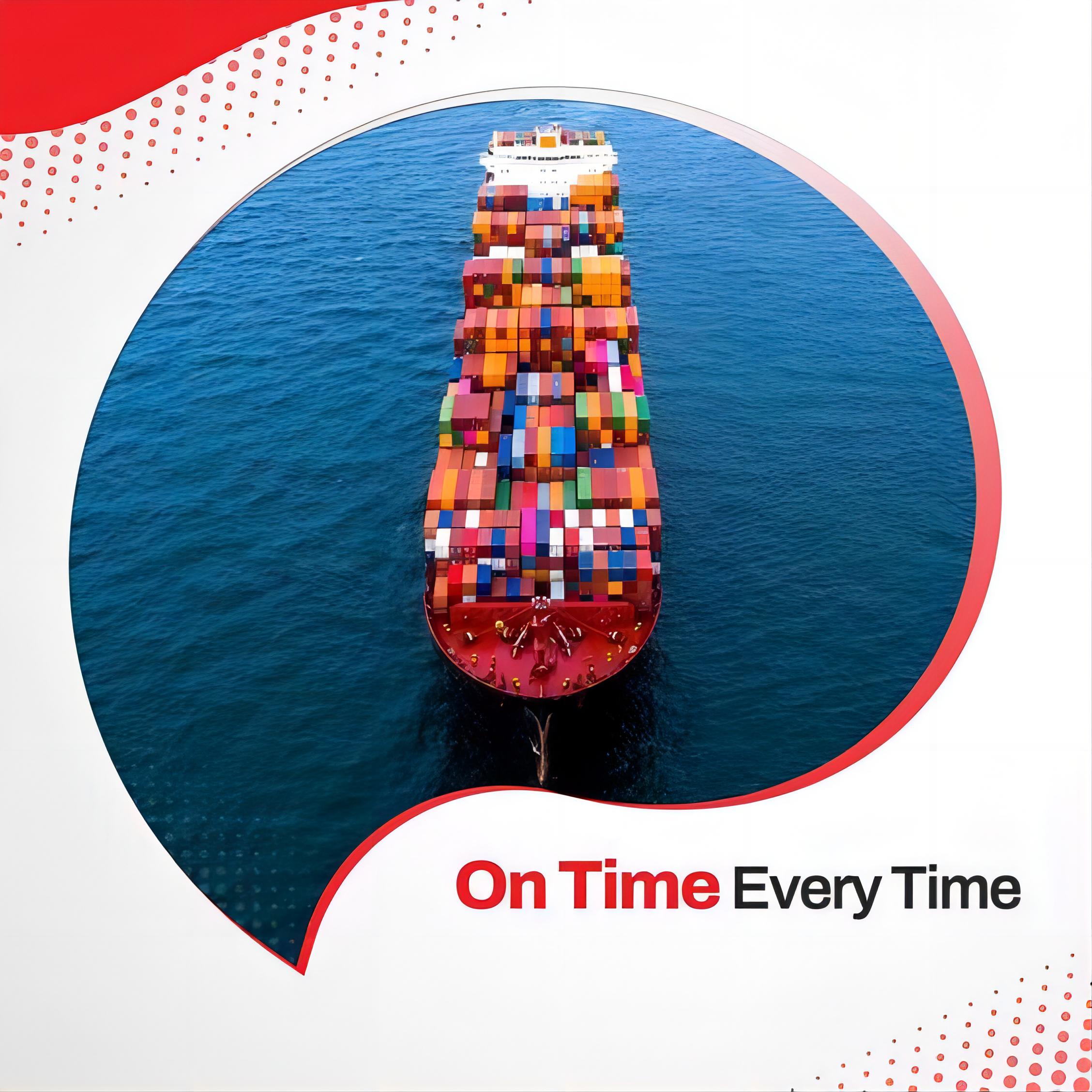
Choosing a 40ft High Cube (40HQ) container offers significant advantages for large-scale shipments. Specifically, the extra foot of height compared to standard containers allows for approximately 12 percent more volume, making it ideal for light but bulky goods. Consequently, businesses can maximize their cargo space and reduce the per-unit shipping cost effectively.
Utilizing sea freight services for full container loads ensures that your goods remain undisturbed throughout the journey. Furthermore, FCL shipments generally face fewer delays at the port compared to Less than Container Load (LCL) shipments, which require consolidation. This reliability is crucial for maintaining a consistent inventory flow in the competitive Miami retail and wholesale sectors.
Moreover, shipping directly to Miami provides a strategic gateway to the entire Florida peninsula and the wider Caribbean region. Indeed, the Port of Miami is one of the most technologically advanced hubs in North America, capable of handling the largest neo-Panamax vessels. Therefore, selecting the 40HQ FCL option is often the most logical choice for established importers.
Transit Times and Route Options for Miami Imports
Transit times for 40HQ FCL shipping from China to Miami typically range from 30 to 40 days depending on the specific route and carrier. For instance, shipments departing from Shenzhen or Ningbo may take slightly longer if they transit through the Panama Canal. Alternatively, some carriers utilize the Suez Canal route, which can vary in duration based on global maritime conditions.
Additionally, port congestion at major hubs like Shanghai or the arrival terminal in Miami can influence the final delivery date. Nevertheless, direct services often provide the most predictable schedules for businesses with strict deadlines. To mitigate risks, importers should always account for a buffer period when planning their supply chain cycles.
Meanwhile, seasonal fluctuations such as the Lunar New Year or the Q4 peak season can significantly impact availability and lead times. Accordingly, booking your container space at least 3-4 weeks in advance is highly recommended during these periods. This proactive approach helps secure space on the vessel and avoids the premium rates associated with last-minute logistics.
| Origin Port | Route Type | Average Transit Time | Reliability Rating |
|---|---|---|---|
| Shenzhen | Panama Canal | 32-35 Days | High |
| Shanghai | Panama Canal | 35-38 Days | Medium |
| Ningbo | Suez Canal | 38-42 Days | Medium |
| Qingdao | Transshipment | 40-45 Days | High |
How Does 40HQ FCL Compare to Other Shipping Options?
When evaluating 40HQ FCL shipping from China to Miami, it is essential to consider the alternatives available in the market. While FCL is generally the most cost-effective for large volumes, smaller shipments might benefit from LCL services. However, for shipments exceeding 15-20 cubic meters, the 40HQ container almost always provides a better return on investment.
In contrast, air freight offers unparalleled speed but at a significantly higher price point. Therefore, air transport is usually reserved for high-value electronics or urgent medical supplies that cannot wait for a month-long ocean voyage. For most consumer goods and industrial equipment, the cost savings of sea freight outweigh the speed benefits of air.
Furthermore, some businesses explore hybrid solutions like sea-air combinations to balance cost and speed. Nevertheless, for the China-Miami route, the direct ocean freight path remains the dominant choice due to the efficiency of the Panama Canal. Understanding these trade-offs is vital for making an informed logistics decision.
| Method | Cost Range (USD) | Transit Time | Best For |
|---|---|---|---|
| 40HQ FCL | $4,500 – $6,500 | 30-40 Days | Bulk / High Volume |
| LCL | $80 – $150 per CBM | 35-45 Days | Small Shipments |
| Air Freight | $5 – $12 per KG | 5-8 Days | Urgent / High Value |
| Express | $8 – $15 per KG | 3-5 Days | Samples / Documents |
Cost Breakdown for a 40HQ Container to Miami
The total cost of 40HQ FCL shipping from China to Miami involves several components beyond the base ocean freight rate. Specifically, you must account for origin charges, including trucking to the port and export documentation fees. Additionally, destination charges such as terminal handling and customs brokerage fees will apply upon arrival in Florida.
Market rates as of early 2025 suggest that ocean freight for a 40HQ container to the US East Coast remains influenced by fuel surcharges and carrier capacity. Consequently, prices can fluctuate weekly based on global demand and geopolitical factors. It is also important to factor in the cost of marine insurance to protect your investment during transit.
Note: Freight rates are subject to change based on fuel costs, carrier capacity, and seasonal demand. Contact us for a current quote tailored to your specific shipment.
Essential Customs Documentation for Miami Imports
Successfully clearing customs in Miami requires meticulous preparation of all necessary paperwork. For instance, the Commercial Invoice and Packing List must accurately reflect the contents and value of the 40HQ container. Furthermore, the Bill of Lading serves as the title to the goods and is essential for claiming the cargo at the terminal.
Additionally, importers must ensure they have a valid Customs Bond and have filed the Importer Security Filing (ISF) at least 24 hours before the ship departs from China. Failure to comply with these regulations can result in significant fines and lengthy cargo holds. Utilizing professional door to door services can often simplify this process as the forwarder manages the documentation on your behalf.
Moreover, specific products may require additional permits or certificates of origin to qualify for preferential duty rates. Therefore, consulting with a logistics expert early in the process is the best way to avoid unexpected hurdles at the Port of Miami.
| Document Name | Purpose | Required By | Timing |
|---|---|---|---|
| Commercial Invoice | Valuation of goods | US Customs | Pre-shipment |
| Packing List | Detailed cargo list | Carrier/Customs | Pre-shipment |
| Bill of Lading | Contract of carriage | Carrier | At Departure |
| ISF (10+2) | Security screening | US Customs | 24h before loading |
Real Case Studies: China to Miami Shipments
Case Study 1: Furniture Import for Miami Retailer. Route: Ningbo to Miami. Cargo: Office Furniture, 65 CBM. Container: 40HQ. Shipping Details: Direct via Panama Canal. Sea Transit: 34 days. Total Landed Cost: $7,200. Key Insight: Booking 4 weeks early during the August peak season saved the client $800 in spot rate increases.
Case Study 2: Electronics Distribution. Route: Shenzhen to Miami. Cargo: Consumer Electronics, 22,000 kg. Container: 40HQ. Shipping Details: Transshipment via Singapore. Sea Transit: 39 days. Total Landed Cost: $6,850. Key Insight: Choosing a transshipment route during a period of direct vessel congestion ensured the goods arrived before the holiday sales window.
These examples highlight the importance of flexibility and early planning when managing 40HQ FCL shipping from China to Miami. Based on Q4 2024 market rates, these costs represent typical scenarios for mid-sized importers.
Which Option Should You Choose? Decision Framework
Deciding on the best shipping strategy depends largely on your budget and inventory requirements. If your priority is cost reduction and you have a high volume of goods, 40HQ FCL is the undisputed winner. However, if you are testing a new product line with lower volume, LCL might be a safer initial investment.
For urgent restocking, express service is available, though it is rarely economical for full container volumes. Ultimately, most successful importers use a mix of methods depending on the specific needs of each shipment. Evaluating your lead times and profit margins will guide you toward the most sustainable choice.
In addition, consider the final destination in Florida. If your warehouse is far from the port, drayage costs will play a significant role in your total expenses. Therefore, always request a comprehensive quote that includes the final mile delivery to ensure no hidden costs surprise you.
Final Thoughts on 40HQ FCL Shipping from China to Miami
To summarize, 40HQ FCL shipping from China to Miami is an efficient and scalable solution for businesses looking to expand their footprint in the US market. By understanding the nuances of transit times, cost structures, and customs requirements, you can build a more resilient supply chain. Furthermore, leveraging the expertise of a dedicated freight forwarder ensures that your cargo is handled with care from the factory floor to the Miami warehouse.
As market conditions continue to evolve in 2025, staying informed and proactive remains the best strategy for success. Whether you are importing furniture, electronics, or industrial components, the 40HQ container remains the workhorse of international trade. Start planning your next shipment today to take advantage of current market opportunities.
Ready to streamline your logistics?
Ready to optimize your supply chain with reliable 40HQ FCL shipping from China to Miami? Contact our expert team today for a customized quote and professional logistics support. Visit our website to learn how we can streamline your imports. Send Inquiry: Visit topchinaforwarder.com
Request Quote